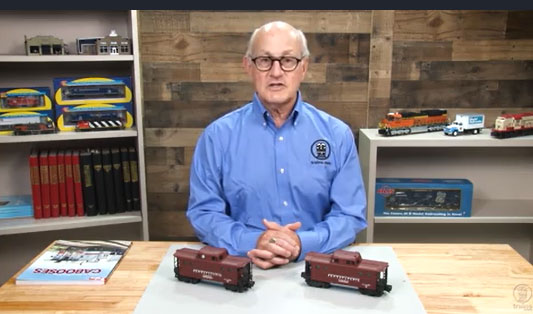
Lionel’s model of the Pennsylvania RR’s N5c caboose has been a favorite since it was first added to the catalog in the 1950s. CTT’s Professor Carp details the history of these toy train stalwarts, shows some of the other roadnames and colors in which it was produced, and explains why one variation is worth far […]
Read More…
Lionel’s model of the Pennsylvania RR’s N5c caboose has been a favorite since it was first added to the catalog in the 1950s. CTT’s Professor Carp details the history of these toy train stalwarts, shows some of the other roadnames and colors in which it was produced, and explains why one variation is worth far […]
Read More…
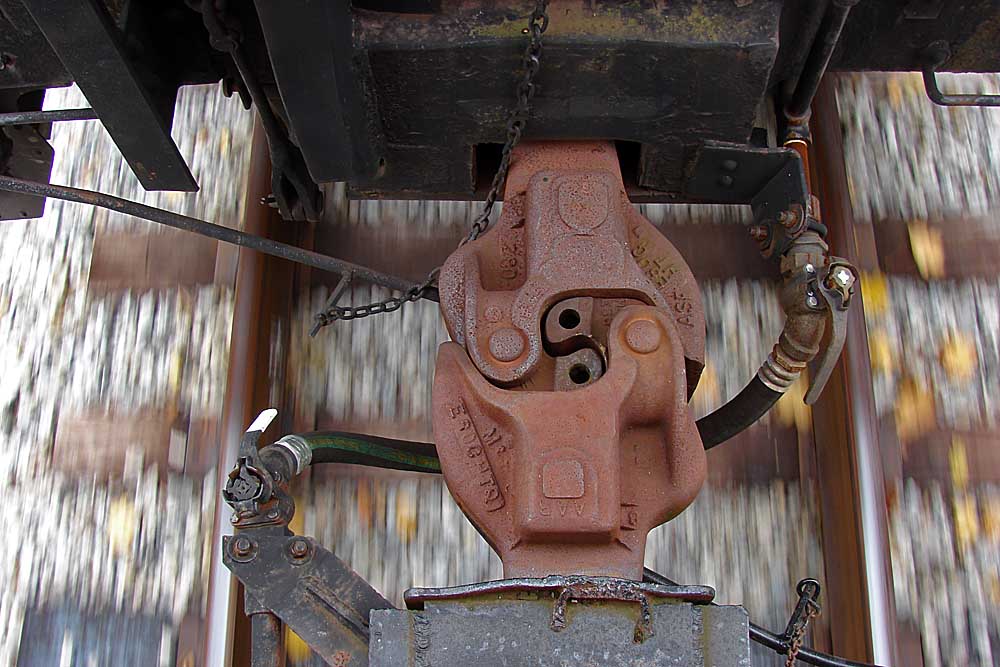
A lot happens between the horsepower output of a diesel engine and the drawbar where freight cars are coupled. A diesel engine’s raw output is known as brake horsepower, which is calculated without any additional equipment connected. After deducting those losses, the rest of the engine’s output is sent to the traction motors to pull […]
Read More…
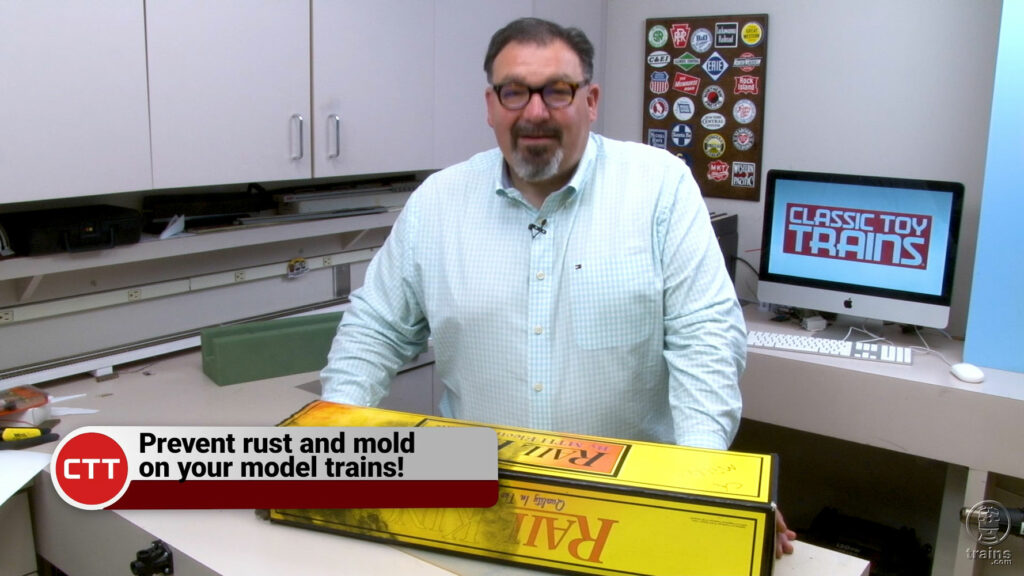
Those little packets of silica gel that come in model train and other boxes are there for a reason – to keep moisture away from your valuable items. Classic Toy Trains Editor Hal Miller tells you how they work and where you can get more if you’ve thrown yours away. […]
Read More…
Those little packets of silica gel that come in model train and other boxes are there for a reason – to keep moisture away from your valuable items. Classic Toy Trains Editor Hal Miller tells you how they work and where you can get more if you’ve thrown yours away. […]
Read More…
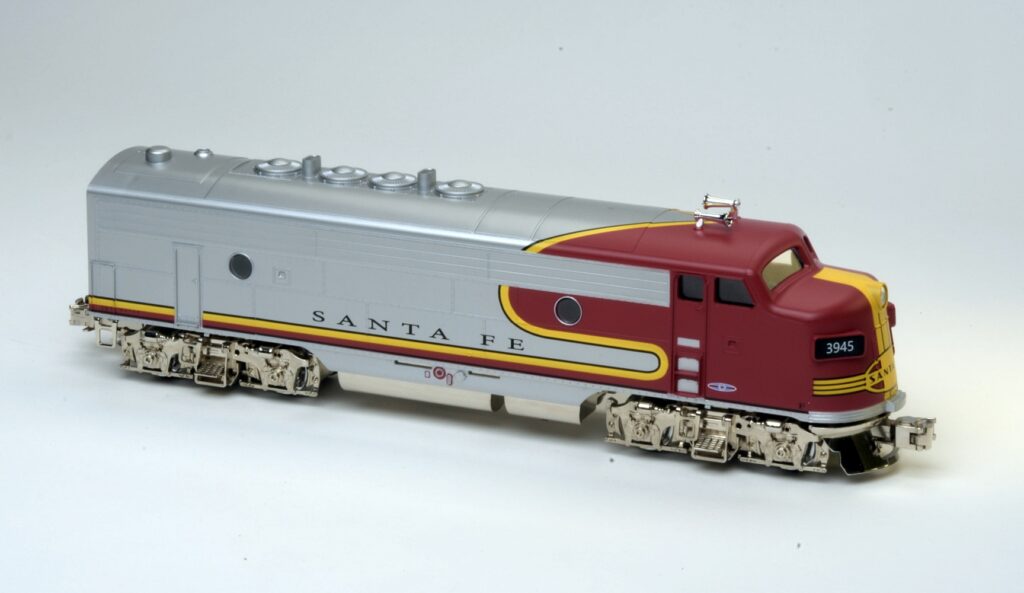
Menards Santa Fe O gauge locomotive program is underway. Asking some 200 people to take a chance on this new product is bold. To request they test it on their layouts and report what the maker got right — and more importantly, wrong — takes even more guts. It is something I’ve never heard of […]
Read More…
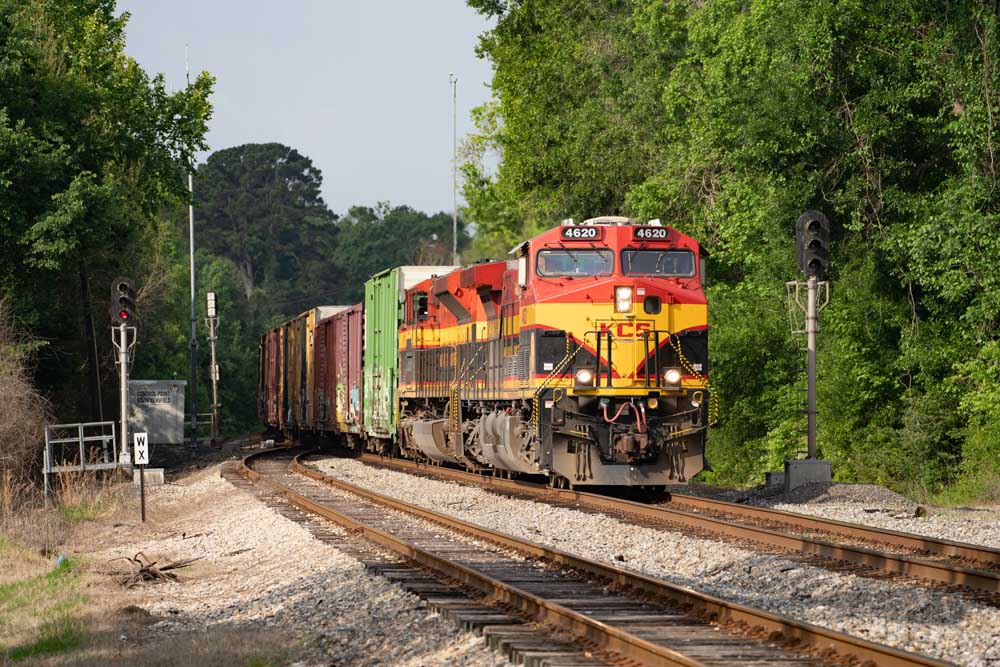
Mergers or acquisitions of two or more railroads always bring a blending of motive power rosters. Kansas City Southern, like all Class I railroads today, relies on its fleet of A.C. (alternating current) traction locomotives for most of its operations, similar to both Canadian National’s and Canadian Pacific’s motive power philosophies. Kansas City Southern’s grade-intensive […]
Read More…
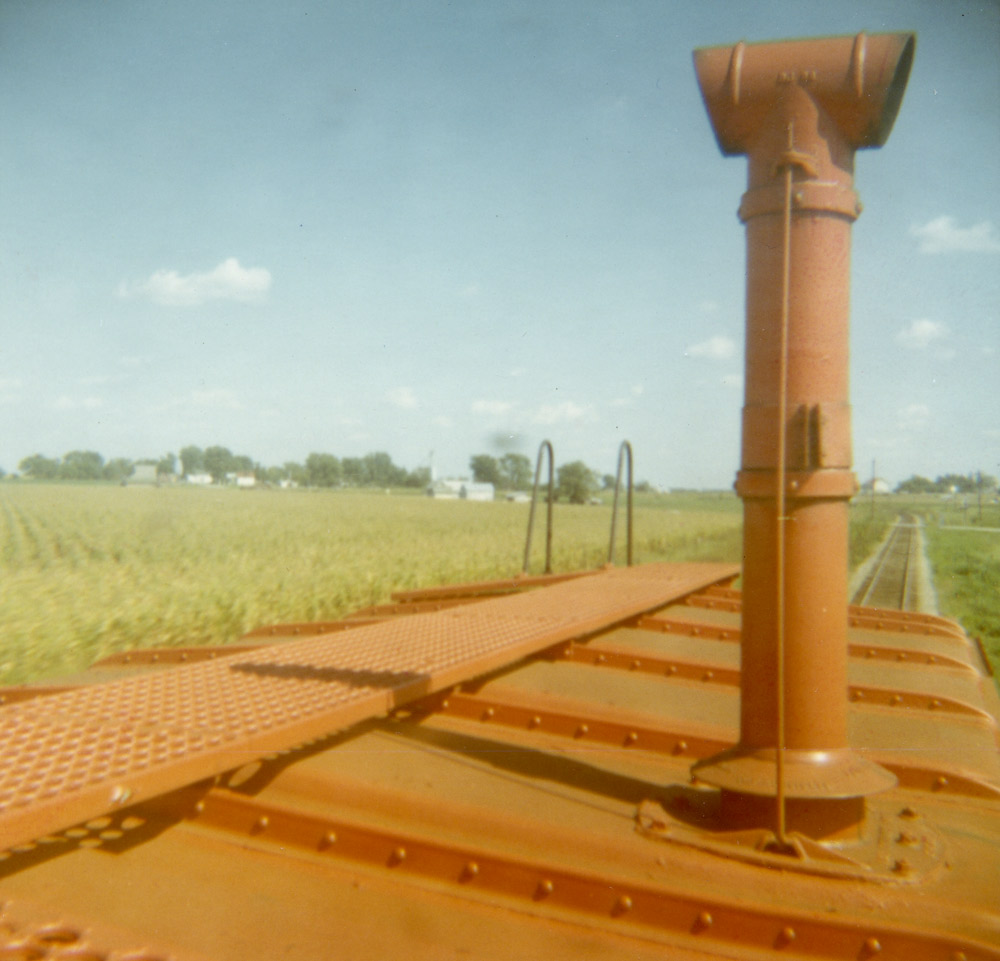
In the late 1960s and in to the ’70s, I had numerous rides on Toledo, Peoria & Western freight trains in both directions out of Peoria, Ill., where I grew up. The TP&W interchanged with the Pennsylvania Railroad and its successors 108 miles east at Effner, Ind., and with the Santa Fe 114 miles west […]
Read More…
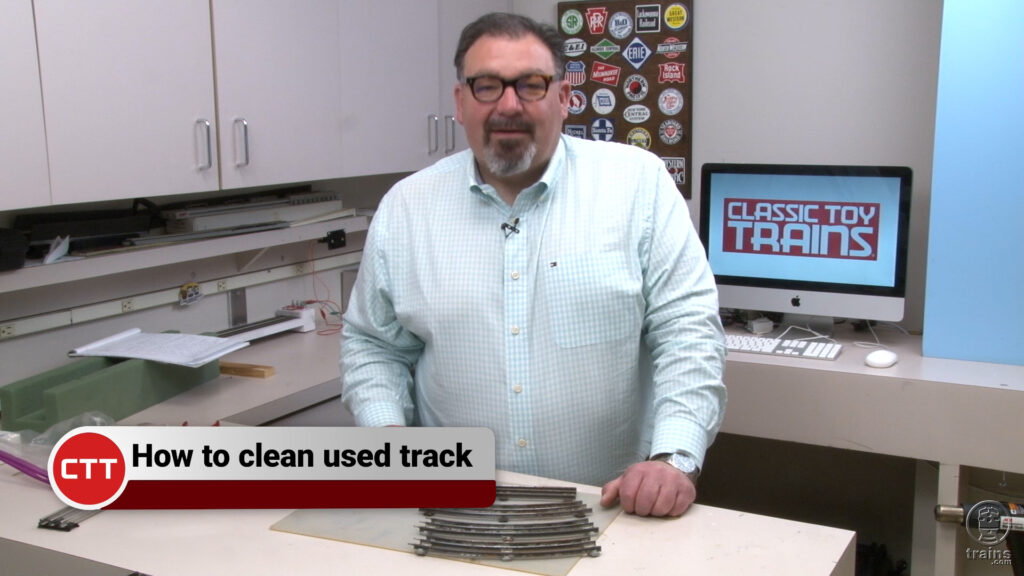
Bought or inherited a load of tubular track? CTT editor Hal Miller shows his method of cleaning it up and getting it ready for trains to run properly on. This technique will help get rid of dirt and light rust, and help modelers avoid a few pitfalls that could be detrimental to operation. […]
Read More…
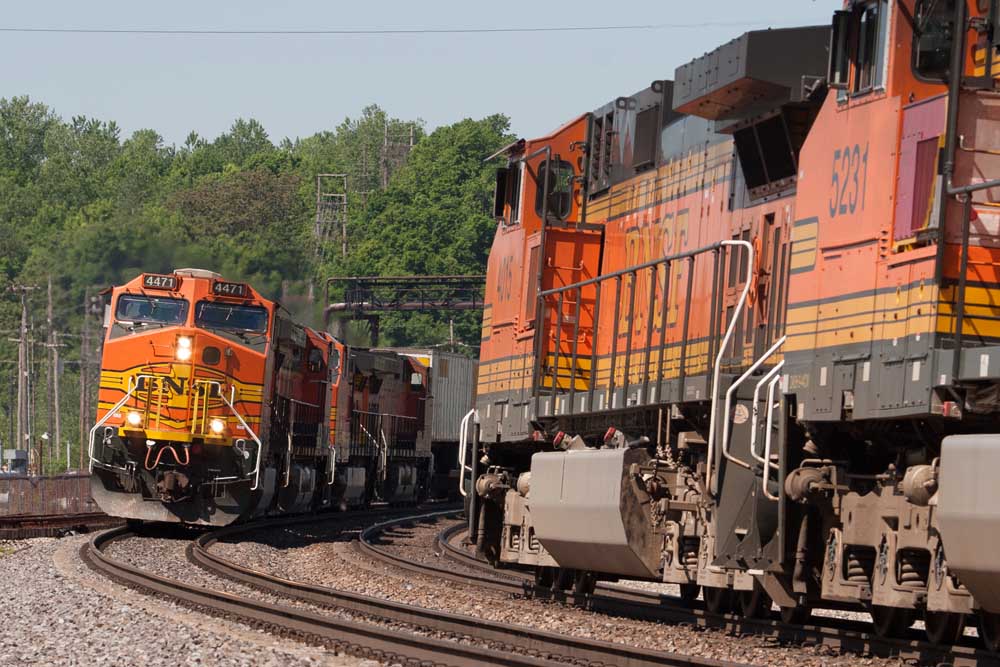
General Electric’s 4,400 hp C44-9Ws were, by far, the most popular D.C. traction locomotives the company every produced, with almost 3,600 copies built for North American customers. Sales began in the early 1990s just as A.C. traction was taking hold in the industry. Many railroads were still either wary of the new A.C. technology and […]
Read More…
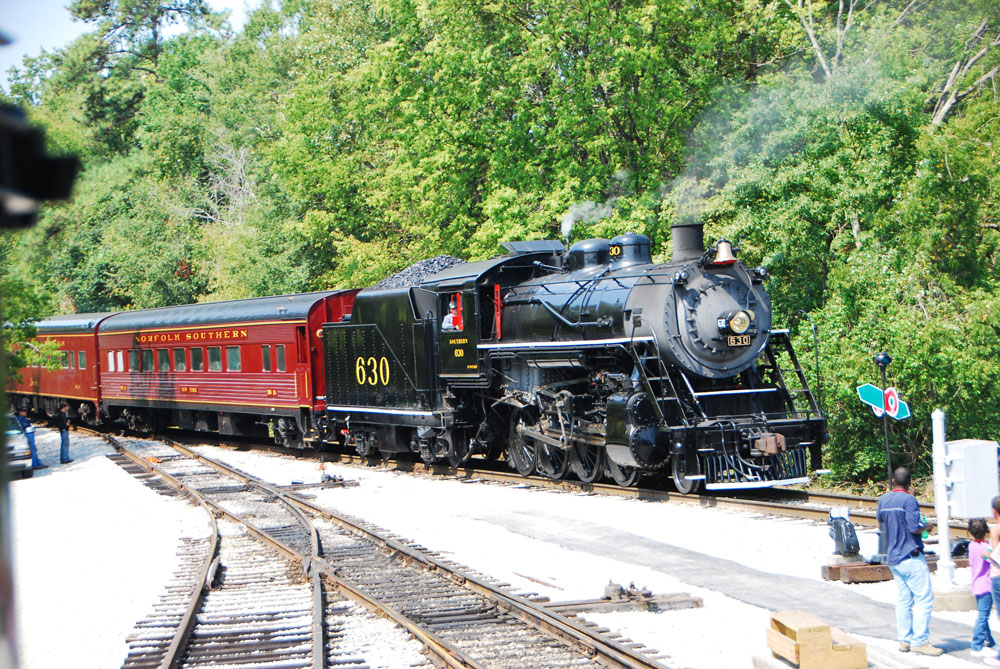
Visiting Tennessee Valley Railroad Museum If you took a major Class I railroad in the early 1950s, shrunk it, and set it aside to show people today what a section of big-time, steam-era railroading was all about, you’d create Tennessee Valley Railroad Museum. Set on a portion of Southern Railway’s original main line into Chattanooga, […]
Read More…
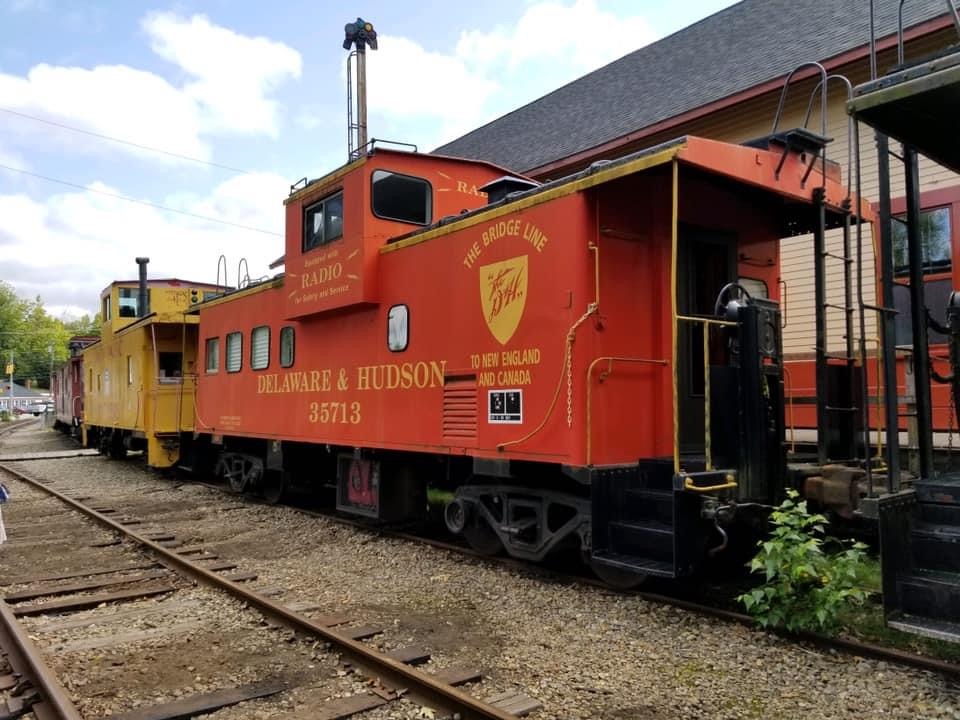
After being a ubiquitous part of American railroads for more than 150 years, they went away some 40 years ago. Today, you’ll find a rare and rusty handful on Class I railroads in use as lowly “shoving platforms,” with their windows and doors often welded shut. The lucky ones got away to museums, tourist railroads, […]
Read More…