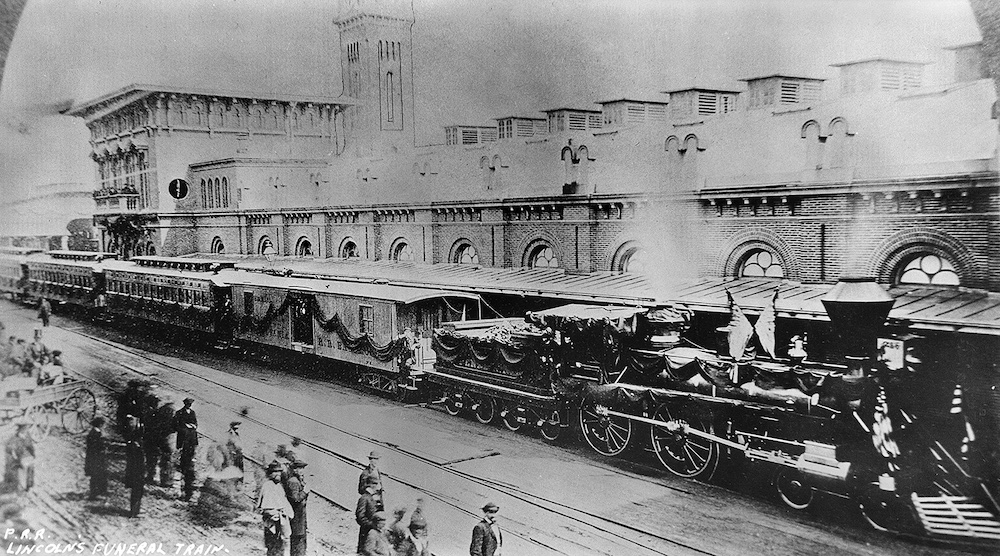
The assassination of Abraham Lincoln on April 15, 1865, sent a Civil War-battered country into 20 days of national mourning. At the center of it all was a black-draped train, slowly and sadly carrying the former commander in chief’s body from Washington, D.C. to his hometown of Springfield, Ill. The U.S. rail network is no […]
Read More…
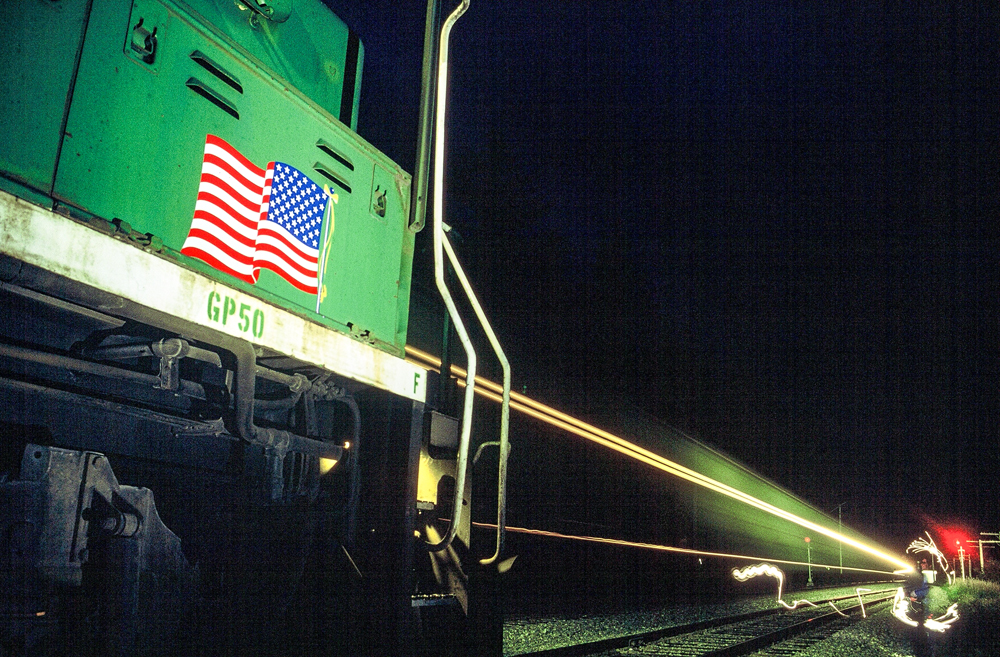
Railroad fusees My first memory of using railroad fusees [flares] for signaling was on an early winter morning in 1978. Coming back from lunch on the midnight shift at Auburn yard, the scenery had turned very foggy. Lanterns, while not useless, were hard to see at a distance in that kind of weather. During those […]
Read More…
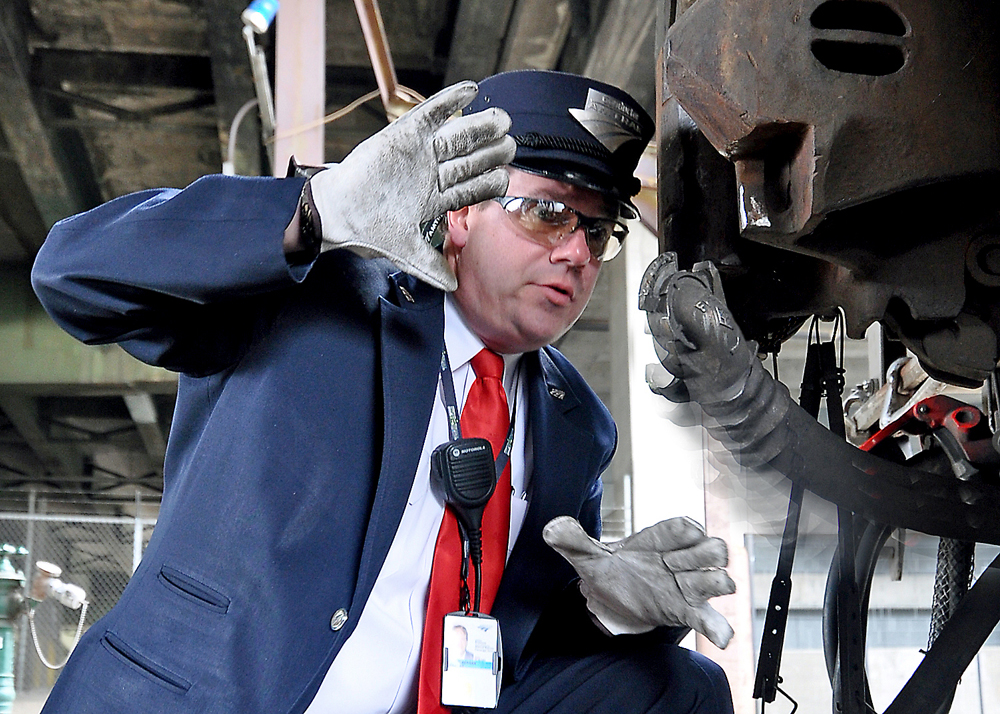
It’s a dangerous world out here I heard from a reader who’d recently become a railroader. A camera tot’n railfan (as I had once been) — and a very good one, at that. My first response was to congratulate him. My next impulse was to offer a heartfelt warning. “Whatever you do, be careful. It’s […]
Read More…
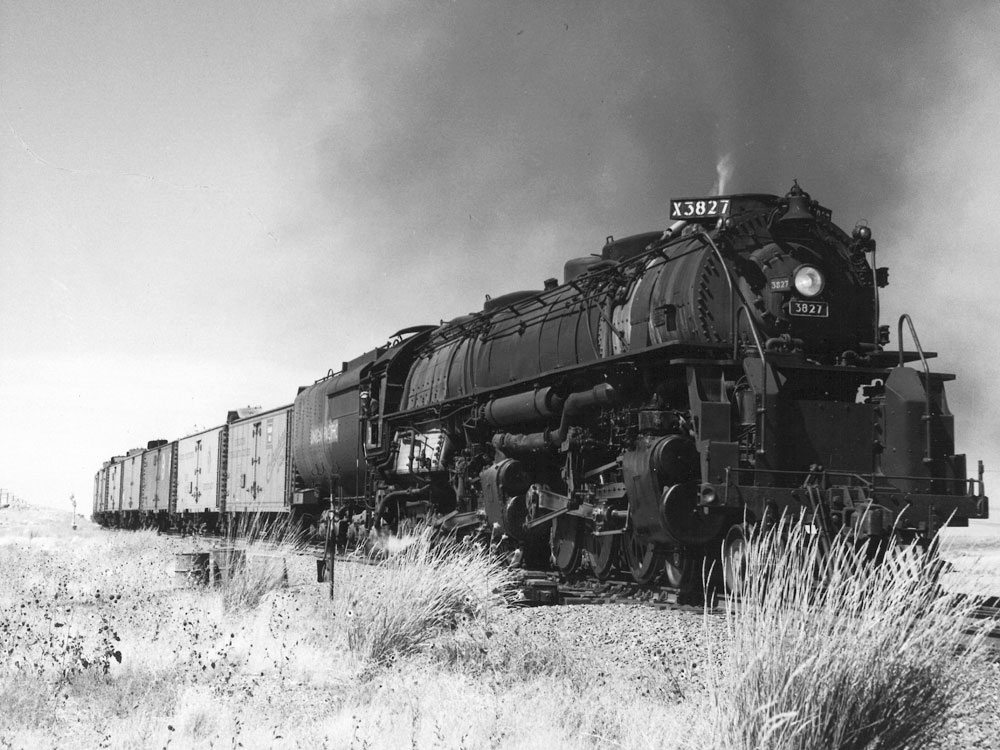
Q: I am looking for suggestions for industries for an Idaho model railroad in the 1940s. I’m working on building an HO scale 10 x 11-foot around-the-walls model railroad. I have decided to model a small town in rural Idaho along the Union Pacific in 1942. I am looking for a few plausible industries to […]
Read More…
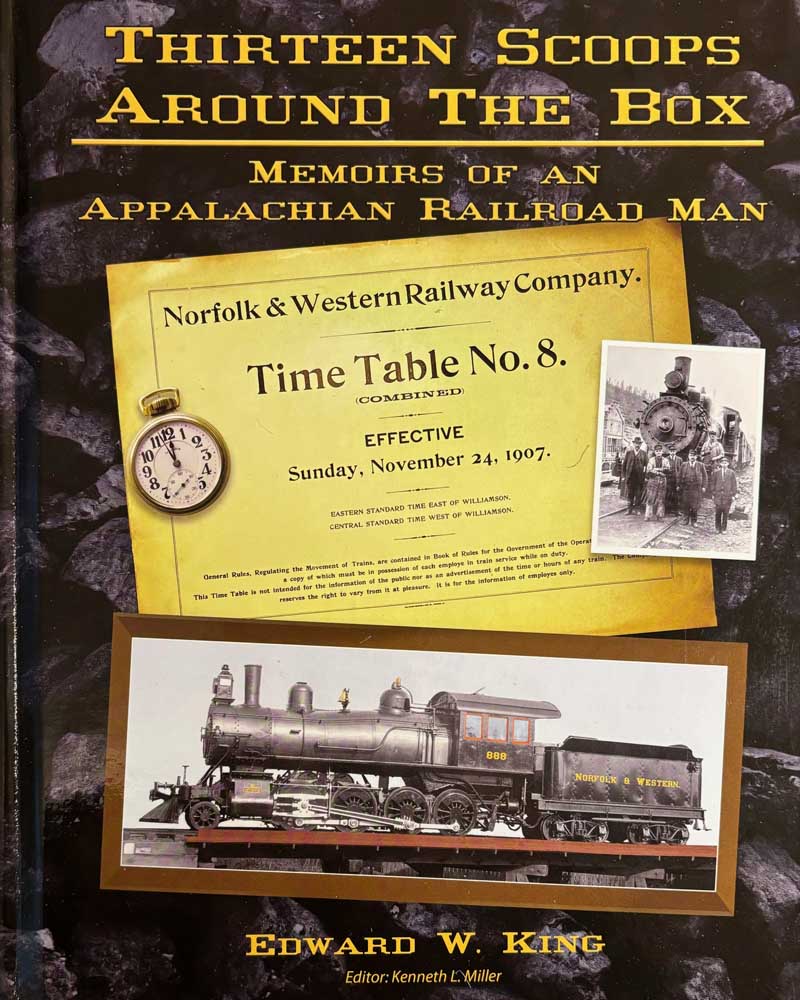
Rumors of the death of railroad fiction are greatly exaggerated. The veteran railroad journalist Fred Frailey made that clear a year ago with his “Seldom Willing,” an absorbing tale of an ambitious 1980s Midwestern regional railroad that outmaneuvered a far larger rival. When Fred told me his novel was coming out soon, I wasn’t sure […]
Read More…
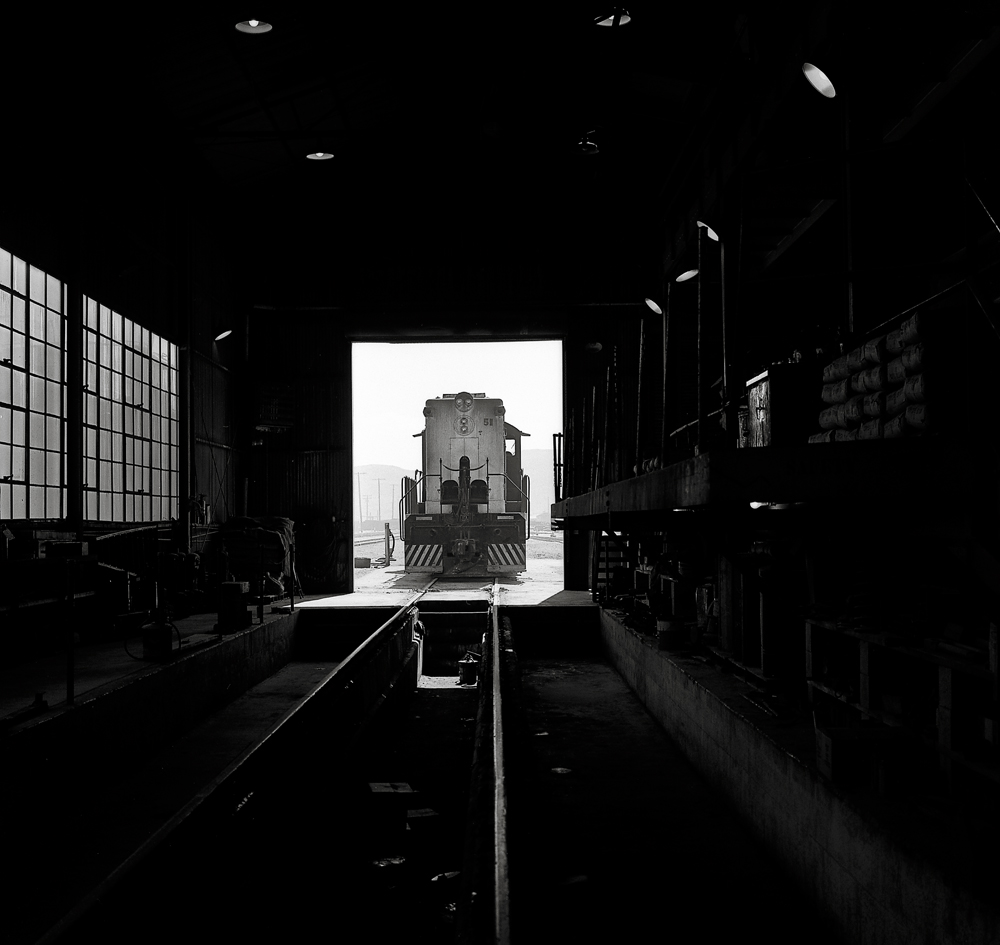
Trona Railway The California desert is different from the rest of the state. Remote, vast, and lonely, it is a world apart from the California coast or California north. Punctuated by cactus, brush, and fast-moving little creatures, it is seemingly geographically flat, yet is actually a series of undulating ups and downs that can create […]
Read More…
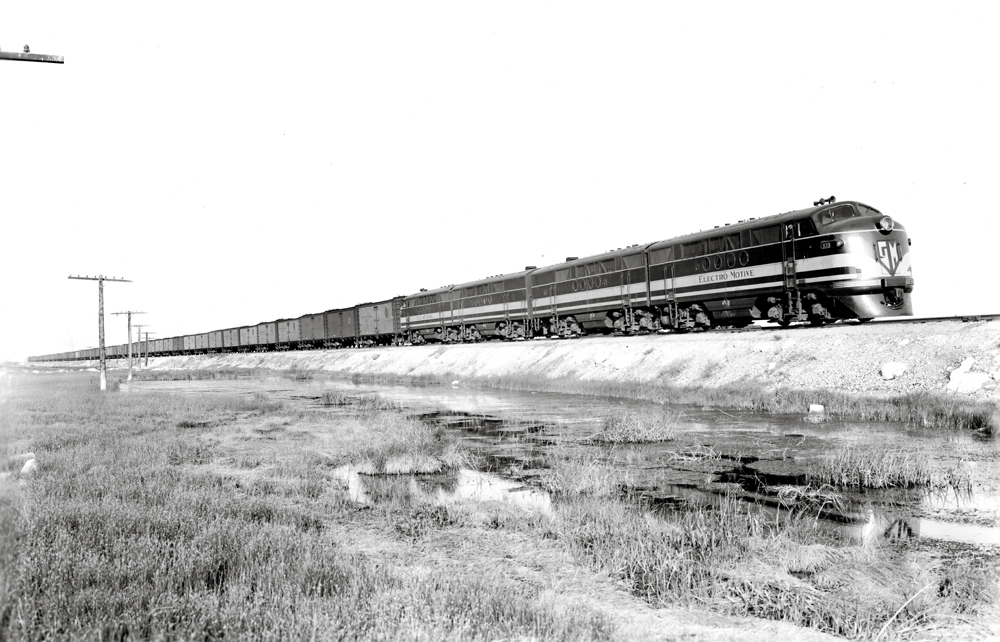
Diesel-electric locomotive technology has advanced significantly since World War II. Experience leads me to list these eight technological breakthroughs as the most important in the postwar period. Important technology developments preceded World War II, but we began with the era after General Motors’ Electro-Motive Division introduced “The Diesel that Did It,” the FT [see “FT […]
Read More…
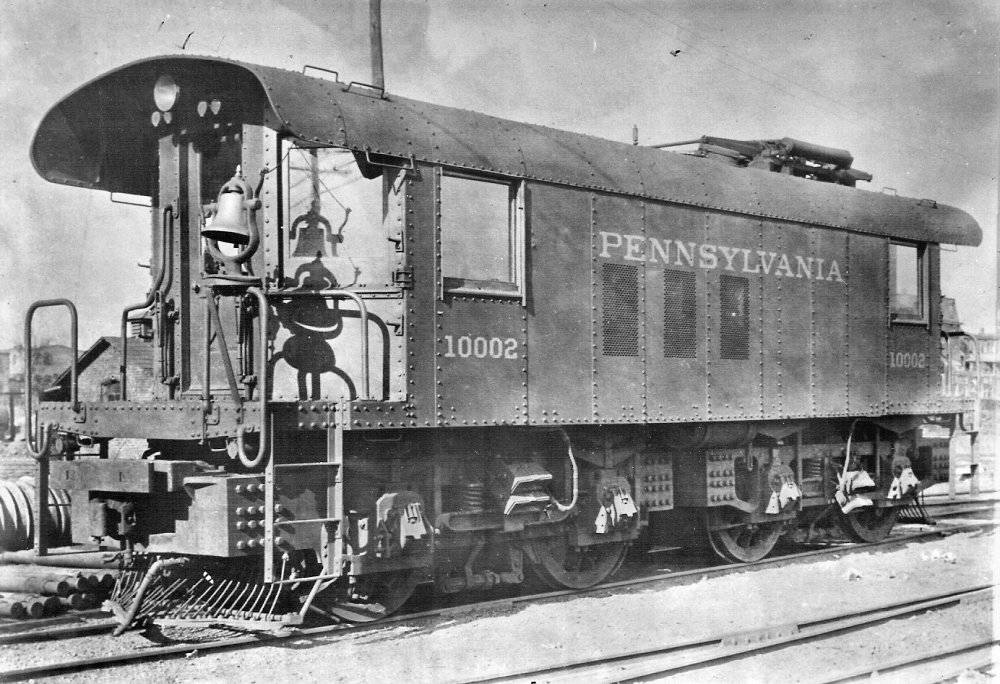
Electrification of railroads North American freight trains are powered by diesel locomotives. Before the diesels, steam engines did the work. Electric trains have a niche hauling passengers in the Northeast. Everyone knows this short history of motive power development, but it’s not quite the whole story. Early electrification of railroads “Diesels,” of course, are properly […]
Read More…
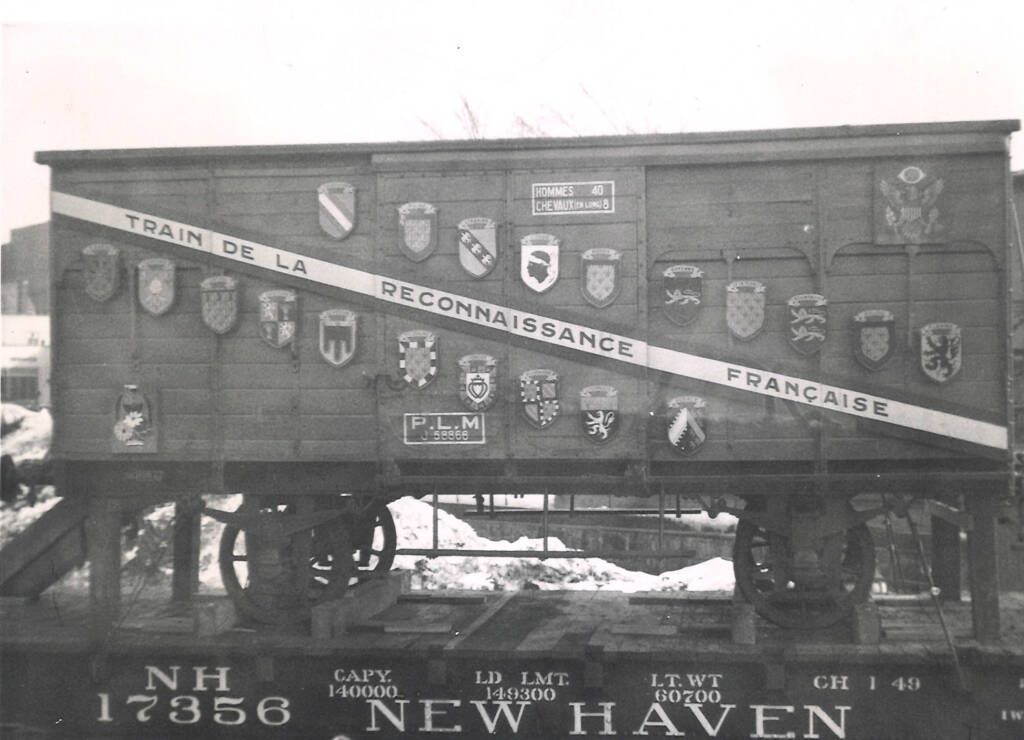
On February 2, 1949, 75 years ago, a train arrived in New York harbor. It was not on the rails serving some dock, but rather small boxcars tucked into the hold of the S.S. Magellan. The ship docked at Weehawken, N.J., amid great fanfare — scores of U.S. Air Force planes saluted in a flyover, […]
Read More…
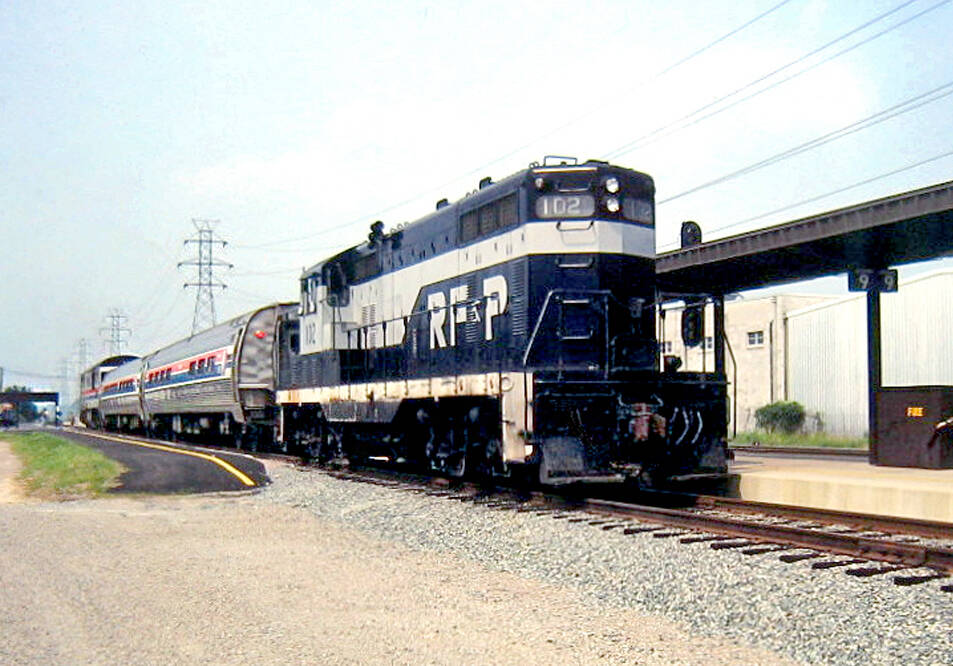
Amtrak’s Hilltopper What had a locomotive on each end, two coaches in the middle, a crew of six, few passengers, and ran backwards for 30 of its 1,674-mile route between Boston, Mass., and Catlettesburg, Ky.? Amtrak’s Hilltopper — my first regular assignment as a passenger trainman, employed by the Seaboard Coast Line Railroad, which operated […]
Read More…
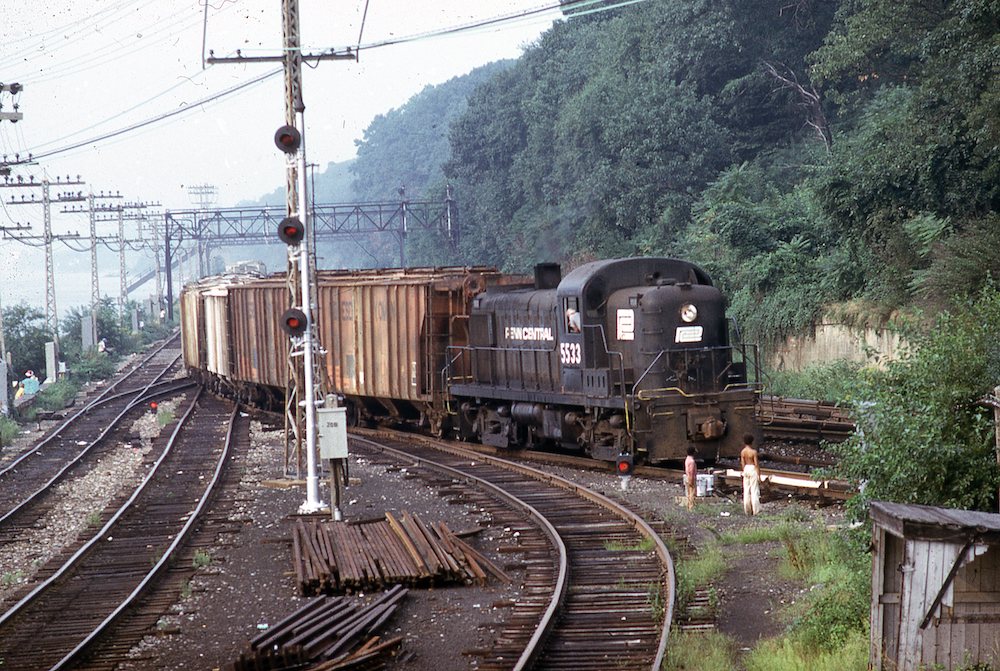
West Side Freight Line New York Central’s West Side Freight Line, more formally named the 30th Street Branch, was the only direct freight railroad into Manhattan. It was just 10 miles long but maintained to mainline standards, and was even electrified for three decades. Vital for freight, mail, and express into the 1960s, it afterward […]
Read More…
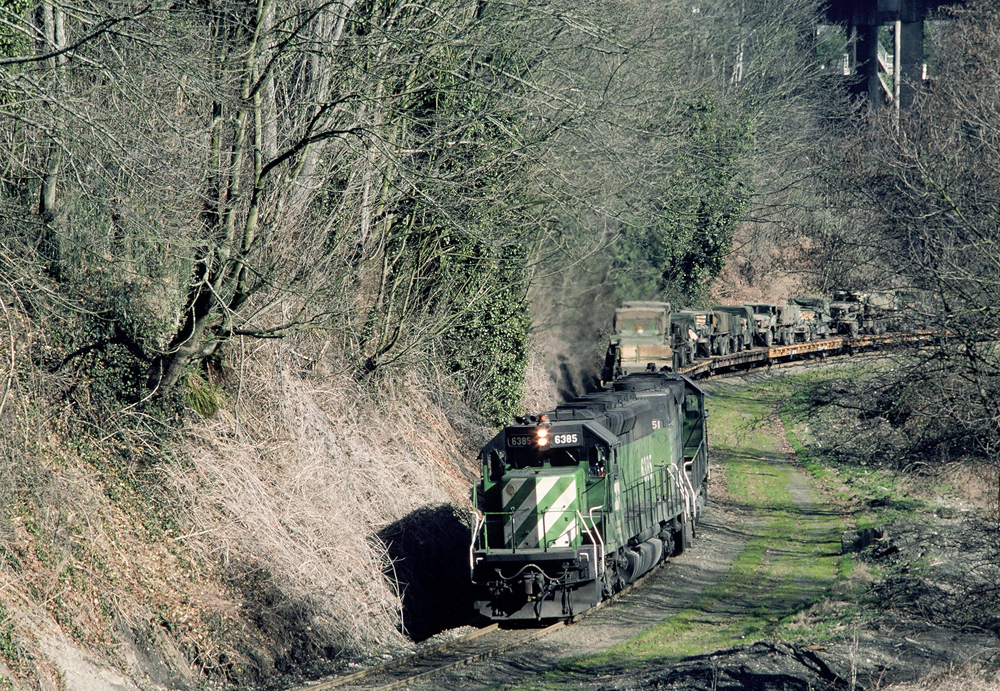
I got a late afternoon call to be the rear brakeman on train No. 1/146/05 (South Pool, Seattle to Portland, Ore.) on Aug. 5, 1979. We were at our away from home terminal of Portland. My crew that day was conductor Duke D., engineer Les M., and head brakeman Pete T. I was working the […]
Read More…