It can be difficult to get started in the hobby of model railroading. The terminology a beginner needs to learn is daunting for some, particularly for those without experience with or knowledge of prototype railroading. This article explains prototypes and modeling terminology for beginner model railroaders, or those looking to brush up on their model railroading lingo.
Prototype
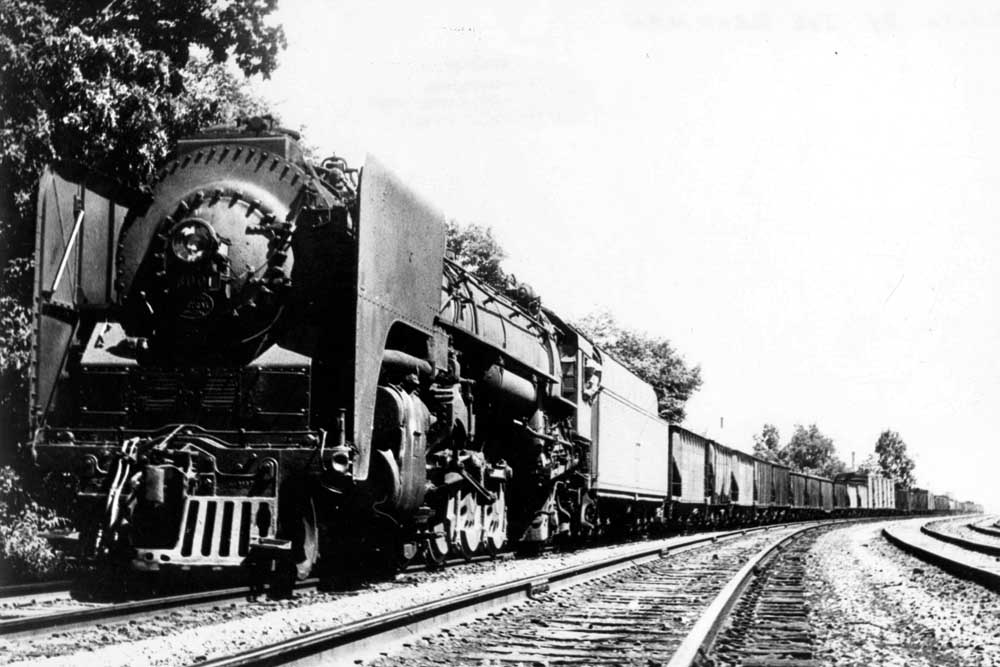
Period modeling
Many modelers set their layouts in a particular span of time. For example, a modeler may choose a period when steam engines hauled most trains. If the year is 1948, then all locomotives, rolling stock, structures, and vehicles should look like those used during the late 1940s. Period modelers aim for this sort of historical accuracy.
Transition era
Most American railroads changed from steam engines to diesels between 1945 and 1960; thus, this 15-year period is often called the transition era. This time period is one of the most popular choices for model railroaders
Peddler freight
The local freight trains that stopped to pick up and drop off cars at small towns and industry sidings are known as peddler freights but are also sometimes called locals or way freights. A peddler freight was usually short (10 to 15 cars) and was assigned lightweight, versatile locomotives that could handle switching at individual sidings as well as hauling a train on the main line.
Intersted in learning more about what prototypes can teach us out model railroading? Click here to check out Applying Lessons From the Prototype, written by Tony Koester!