Recently I was asked for my best tips for operating session success. In turn, I asked numerous groups of operators, including participants at ProRail (an operating event held in Kansas City) and layout owners and operators throughout the Midwest. The query elicited a variety of responses, with several recurring themes. Here are the top five answers. Notice that completed scenery or great refreshments are not among the requirements, though these certainly can enhance the experience. See if you agree with these tips for operating session success.
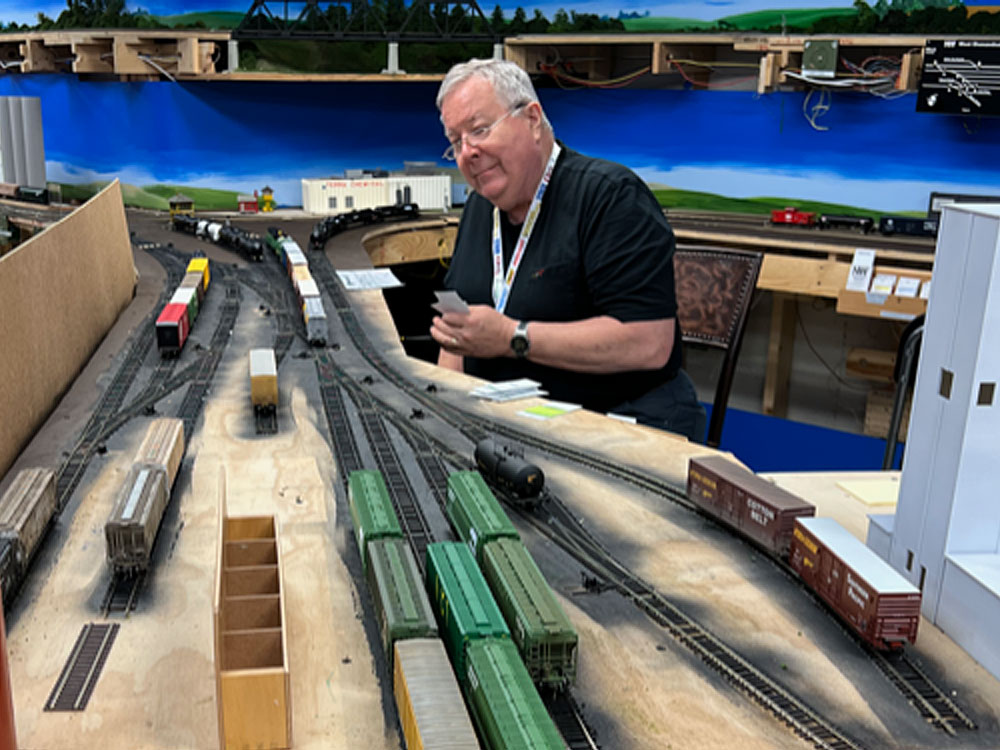
Reliable track and equipment
No operating session can be successful if the turnouts, electrical systems, engines, and cars do not perform as intended without on-the-fly maintenance or untimely delays due to malfunctions. This element made the top of everyone’s list. Note the term “reliable,” not “perfect,” as the expectation. Those who have hosted operating sessions on their own layouts were quick to point out that a session could have an occasional glitch and still be successful. But the consensus was that if the layout doesn’t perform reliably, it’s not fun. It doesn’t matter how great the scenery looks or how fancy the structures are; the trains need to run smoothly. Most of us have been there, operating on a layout that looked impressive, but performed unreliably, yielding an experience to forget, not treasure.
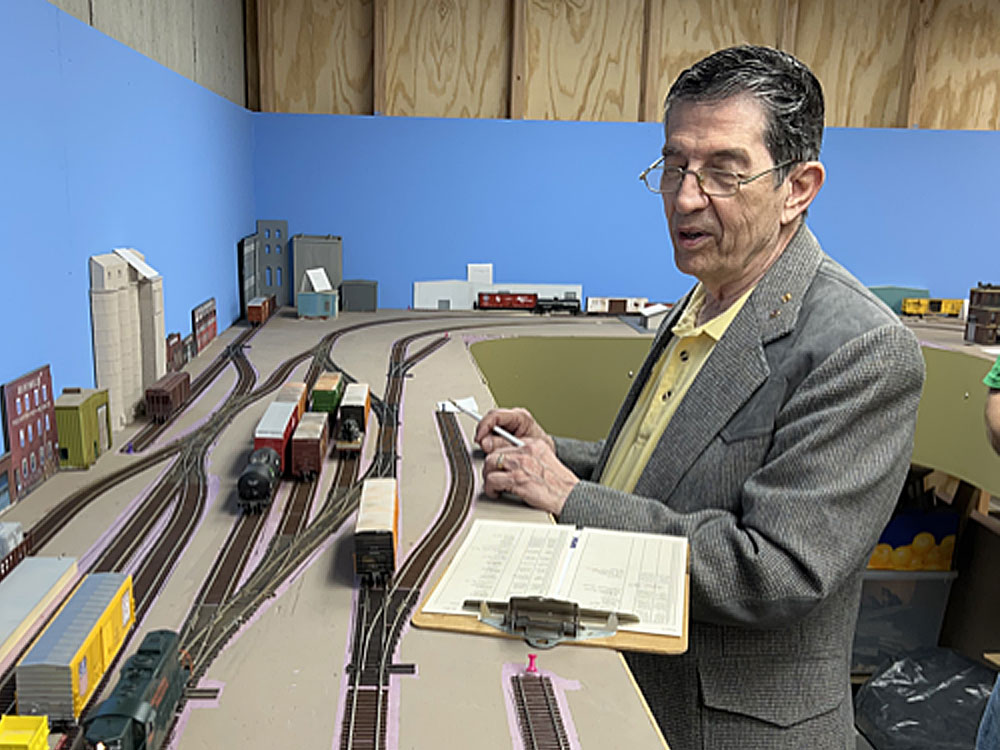
Clear paperwork
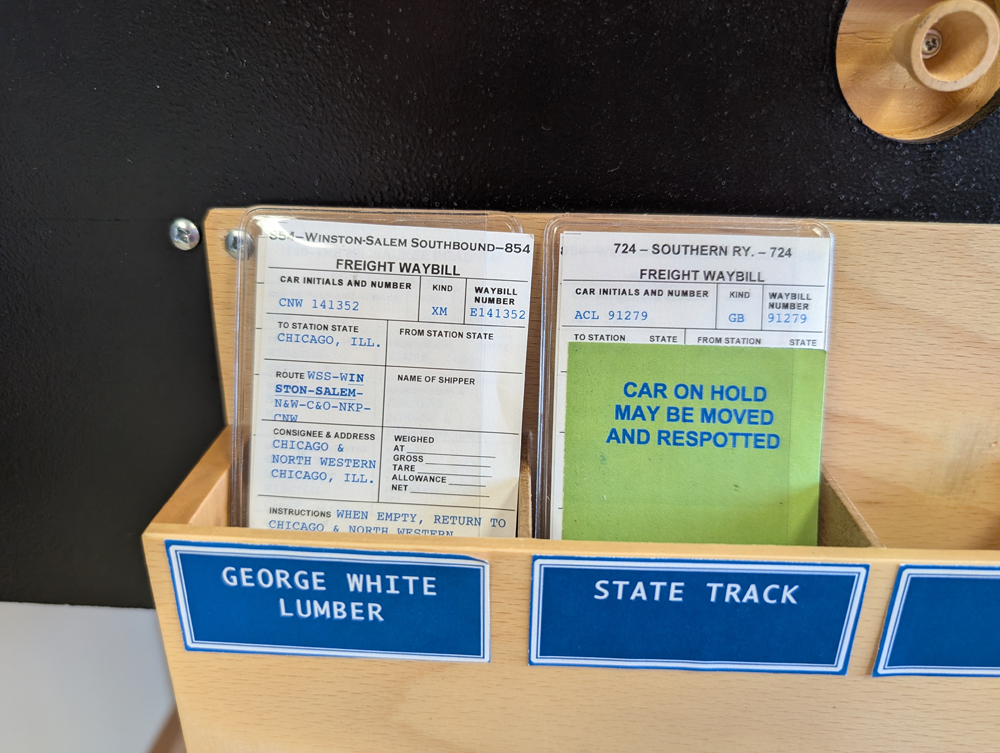
The instructions for the operators should be easily understood, without the necessity of asking the superintendent for clarification. This includes clear schematics and diagrams as well as car and train routing instructions. Much of the fun and challenge of operations is analyzing and developing solutions to switching puzzles and/or fitting trains into the flow of a miniature transportation system within the timetable or sequence of events. Crews want to know the expectations so they can do their jobs.
![Two men operate trains on an HO scale model railroad]](https://www.trains.com/wp-content/uploads/2024/03/MRL0324-03-Jared-Childers-and-Eric-Mumford-work-Joe-Kaspers-BN-layout.jpg)
Realism and authenticity
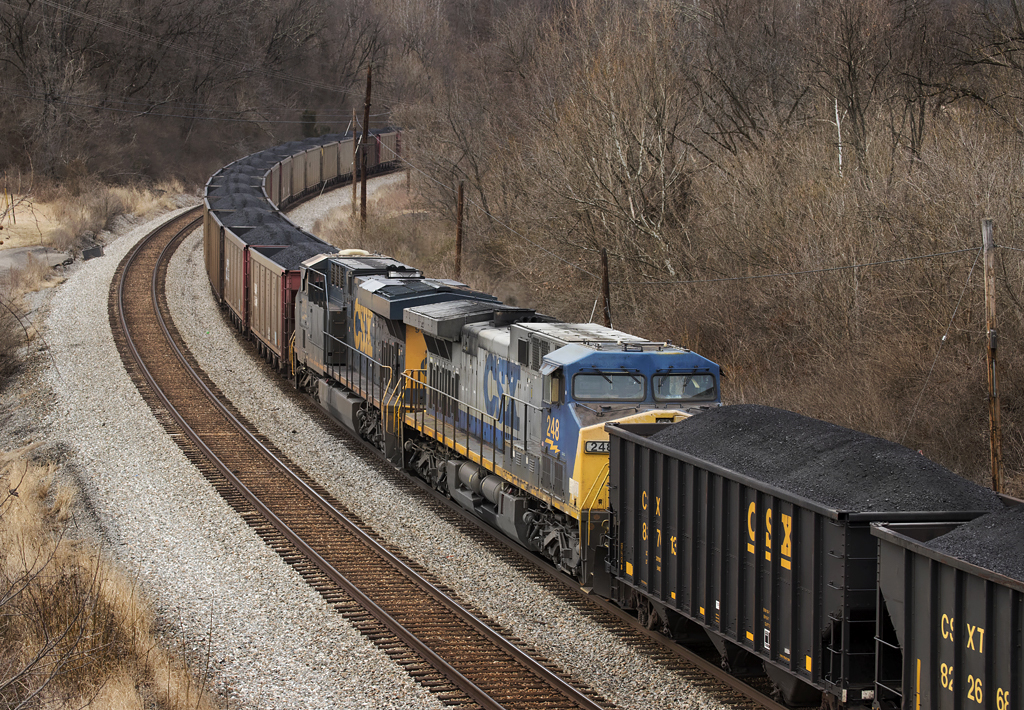
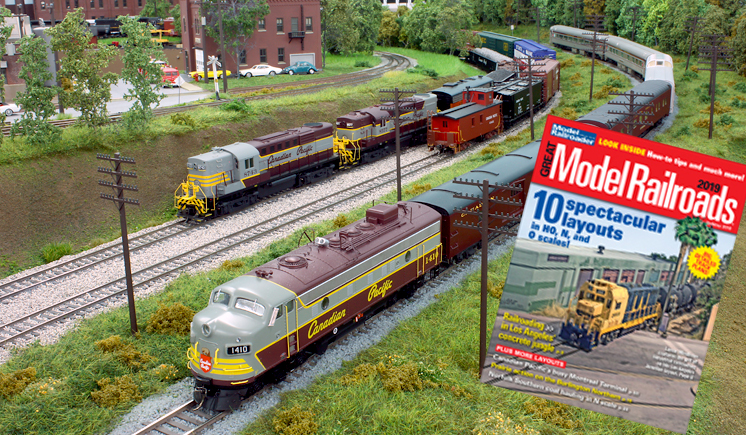
The layout’s theme should fit the era and geographic area modeled. For example, you shouldn’t see steam power pulling a stack train, or four-axle switchers from a West Coast hauler pulling a unit grain train through the Appalachian Mountains. That’s neither realistic nor plausible. It’s also good if the layout has some unique feature that makes it stand out, such as a major industry, landmark station, signature geographic feature, or the like.
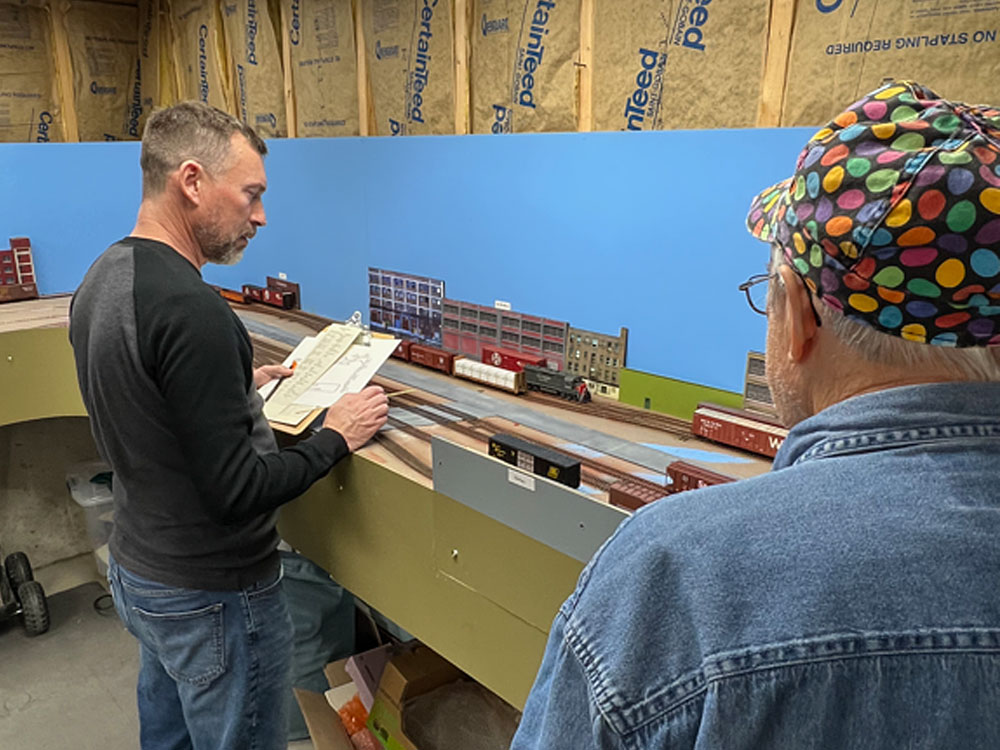
Simplicity with challenge
It could be argued there’s a fine line between a layout or operating job that’s too simple vs. one that’s too challenging. Usually operators are quick to offer “next time I do this job I’ll be more efficient,” which is natural. Everyone makes beginners’ errors resulting from lack of familiarity with the job. But the layout must not be so difficult to understand or navigate that a beginner becomes discouraged. The model railroad must offer a variety of jobs with differing levels of difficulty to challenge operators at different levels of experience and skill.
And a challenging layout doesn’t necessarily require a large footprint. Operators agreed that a big railroad isn’t a prerequisite for entertaining a crew for several hours. My good friend Chuck Hitchcock shared with me that some of his most enjoyable times were operating on small layouts. On a large layout, everyone gathers for their assignments at the beginning of the session, but then might disappear to do their work until the exit briefing. There’s often a certain intimacy and camaraderie on a small layout that you don’t get on a big one.
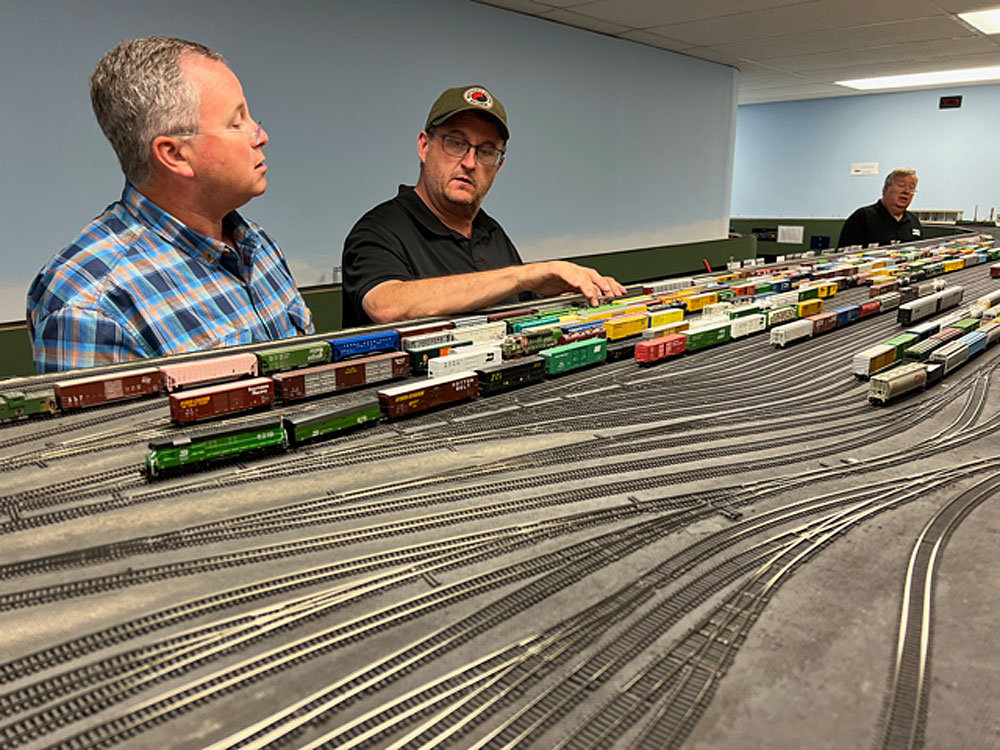
Relaxed, comfortable atmosphere
I’m not referring to the barometric pressure, but rather the logistics and the tone of the operating session, set by the superintendent. Objectively, the layout is clean, with adequate aisle space, good lighting, and either carpeted flooring or anti-fatigue mats (being on one’s feet for 3 hours can be wearying). Subjectively, the superintendent displays a level of trust in the crew and supports them based on their skill level. This does not mean the superintendent looking over the operators’ shoulders or barking at them if they make a mistake or don’t follow the superintendent’s preferred way of getting the job done. (Nobody would enjoy that, least of all operators who might have paid thousands of dollars to travel and lodge for a weekend just for the opportunity to play with trains.)
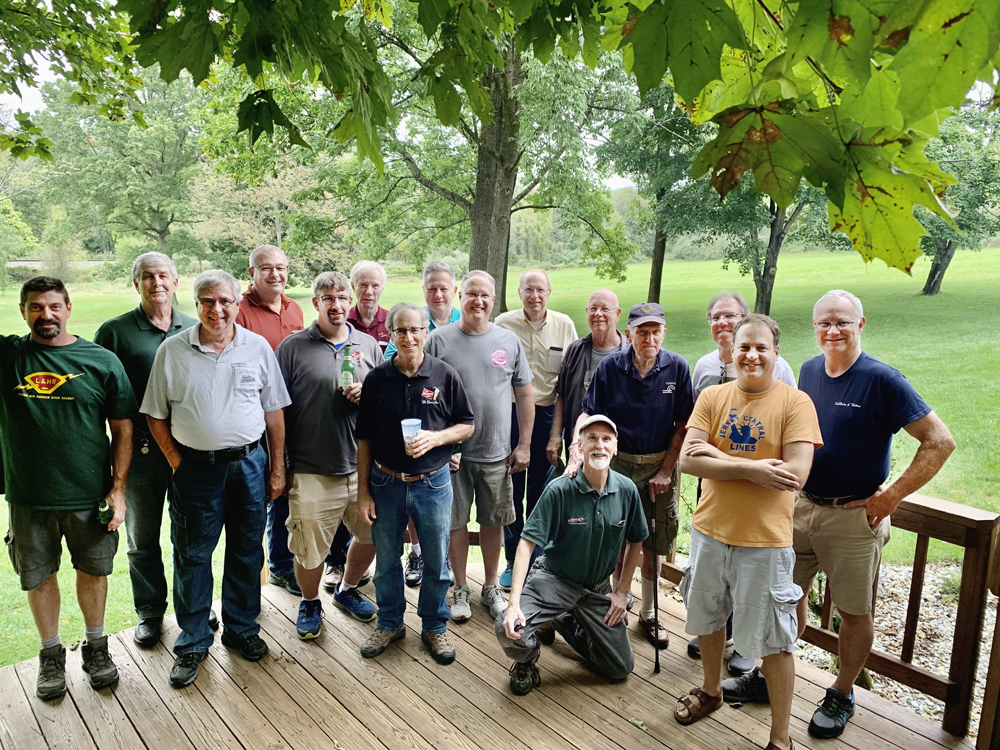
Part of the enjoyment of operating a layout derives from sharing the hobby with like-minded hobbyists who enjoy each other’s company. As superintendent of my layout, oftentimes I’ll adjourn to the adjacent crew lounge, a short hallway away, and enjoy listening to the banter among the crews. This tells me they’re having a good time.
When an operator mentally checks all five of the above boxes, the superintendent/host can rest assured they’ve provided their crew with the elements for a great operating session. Have you experienced or provided one lately?
Read about Steve Otte’s first operating session.
Share this article