Q: I’m getting back into model railroading after a 50 year hiatus. I’m having trouble with knuckle couplers that won’t connect. I have new rolling stock from Athearn, Walthers, ScaleTrains, and Accurail. I also have several cars that I converted to Kadee. Couplers from different manufacturers don’t seem to work together. Are there any combinations of couplers that work together reliably? I’m about ready to buy a bunch from Kadee and convert everything. — Bill Gingerich
A: First, Bill, welcome back to the hobby. As you have probably noticed, a lot of things have changed in model railroading while you were away. The world of HO scale couplers is no exception.
For more than 65 years, Kadee’s Magne-Matic automatic knuckle coupler has been the de facto hobby standard. Though Kadee has a robust lineup of dozens of coupler models, the most popular has long been the No. 5. It features cast zinc alloy construction, a bronze coil knuckle spring, and a 9/32″ shank (the distance from the center of the mounting pin to the back of the knuckle head).
“Whisker” couplers are a fairly recent addition to Kadee’s product lineup. The all-metal couplers have thin built-in centering springs on the shank, eliminating the need for the separate phosphor-bronze springs used on standard Kadee couplers. The No. 148 is the whisker equivalent of a No. 5 coupler. It’s offered in bulk packs if you’re trying to equip a large fleet.
When Kadee’s original patents expired in the late 1990s, a new crop of knuckle couplers from several manufacturers appeared. Plastic knuckle couplers produced by Accurail (Accumate), Bachmann (E-Z Mate), and McHenry (Athearn) entered the market. They’re made of tough engineering plastic with, depending on the manufacturer, a one- or two-piece design and plastic or coil metal knuckle springs.
In more recent years, metal couplers have been produced by Rapido Trains (MacDonald Cartier) and Wm. K. Walthers Inc. (Proto-Max). The couplers have coil metal knuckle springs, phosphor bronze centering springs, and metal trip pins.
ScaleTrains includes semi-scale Type E couplers on many of its locomotives and freight cars. Die-cast metal versions are used on products in the Museum Quality and Rivet Counter lines. Plastic couplers are found on Operator and Kit Classics models. The company uses die-cast metal Type SE double-shelf couplers on its Rivet Counter line Trinity 31,000-gallon tank car. The couplers on ScaleTrains models do not have trip pins.
The last sentence of your letter is certainly one way to deal with coupler compatibility issues. Some model railroaders adopt a specific brand of coupler as their “standard” and use it on all of their locomotives and rolling stock.
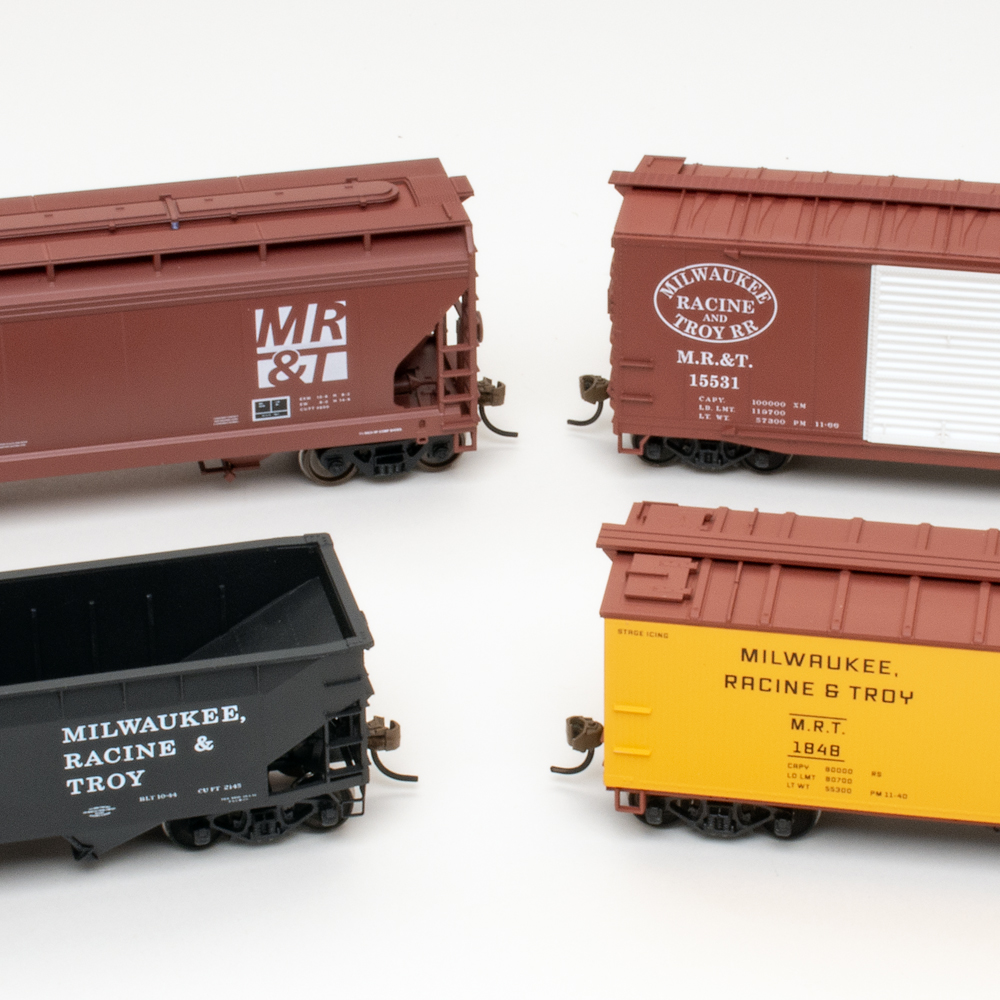
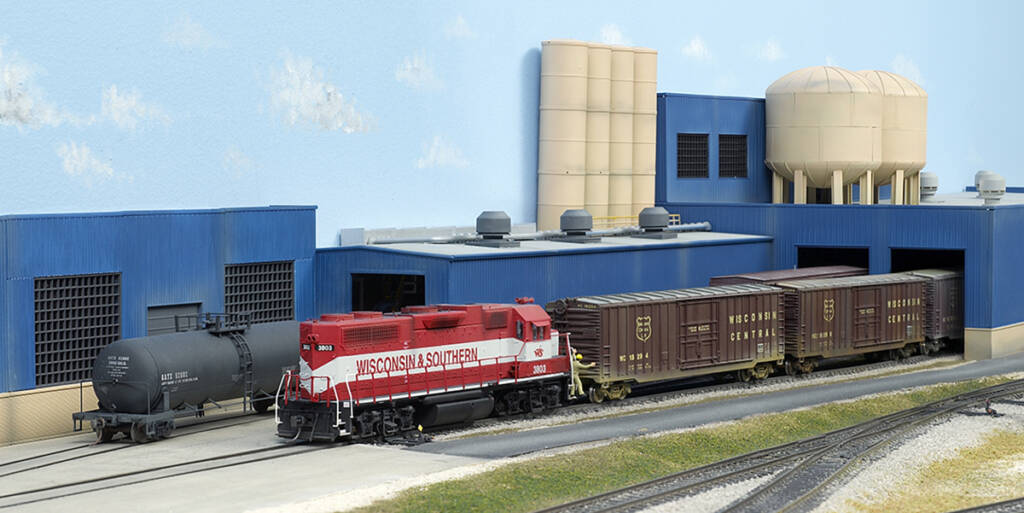
You can certainly mix-and-match brands. On our Milwaukee, Racine & Troy East Troy Industrial Park layout we have rolling stock with Kadee, WalthersProto, and Rapido metal couplers and they work together well.
Where you may start running into compatibility issues, though, is if your rolling stock fleet has a mix of standard, semi-scale, and scale couplers. Although standard couplers offered by various manufacturers look prototypical, they’re actually slightly oversized to operate more reliably. Scale couplers, like those offered by Accurail, Kadee, and McHenry, are smaller in size and bring the distance between cars to a more prototypical distance. However, the size difference may make coupling and uncoupling cars with other couplers tricky.
My recommendation would be to settle on a common material (metal or plastic) and coupler style (standard, semi-scale, or scale) and adopt those as your standards. Hopefully that will make it easier to pick up and set out cars on your model railroad.