
Why did railroads use train orders?
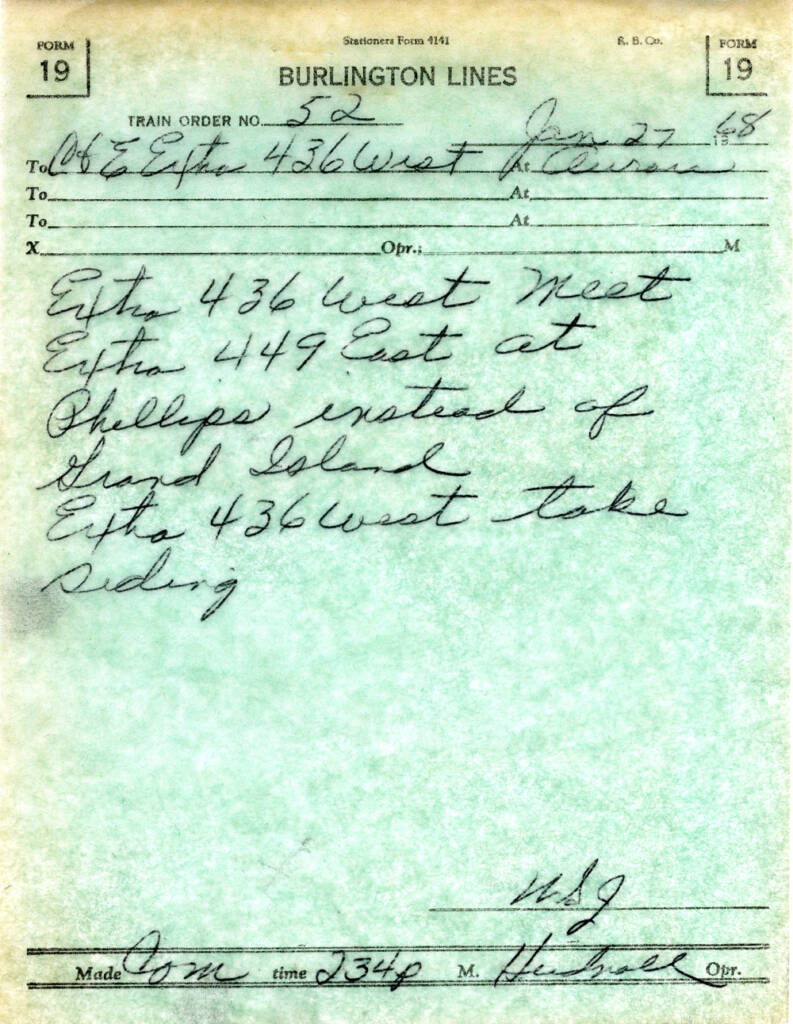
Scan of train order with information written in pen.

If you’ve read Model Railroader or many of our books and special issues, you’ve probably seen references to timetable-and-train-order operation, or TTTO for short. Employee timetables (ETT) that governed TTTO operation listed station names, mileposts, train numbers and classes, departure and arrival times, and operating instructions, among other items, to govern train movements. So why […]

Read More…

Why multiple diesel locomotives run together in the same or different directions

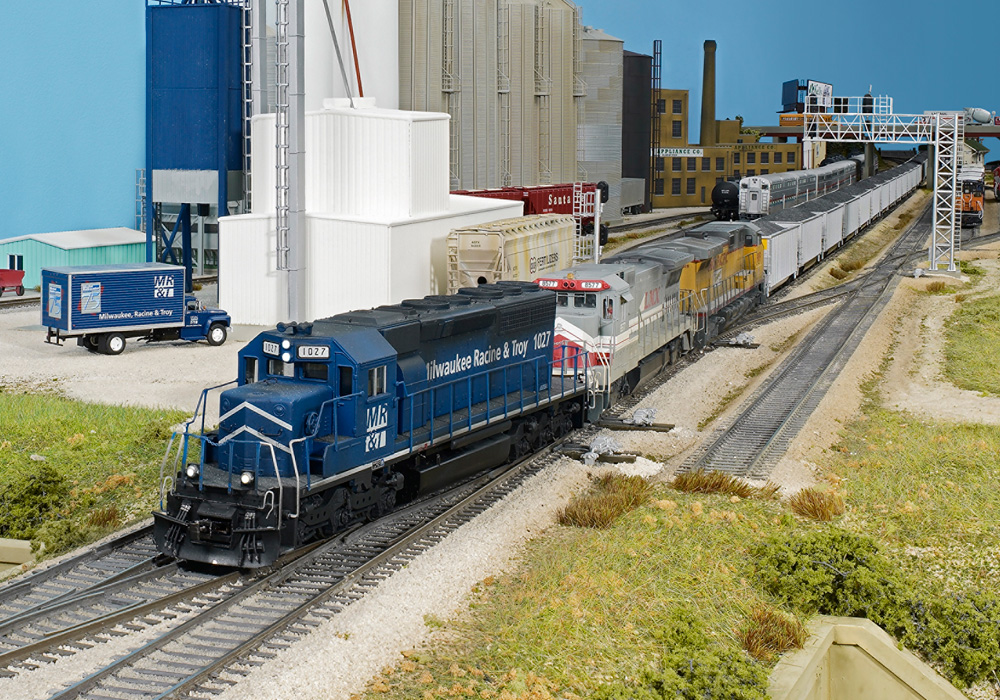
A trio of diesel locomotive models pulls a coal train on an HO scale model railroad layout.

When I began exploring the ins and outs of railroad operations as a teenager, a lingering question piqued my curiosity: Why do multiple diesel locomotives run together in the same or different directions? The answer is quite simple once you understand how the operating practice works. Most North American locomotives today are diesel-electric, meaning that […]

Read More…

Operating middle and end locomotives on your freight trains as distributed power

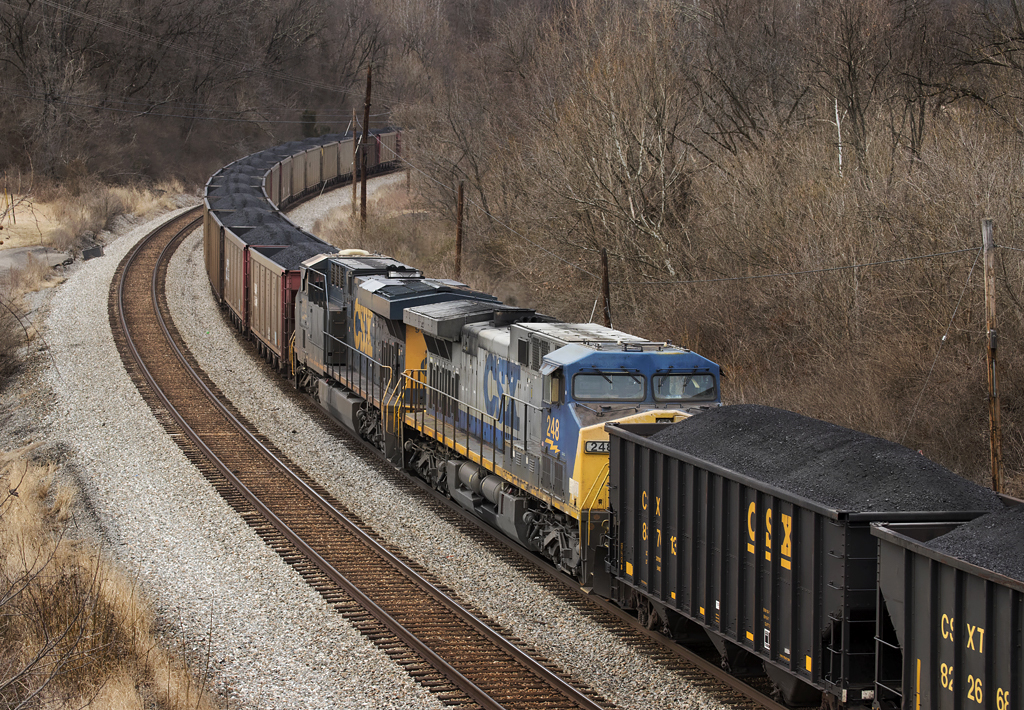
A220carloadedcoaltrainwithmidtraindistributedpowerrollsintoStAlbansWVaonJan272018

Distributed Power 101 Modern railroads are one of the most efficient modes of transporting freight across long distances. Occasionally in railroad freight service, the need will arise for multiple locomotives to efficiently transport freight. But where in this hypothetical freight train should the locomotives be placed? Distributed Power (DP) is an operating practice where locomotives […]

Read More…

What makes for a great layout operating experience?

Two men operate trains on an HO scale model railroad]

Recently I was asked for my best tips for operating session success. In turn, I asked numerous groups of operators, including participants at ProRail (an operating event held in Kansas City) and layout owners and operators throughout the Midwest. The query elicited a variety of responses, with several recurring themes. Here are the top five […]

Read More…

OS block control using an Arduino microcontroller

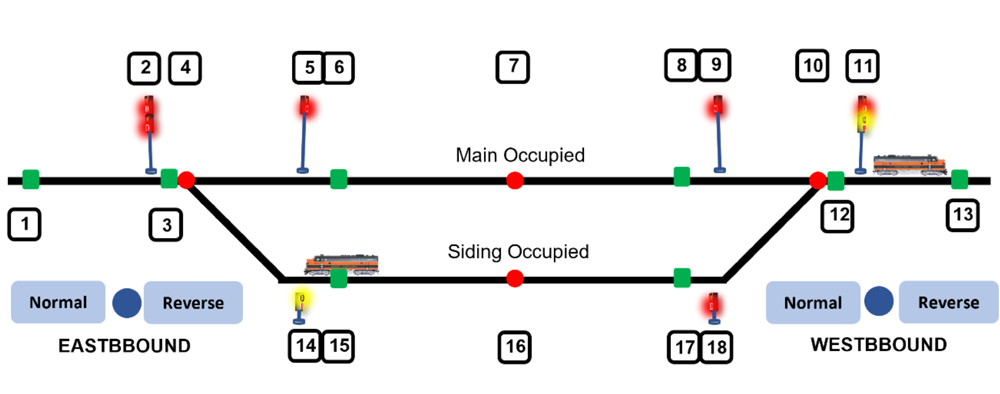
A railroad dispatch schematic with a train passing another on a siding

The following project is an update of Gary D. Patterson’s “Simplified CTC signals” in the July 1988 issue of MR. Bringing the project up to date was a large endeavour. The block control project now incorporates “all” solid-state components controlled by an Arduino microcontroller. I refer to this updated article as “CTC Signals 2.0.” The […]

Read More…

The best snacks to eat during operating sessions

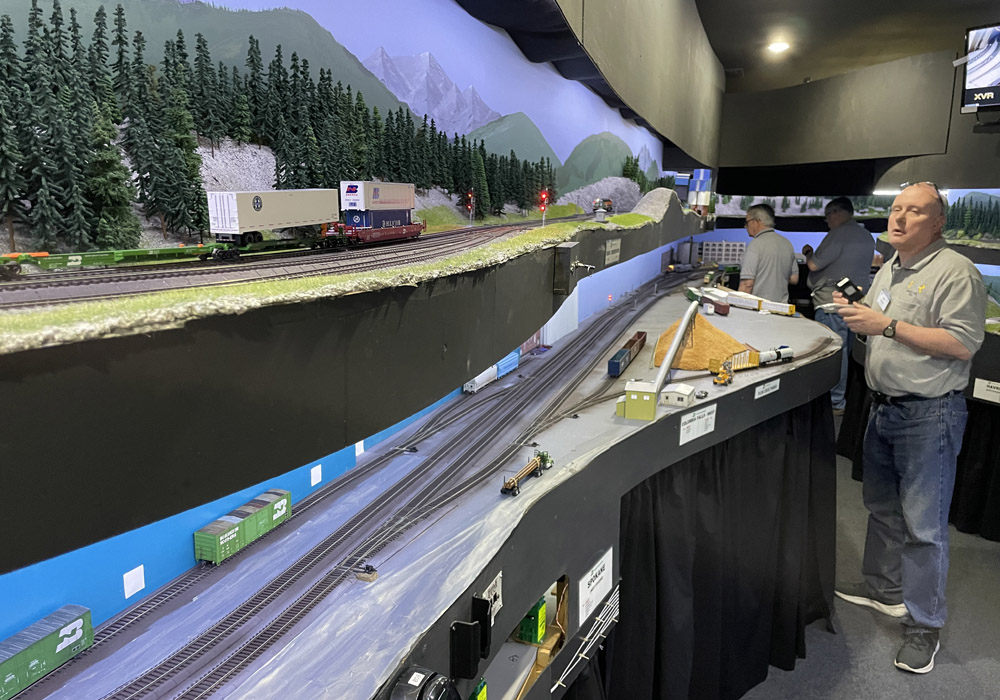
An operator in a gray shirt watches his locomotive on the upper deck of an HO scale train layout

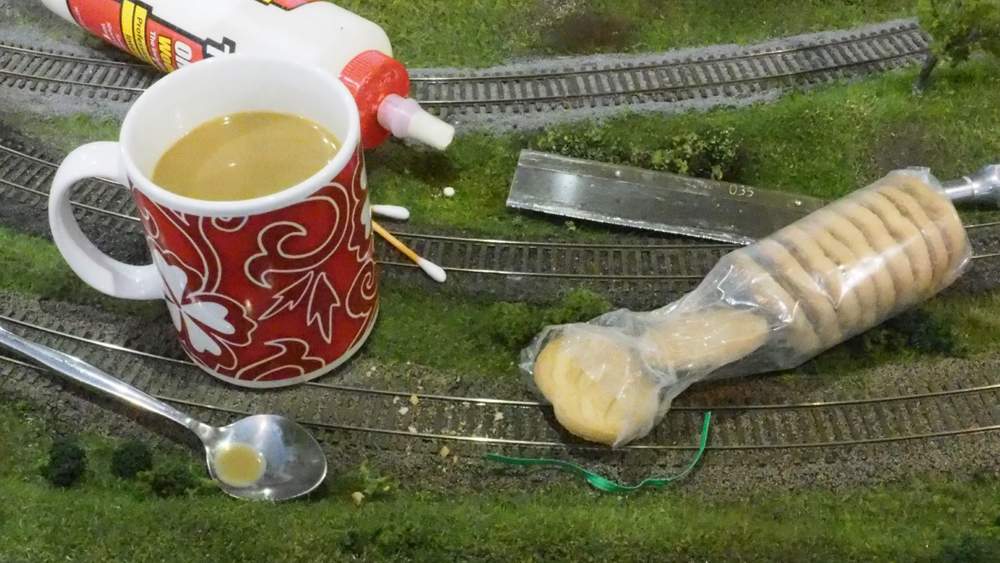
You’re hosting an operating session with a group of friends. What kind of snacks do you serve? Trains.com staff members chime in with their favorite items.  Trains Associate Editor Bob Lettenberger Good meat sticks from a local butcher shop. They are not too greasy and don’t make a mess when spilled. Honey BBQ is the […]

Read More…

Common methods for uncoupling cars

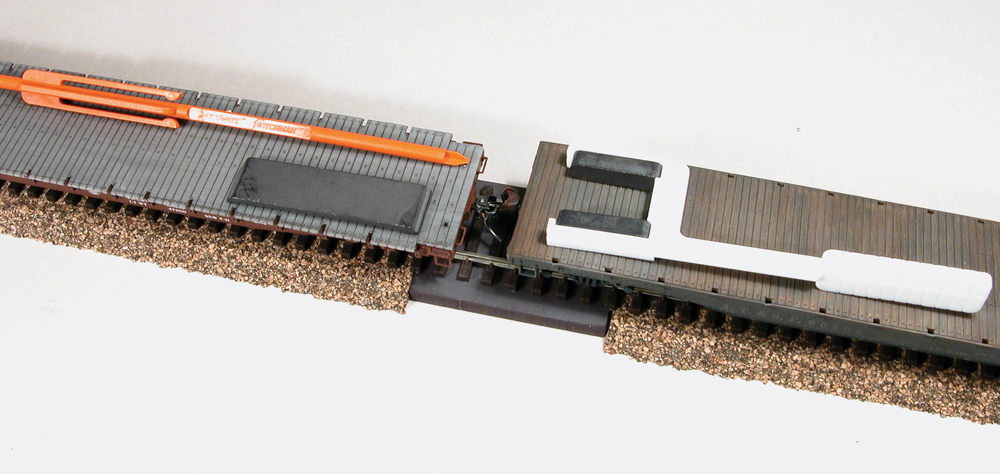
Photo showing two flatcars and assorted uncoupling items.

Automatic knuckle couplers have been a part of model railroading for more than 60 years. Not only do these couplers look more like what you see on full-size locomotives and freight cars, they’re easy to install and use. You can learn more about them in my articles on HO and N scale couplers on Trains.com. […]

Read More…

In Memoriam: Bill Neale

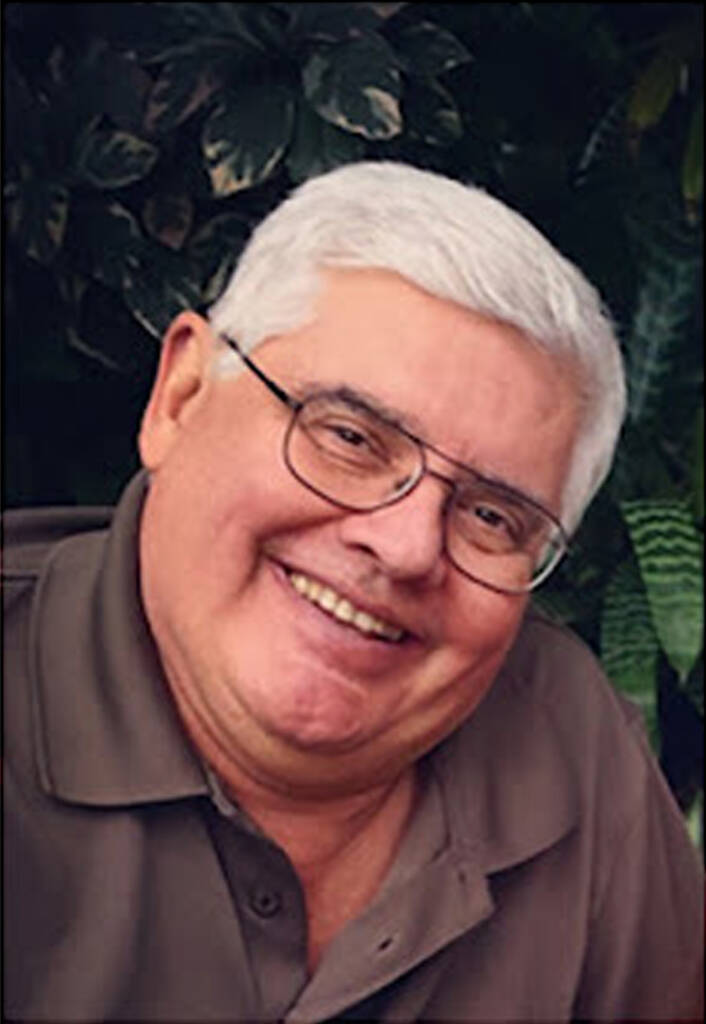
Bill Neale

A friend to many model railroaders and a leader in operations, track design, and the history of the Pennsylvania Railroad, Bill Neale passed away on December 28,2023 after a brief illness. He was 74. Bill started his model railroad career at an early age. He became a lifelong member of the National Model Railroad Association […]

Read More…

12 train sets for the holidays

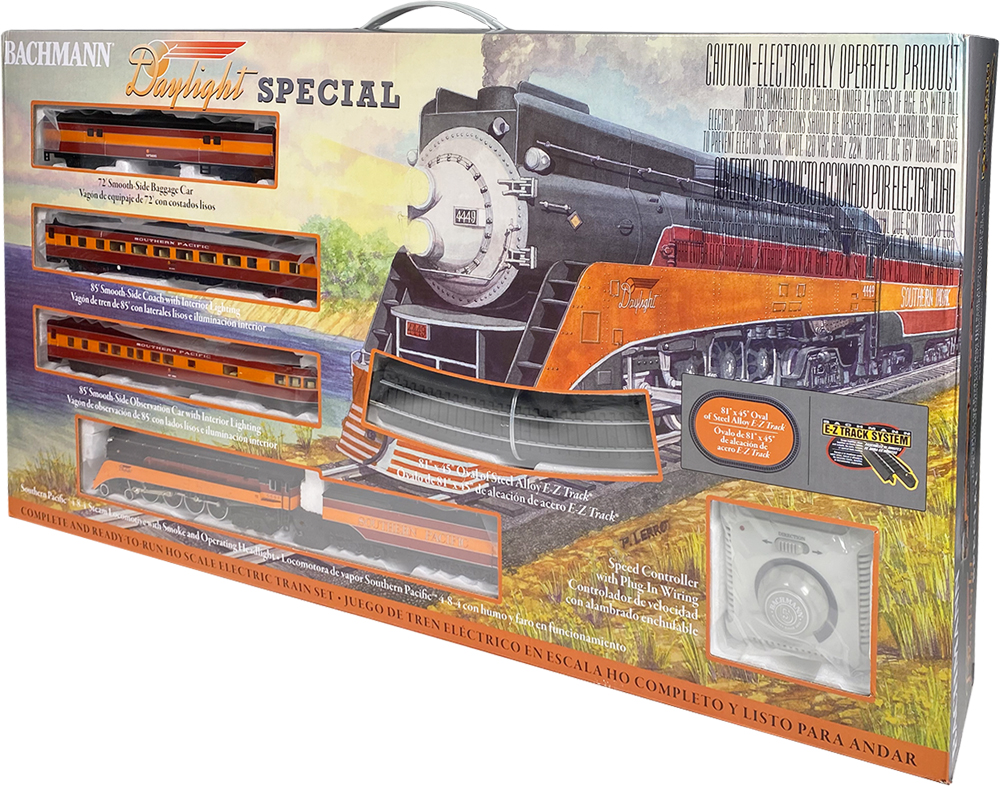
Color photo of HO scale train set box with painted box art and display windows for models.

If you’ve read Model Railroader magazine for any length of time, you’ve probably noticed the hobby journey for many of our authors started with a train set. For baby boomers, born between 1946 and 1964, the set was often produced by Lionel or American Flyer. Fast forward a generation or two, and those sets were […]

Read More…