
Contemplating the King: Bessemer & Lake Erie No. 643
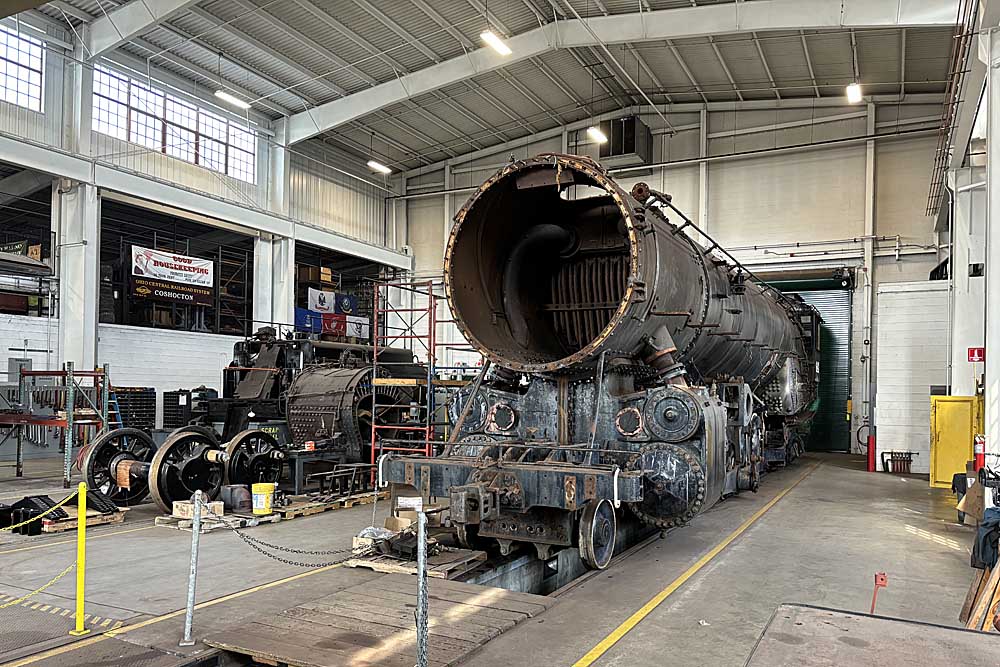
Disassembled steam locomotive inside shop building

If there’s one thing you could never accuse the late Jerry Joe Jacobson of, it was thinking small. At every turn in his remarkable career as a railroader and preservationist, he went big. Really big. When he got started in the shortline business 40 years ago, he began with a modest 35-mile former New York […]

Read More…

Five forgotten locomotives no one wanted

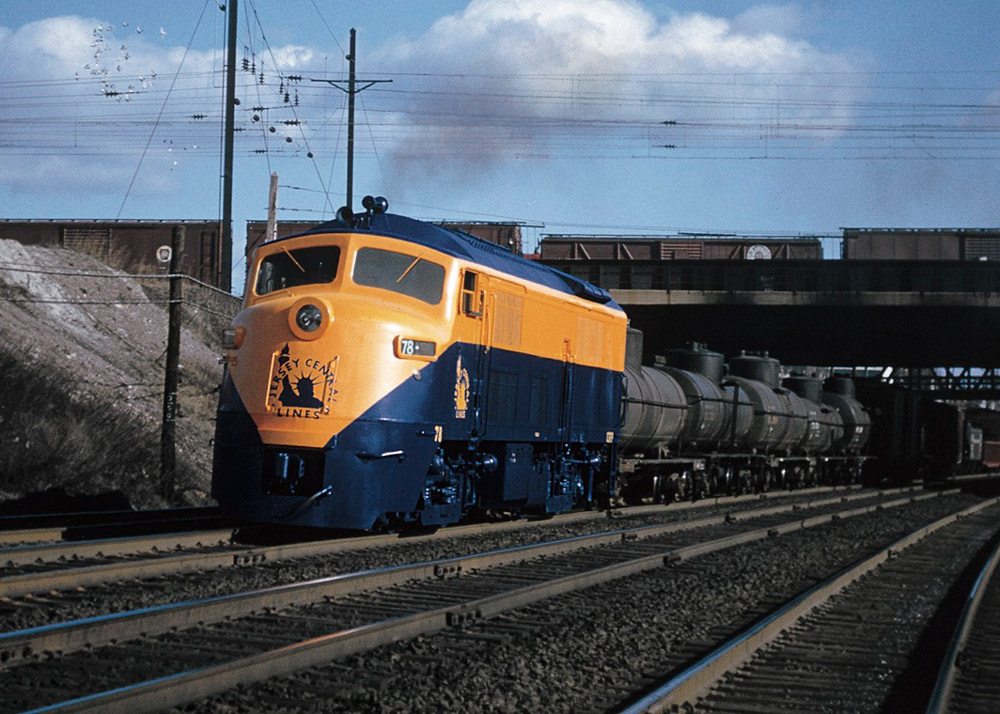
Orange and blue streamlined diesel locomotive with freight train under bridge

Five forgotten locomotives no one wanted: Producing a locomotive is a massive endeavor. From design to testing to production, each model is the summation of thousands of hours of labor from dedicated engineers, builders, and everyone in between. However, in spite of the scale of this undertaking, sometimes it just doesn’t work out. Maybe the […]

Read More…

Amtrak GP7 diesel locomotives

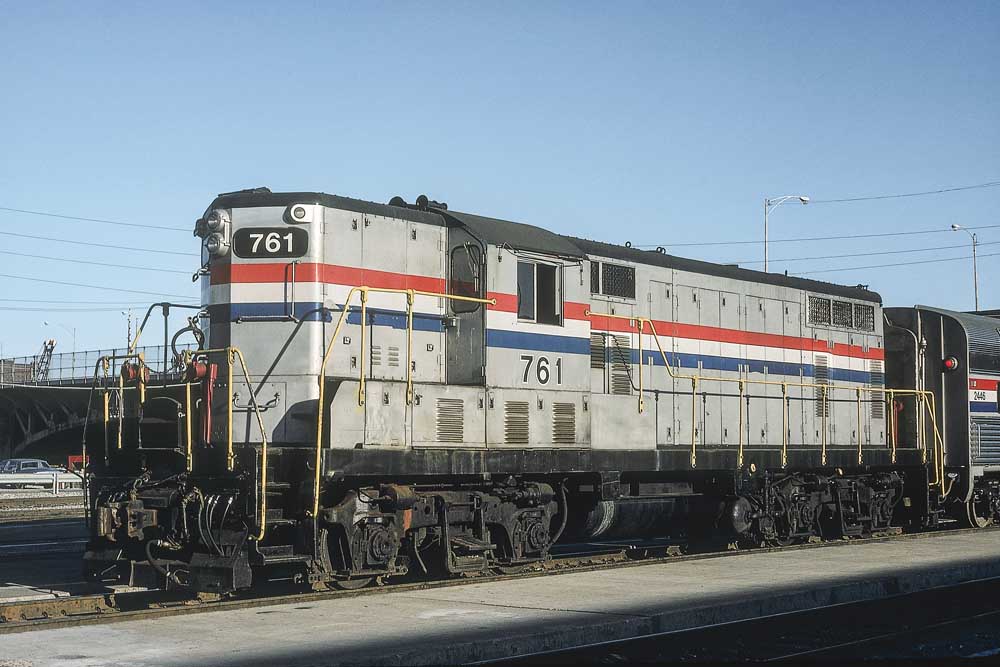
Silver-and-black Amtrak GP7 diesel locomotives

Amtrak GP7 diesel locomotives served for decades in supporting roles for America’s passenger carrier throughout its network.     Electro-Motive Division produced the 1,500-hp, four-axle GP7 from 1946 through 1958, making a total of 2,729 units, including five cabless B units, for more than 40 railroads. By the time Amtrak needed more support motive power […]

Read More…

Diesel helpers often lend a hand on mainline steam excursions

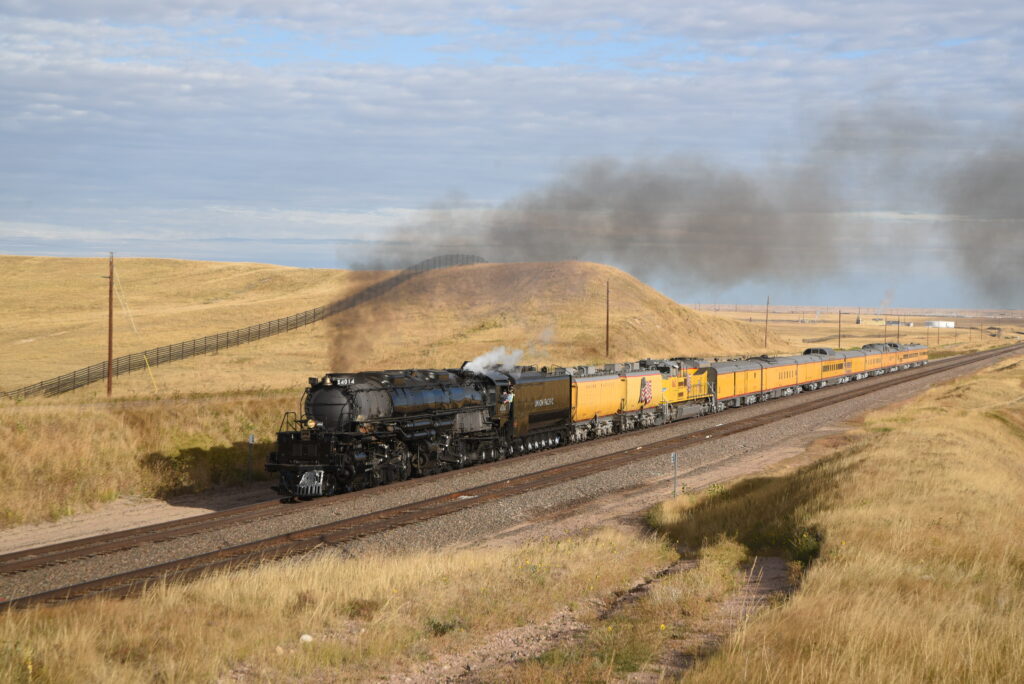
A Big Boy locomotive leads a yellow passenger train through the Great Plains.

“Diesel Helpers” are two buzzwords associated with today’s mainline steam excursions – from short lines to Class I railroads, and even selected tourist railroads off the national network. The use of one, or lack thereof, differs between railroads, organizations, and their operating preferences. Some are comfortable letting the steam locomotive travel solo. Others would prefer […]

Read More…

Amtrak’s F40M-2F locomotives: Where are they now?

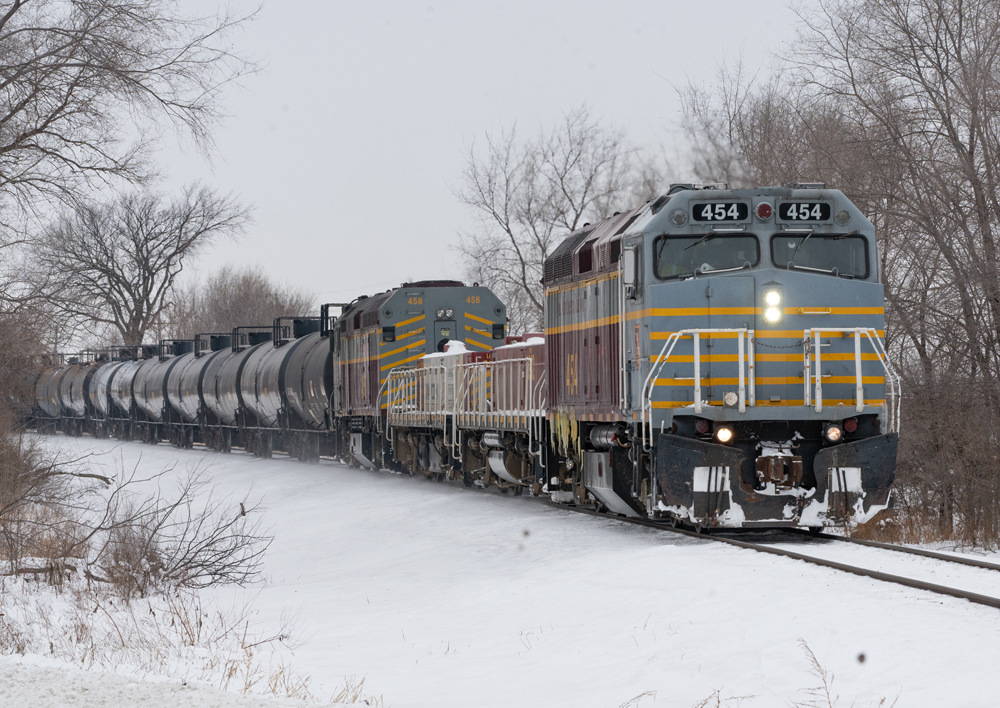
Two silver and yellow locomotives on track with snow

F40M-2F locomotives In the late 1990s, Amtrak converted a handful of its F40PH locomotives to locomotives suitable for freight service. At the time, new Genesis engines from General Electric were fast replacing its massive fleet of F40PHs in mainline service. Amtrak would produce 14 F40M-2F locomotive that featured a number of changes, including removal of […]

Read More…

Pere Marquette Berkshire steam locomotives

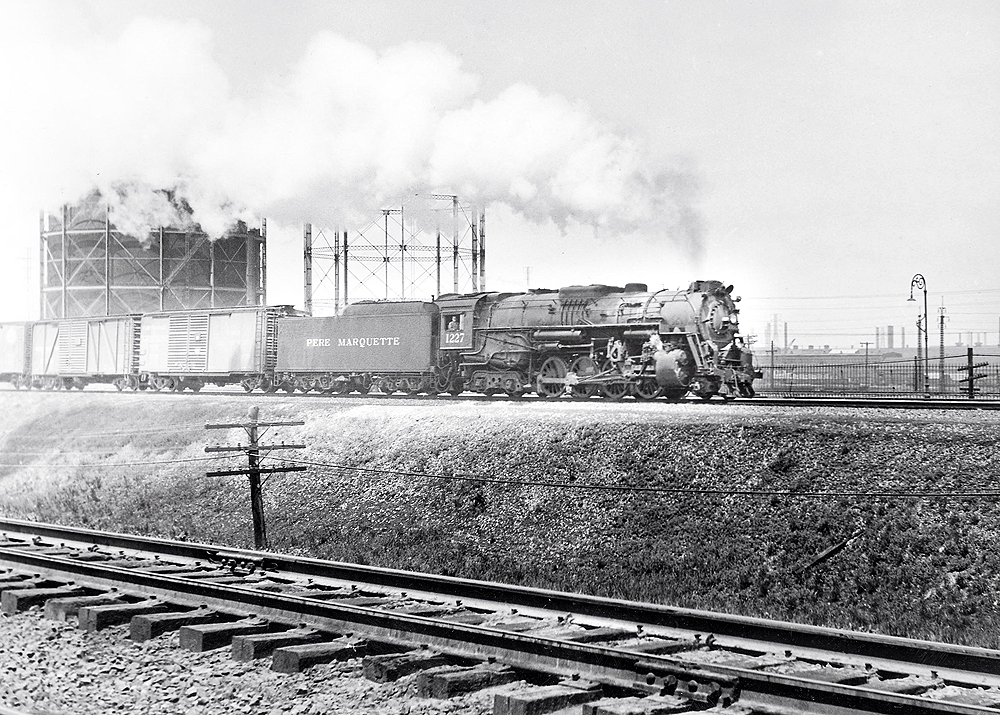
One of Pere Marquette Berkshire steam locomotives with freight train by gas holder

  By the late 1930s, the Pere Marquette Railway had made a big splash in motive power acquisition. And rightly so, as the tired and second-rate fleet of steam locomotives was not enough to pull the Michigan railroad out of the hardship of the Great Depression. An order of 15 N-class 2-8-4s initially was rolled […]

Read More…

The evolution of EMD’s SD70-series locomotives

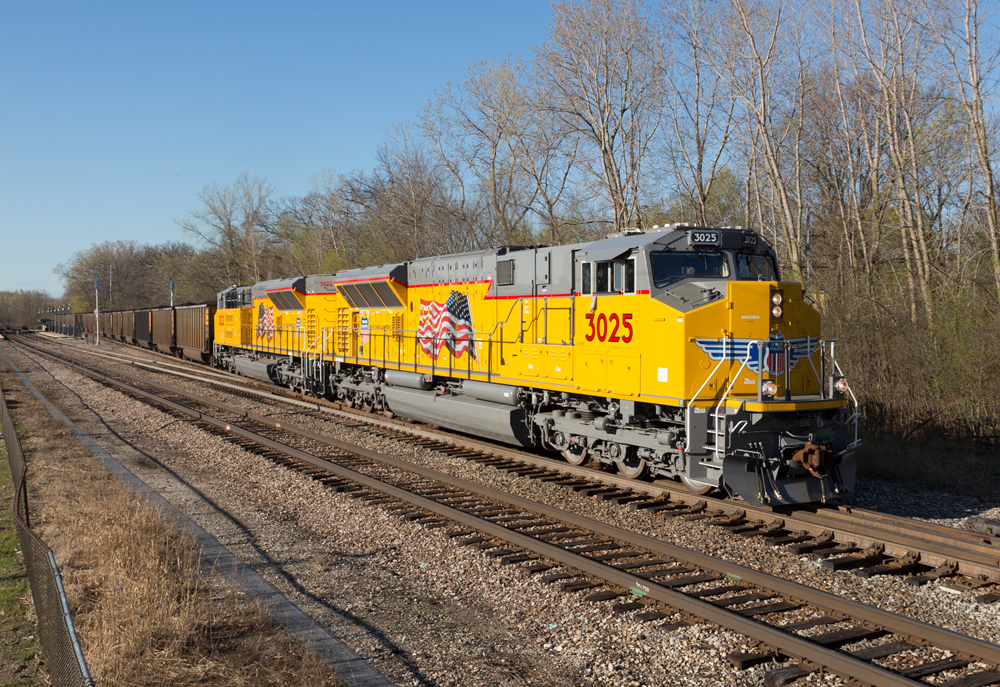
yellow and gray engine on track

SD70-series locomotives EMD’s SD70-series is the longest-running locomotive series in railroading, spanning over three decades. There have been nine domestic new-build models. There are also many more export and remanufactured models that use the “70-series” designation. First introduced in 1992 as the successor to EMD’s “60-series” locomotives, the “70-series” locomotives were the builder’s first to […]

Read More…

Six EMD locomotives no one wanted

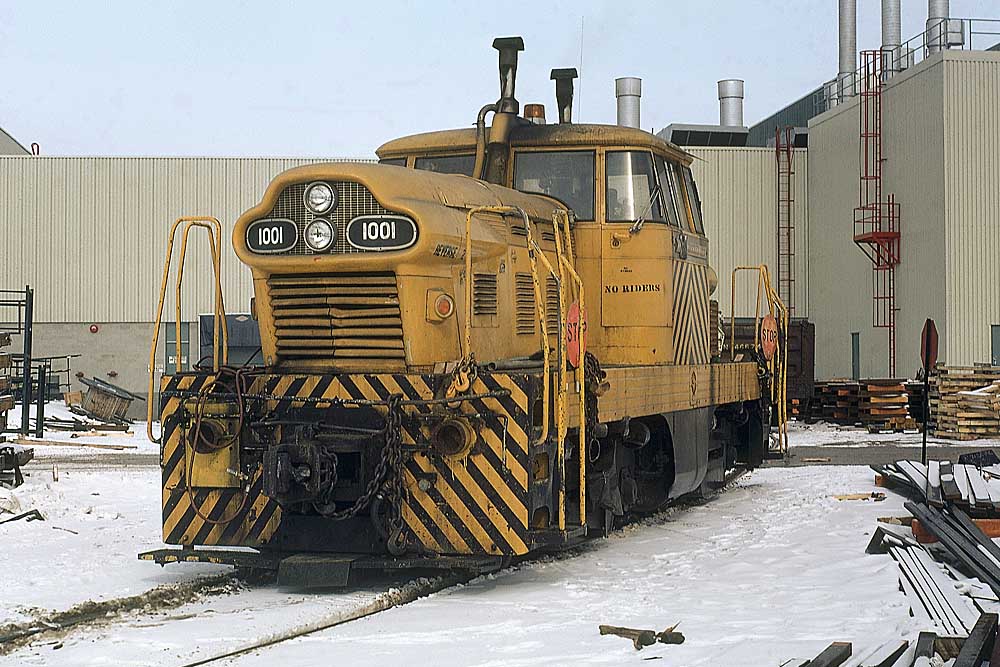
Yellow-and-black centercab GMDH1 diesel-hydraulic locomotives outside factory

EMD may be the most famous locomotive manufacturer in the history of railroading. Despite that success, there are models in the the EMD history books which arrived to little fanfare and few orders. The following are six notable examples of EMD locomotives that, for one reason or another, no one wanted. EMD Model 40 The […]

Read More…

The evolution of EMD’s GP60-series locomotives

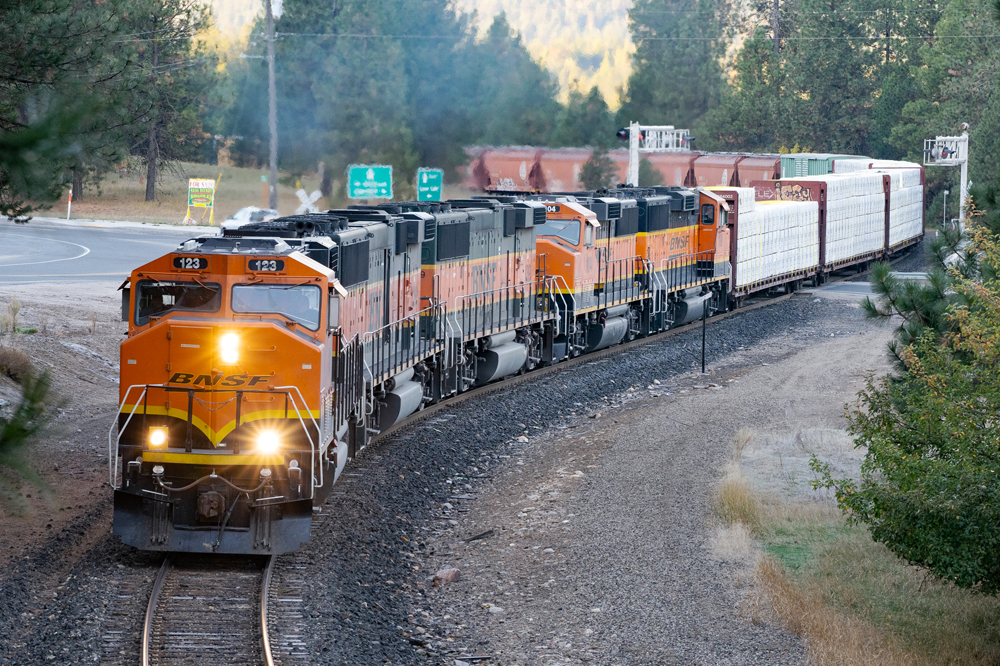
orange BNSF locomotive hauling heavy-tonnage trains

GP60-series locomotives EMDs GP60 model was the last of a series of four-axle locomotives built with ever-increasing horsepower, designed to lead a railroad’s priority trains. Short, fast intermodal trains were perfect for a GP60s 3,800 horsepower V-16 to send 950 horsepower to each axle. Unfortunately, the double stack era was underway, with longer heavier trains […]

Read More…