
Jon Balka’s American Flyer All Aboard S gauge layout
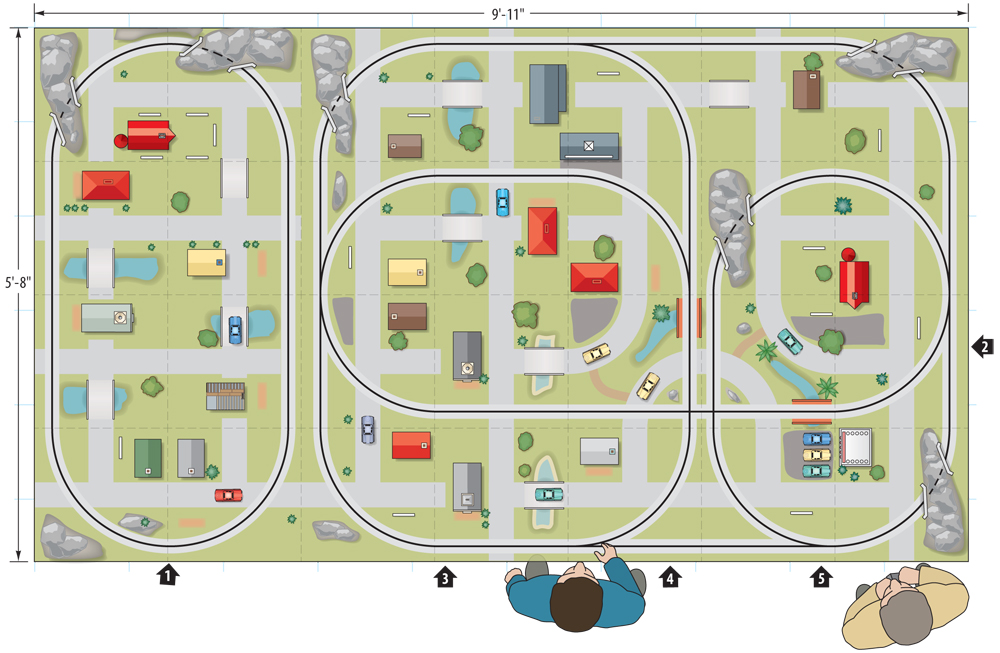
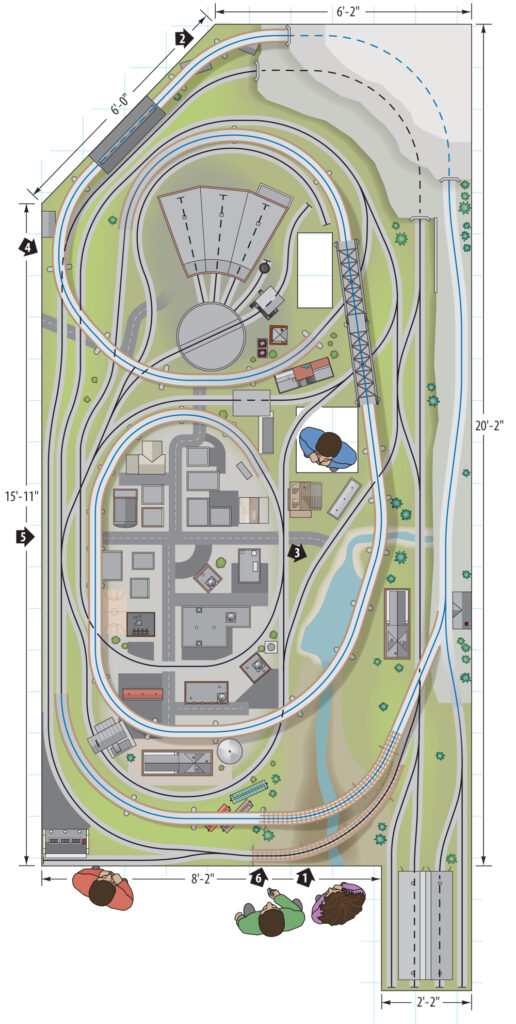
Overview of track plan

Facts & Features Name: Jon Balka’s S gauge layout Dimensions: 5 1/2 x 10 feet Track and switches: American Flyer All*Aboard panels Motive power: Gilbert American Flyer Rolling stock: Gilbert American Flyer Controls: Gilbert American Flyer nos. 8B and 22004 transformers Structures: Gilbert American Flyer, Littletown, Marx, Plasticville Vehicles: Marx, Renwal Figures: Marx Click here […]

Read More…

Gefken family O gauge layout

Overview of track plan

Facts & Features Name: Gefken family’s O gauge layout Dimensions: 10 x 20 feet Track and switches: Lionel (diameters range from 48 to 72 inches) Motive power: Lionel Rolling stock: K-Line, Lionel, Williams by Bachmann Controls: Lionel CW-80 transformer (3), with Lionel Legacy command control Accessories: Atlas O, K-Line, Lionel Structures: Ameri-Towne, Atlas O, JV […]

Read More…

N scale UPRR Geneva Subdivision

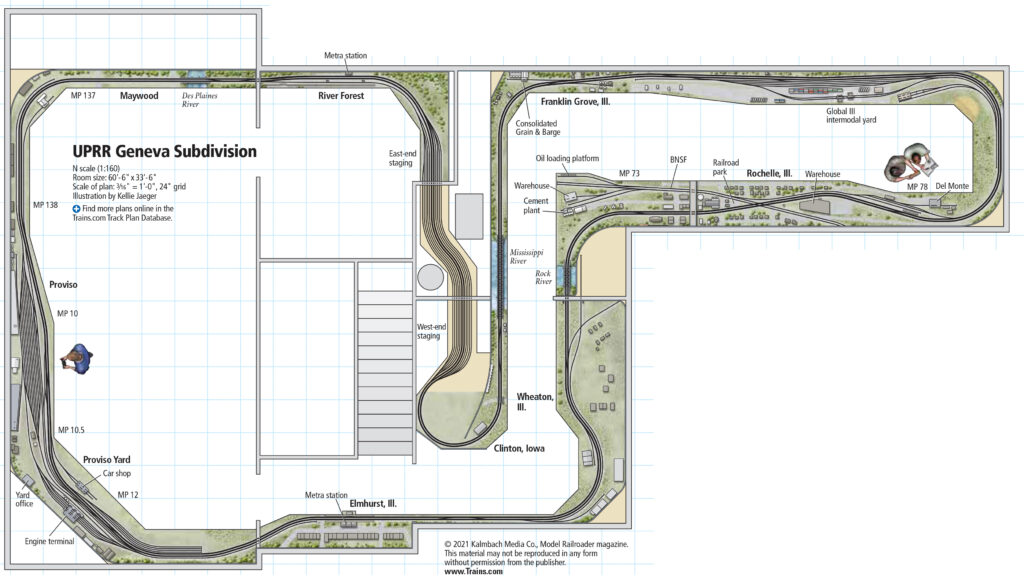
Overview of track plan

The layout at a glance Name: UPRR Geneva Subdivision Scale: N (1:160) Size: 60′-6″ x 33′-6″ Prototype: Union Pacific Locale: northern Illinois Era: 2014 Style: walkaround Mainline run: 250 feet Minimum radius: 36″ Turnouts: no. 10 (main), no. 8 (secondary and yards) Maximum grade: 0.5 percent Benchwork: open grid Height: 55″ Roadbed: 3⁄16″ cork (main), […]

Read More…

How to make roads stick on your model train layout

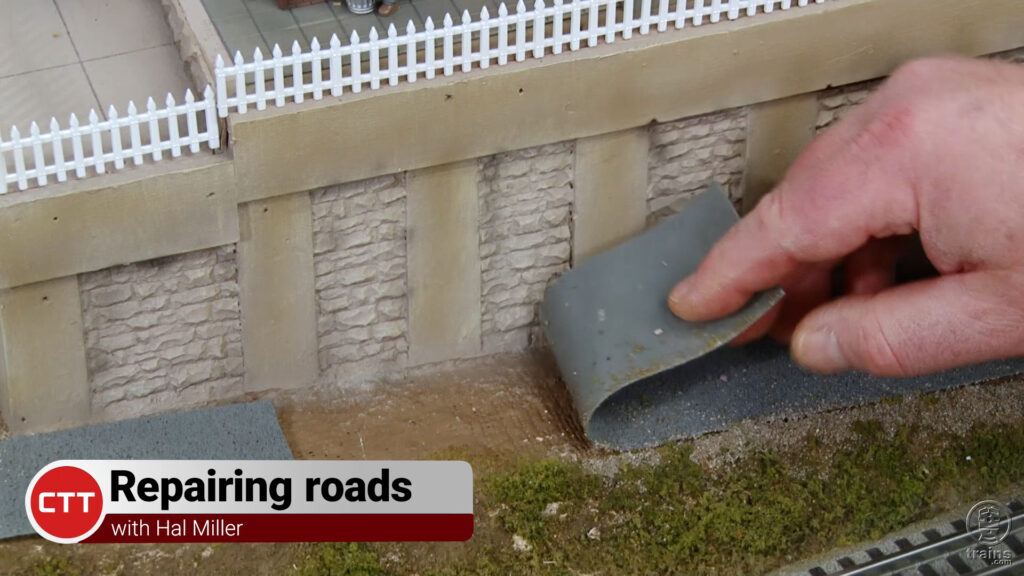
Hand gluing a model road on a layout

Hal Miller repairs peeling roadway material on the City Transfer & Terminal, an O gauge layout showcased in Classic Toy Trains articles and videos throughout 2018. With the original adhesive backing now dry and no longer tacky, Hal shows how silicone caulk can be used to affix the roads to the layout for good. […]

Read More…

Cody’s Trackside Finds

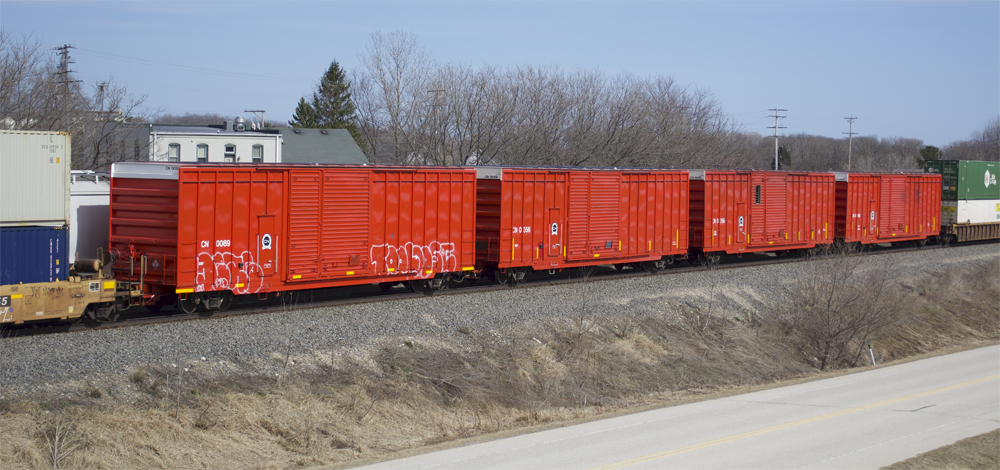
Four red CN high-cube distributed braking cars in the middle of an intermodal train.

Welcome to Cody’s Trackside Finds, a new series on Trains.com, where we’ll look at interesting locomotives, freight cars, structures, or details that I’ve come across while railfanning. In these entries, I’ll provide some background information on the subject, give you some modeling tips, and most importantly, encourage comments from the Trains.com community. Do you have […]

Read More…

Create a soybean field for your garden railroad

A garden railroad scene with a model soybean field.

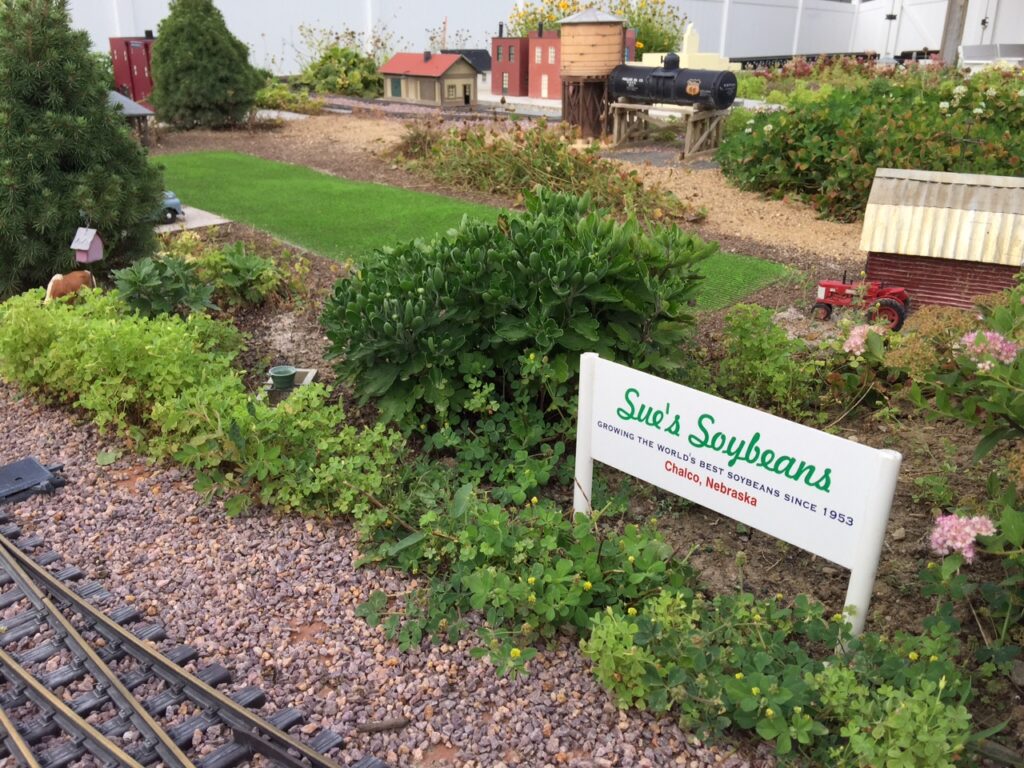
Always looking for new ways to make the farm scene on my garden railroad layout look more realistic, I decided to add a field of crops. With my limited knowledge of gardening, creating long rows of perfectly aligned tiny plants just wasn’t possible. I pondered several ideas but discovered the best one as I strolled […]

Read More…

Secrets of staging

View of Frankfort, Ind., yard on Tony Koester’s HO scale Nickel Plate Road layout.

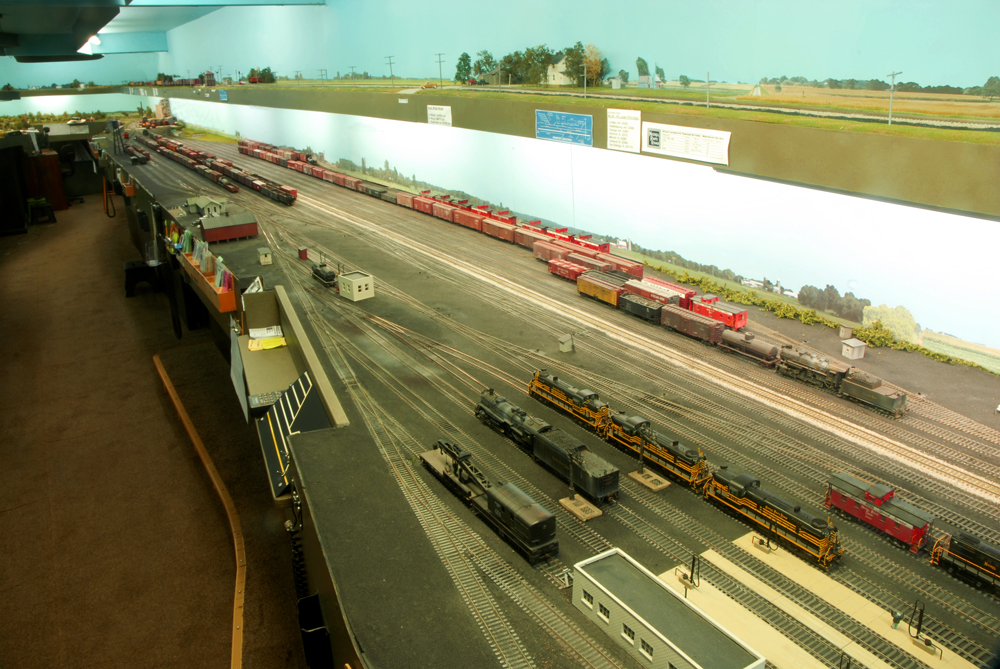
Why do you stage a model train layout? Let’s be clear about the need for staging. Unless you’re modeling a very small railroad or perhaps a branch line, you’re faced with the need to simulate the connections that the part of the railroad you’ve opted to model makes with the rest of that same railroad […]

Read More…

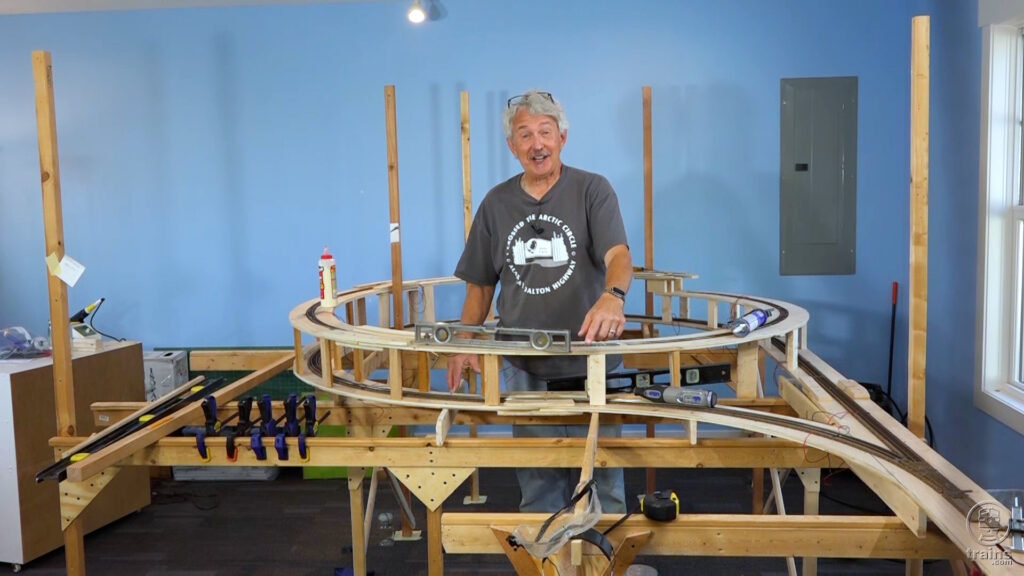
Back on Track: Building benchwork and beginning stage of a helix, Episode 5

Even with a little help from a friend, host Gerry Leone still struggles with benchwork construction. But after setting joists straight and level, he jumps right into raising the grade along the helix. Discover a few new track tips and tricks along the way. […]

Read More…

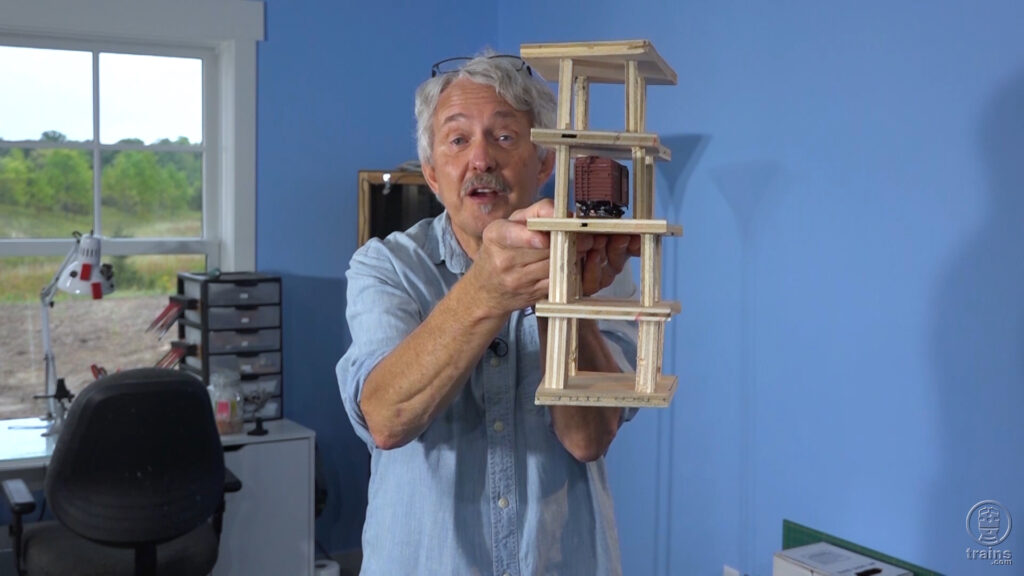
Back on Track: Helix construction prep work, Episode 4

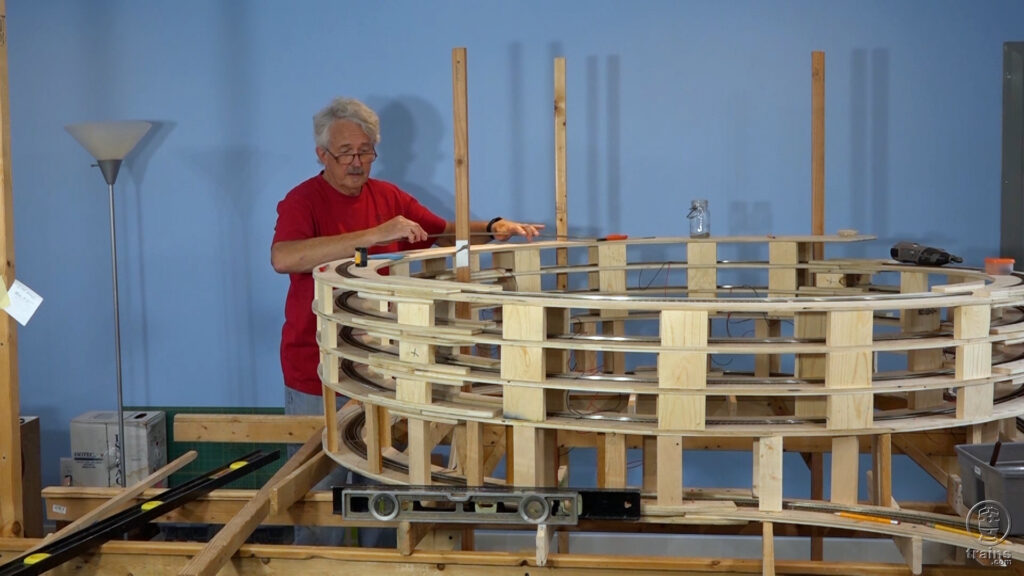
With design issues behind him, Gerry begins building the components of a four-turn helix. Even though math is involved in this stage, our host is up to the task. And he’s clever enough to use and share a number of helpful resources that make the process easy to understand and follow. […]

Read More…

DCC Currents: Controlling your Walthers turntable with DCC

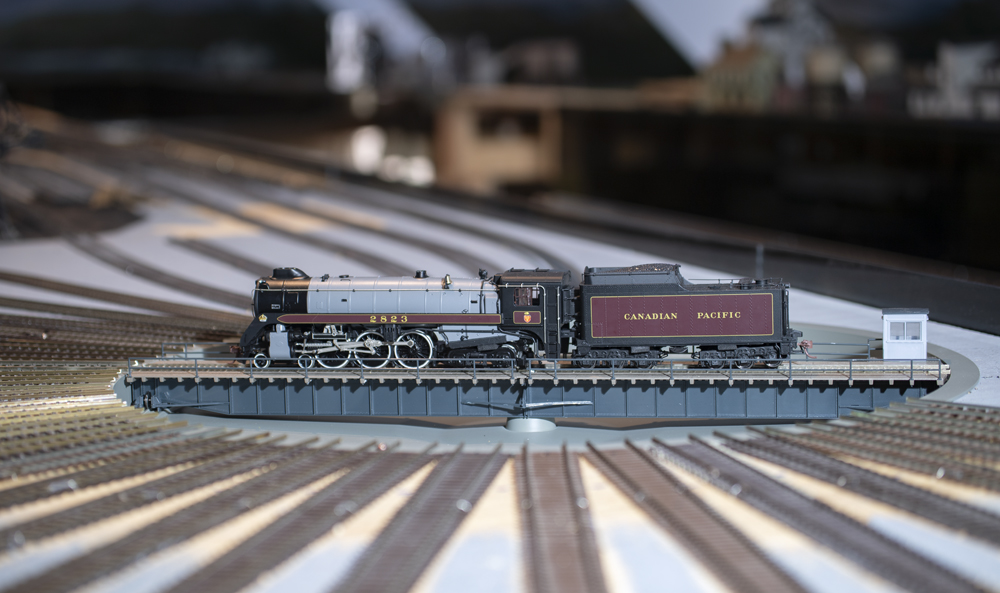
Canadian Pacific maroon and gray Royal Hudson sits on Walthers turntable in field of track

By Allan Gartner The Advanced Control Module from Walthers will work with DCC systems capable of controlling accessories, such as turnouts. Your system will need at least one throttle that you can set thrown/closed, on/off, 1/2, or whatever your system calls it, as needed. Systems where the throttle only allows you to toggle from the […]

Read More…