
Tips for Body-mounted couplers on auto racks
MRRNS1117_01

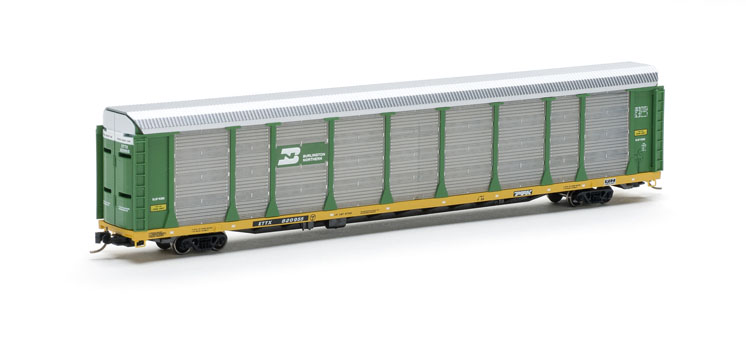
Tips for Body-mounted couplers on auto racks: When N scale got its start in Europe in the 1960s, its originators conceived it in the tradition of toy trains, with truck-mounted couplers that could negotiate sharp-radius curves. Some N-scalers began switching to body-mounts after Kadee introduced its N scale knuckle coupler in the early 1960s. (Kadee […]

Read More…

Why horseshoe curves work better in N scale

MRRNS0517_01

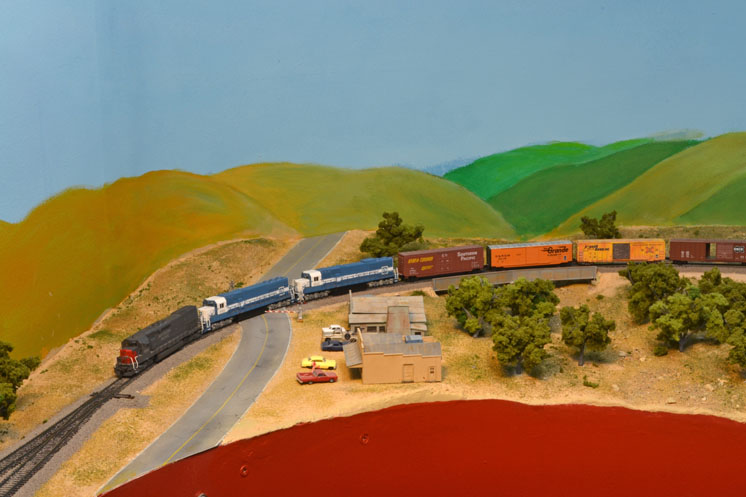
Why horseshoe curves work better in N scale: Caliente, Calif., is a little town on the Union Pacific between Bakersfield and Tehachapi. Fans of the railroad’s Tehachapi Pass know Caliente for its horseshoe curve; the rest of the world likely has never heard of it. If you’re modeling Tehachapi Pass, as I am, Caliente will […]

Read More…

Easier access to sneak track

MRRNS0317_00

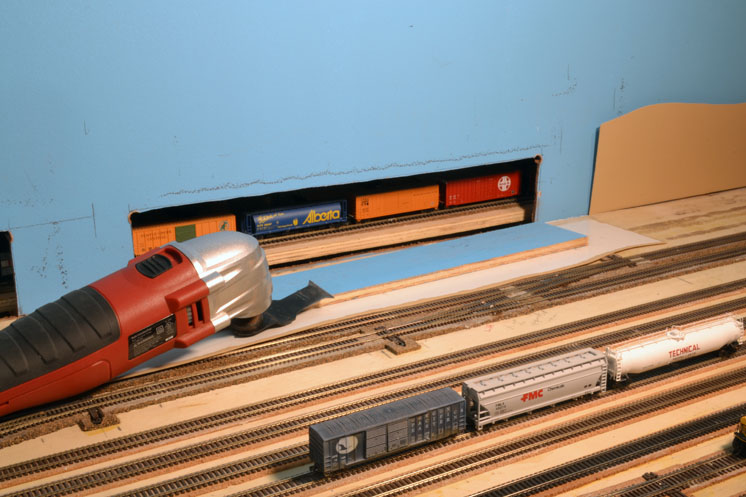
Easier access to sneak track: Like model railroaders in other scales, most of us N-scalers are natural-born cheaters when it comes to layout planning. We set our design parameters, but then we start compromising them. Hey, it won’t hurt if we make this one curve a little tighter, or this aisle just a few inches […]

Read More…

Resurrecting N scale engines

MRRNS0117_01

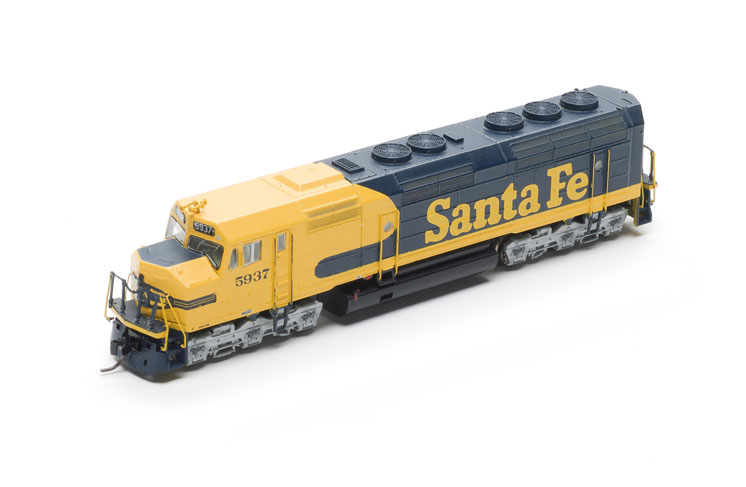
Resurrecting N scale engines: Several years ago I bought a couple Athearn N scale Electro-Motive Division (EMD) F45 locomotives that came with factory-installed Digital Command Control (DCC) sound decoders. I was thrilled. Only two railroads had ordered these big engines, and one was my beloved Santa Fe. (The other was Great Northern, also well-liked.) The […]

Read More…

Tips for N scale figures

MRRNS0716_01

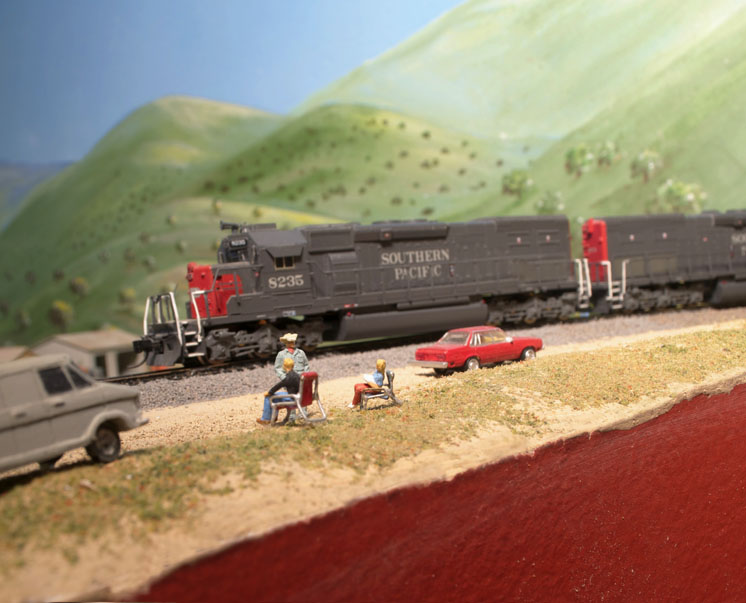
Tips for N scale figures: The biggest advantage of N scale is its small size. This advantage has been gaining importance ever since N scale first appeared in the late 1960s, and particularly since the 1990s, when N scale came of age. This is because since the 1960s, prototype locomotives and cars have been getting […]

Read More…

8 examples of freight locomotives in passenger service

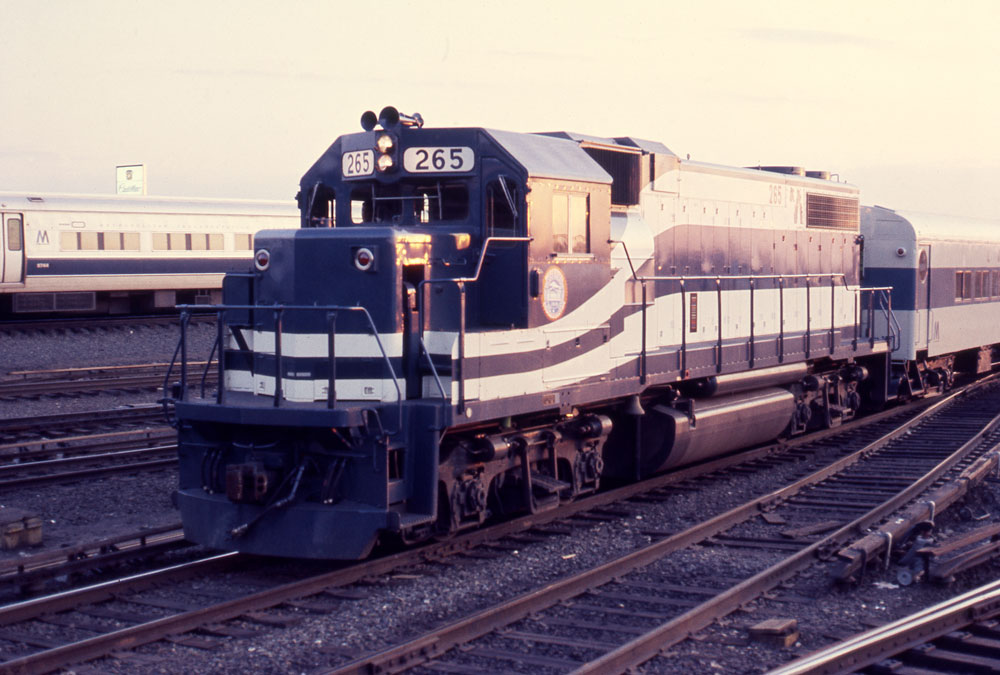
Blue-and-white freight locomotives in passenger service

Freight locomotives in passenger service were the exception to the rules. They required passenger cars that were self-contained, the use of separate head-end power generator cars, or some understanding passengers. However, they often offered the best value for the railroads using them who may not have wanted to invest scarce capital in dedicated passenger power […]

Read More…

A diesel locomotive that didn’t – the EMD GP39

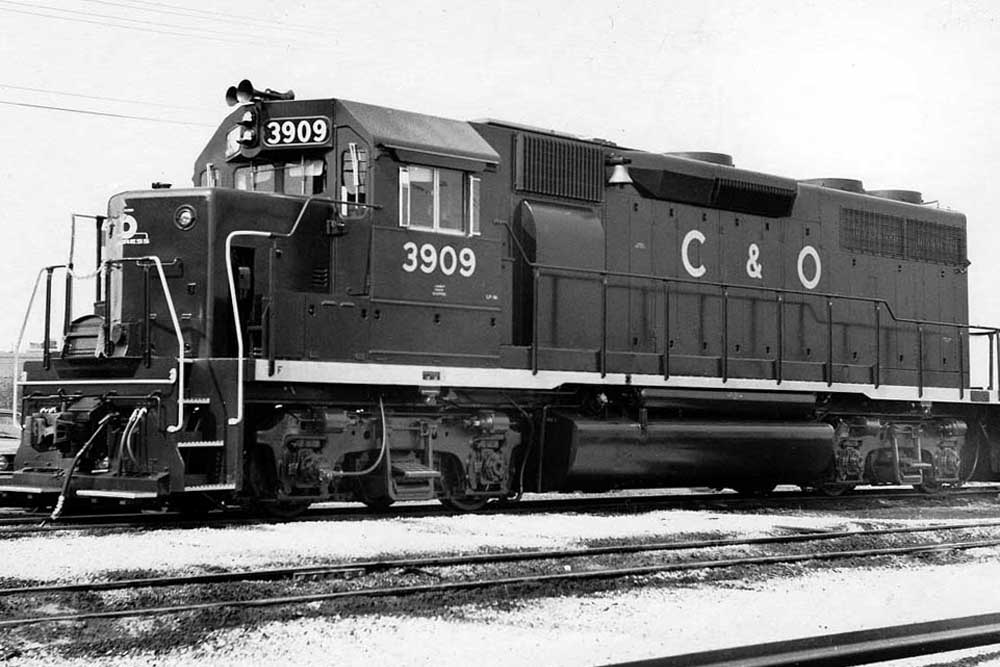
: EMD GP39 diesel locomotive in yard

The Electro-Motive Division GP39 diesel locomotive was a 12-cylinder, turbocharged unit without a market. EMD rarely missed when the company introduced a new model, but the announcement of the GP39 turned out to be a sales dud. The few buyers who did take the plunge and roster the locomotive found that, in the right assignment, […]

Read More…

Union Pacific’s General Electric U50C locomotives

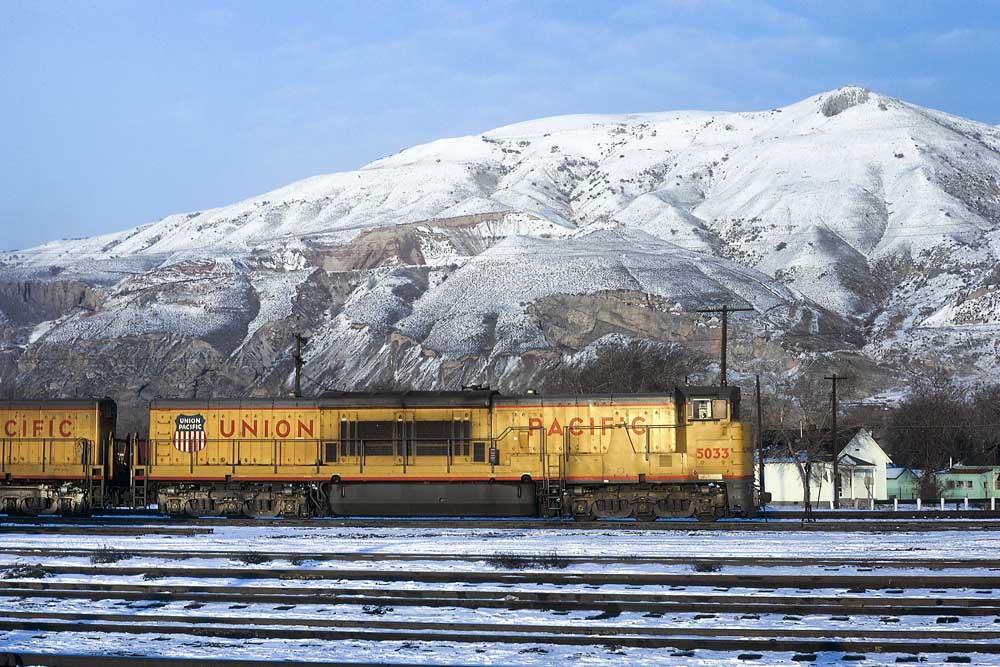
Yellow General Electric U50C locomotives in yard beneath mountain peaks

Union Pacific’s General Electric U50C locomotives were the last double-diesel model to join the roster, beginning in late 1969. They were, however, the least successful of the three production models the railroad acquired.     GE built 40 U50C locomotives for UP between September 1969 and January 1971. (Their production dates largely mirrored those of […]

Read More…

Algoma Central locomotives remembered

Gray-and-maroon diesel Algoma Central locomotives

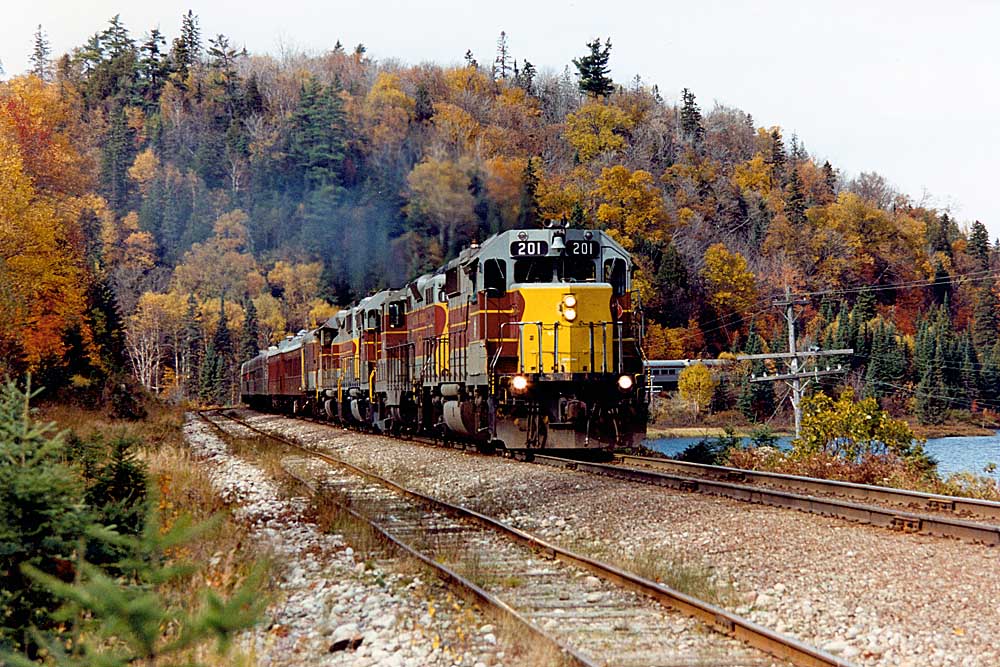
Algoma Central locomotives provided a bit of variety in northern Ontario railroading.     For a railroad its size, ACR owned a variety of steam power. The first engines were secondhand, including 11 acquired in 1899: four Lehigh Valley 4-6-0s and seven ex-Chicago, Burlington & Quincy 0-4-0s. ACR’s first new power, four Baldwin 2-8-0s, arrived […]

Read More…

Boston & Albany’s J2 Hudsons

Example of Boston & Albany’s J2 Hudson steam locomotive on a passenger train

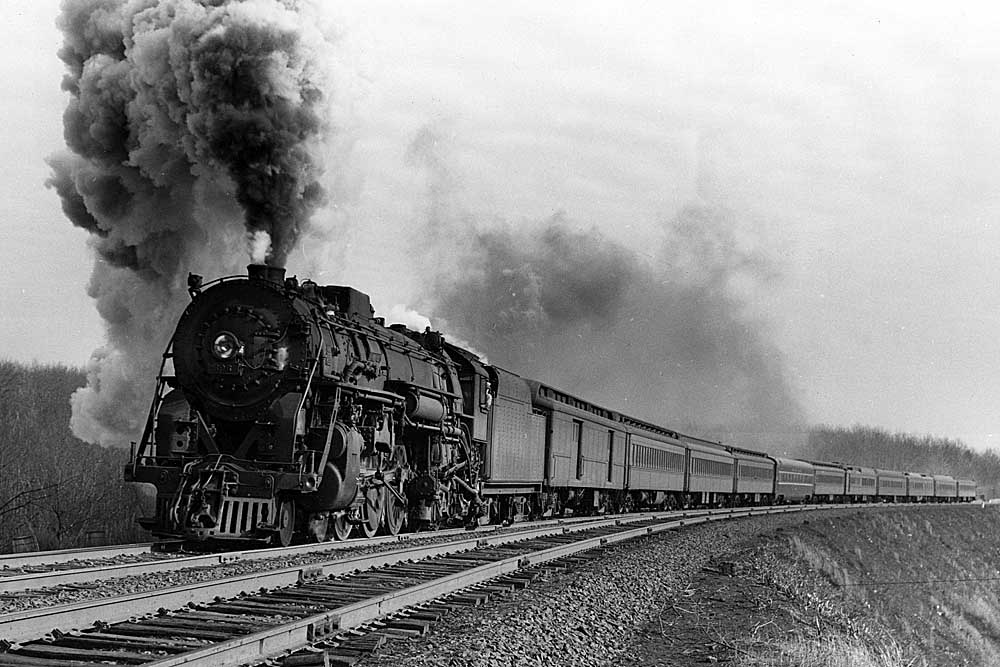
Boston & Albany’s J2 Hudsons provided subtle variety to the greater New York Central System.     From the moment the New York Central absorbed the Boston & Albany Railroad via lease in 1900, you can imagine the company’s executive team vowing to hang on to as much independence as possible. The B&A was a […]

Read More…

DCC decoder advice for N scalers

MRRNS0116_01

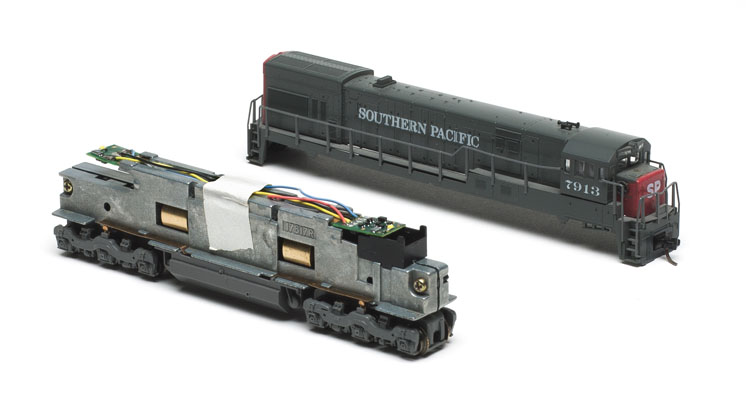
DCC decoder advice for N scalers: Any argument about powering a layout with Digital Command Control (DCC) ended for me many years ago. If you have more than one locomotive it’s the way to go, and the easiest way to get going is to purchase engines that come with the decoder already in there. This […]

Read More…