
A pain in the abutment

CNC409Wbridgeabutment

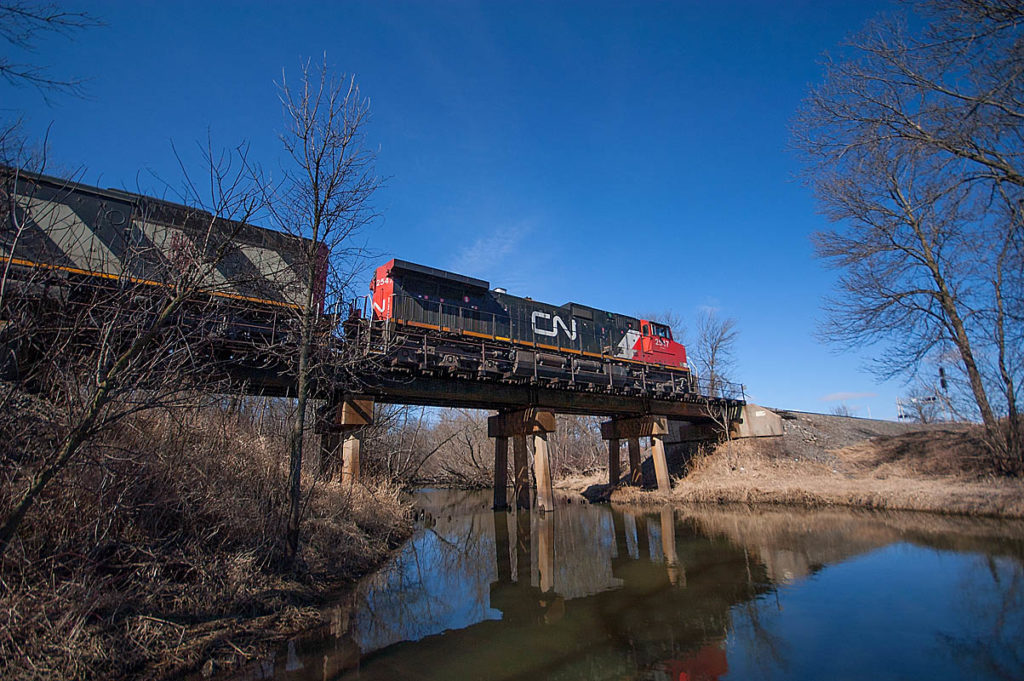
A Canadian National train heads north through Wisconsin over a bridge in 2015. Regardless of the location or railroad, bridges pose problems for track. Steve Sweeney Track can sag, bounce, and shift a bit, within reason. It flexes under the weight of heavy freight trains, but bridge ends don’t. And that’s a problem. When most […]

Read More…

All about air horns

CN3062ET44AC

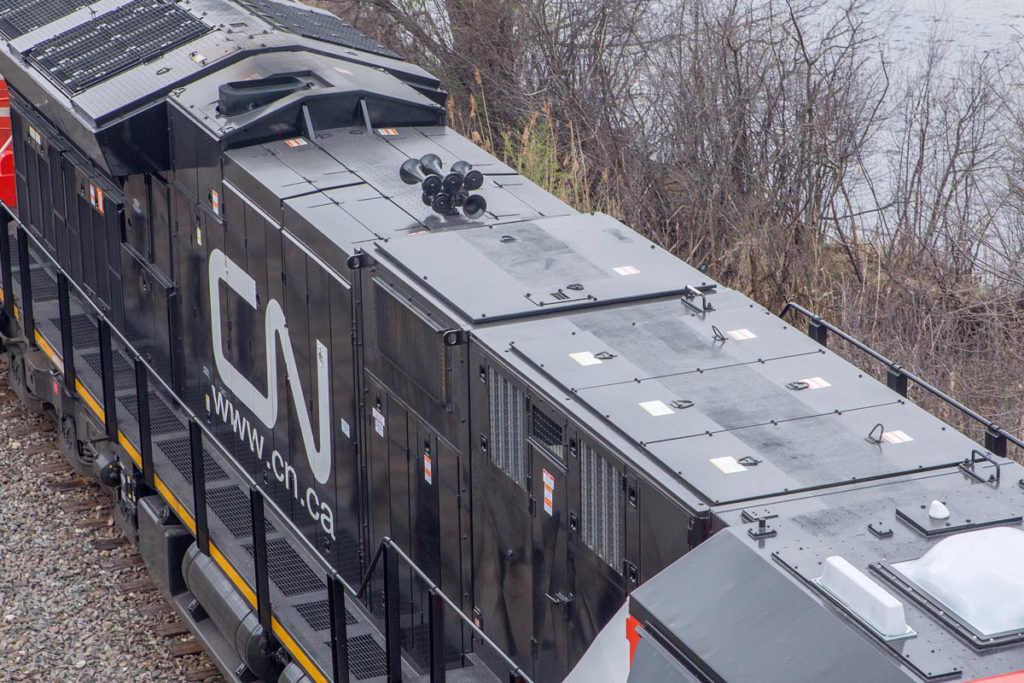
Horns are typically placed near the middle of the locomotive to minimize noise to the crew. New Canadian National ET44AC No. 3062 shows off its Nathan K5HLR2. Chris Guss A horn is one of the many safety appliances installed on a locomotive and is used to warn both the general public and railroad employees while […]

Read More…

American idle

Auxiliarypowerunit

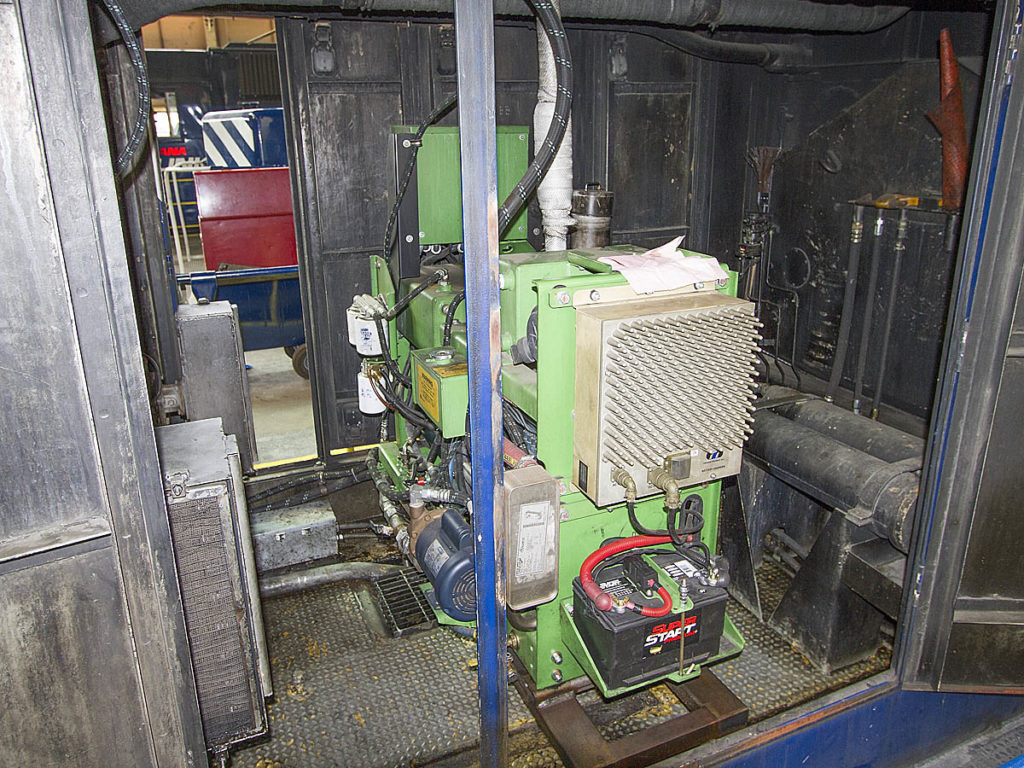
Auxiliary power units can be installed in a variety of locations, but are typically installed in the rear of the long hood, like this one on a Montana Rail Link locomotive. Tom Danneman Idling locomotives have been a regular part of the railroad industry since the switch from steam to diesel in the 1950s. Locomotives […]

Read More…

Inconveniently frozen truth

NSMNorthShoreMiningSD40651

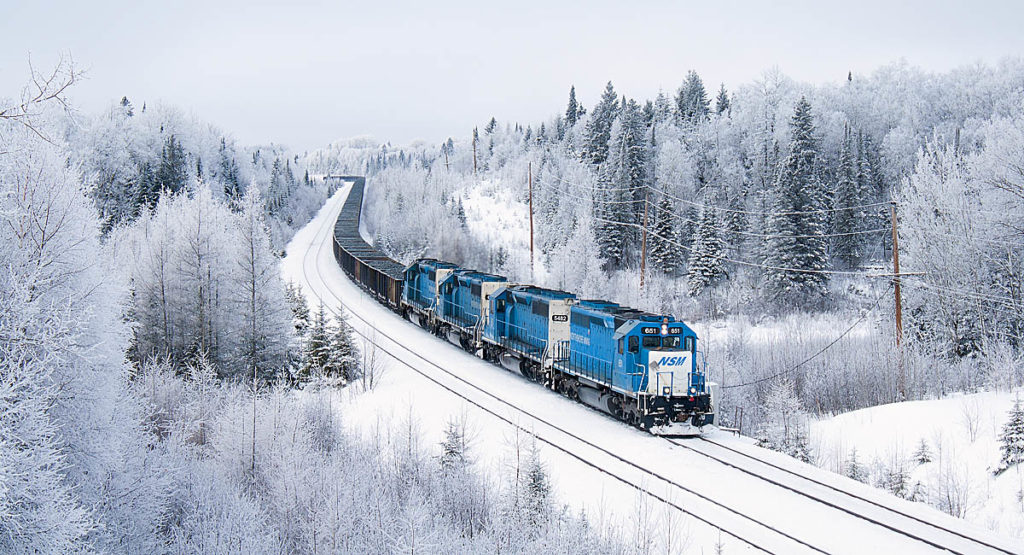
Northshore Mining SD40 No. 651 leads a quartet of locomotives and iron ore near Toimi, Minn., in December 2010. Cold temperatures that make metal contract and ice expand are just the start of problems in winter railroading. Max Medlin “People and metal do not like cold weather,” says Mike Smith, vice president of network operations […]

Read More…

Wayside detectors advancing fast

Defectdetector01

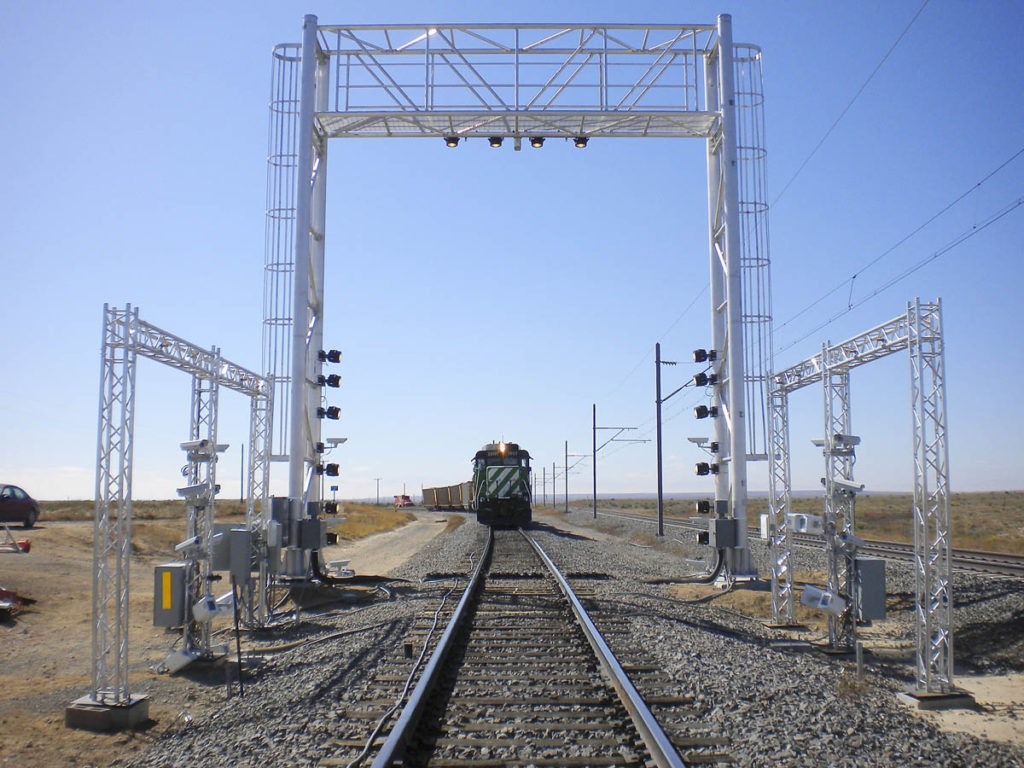
Beena Vision System’s TrainView inspects an entire freight train at speeds up to 60 mph at a testing facility in Pueblo, Colo. Beena Vision Systems Inc., Transportation Technology Center Inc. On BNSF Railway’s main line through Cajon Pass in California, poles and sensors pop up along the side of an S-curve. As a group, the […]

Read More…

Broken rails: an unexpected pain

TRNTC0814_01

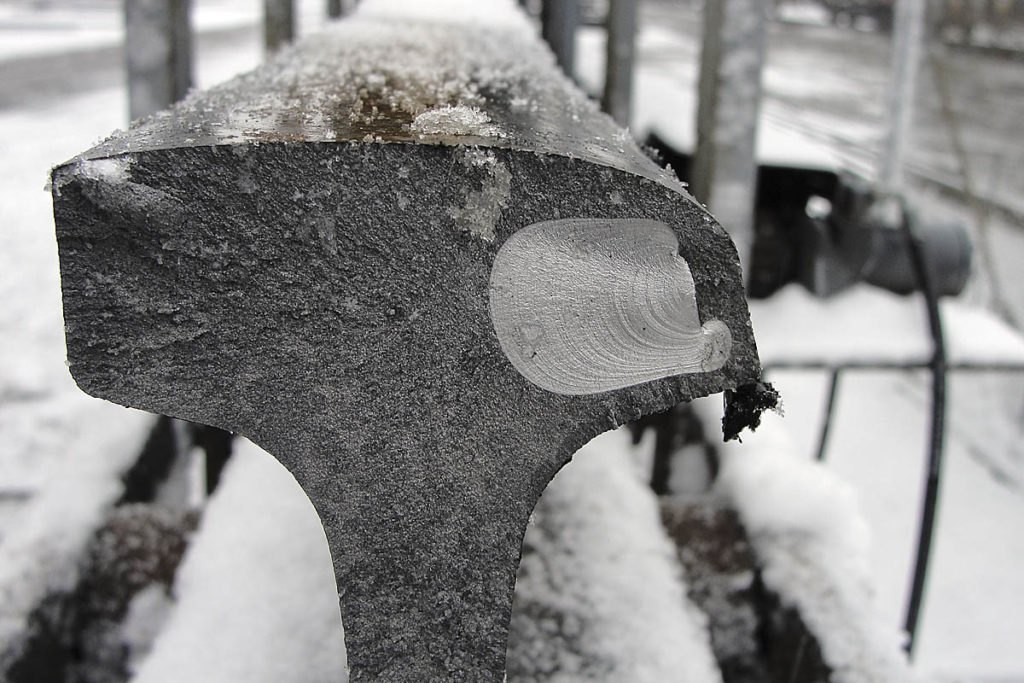
The manufacture and maintenance of rail is as old as railroading — and so are broken rails. Though today’s rail is much harder, stronger, and of higher quality than rail made even 40 years ago, railroads and metallurgists have just recently begun to understand why rails still are breaking. As railroads installed new rail in […]

Read More…

The fine science of friction control

TRNTC0612_01

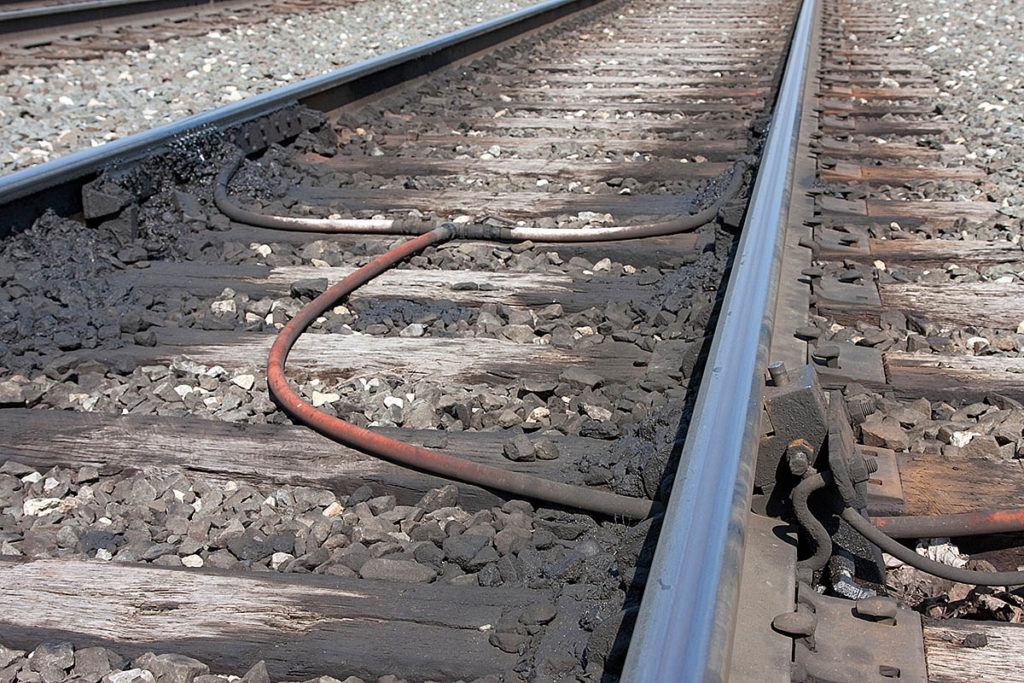
Hydraulic flange greasers are activated when a wheel rolls over an actuator, as shown on CSX’s Indianapolis Line Subdivision. Two photos, Eric Powell Forgive the pun, but it’s a slippery slope that railroads have to deal with, in terms of rail and flange lubrication. Too much or too little grease on the track can cause […]

Read More…

Calculated drawbar horsepower curves for 4-8-4s

1-Early 4-8-4 DBHP

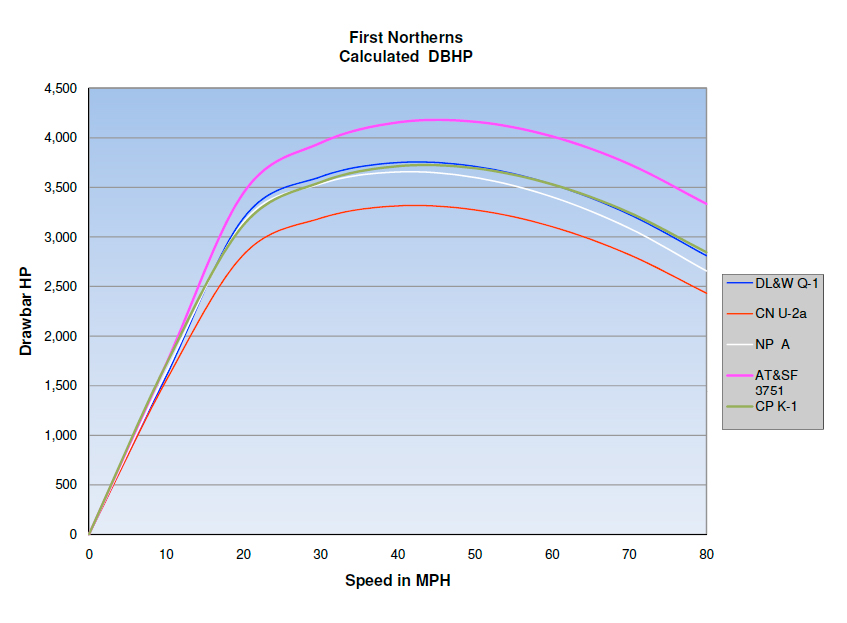
This graph shows the calculated drawbar horsepower curves for five classes in the first wave of 4-8-4s: Lackawanna Q-1, Canadian National U-2-a, Northern Pacific A, Santa Fe 3751, and Canadian Pacific K-1. Neil Carlson In the days of steam it was a normal practice to estimate the horsepower potential of a locomotive. Baldwin Locomotive Works […]

Read More…

Glossary of steam locomotive terms

CS1-L1111_31

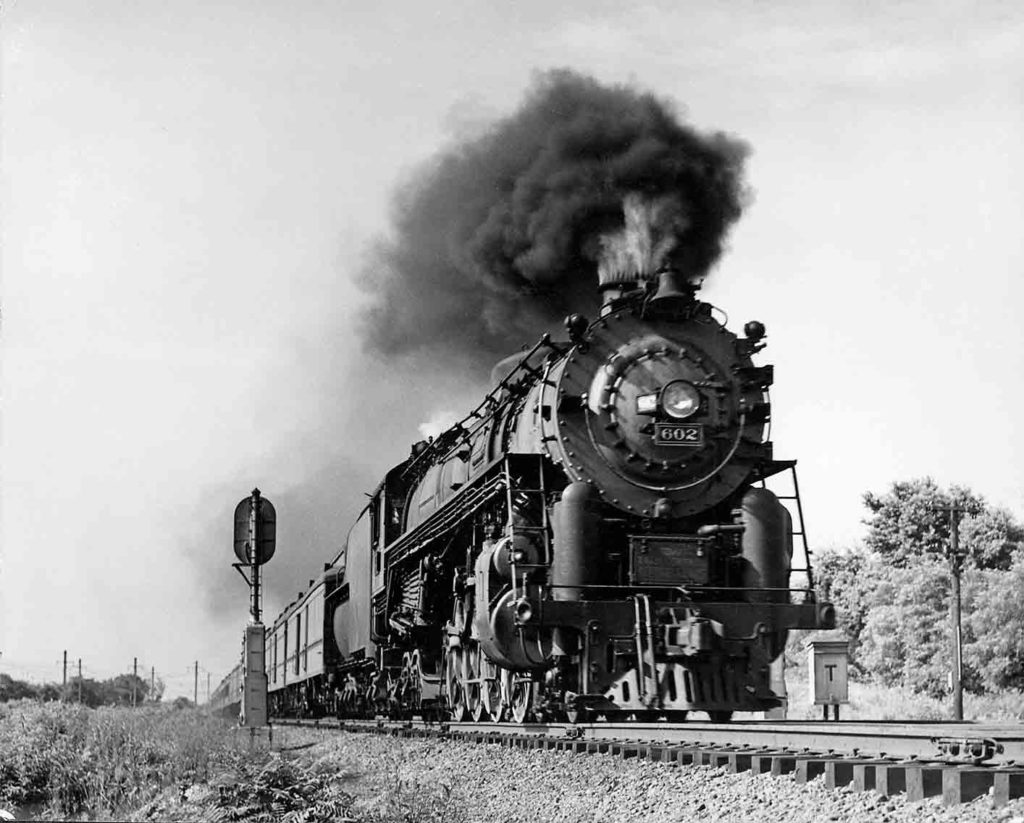
Richmond, Fredericksburg & Potomac 4-8-4 No. 602, named Governor Thomas Jefferson, rushes an 18-car passenger train toward Washington, D.C., near Four Mile Run, Va., in June 1940. C. W. Whitbeck Back pressure Back pressure is caused by the resistance of the exhaust steam exiting the cylinders. Overcoming this resistance represents negative work done by the […]

Read More…

Coal cars’ reporting marks exposed

Coal cars, reporting marks

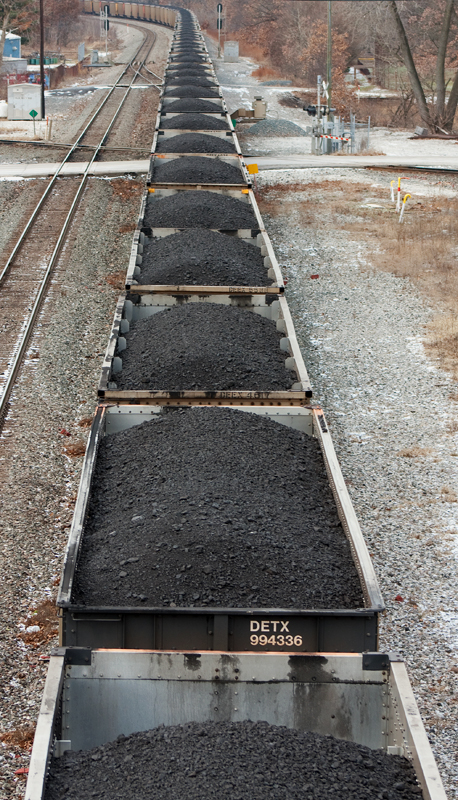
BNSF 9801 led this coal train through Willow Creek, Ind., on Jan. 1, 2009. DETX 994336 is one of 5,700 coal cars owned by Detroit Edison Co. Kathi Kube It’s easy enough to identify reporting marks for Class I railroads, as well as a multitude of short lines and regionals, but the reporting marks on […]

Read More…