
Garden Variety Railroad Show | Snow Week Special
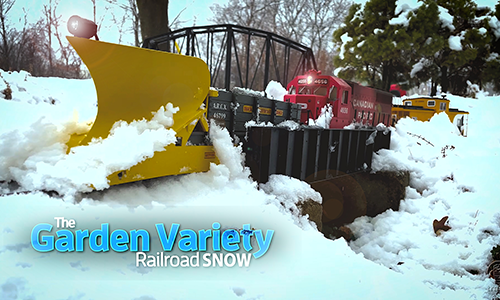
One of the most appealing aspects of garden railroading is the fact it can be enjoyed year-round in the great outdoors! And with the proper equipment at hand, large scale trains can even run in a moderate accumulation of fresh, crystalize precipitation. In this video, you’ll see the efforts a few resilient railway owners made […]

Read More…

Using cosmetic applicators for weathering

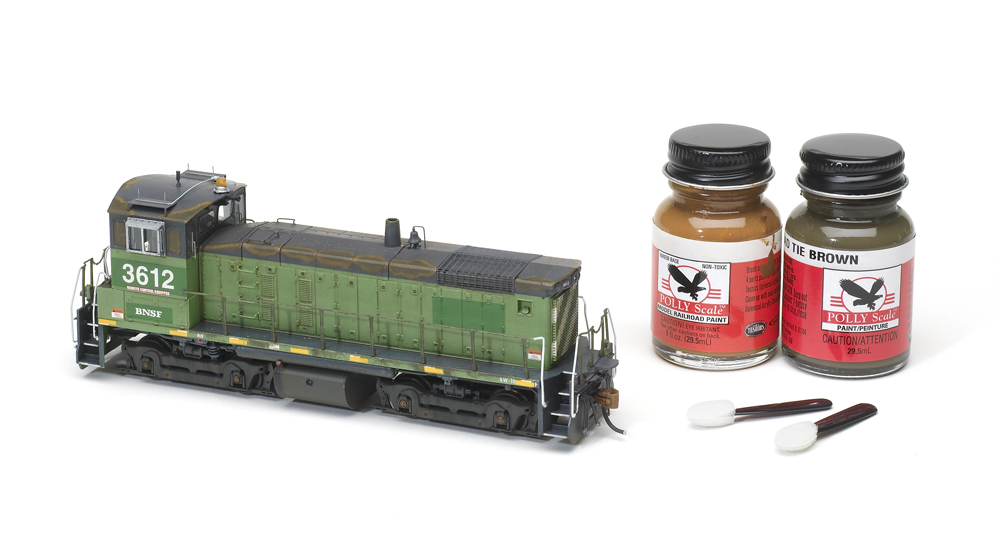
Using cosmetic applicators for weathering: An image of a model locomotive and paints.

Using cosmetic applicators for weathering: When I asked my wife if we could walk through the cosmetic department at the local drugstore, she gave me a puzzled look. However, this part of the store is home to some fantastic weathering tools, including foam-tipped cosmetic applicators. I used the applicators to simulate rust and paint wear […]

Read More…

Locomotive disassembly essentials

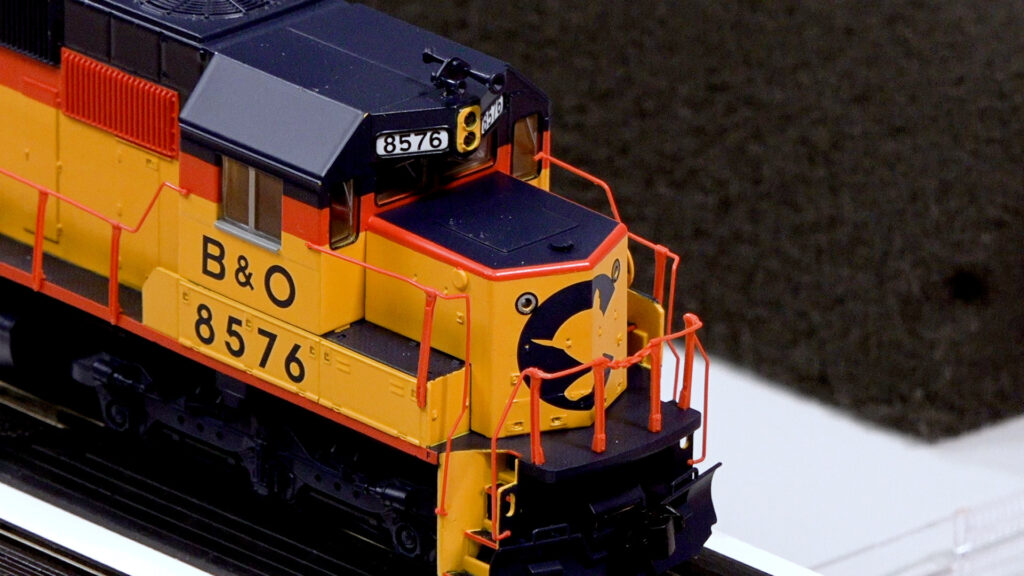
Locomotive disassembly essentials: An image of a model locomotive

Locomotive disassembly essentials: Locomotive disassembly is an essential skill to learn. Follow along to learn how to disassemble and reassemble a WalthersMainline HO scale Electro-Motive Division (EMD) SD50. The first step is to remove the draft-gear boxes and couplers. The front and rear boxes are secured with a single Phillips-head screw. Remove the screw and […]

Read More…

Why is the nail hole pattern on Atlas code 100 track assymetrical?

nail hole pattern: What is the purpose of the nail hole pattern in Atlas code 100 track?

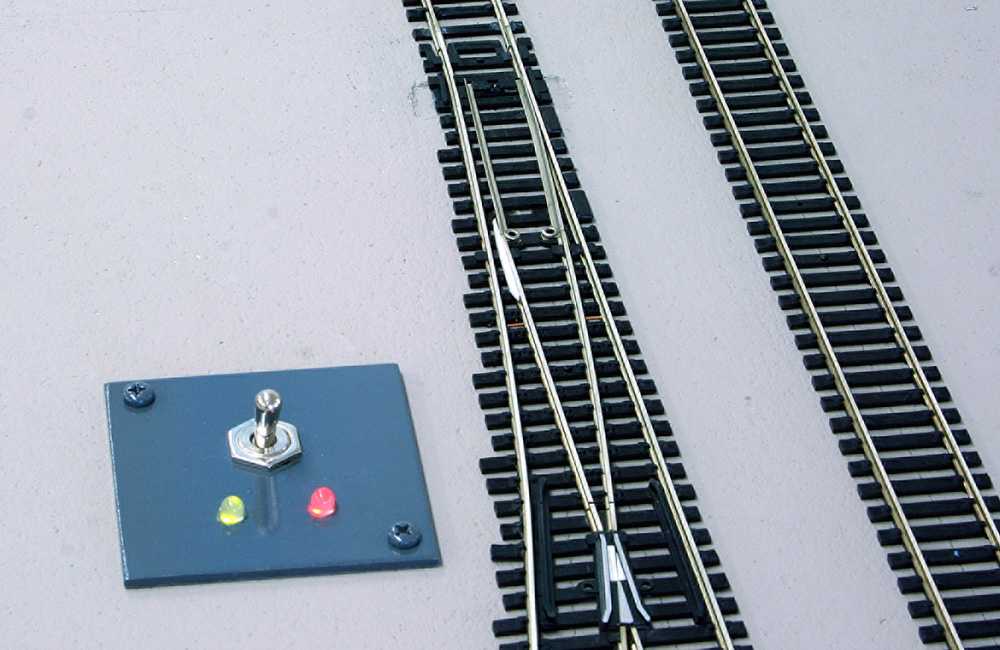
Cody discusses the nail hole pattern on Atlas code 100 track, and provides insights into the structure of Atlas code 100 track. Are you looking to learn more about your model railroad, or do you have questions about full-size trains? Send us an email at: AskTrains@trains.com ………………………………… Ask Trains is a regular video feature of […]

Read More…

Weathering structures with drybrushing

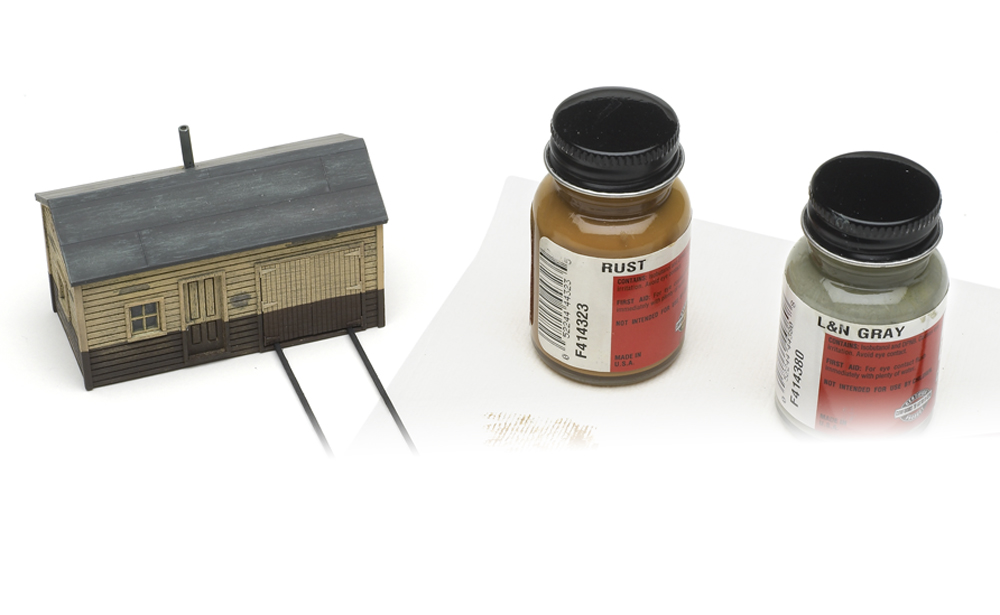
Weathering structures with drybrushing: A structure is shown next to bottles of paint against a white background.

Weathering structures with drybrushing: Drybrushing is one of the easier weathering techniques in modeling. I’ve used this technique for years on structure roofs, such as this HO scale motor car/work shed produced for the Northern Pacific Ry. Historical Society. However, I’ve also used drybrushing successfully to weather locomotive truck sideframes (covered in the April 2010 […]

Read More…

Buying collectible toy train items

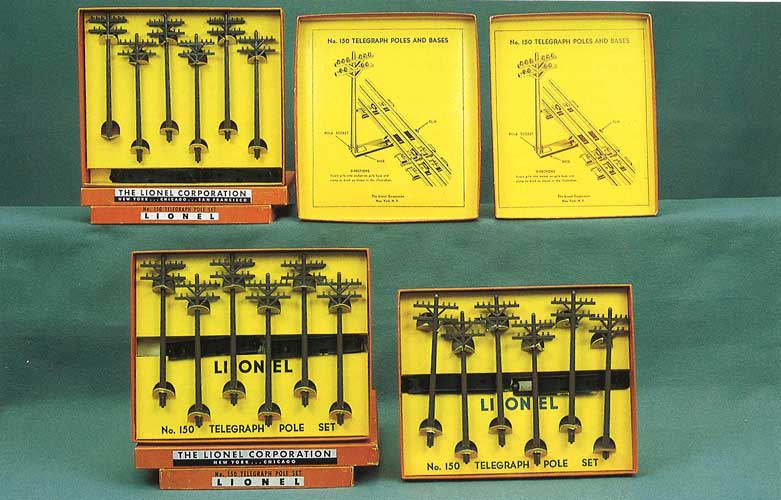
Buying collectible toy train items Lionel 150 telegraph poles

Buying collectible toy train items can be enjoyable and rewarding if you proceed carefully and patiently. Be sure to do your homework on them and the person or business selling them. Once you’ve established personal guidelines about what you want, do some research about the item and its value in different levels of condition. Price […]

Read More…

How to weather with powdered pastels

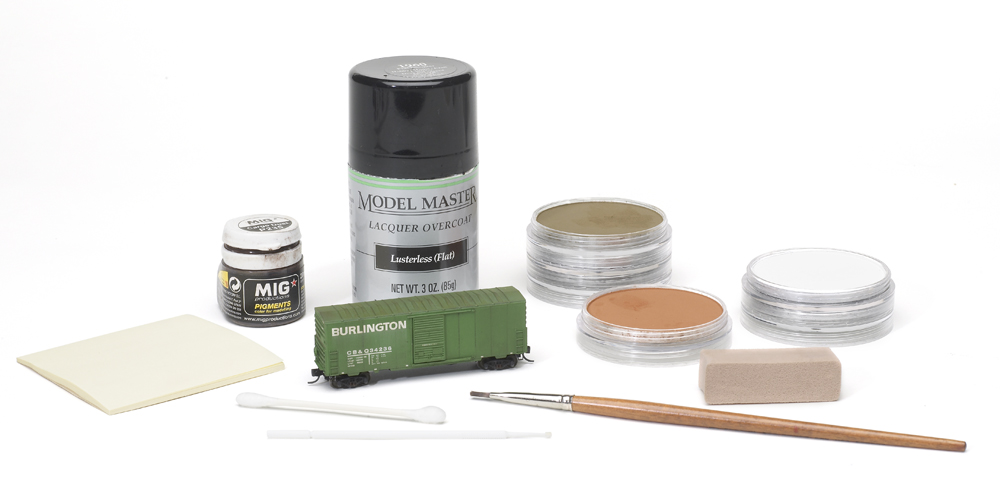
weather with powdered pastels: A green freight cars and a painting materials are shown in front of a white background

How to weather with powdered pastels: Powdered pastels have long been a popular choice for weathering locomotives, freight cars, and buildings. There are several firms that offer ready-to- use weathering powders, or you can make your own by scraping pastel sticks with a hobby knife. I started work on this N scale Micro-Trains boxcar by […]

Read More…

Parts of a 2-8-0 steam locomotive

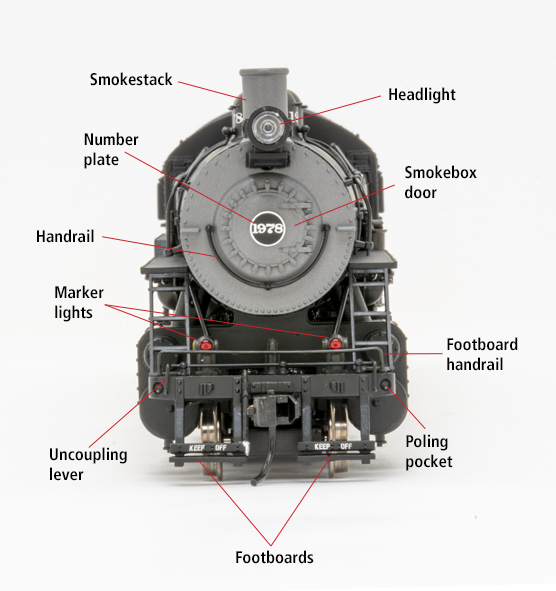
Photo of HO steam locomotive on white backdrop with callouts

Counting articulateds, compounds, and foreign steam locomotives, there are more than 90 steam engine wheel arrangements listed in the Whyte locomotive classifications. Which arrangement was the most common? The 2-8-0. Approximately 21,000 Consolidations were built between 1866 and 1946. To learn more about the prototype, read “Steam locomotive profile: 2-8-0 Consolidation” on the Classic Trains […]

Read More…

What article talked about modeling a cereal plant?

A dark blue switch engine pulls a boxcar past a cluster of tanks and silos

Q: Has Model Railroader ever done a feature on modeling a cereal plant such as Kellogg’s or Post? I’m building a 12″ by 10′-6″ shelf layout which will be entirely that one industry. But I’m not sure how best to lay out the various structures and car spots for covered hoppers, boxcars, food-grade tank cars, […]

Read More…