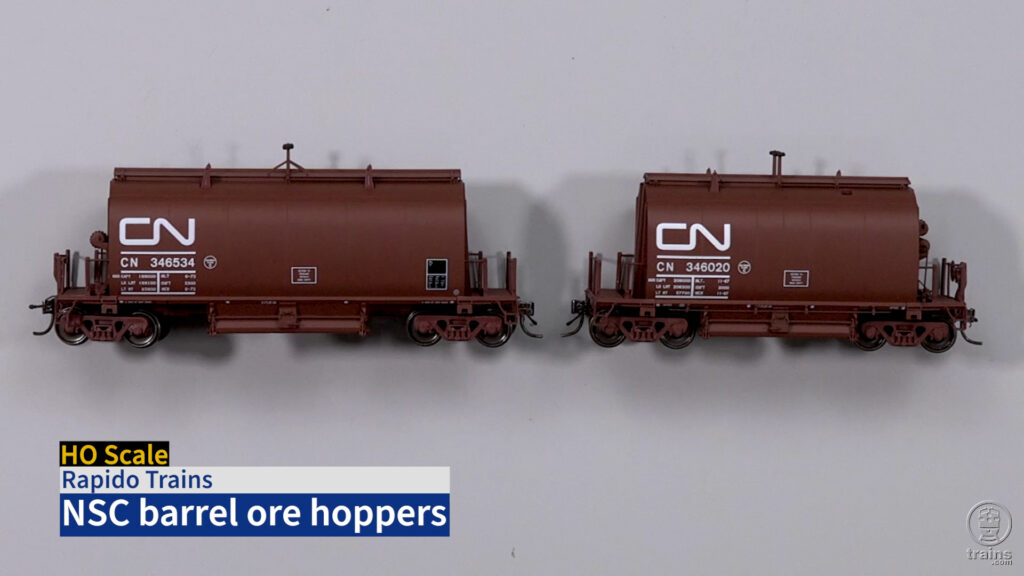
Rapido Trains HO scale barrel ore hoppers Join Senior Editor Cody Grivno as he reviews the new HO scale National Steel Car barrel ore hoppers from Rapido Trains. The models are offered in 35- and 42-foot versions and are decorated for Canadian National and Ontario Northland in various paint schemes. The ready-to-run barrel ore hoppers […]
Read More…
Rapido Trains HO scale barrel ore hoppers Join Senior Editor Cody Grivno as he reviews the new HO scale National Steel Car barrel ore hoppers from Rapido Trains. The models are offered in 35- and 42-foot versions and are decorated for Canadian National and Ontario Northland in various paint schemes. The ready-to-run barrel ore hoppers […]
Read More…
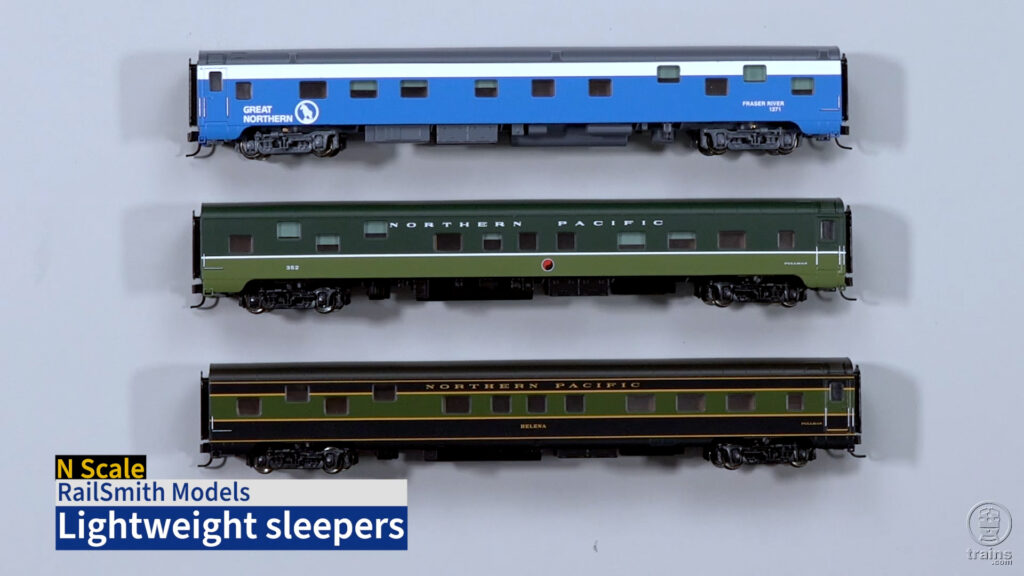
RailSmith Models N scale lightweight duplex sleepers RailSmith Models N scale lightweight duplex sleepers: Senior Editor Cody Grivno takes a look at pre-production samples of the new 8-duplex-roomette, 6-roomette, 3-bedroom, 1-compartment lightweight sleeper from RailSmith Models. See cars decorated for Northern Pacific’s 1947 and 1953 North Coast Limited and in Great Northern’s Big Sky Blue […]
Read More…
RailSmith Models N scale lightweight duplex sleepers RailSmith Models N scale lightweight duplex sleepers: Senior Editor Cody Grivno takes a look at pre-production samples of the new 8-duplex-roomette, 6-roomette, 3-bedroom, 1-compartment lightweight sleeper from RailSmith Models. See cars decorated for Northern Pacific’s 1947 and 1953 North Coast Limited and in Great Northern’s Big Sky Blue […]
Read More…
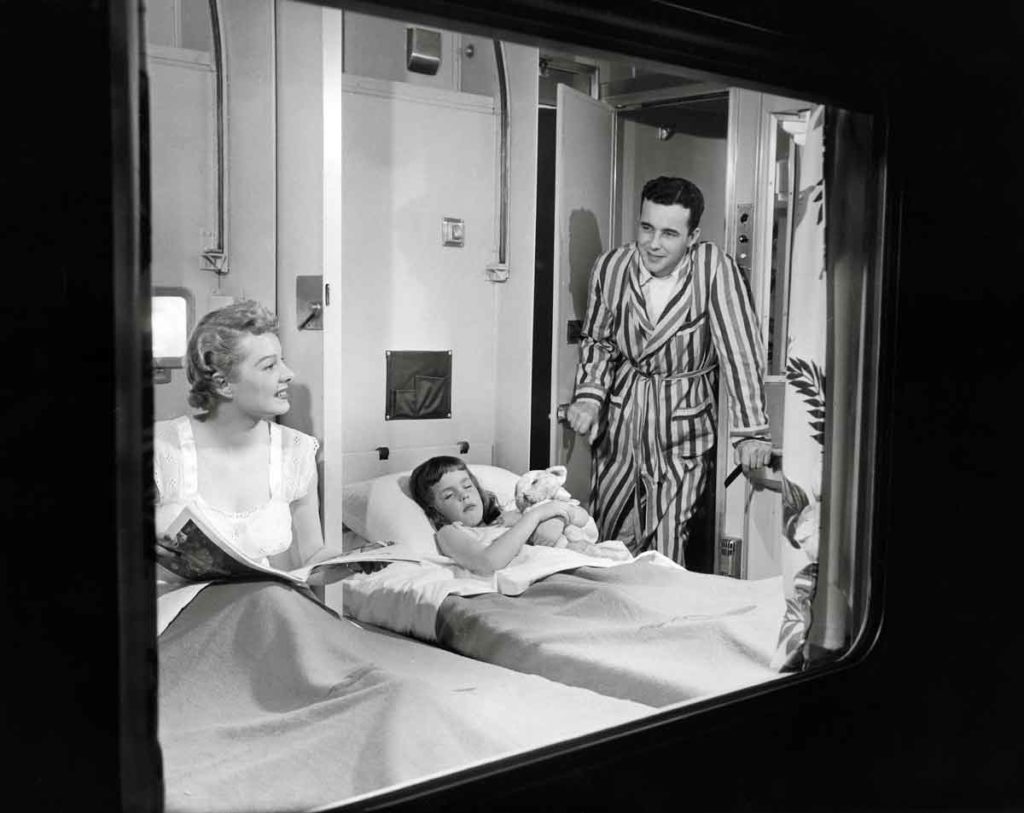
In a classic postwar publicity photo on a new Chesapeake & Ohio sleeping car, a family enjoys the comforts of a pair of double bedrooms with the dividing partition drawn back to create one large space containing four beds. C&O photo […]
Read More…
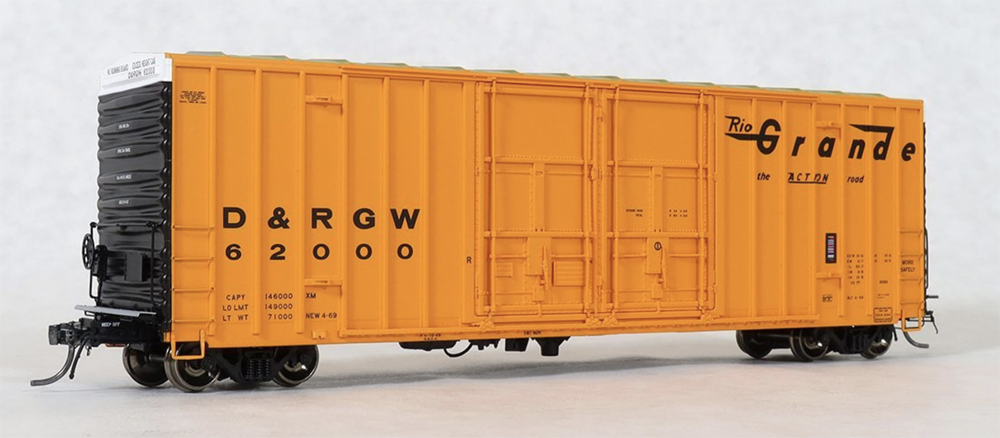
Gunderson Bros. HO scale freight car Tangent Scale Models unveiled a Gunderson Bros. 50-foot 6,089-cubic-foot capacity high-cube double-plug-door boxcar at the St. Louis Railroad Prototype Modelers meet in Collinsville, Ill., on Friday, July 29. This is Tangent’s second new freight car release in 2022. The model, in stock now, is decorated for Denver & Rio […]
Read More…
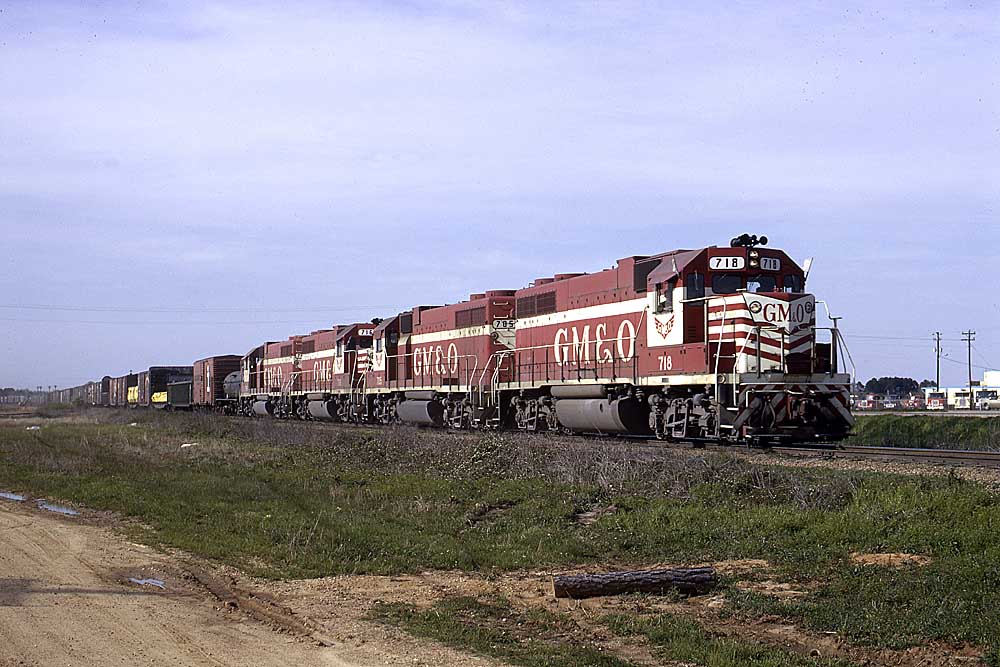
Gulf, Mobile and Ohio Railroad freight trains remembered: All through July 2022, Classic Trains editors are celebrating the grit, panache, and charm that was the Gulf, Mobile and Ohio. As part of the celebration, please enjoy this freight train photo gallery as the perfect accompaniment. Each month since October 2019, Classic Trains editors have showcase one “Fallen Flag” railroad — one […]
Read More…
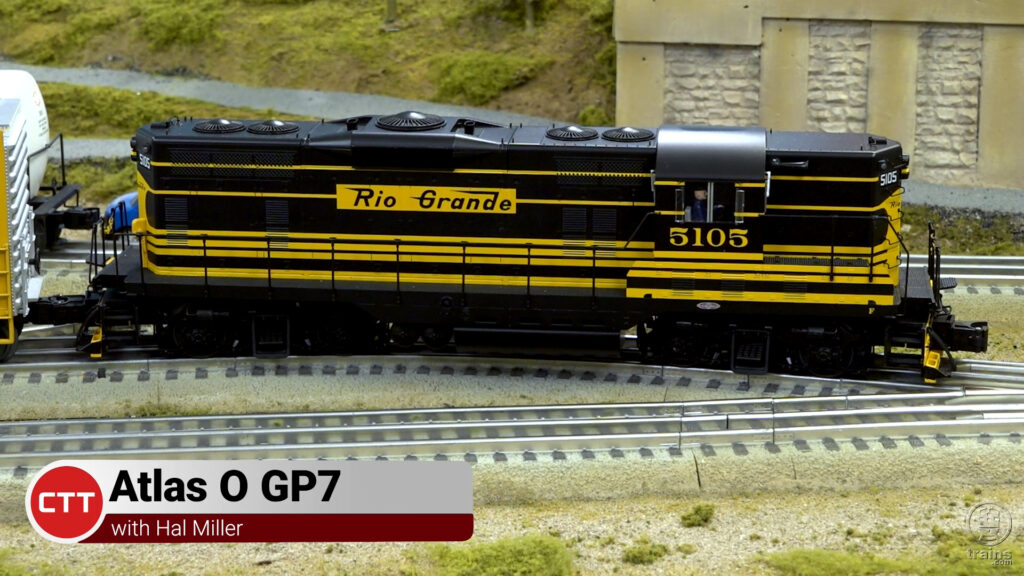
The Atlas O GP7 locomotive is a model of one of EMD’s diesels that put steam out to pasture. Watch this highly detailed O gauge engine in action as it pulls freight cars around the City Terminal & Transfer layout! Check out the features that make it a hi-railer’s dream. […]
Read More…
The Atlas O GP7 locomotive is a model of one of EMD’s diesels that put steam out to pasture. Watch this highly detailed O gauge engine in action as it pulls freight cars around the City Terminal & Transfer layout! Check out the features that make it a hi-railer’s dream. […]
Read More…
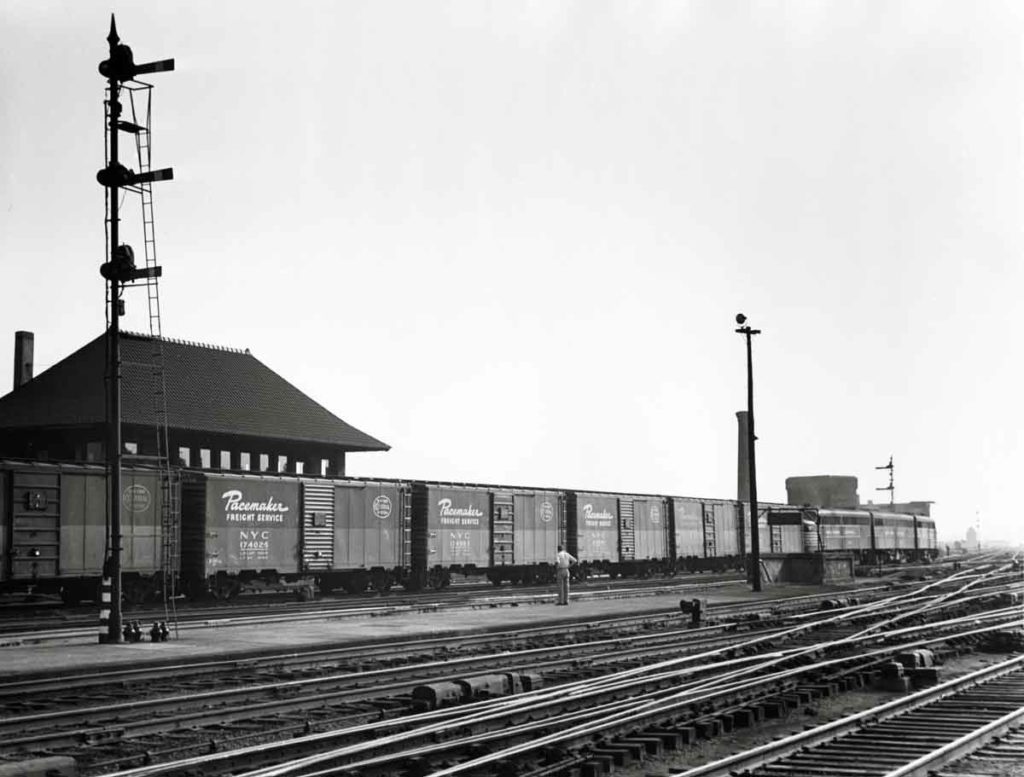
The Boston–Albany section of New York Central’s Pacemaker train for express freight service pauses at Worcester, Mass., to pick up cars in August 1949. The distinctive vermillion-and-gray boxcars were for on-line use only. Philip R. Hastings photo […]
Read More…
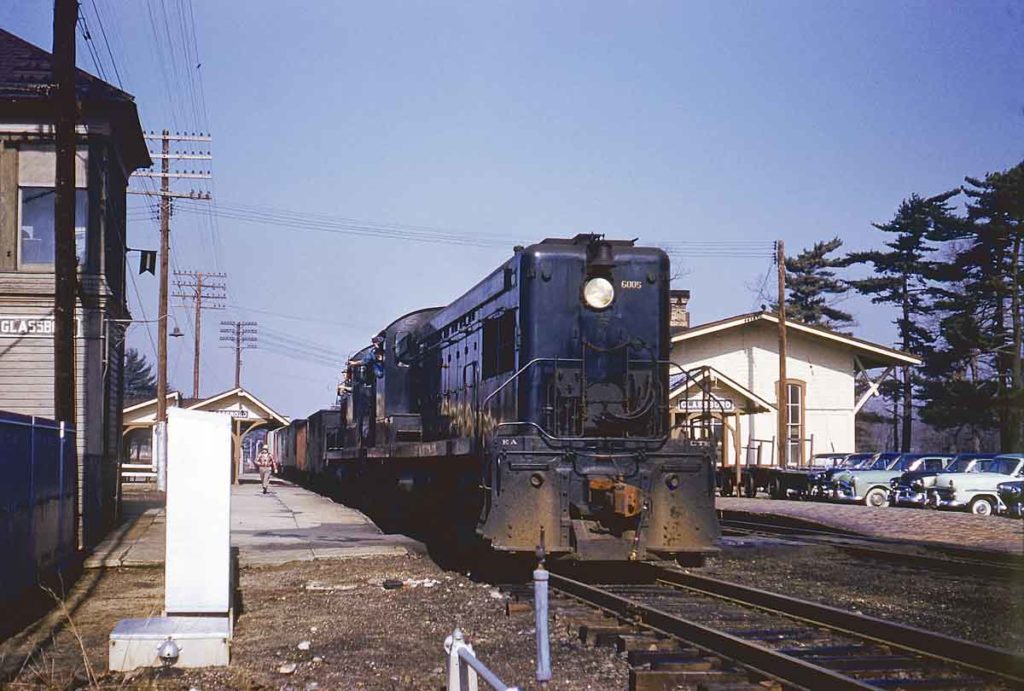
Two Pennsylvania-Reading Seashore Lines AS16 road-switchers work a freight through Glassboro, N.J., in 1955. The dual-service units were equally at home on passenger trains. Frank Kozempel photo […]
Read More…
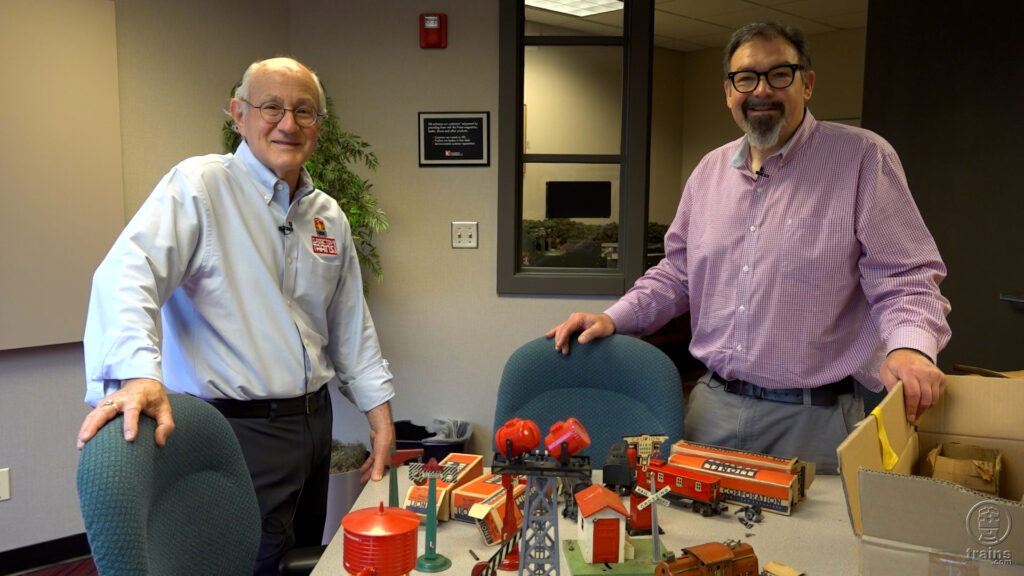
A postwar Lionel haul unboxing featuring Roger “Professor” Carp and CTT editor Hal Miller. The trains belong to a co-worker who received them from her father. He received his first Lionel train in 1941 – in fact, we have his original no. 1089 set box! Have a look at some of the well-loved and time-worn […]
Read More…