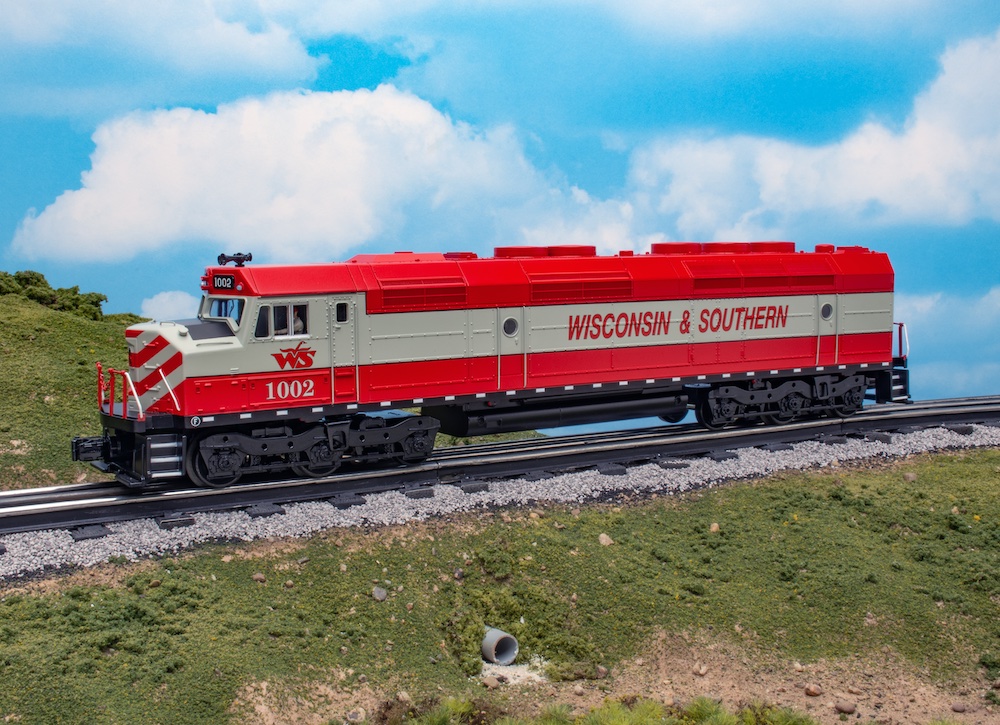
The FP45 diesel was a passenger locomotive first produced in 1967 at the request of the Atchison, Topeka & Santa Fe. Only 14 units were made, nine for AT&SF and five for the Milwaukee Road. By the early 1980s, all but one were out of service or scrapped. Six survive in museums today. The first […]
Read More…
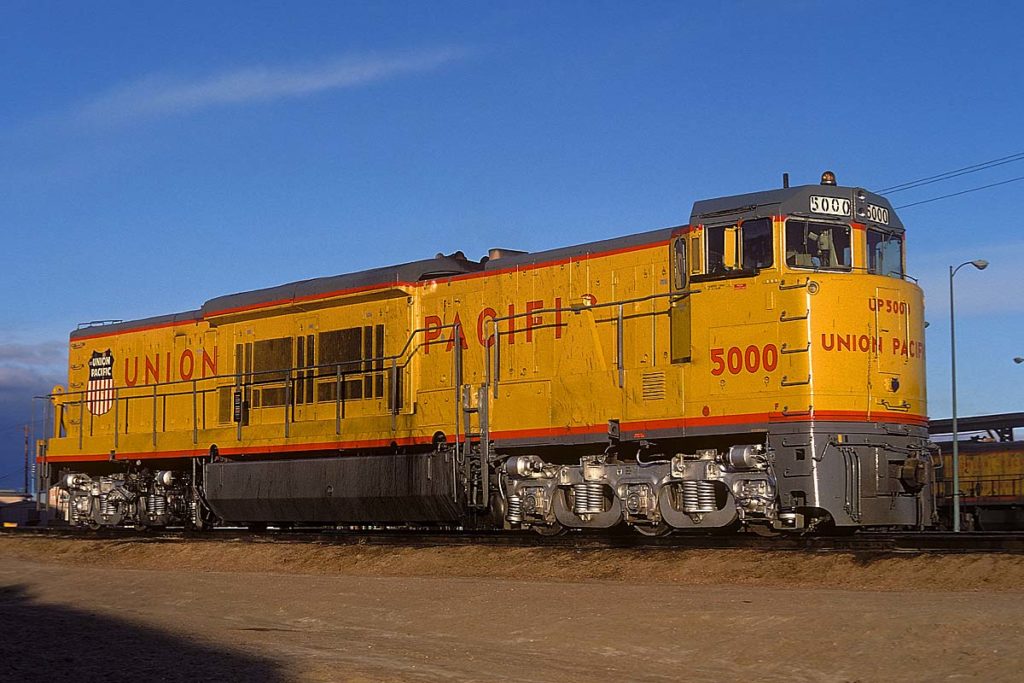
Union Pacific U50C No. 5000 lays over at the railroad’s North Platte, Neb., shop on Jan. 21, 1975. It was one of 40 such units on the railroad in operation from 1969 to 1978. Bruce Barrett photo […]
Read More…
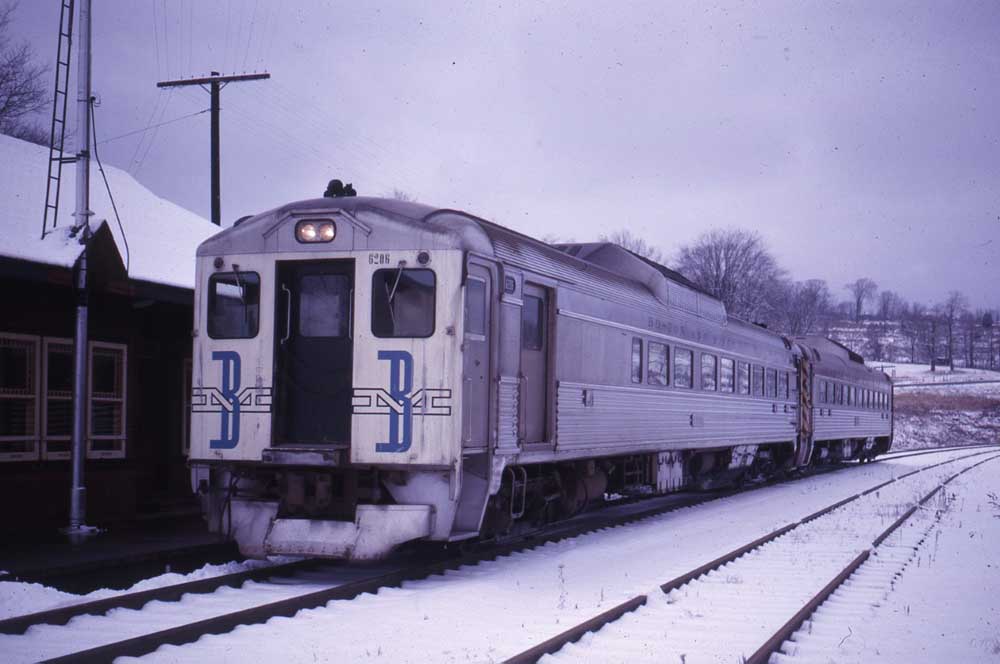
To win over the railroads with its new Rail Diesel Car (RDC), the Budd Co. wasn’t content with a single model type. In a time of declining passenger traffic during the post war years, the car manufacturer banked on multiple to meet the needs of either passenger, baggage-express or mail, as well as for all […]
Read More…
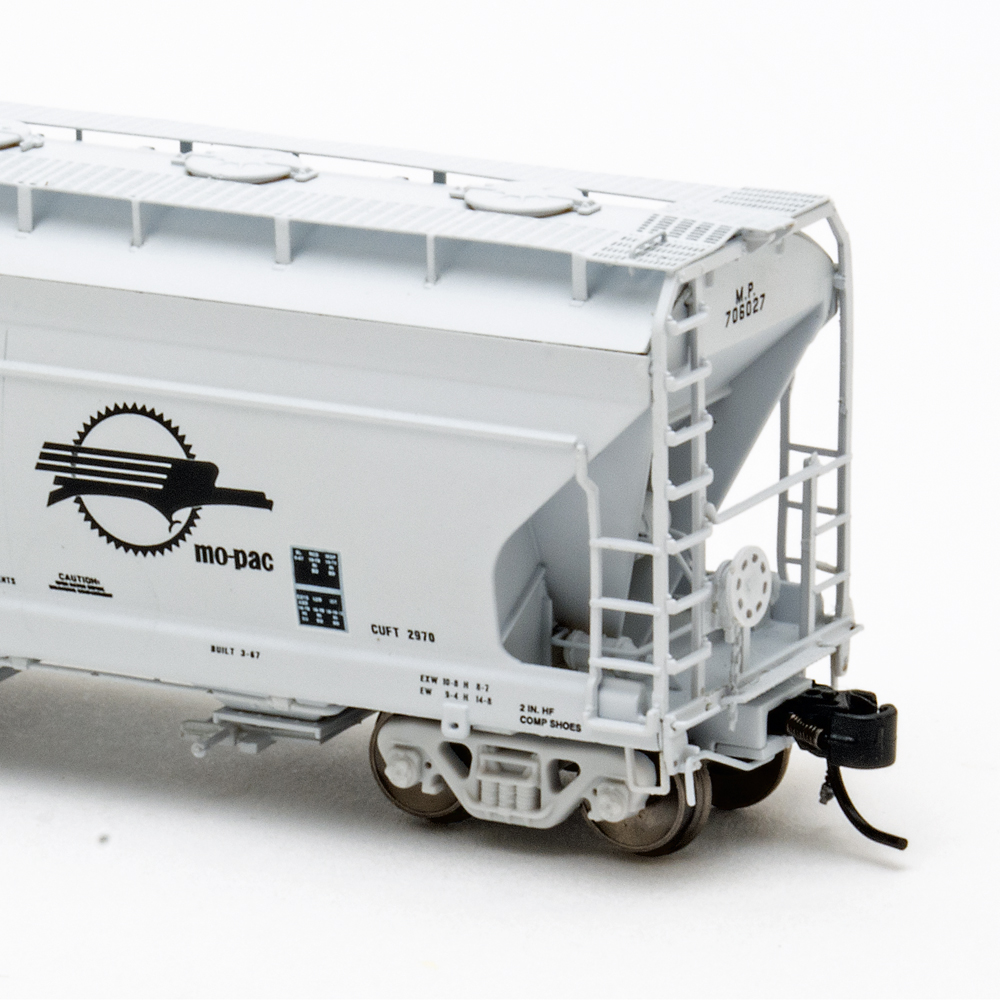
An American Car & Foundry 2,970-cubic-foot capacity two-bay Center Flow covered hopper is now part of Athearn’s Genesis series. The N scale model, which we last reviewed in the June 2010 issue, still features injection-molded plastic construction, body-mounted couplers, and metal wheelsets. Among the product upgrades are rubber train line hoses; separate, factory-applied uncoupling levers; […]
Read More…
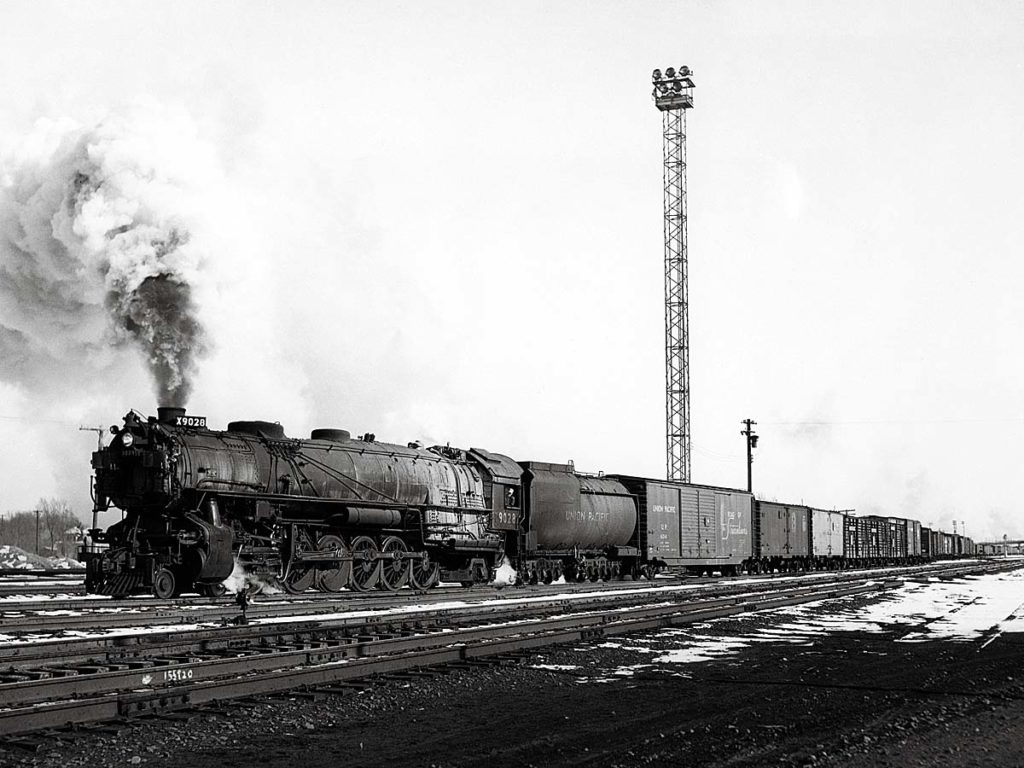
In early 1954, Union Pacific 4-12-2 No. 9028 brings a train into North Platte, Neb., from the east. Only UP had 4-12-2s, 88 built during 1926–30, which led to the wheel arrangement being called the Union Pacific type. Art Stensvad photo […]
Read More…
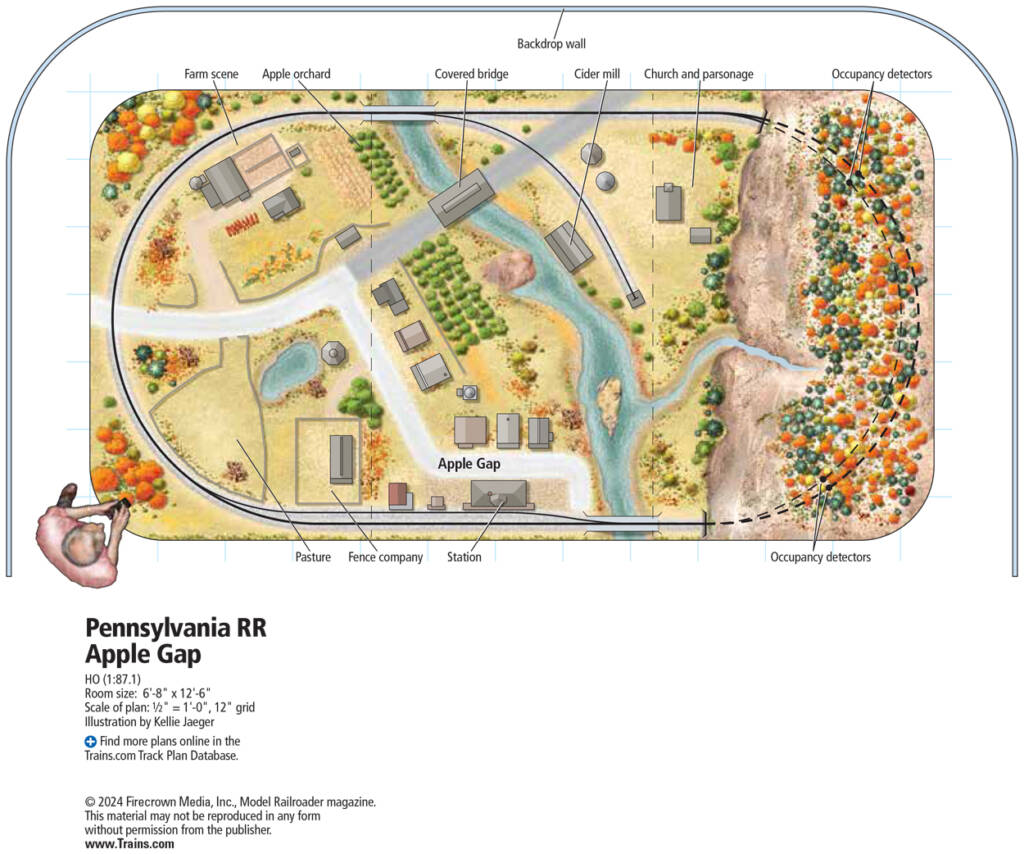
Facts and features Name: Pennsylvania RR Scale: HO (1:87)Size: 6′-8″ x 12′-6″Prototype: freelanced, inspired by PRRLocale: northeastern PennsylvaniaEra: changeable between 1870-1915, 1916-1942, and 1943-1959Style: island Mainline run: 31 feetMinimum radius: 36.5″Minimum turnout: No. 6Maximum grade: none (flat)Benchwork: tabletopHeight: 511⁄2“Roadbed: corkTrack: Micro Engineering flexible code 83Scenery: foam board and Kingspan underlayment on 3 ⁄4” medium density […]
Read More…
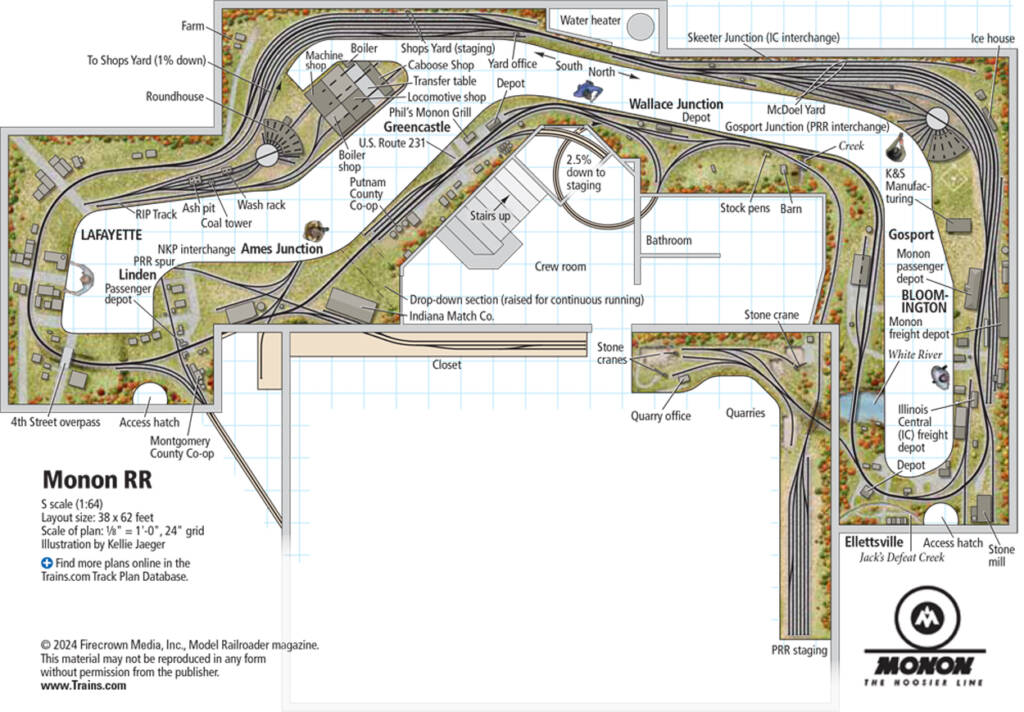
Facts and features Name: Chicago, Indianapolis & Louisville (Monon) Scale: S (1:64)Size: 38 x 62 feetPrototype: MononLocale: west central IndianaEra: late 1940sStyle: walk-in Mainline run: 180 feetMinimum radius: 48″ (main), 36″ (sidings and spurs)Minimum turnout: No. 6Maximum grade: 1% (main), 2.5% (to staging)Benchwork: L girderHeight: 46″ to 49″Roadbed: HomasoteTrack: code 100 (main), codes 83 and […]
Read More…
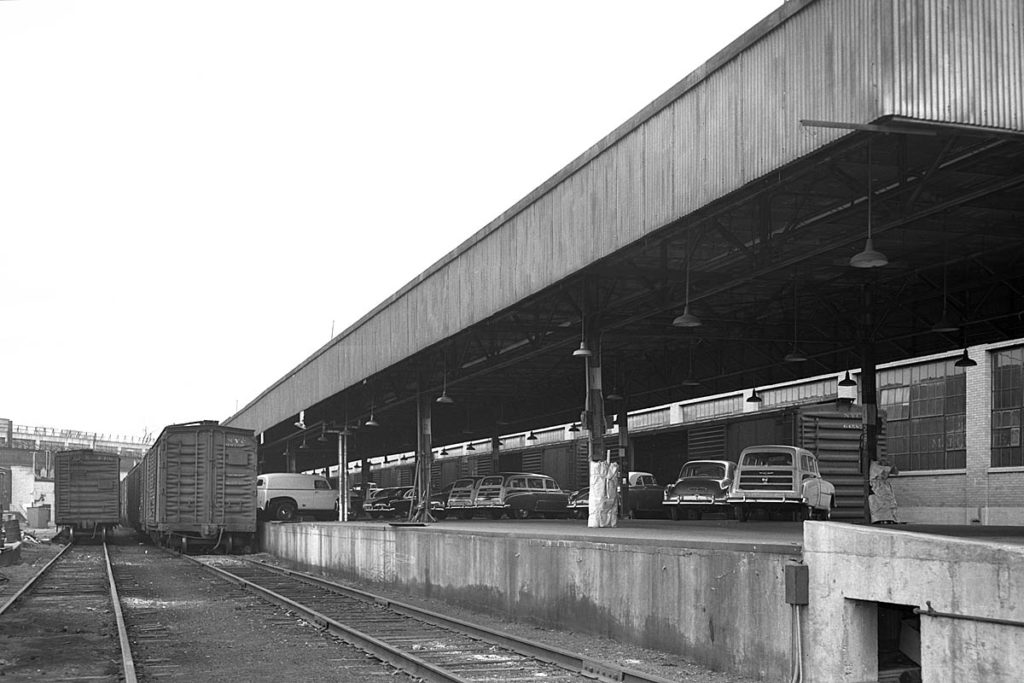
Several Chevrolets await loading at General Motors’ Tarrytown, N.Y., assembly plant in 1951. Tracks extend along both sides of an elevated platform. In the intervening decades, railroads and manufacturers have switched to multi-level auto racks for the shipment of new automobiles. New York Central photo […]
Read More…
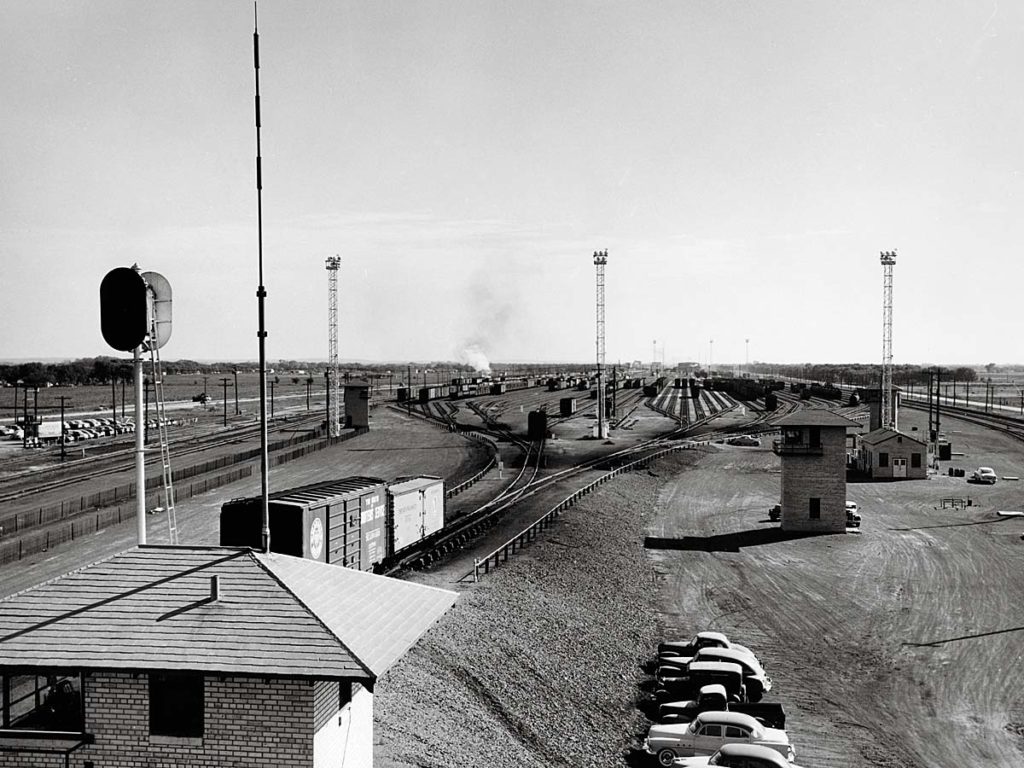
In a view taken halfway up a light tower we see Union Pacific’s modern hump yard at North Platte, Neb., around 1950. At the bottom left is the hump tower, and the two cars just above it are rolling free toward the master retarder. Union Pacific photo […]
Read More…
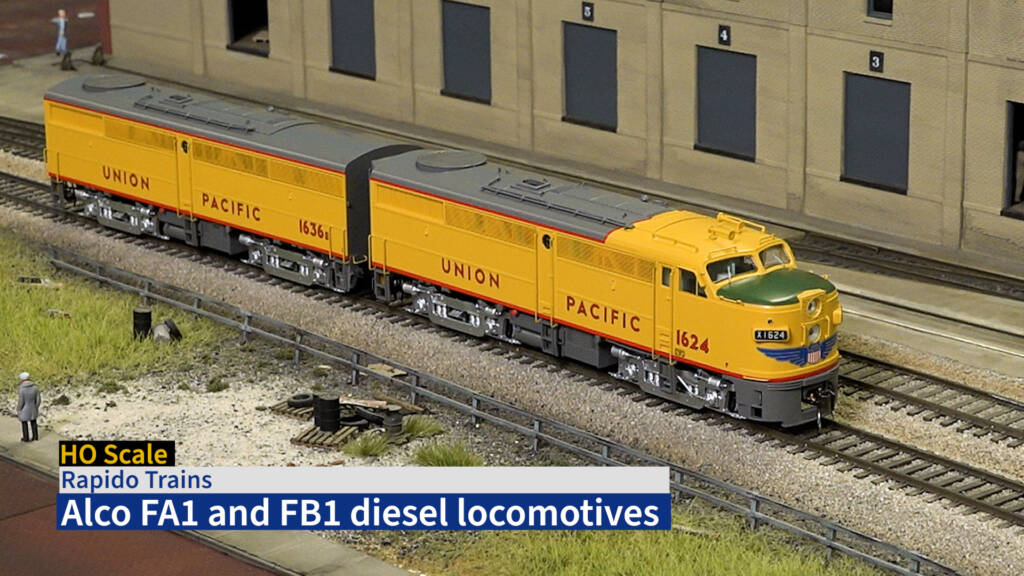
The Rapido Trains HO Alco FA1 and FB1 diesels are the subject of our latest Product Review video. Model Railroader Senior Editor Cody Grivno shares a brief prototype history of the freight haulers, points out the various factory-applied details on the units, and demonstrates some of the sound and lights functions on the ESU LokSound […]
Read More…
The Rapido Trains HO Alco FA1 and FB1 diesels are the subject of our latest Product Review video. Model Railroader Senior Editor Cody Grivno shares a brief prototype history of the freight haulers, points out the various factory-applied details on the units, and demonstrates some of the sound and lights functions on the ESU LokSound […]
Read More…
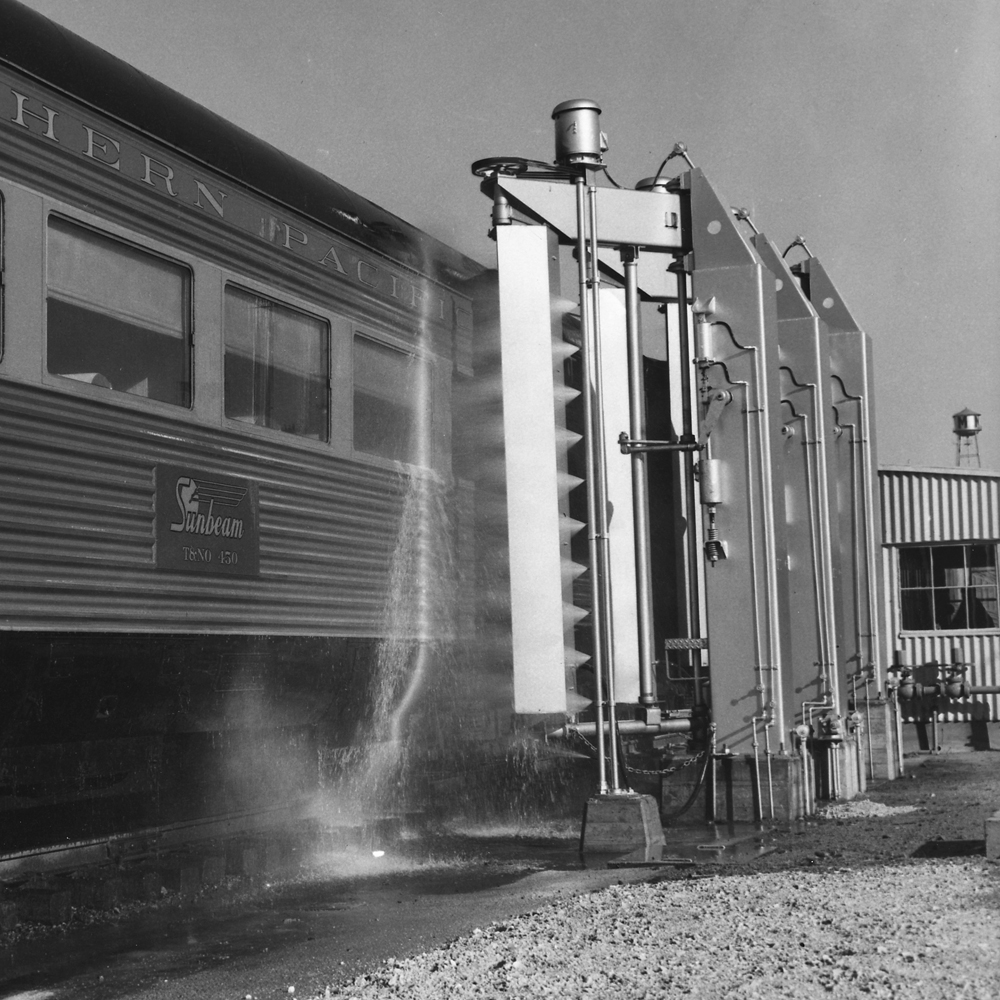
Q: How do mechanical passenger car washers work? — Steve Moore A: Keeping passenger cars clean is a never-ending battle as they’re subjected to the same dirt, dust, and grime as locomotives and freight cars. While spot cleaning, such as windows, is handled en route, extensive cleaning is handled at coach yards and larger terminals. […]
Read More…