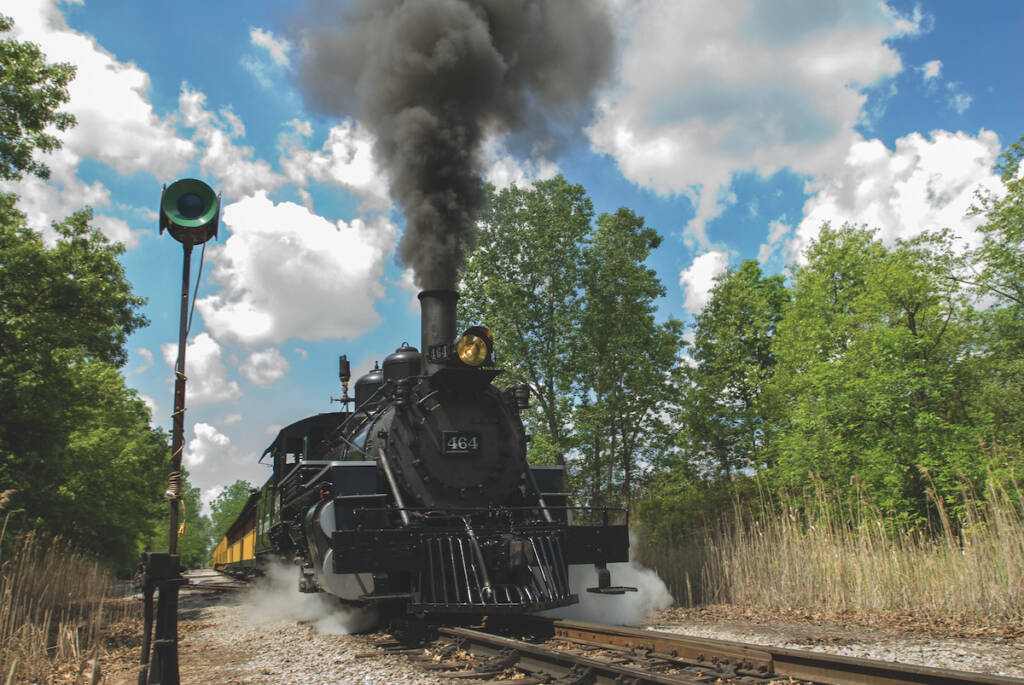
GENESEE COUNTY, Mich. — The Charles Stewart Mott Foundation has granted the Genesee County Parks & Recreation Commission $1.3 million for restoration work on its narrow-gauge 2-8-2 No. 464, according to an M Live report. The locomotive, built by Baldwin Locomotive Works for the Denver & Rio Grande in 1903, is one of two surviving […]
Read More…
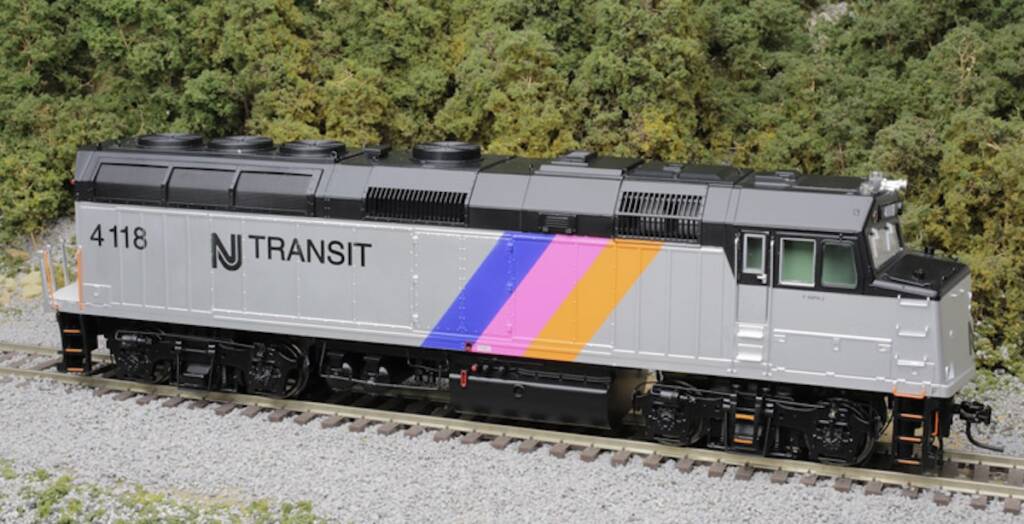
Though I’ve been in the hobby for more than 70 years, I’m still amazed at the number of new products being released. Gone are the days when the Lionel or American Flyer “wish books” would fill our dreams of new engines, cars, or accessories. Now we have the internet, hobby shops, and train shows to […]
Read More…
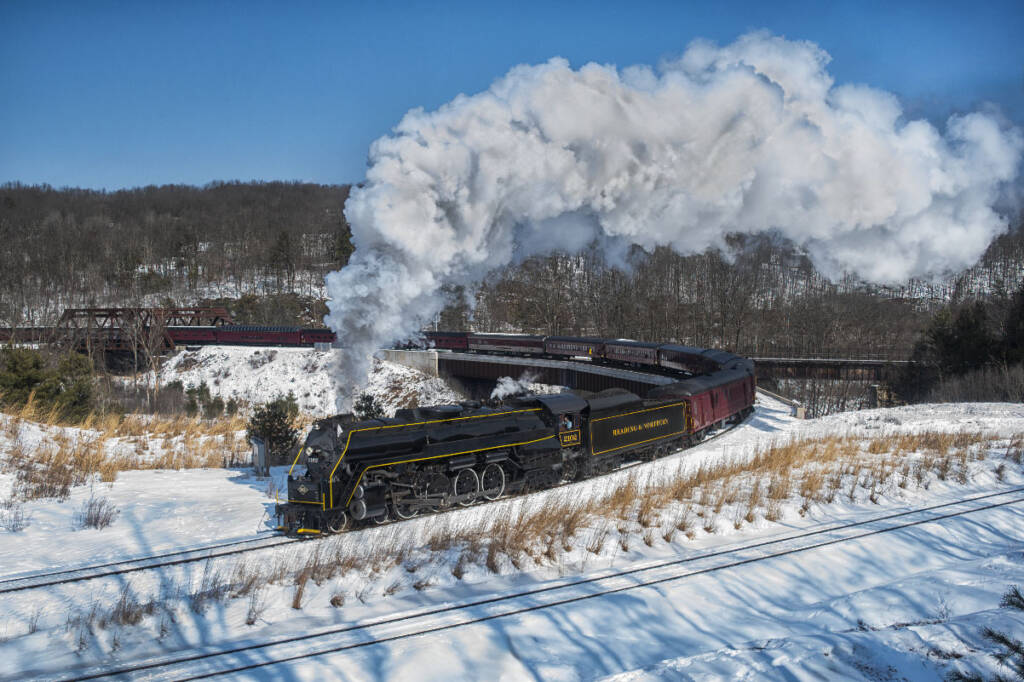
READING, Pa. — A clear, crisp Pennsylvania winter day greeted passengers and enthusiasts for the Reading & Northern’s winter Iron Horse Ramble. The excursion traveled the Reading Division main line between Reading Outer Station and Jim Thorpe, Pa., on Saturday, Feb. 14, Valentine’s Day. This was the second time the former Reading T-1 4-8-4 No. 2102 […]
Read More…
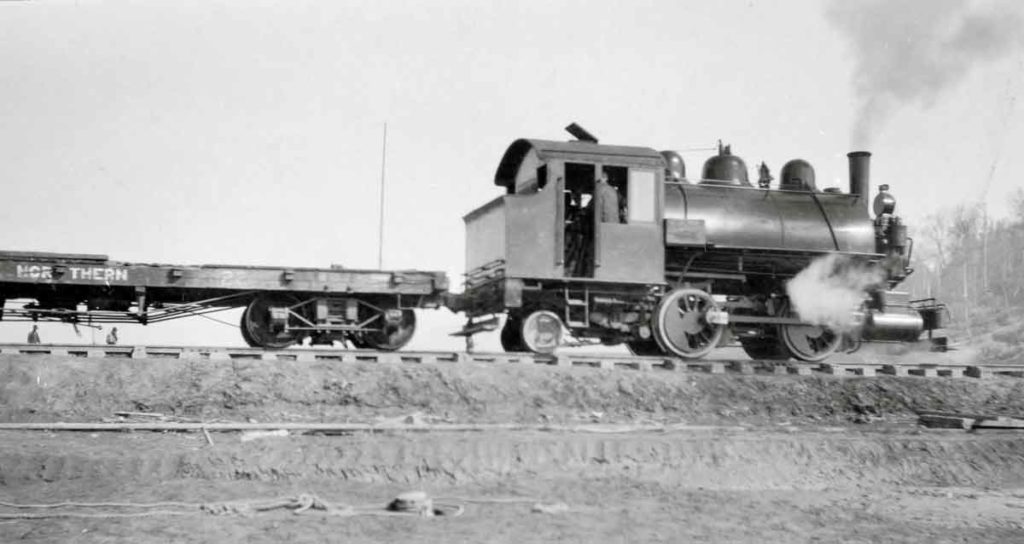
This little 0-4-2T worked in building the Alaska Railroad, then went on to serve two logging operations along the line. Library of Congress photo […]
Read More…
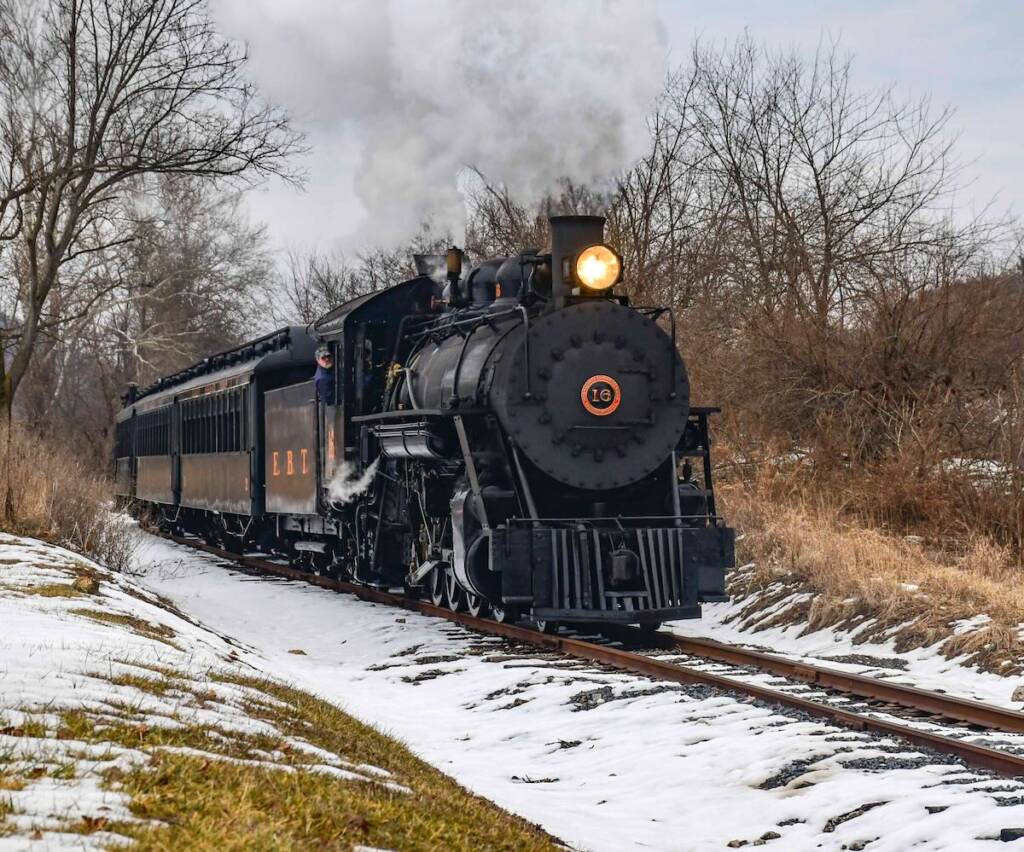
ROCKHILL FURNACE, Pa. – More than $10 million has been invested to date in rescuing and restoring the narrow gauge East Broad Top Railroad in central Pennsylvania. EBT Foundation General Manager Brad Esposito didn’t hesitate to name that figure in response to a question during his state-of-the-railroad review, part of the Foundation’s Winter Spectacular event […]
Read More…
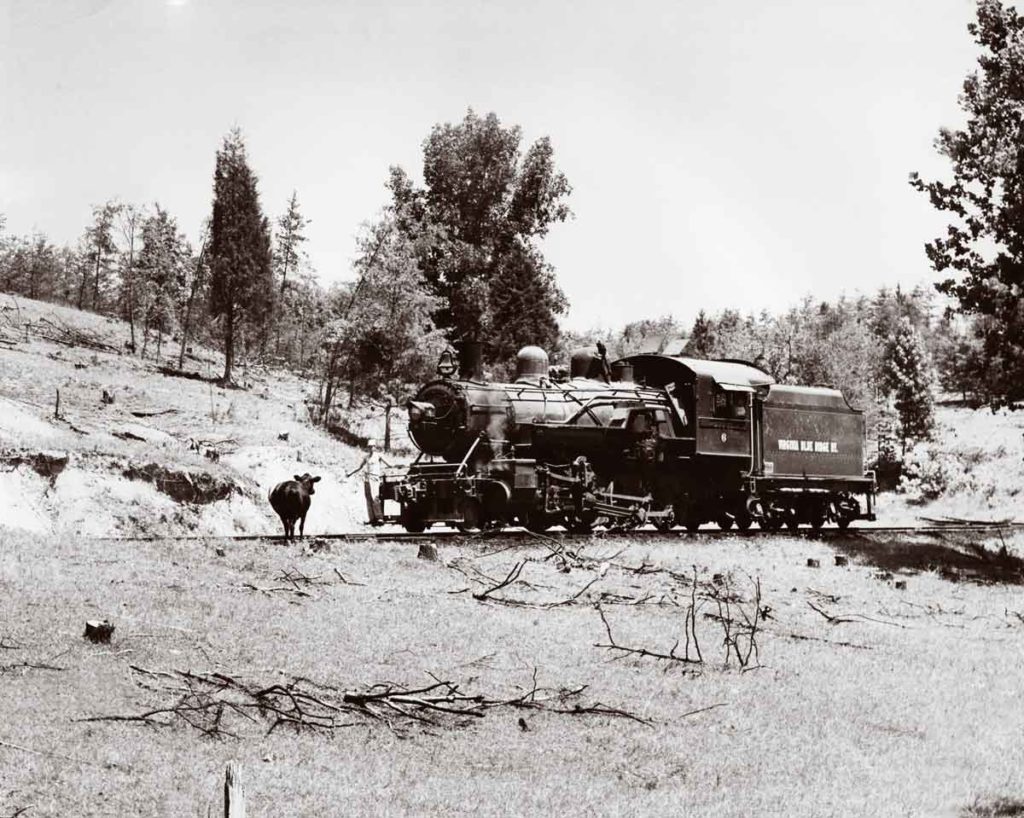
A crewman on Virginia Blue Ridge 2-8-0 No. 6 (ex-Southern 385) coaxes a cow off the track at Tye River, Va., in July 1954. Today this engine is at the Whippany (N.J.) Railway Museum. H. Reid photo […]
Read More…
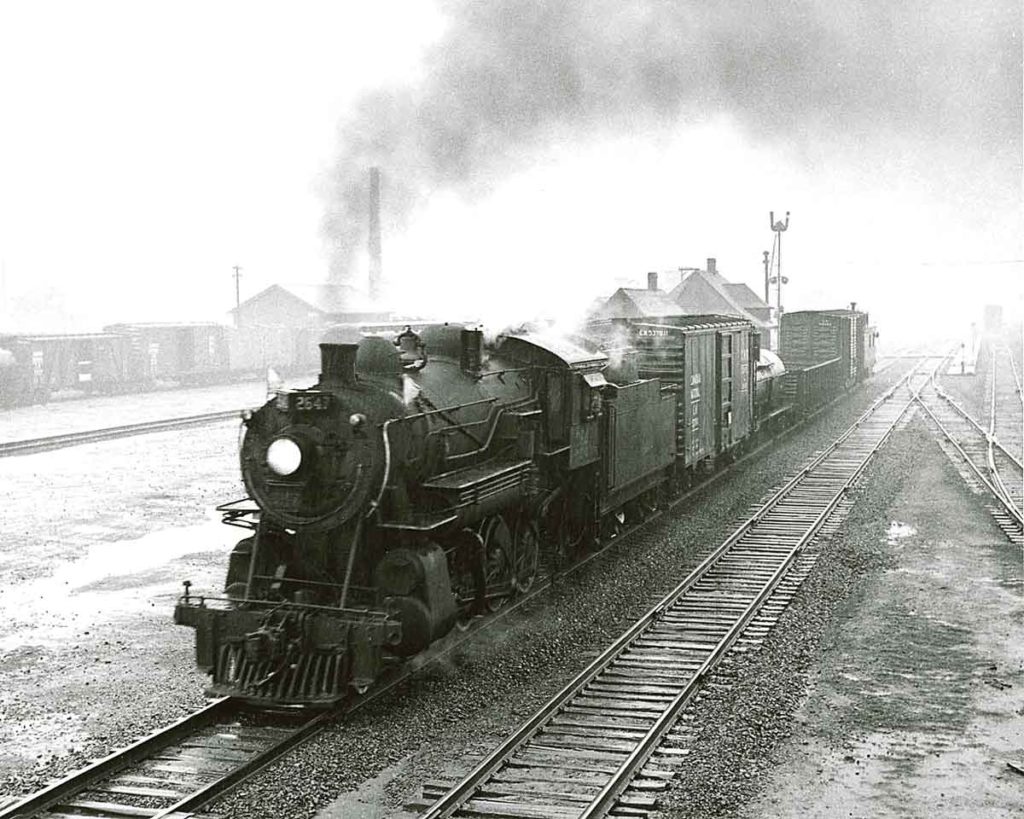
In a 1957 view from a crossing watchman’s tower at Burlington, Ont., elderly Canadian National 2-8-0 2647 passes in heavy rain with a Hamilton–Toronto local freight. Philip R. Hastings photo […]
Read More…
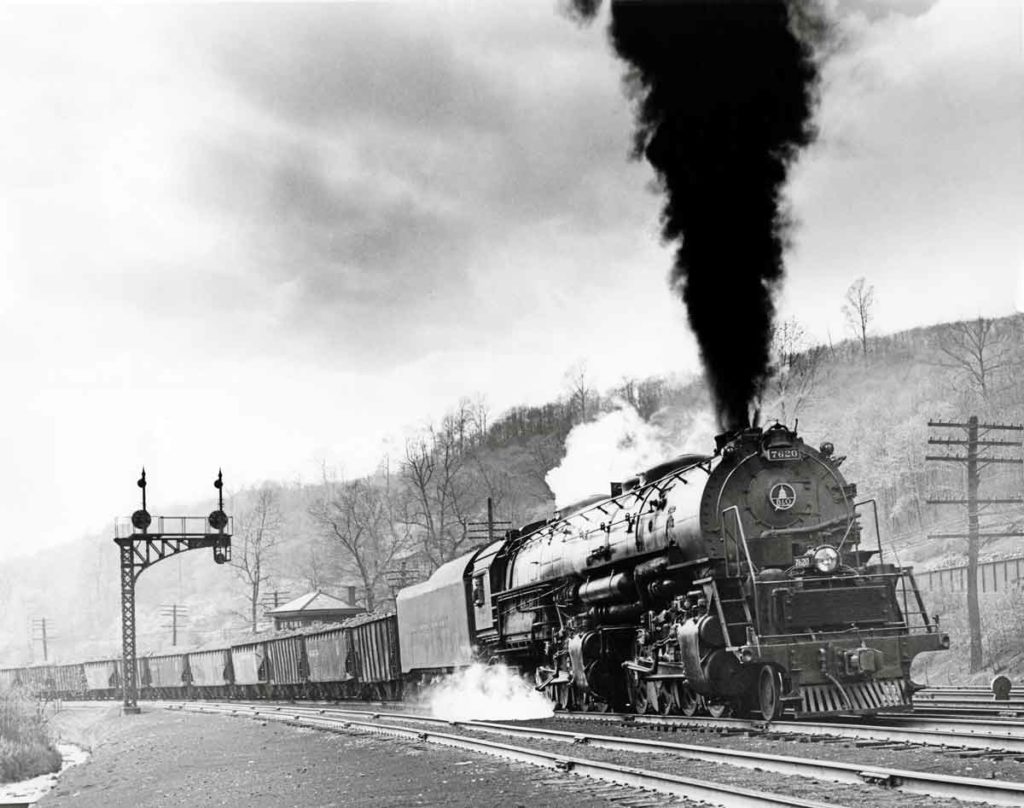
Baltimore & Ohio class EM-1 2-8-8-4 7620 crests Newburg Grade in West Virginia with eastbound coal in 1948. William P. Price photo […]
Read More…
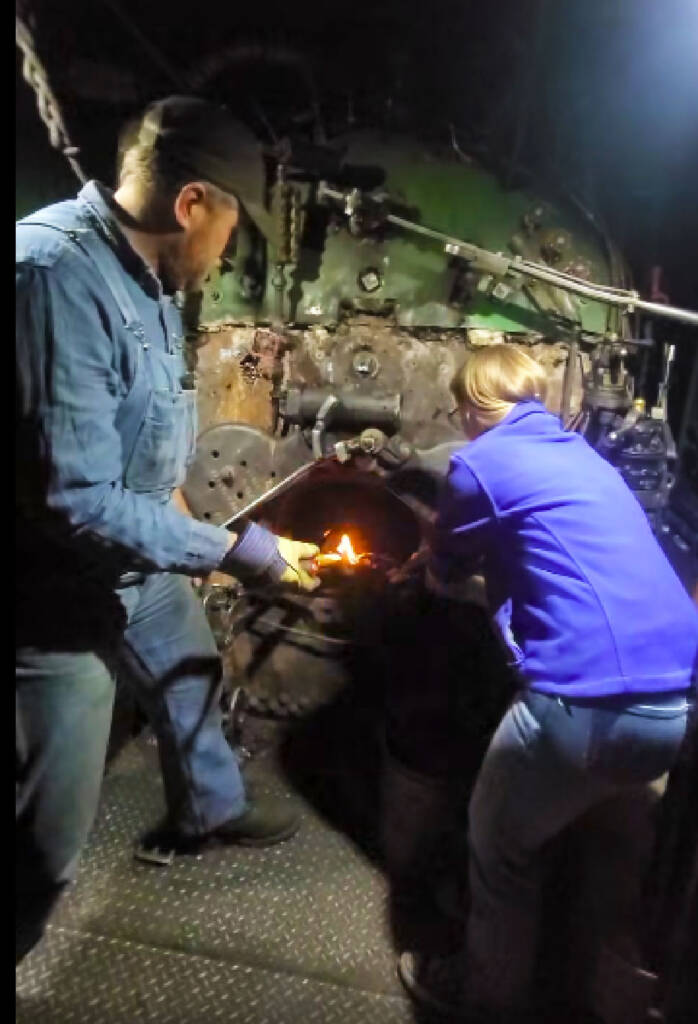
ELY, Nev. — On the night of Feb. 3, the Nevada Northern Railway Museum successfully fired No. 81, a 1917 Baldwin Locomotive Works 2-8-0. The locomotive had not been fired for more than two years due to ongoing repairs. For the firing, 1,000 pounds of coal was placed in the 5-foot-by-9-foot firebox, which had been […]
Read More…
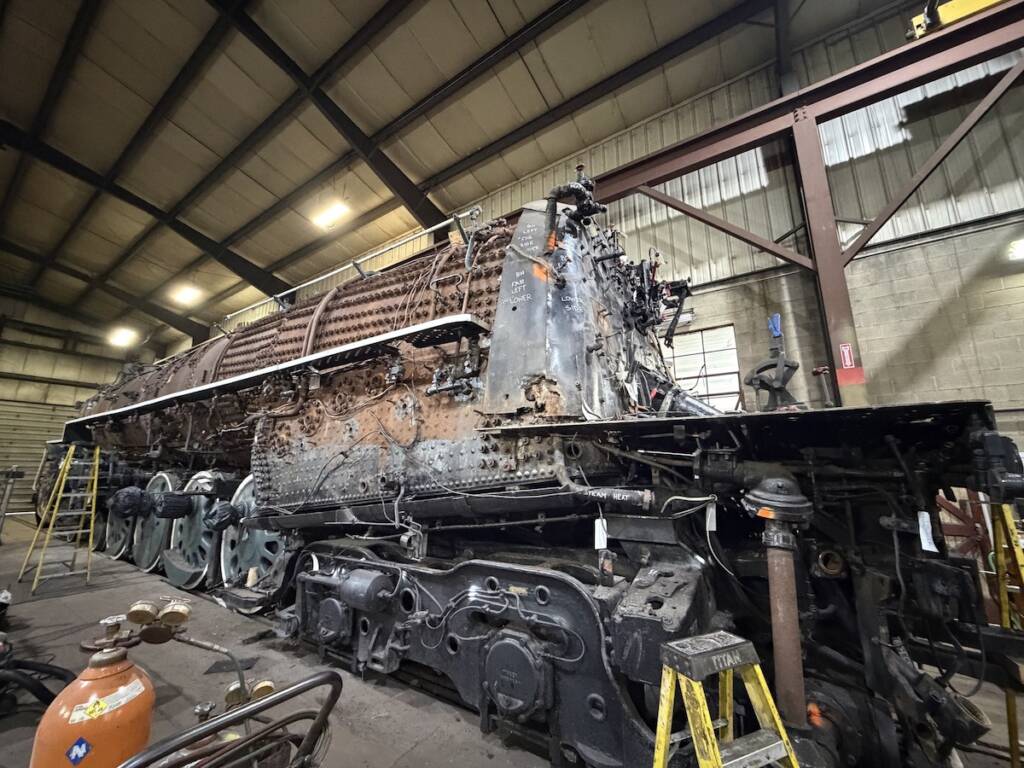
STRASBURG, Pa. — A new year brings new resolutions. For RJD America LLC, a group of railroaders and businessmen who purchased Chesapeake & Ohio No. 614 in 2024, its 2026 resolution hopes to go above and beyond the ongoing restoration to return the Class J3a 4-8-4 to service. 2025 recap In an interview with Trains.com, […]
Read More…
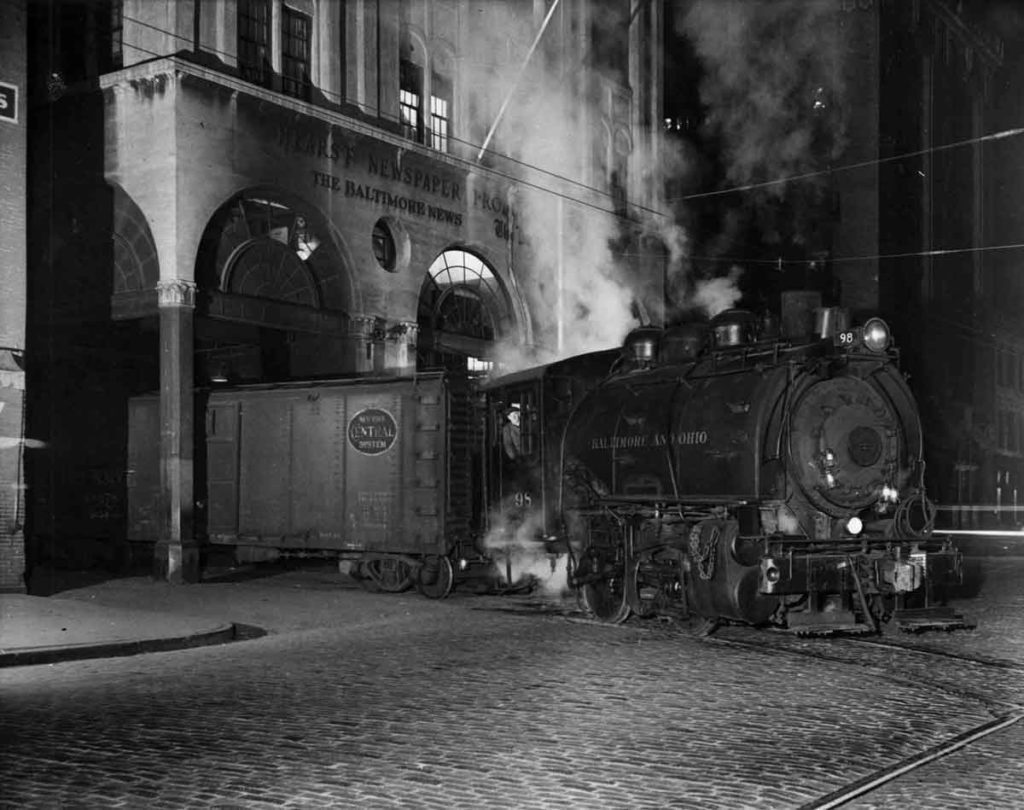
Baltimore & Ohio No. 9 is one of four class C-16 0-4-0T switchers built in 1912 to work tight-radius street trackage along Baltimore harbor. Two were rebuilt as tender engines in the 1920s, but the other two worked as-built until several years after World War II. Their compact size made them a favorite among HO […]
Read More…
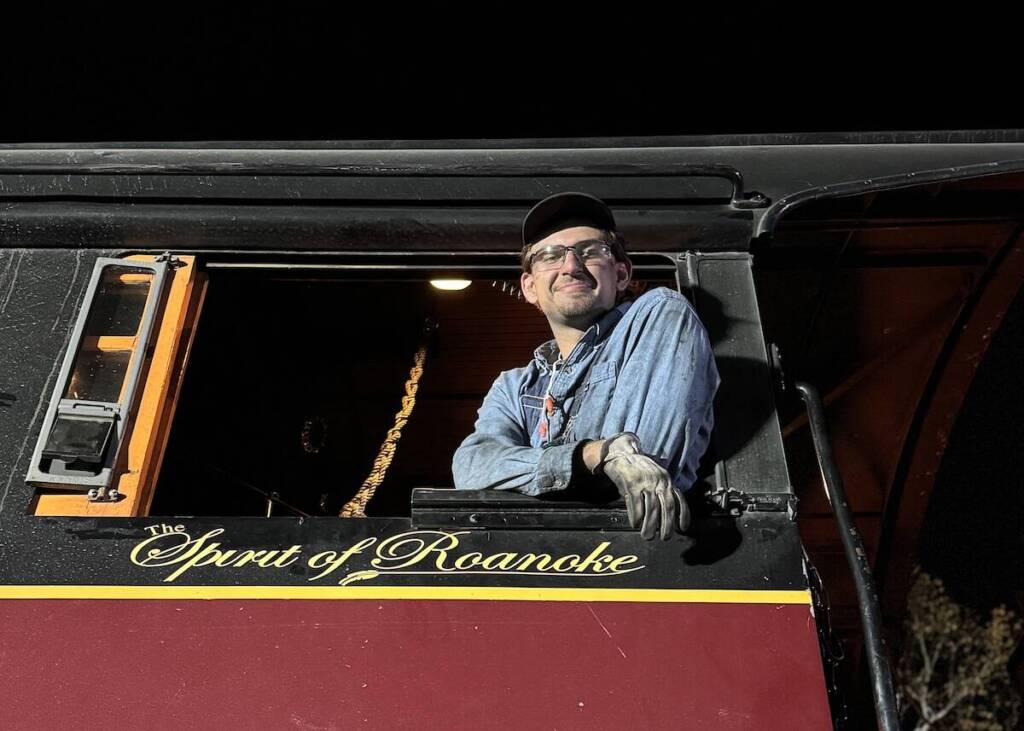
Since 2023, 22-year-old Nick Harding has been an active part of the engine crew for the Norfolk & Western J-class 4-8-4 No. 611. The work involves much more than just having smoke rise from the cowled stack. It demands round-the-clock maintenance and repair between operations, ensuring the locomotive is ready for its next trips out […]
Read More…