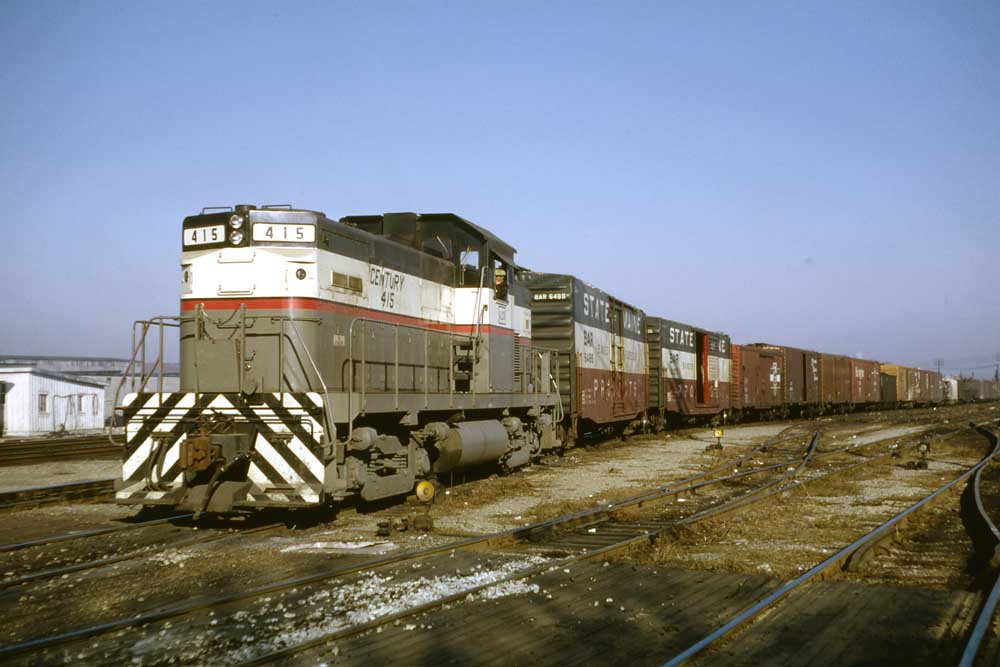
Five Alco locomotives no one wanted: In the annals of locomotive history, there are a great many success stories. The GP7, the U25B, and the SD40-2 spring to mind for many railfans. But among these successes, there are of course failures, models forgotten to time. This article highlights five locomotives from the famed manufacturer Alco […]
Read More…
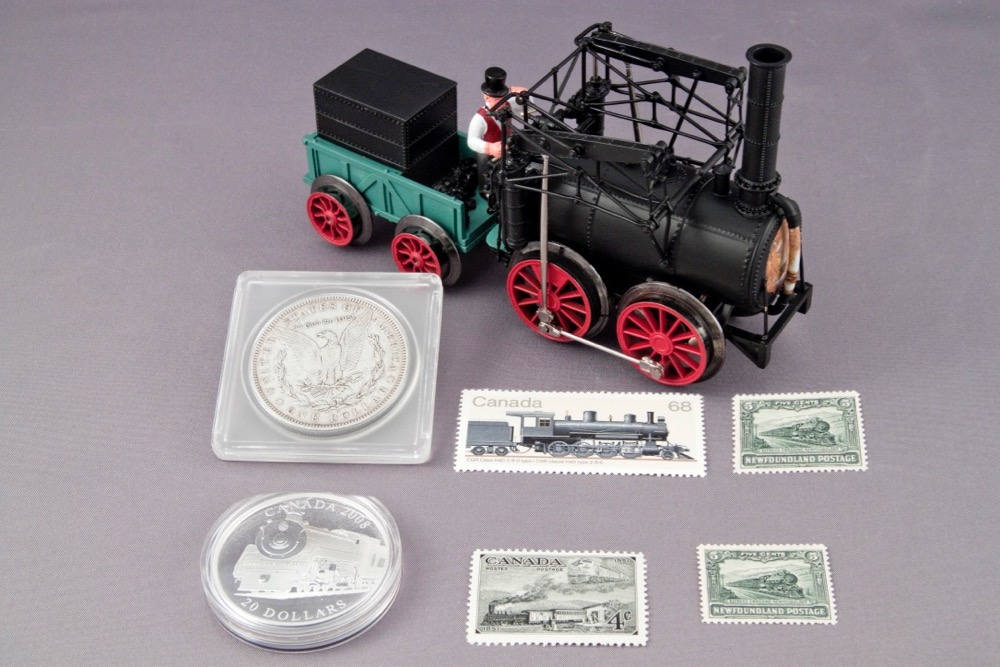
People collect almost everything imaginable — bottle caps, Cadillacs, pieces of string, sheet music to sing — and of course, toy trains. There are almost as many answers as to why we collect as there are collectors, but the reasons generally fall into two major categories: love of the object and expectation of financial reward. […]
Read More…
The holiday season is when many people get introduced to model railroading. It usually starts with a train set that contains a locomotive, a few freight cars, a caboose, some track, and a power supply. Eventually, you’ll probably want another locomotive or some new cars. Here are some ideas on where to buy model trains. […]
Read More…
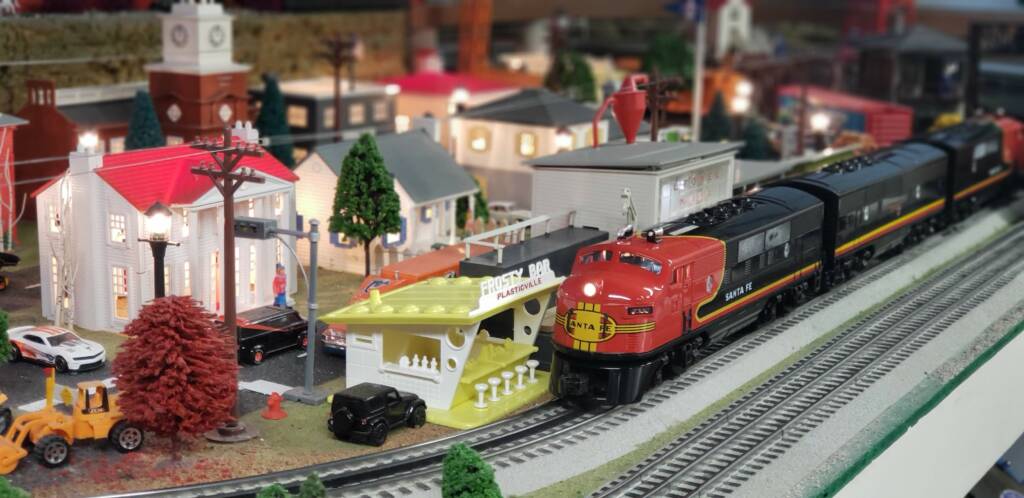
Design a toy train layout — O, S, or Standard/Wide gauge — it requires above all making one fundamental decision. Each operator must decide what sort of look he or she wants the layout to have. To be specific, each modeler has to figure out the extent to which the layout, regardless of size or […]
Read More…
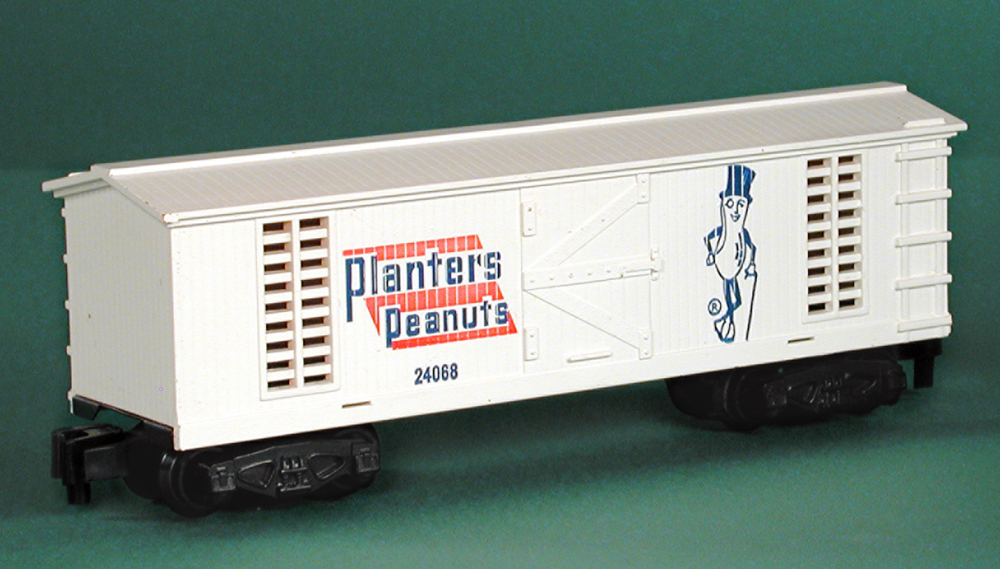
According to a document saved by Maury H. Romer, who supervised production of the postwar S gauge line, the A.C. Gilbert Co. intended to make a No. 24068 Mr. Peanut boxcar in 1962. It received a five-digit catalog number on Sept. 7, 1961. For unknown reasons, the project was abandoned after two prototypes were created. […]
Read More…
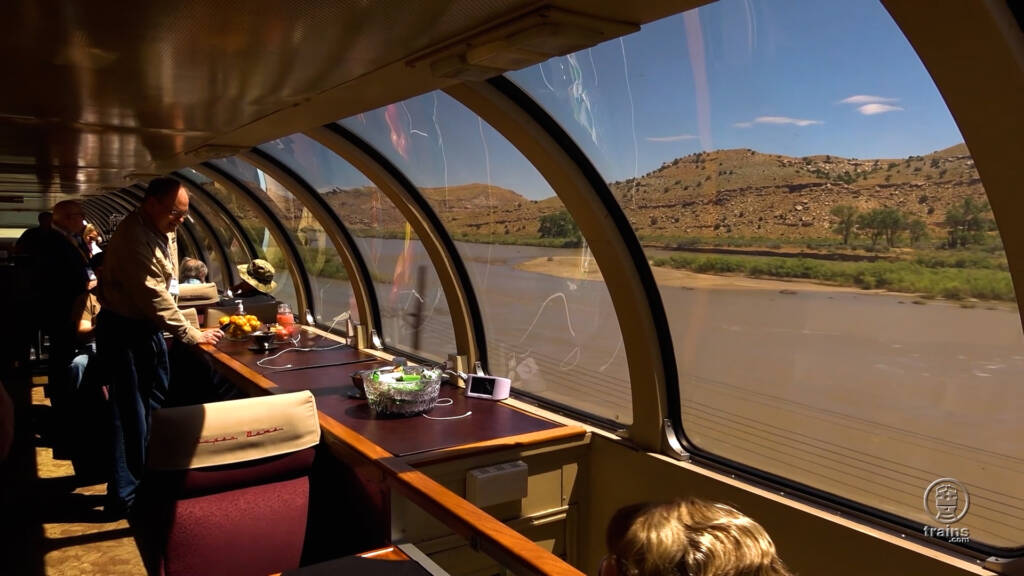
Private cars, also called “private varnish”, represent a mode of passenger railroading that’s intriguing and seemingly elusive to most viewing trackside. Who’s in that car? Where is it going? How are they able to do that? All questions that Trains.com staffer Bryson Sleppy has also pondered…and can now help us answer! Follow video highlights of […]
Read More…
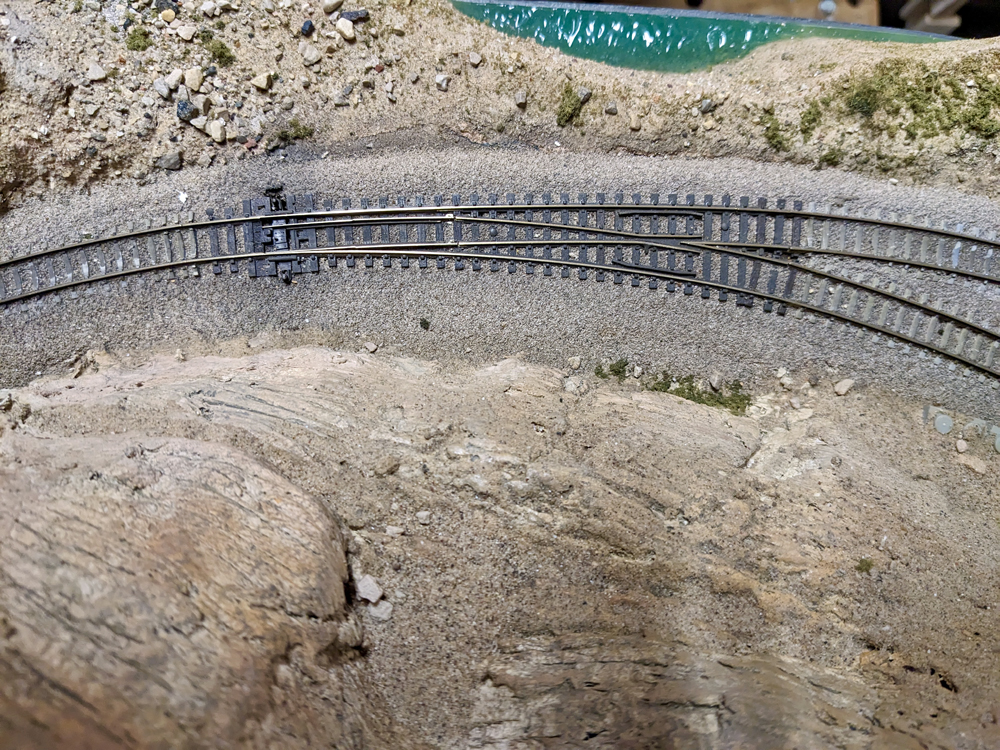
Are you building a siding or a yard? Or are you in the process of planning an N scale layout but not sure what turnouts are available? This N scale turnout roundup should help to answer some questions you may have. Turnouts (also referred to as switches) are pieces of track that allow a train […]
Read More…
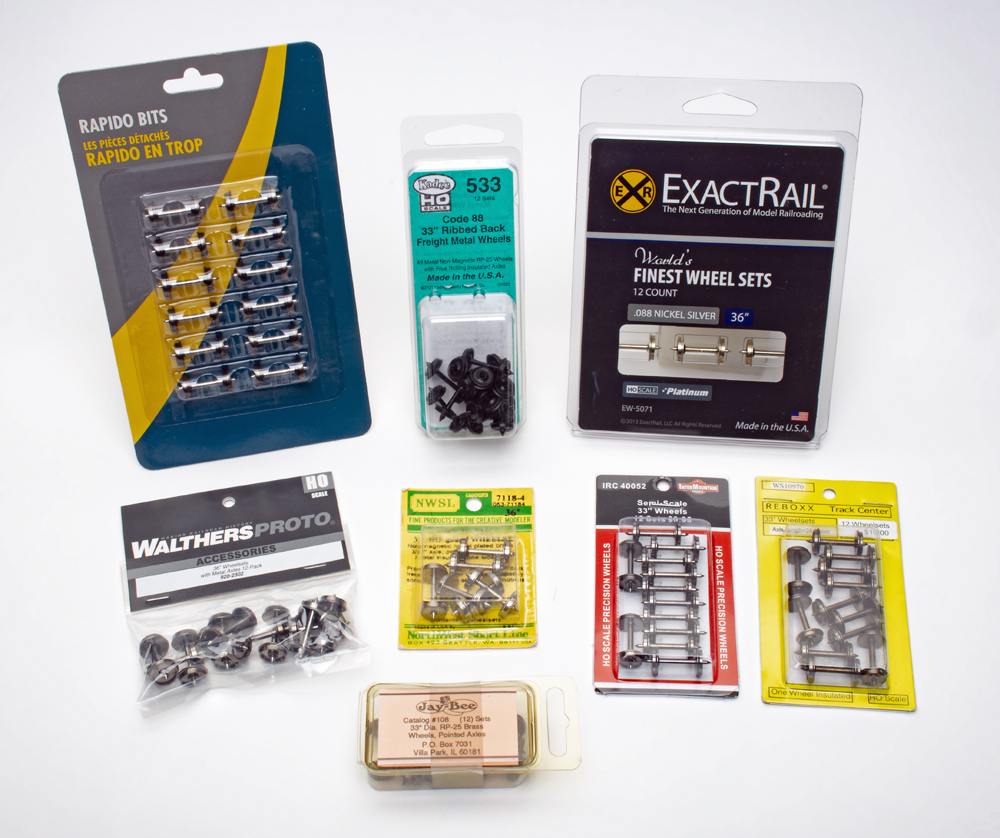
For many years, HO scale modelers debated whether to use plastic or metal wheelsets on freight cars. That discussion has quieted down over the past two decades, largely because most new models come with metal wheelsets. However, as evidenced by the number of offerings available today, there’s still a strong demand for aftermarket metal wheelsets. […]
Read More…
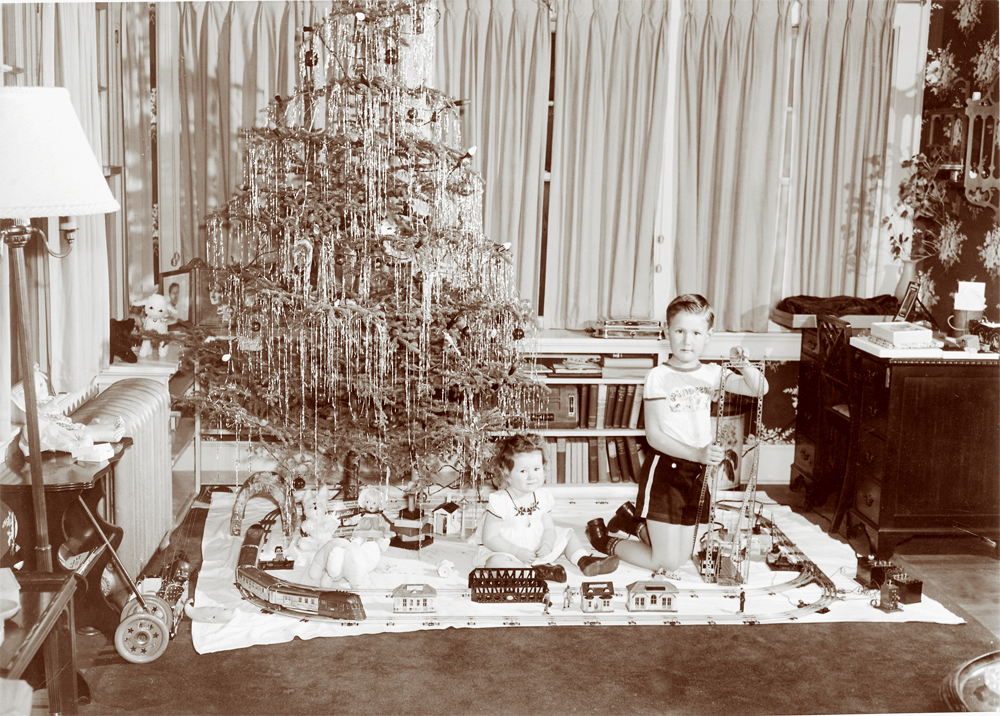
Christmas tree train set The history of the “putzen” In as early as the 18th century, Protestants immigrating to America were making miniature Nativity scenes in their homes around Christmastime. The Moravians, who at the time settled in the Lehigh Valley (eastern Pennsylvania), are recognized for consistently doing this activity. The term “putzen” is a […]
Read More…
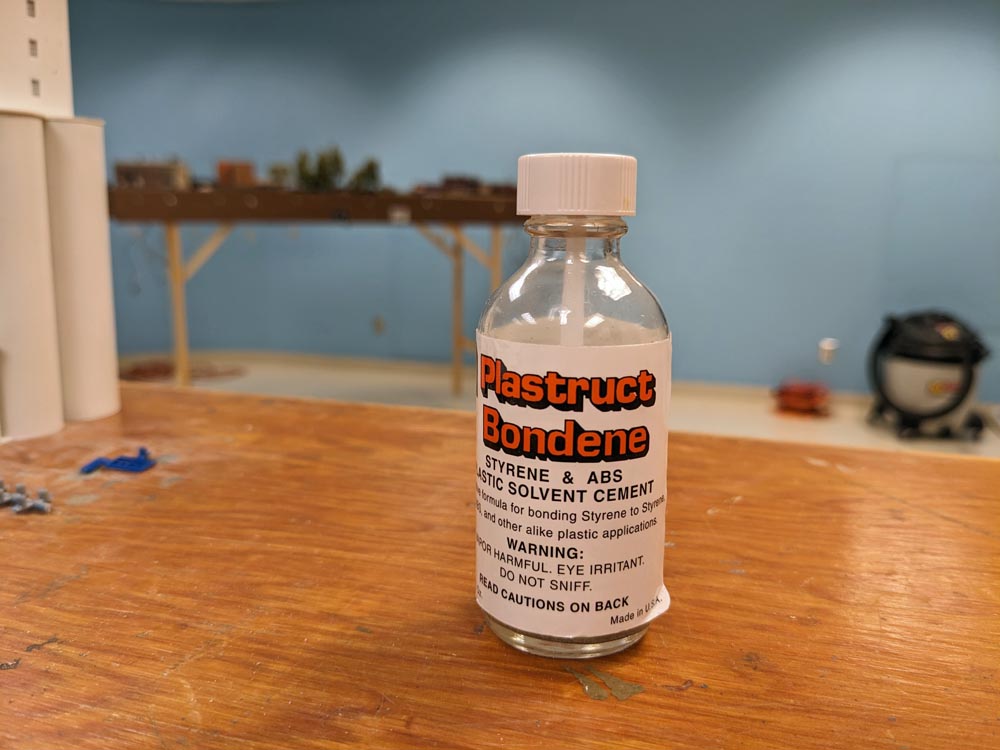
No matter what scale you’re modeling in or what era you prefer, there is no doubt that you’ll encounter the need to use an adhesive sooner than later. Whether it’s laying cork roadbed, building a structure, or applying detail parts, everyone needs a variety of adhesives for a variety of tasks. This list should help […]
Read More…
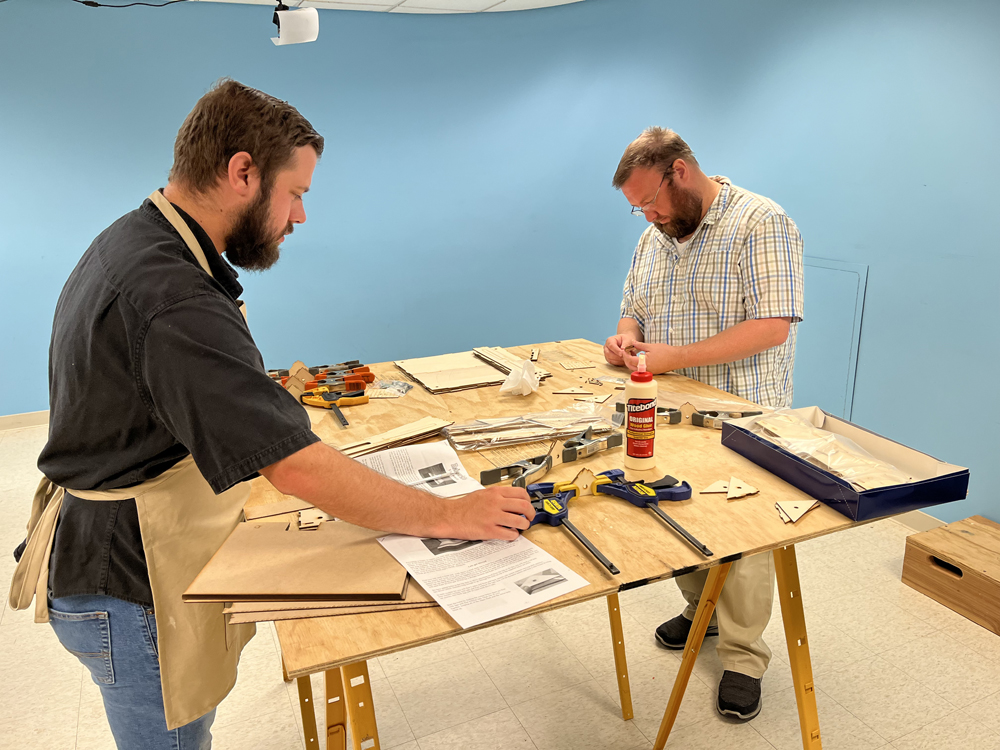
Modelers David Popp, Brian Schmidt, and Bryson Sleppy continue their series of projects to build a modular T-Trak N scale layout. T-Trak is a modular N scale railroading system that uses foot-wide boxes that can be plugged together to build tabletop layouts. In this second installment, the team demonstrates how to build RS Laser Kit […]
Read More…
Ride with Trains.com staffer Ben Lake as he enjoys the charm of regional passenger rail services through a scenic journey aboard an Amtrak Empire Service train. Departing from Penn Station in New York City, the train meanders along the Hudson River to Albany, N.Y., offering glimpses of iconic landmarks like the George Washington Bridge. Explore […]
Read More…