How to buy a toy train is a subject I’m frequently asked about. My focus is on trains and accessories from the post-World War II era, but I venture into the prewar and modern periods, too. In the past 25 years, Atlas, K-Line, Lionel, MTH, Williams, Weaver, and others have produced locomotives and rolling stock that are highly collectible.
I’ve been buying toy trains for a long time – more than 30 years – to build a collection to display and operate. Many people have shared advice along the way, and I’ve picked up a few insights from experience. I hope my ideas will shed light on what can be a challenging experience and help you avoid disappointment and frustration.
Everyone will make a mistake or two and end up with a model that really isn’t what was expected or desired. The best thing to do is figure out what went wrong and learn from this. The best advice I can offer: Gather plenty of information and be patient.
What do you want?
Getting started
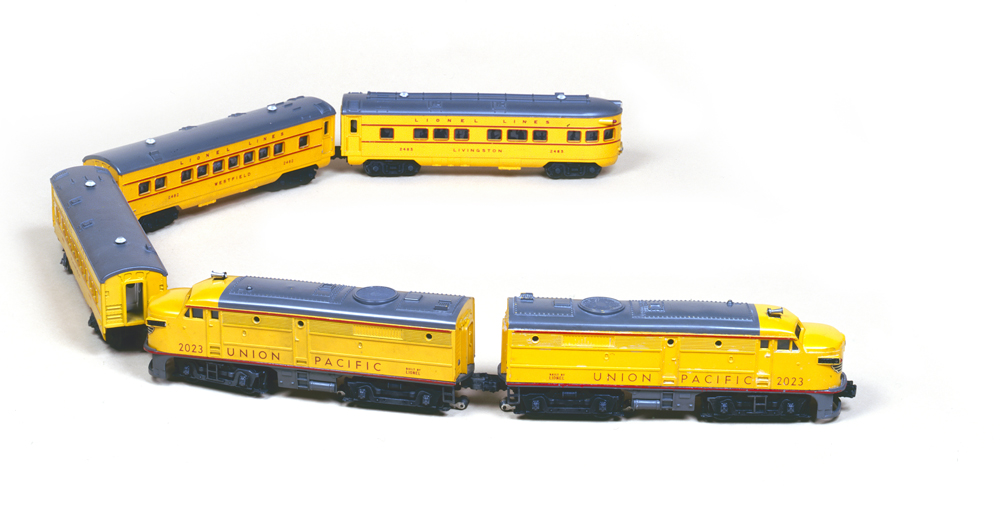
The first step of adding to a toy train collection is deciding what you want to acquire. For me, the desire is sparked by something cool and exciting I’ve seen in another collection or heard about in my position as senior editor at Classic Toy Trains magazine. Other times, my curiosity will be piqued by models I see while skimming through old catalogs and hobby publications like Model Builder, Electric Trains, or Toy Trains. Additionally, I pay close attention to what contemporary manufacturers are making and retailers are stocking.
There are some easy ways to keep abreast of what’s happening in our great hobby. One is to visit hobby stores near you. I make regular visits to ones near our offices, particularly Sommerfeld’s Trains & Hobbies. Besides being lots of fun, visits to these shops provide lots of information about the latest and greatest locomotives, rolling stock, and sets.
Next, I study the advertisements in CTT by major retailers, notably Charles Ro Supply Co., Grzyboski’s Trains, Nicholas Smith Trains, Roundhouse South, and TrainWorld. If something listed catches my eye, I immediately head to their respective websites to learn more.
How do I learn more?
Once I set my sights on an item, I acquire as much information about it as I can: when it was cataloged; features it has so I can make sure they’re intact; and any variations of the model. The latter may relate to differences in paint and lettering or assembly.
Here are the places I look for details about items:
The Internet – Searches are easier if I have the manufacturer name, type of model, railroad name, and product number.
People in the hobby – I seek out authors or dealers who might have information to share about the pieces.
Reference guides – The sources I trust most are the books put out by Greenberg Publishing in the 1980s and 1990s. They cover virtually every manufacturer from the prewar and postwar periods, along with Lionel for the first two decades of the so-called modern era (1970-present). More recently, Bruce Greenberg has finished comprehensive volumes focusing on Lionel Standard and O gauge trains from the prewar decades.
Plus more
In addition, there are a number of books concentrating on toy train makers from the late 19th and early 20th centuries as well as contemporary ones, notably K-Line and MTH Electric Trains.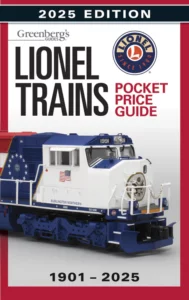
Pocket price guides – When dealing with American Flyer and other S gauge trains as well as Lionel Standard and O gauge pieces, I refer to the latest editions of their respective pocket price guides. I want to be sure that I pay a fair price for an item, and these guides provide a wealth of information based on the condition of the piece.
Once I have all the knowledge I can find and have jotted down notes about what I’ve learned, I can search for and ultimately find the next treasure in my collection. In theory, doing my homework should help me make intelligent buying decisions and avoid serious mistakes. Hopefully it will help you avoid some pitfalls, too!
Share this article