MONTREAL — VIA Rail Canada has issued a formal request for information from potential manufacturers of locomotives and passenger cars who might be interested in re-equipping the company’s long distance and regional remote passenger trains.
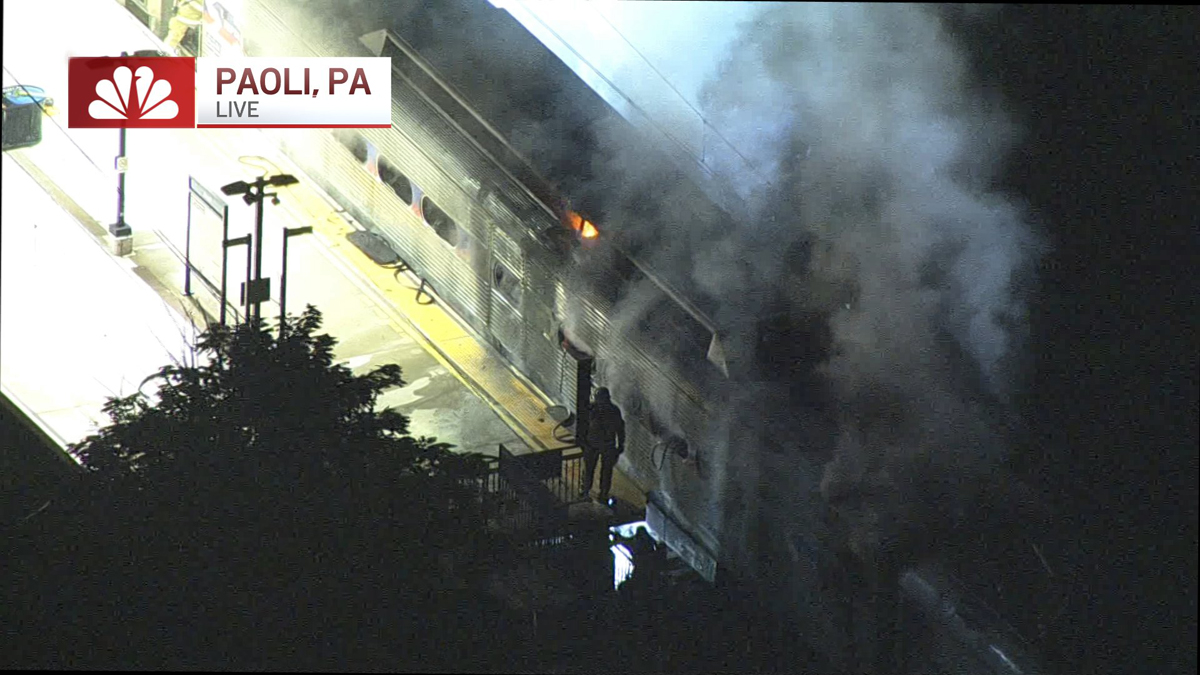
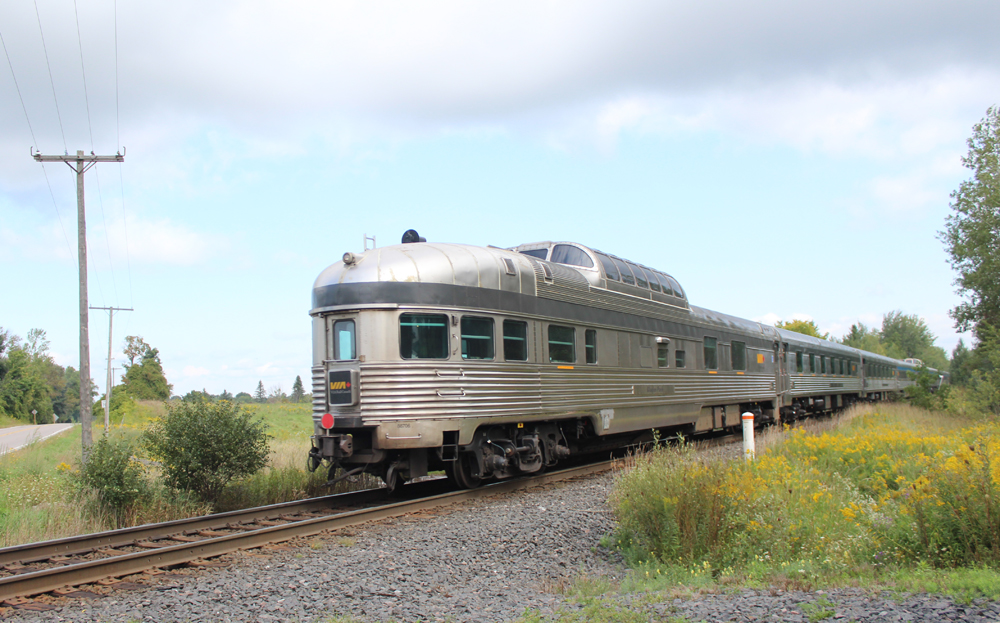
VIA’s appeal comes as Amtrak is evaluating responses received from a similar invitation [see “Amtrak seeks carbuilder interest …,” Trains News Wire, Jan. 19, 2022]. It also is taking place while the equipment the company assesses the structural integrity stainless steel cars built by Budd in the 1940s and 1950s — the cars VIA wants to replace [see “VIA: Need for ‘in-depth’ inspections led to buffer car decision,” News Wire, Oct. 19, 2022].
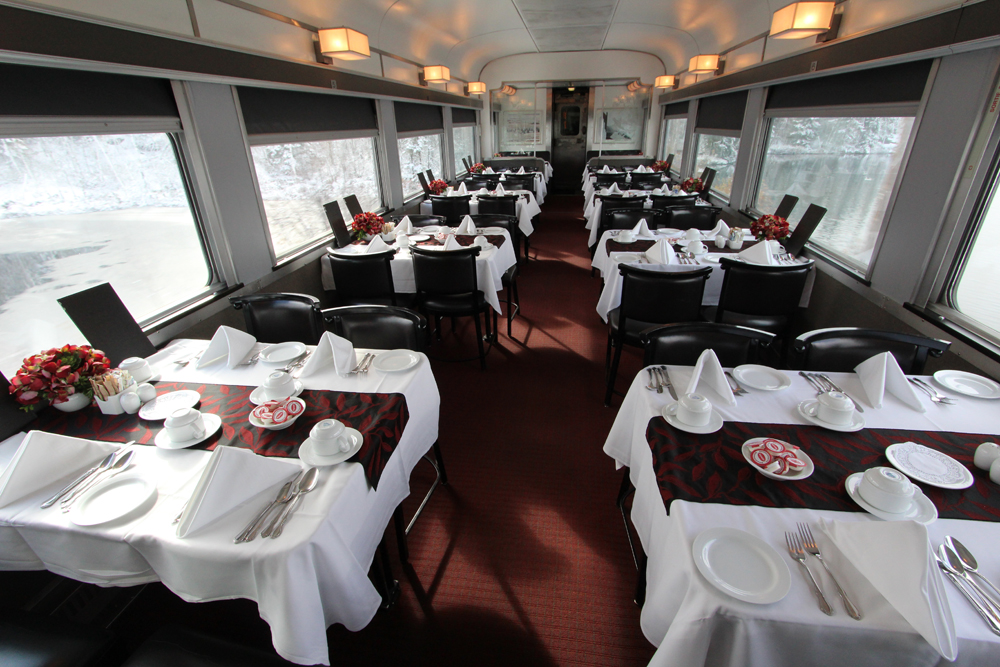
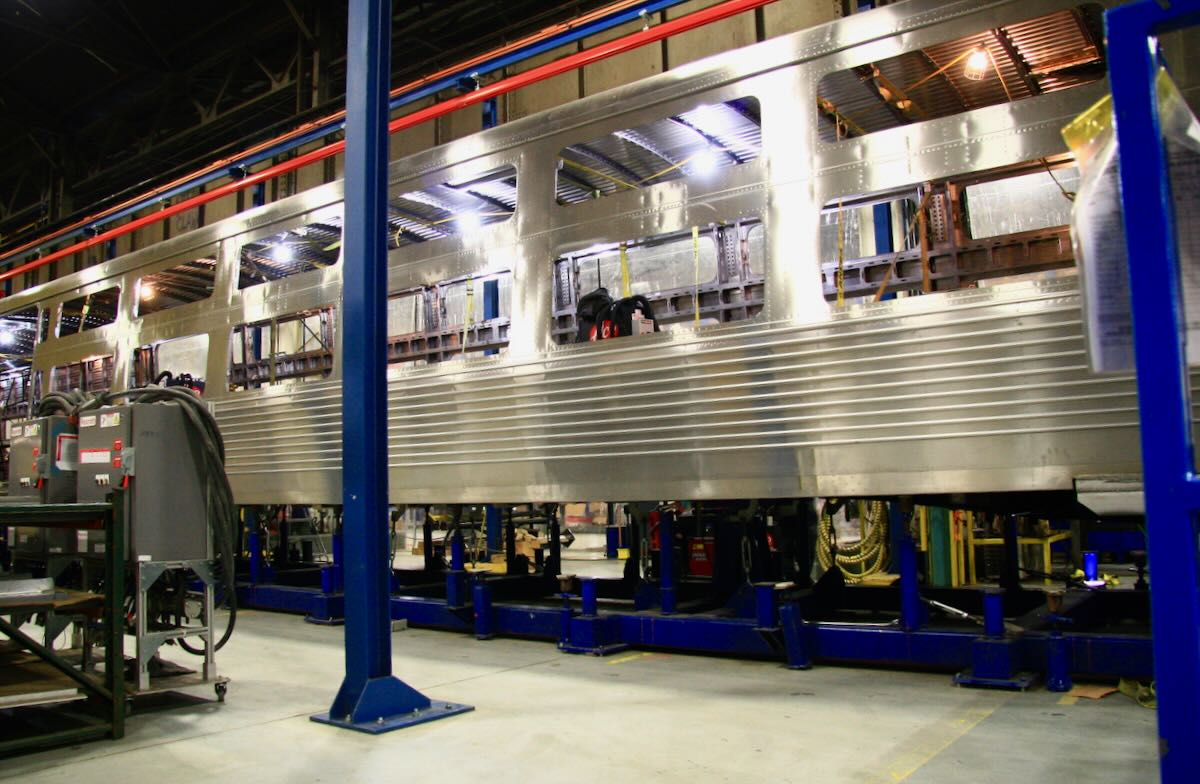
The Canadian operator’s “Long Distance, Regional, and Remote Fleet Renewal Project notice of market consultation,” issued late Friday, Jan. 27, says VIA is looking to select “a supplier to design, manufacture, test, supply, deliver and commission cars and motive power and ancillary equipment (onboard and offboard) with a prescribed capacity of car types (seated coaches, sleeper, diners, multi-purpose, baggage) through an open competitive procurement process.”
VIA will consult with prospective applicants “to solicit feedback on VIA Rail’s proposed technical specifications, maintenance’s scope of work, as well as commercial and contractual related terms.” This is “to reduce the eventual in-market time [and] ensure requirements clarity … prior to commencement of a formal procurement process.” Parties must sign non-disclosure agreements, due by Feb. 17, before taking part.
A general informational session involving prospective applicants is to take place in March, and confidential meetings with individual carbuilders or consortia will begin in May. P1 Consulting was tapped as a “fairness monitor” to attend all meetings.
The expedited timeline to gauge manufacturer interest and begin substantive discussions essentially acknowledges that any manufacturer involved has already responded to Amtrak’s request for information.
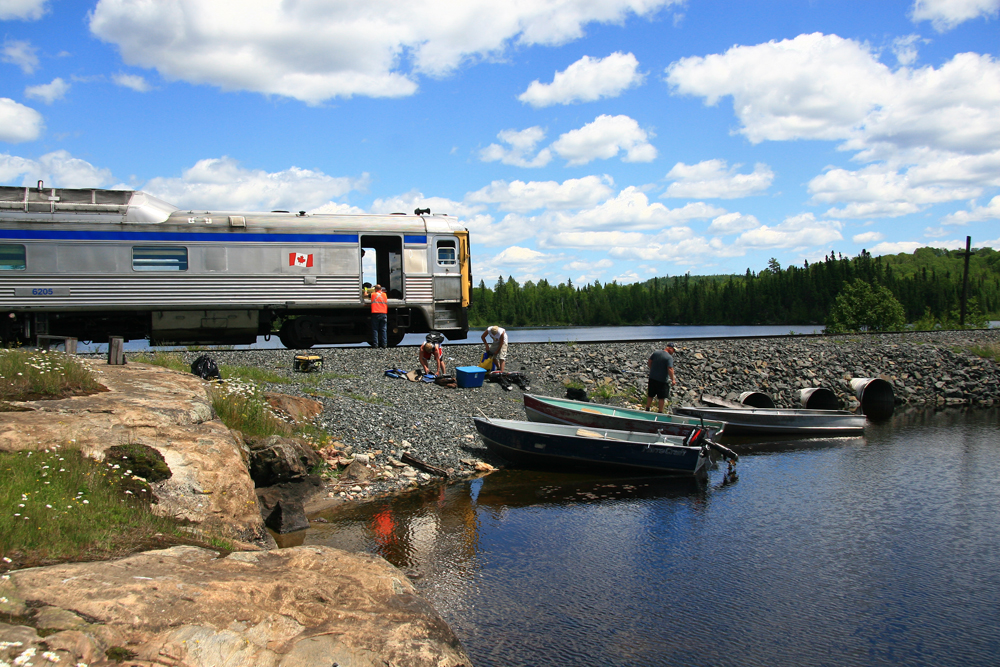
Unique to VIA’s network, as presently constituted, are remote services in four Canadian provinces. With the exception of the multi-day Winnipeg-Churchill, Manitoba, overnight train, these don’t require a full complement of sleeping, lounge, and dining cars needed for the Ocean (Montreal-Halifax, Nova Scotia) or Canadian (Toronto-Vancouver, British Columbia). One remote route serving areas inaccessible by highways, the tri-weekly Sudbury-White River, Ontario, train, is currently operated with Budd-built Rail Diesel Cars. Another. between The Pas and Pukatawagan, Manitoba, utilizes VIA’s only remaining non-stainless steel cars, ex-Canadian National holdovers, on a twice-weekly mixed train.
Most manufacturing synergies consistent with Amtrak’s equipment needs, however, involve replacing rolling stock on the Ocean and Canadian. New equipment investment has bypassed replacements for cars built more than 60 years ago that currently ply long distance and remote routes. Instead, VIA has bought equipment for the Quebec City-Windsor, Ontario, corridor: Bombardier’s Light Rapid Comfortable in the 1980s, and 32 five-car Siemens Venture trainsets priced at C$989 million (about $750 million U.S.) now being delivered.
Whatever the manufacturer interest, this inquiry does give VIA management a tangible price tag with which to seek government funding necessary to maintain long-distance service.
It comes as the company is poised to roll out new corridor trains but has been shut out of developing a separate passenger-only “High Frequency Rail” route between Quebec City and Toronto. That project has been usurped by Transport Canada, which has created a separate entity to potentially involve private investors [see “Responding to inquiries, Transport Canada adjusts ..,” News Wire, Nov. 1, 2022].
Transport Canada, as the transportation arm of Canada Prime Minister Justin Trudeau’s Liberal Party administration, also controls the passenger operator’s priorities and funding. In the mid-1980s, VIA tested borrowed Amtrak Superliners after Bombardier bought the design rights to those cars from the defunct Pullman Standard. The tests in a harsh Canadian winter were successful, but the government of Conservative Prime Minister Brian Mulroney not only passed on an investment which would have benefitted Bombardier, but slashed overall funding, precipitating VIA’s severe 1990 downsizing.
More than 30 years later as VIA again seeks to replace its aging cross-country fleet, the future of Canada’s transcontinental passenger rail system hangs in the balance. “VIA: New trains, new challenges” (March 2023 Trains Magazine) provides an in-depth look at the new Siemens trainsets and the forces impacting Canada’s passenger operator.