
Roadbeds made easy with foam
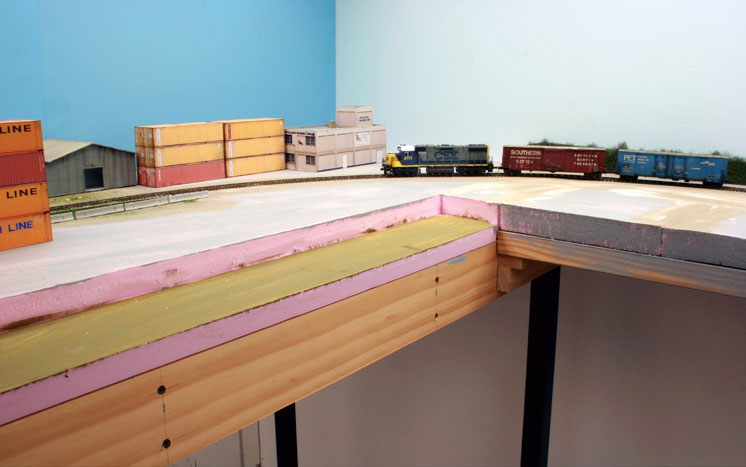
Foam roadbed panels

Roadbeds made easy with foam: Plywood has been the primary material for model railroad bench tops for many years. In many situations, though, I’ve found that extruded-foam insulation board is a viable alternative for bench tops built on either flat surfaces or open grids. With proper support, the rigid foam can easily hold anything a […]

Read More…

Building Trees

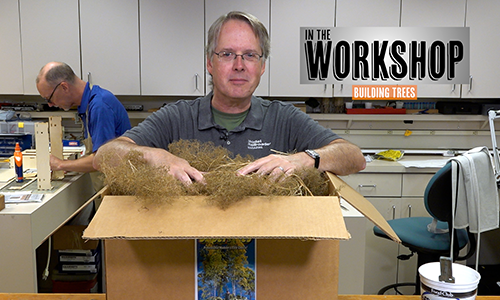
As work on the HO scale Freemont Mills model railroad continues, Eric White shares his technique for making realistic trees from scratch! The Super Trees natural product is at the root (pun intended) of all his work. After he shows how to model these trees, Eric also demonstrates helpful hints for installing them on a […]

Read More…

DCC decoder advice for N scalers

MRRNS0116_01

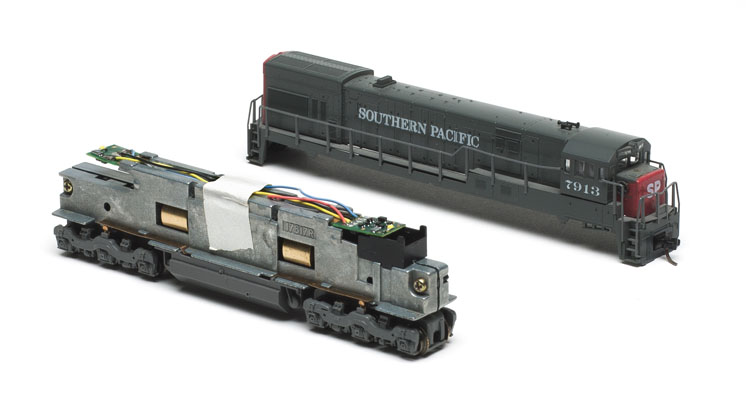
DCC decoder advice for N scalers: Any argument about powering a layout with Digital Command Control (DCC) ended for me many years ago. If you have more than one locomotive it’s the way to go, and the easiest way to get going is to purchase engines that come with the decoder already in there. This […]

Read More…

Repairing older N scale handrails

MRRNS1115_02

Repairing older N scale handrails: Back in the early days of N scale – the 1970s and ’80s – most N scale diesel locomotives had oversized handrails. In fact, they were often so outlandish we called them stovepipes. N-scalers have always been a clever bunch, and this was just one of the colorful and humorous […]

Read More…

Running N scale trains too fast

MRRNS0915_01

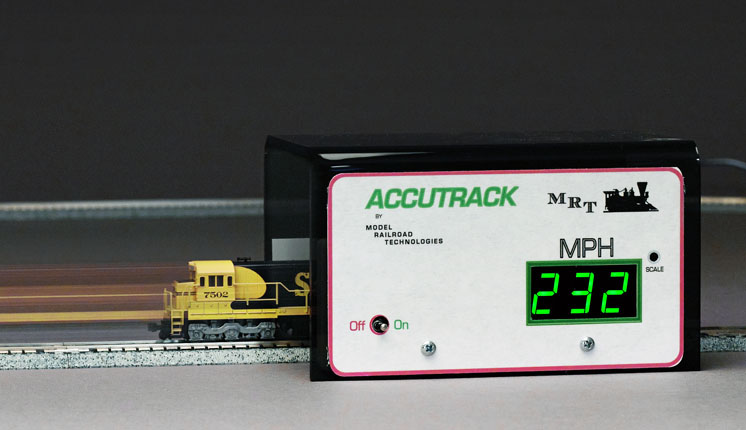
Running N scale trains too fast: Several years ago the N scale Enthusiast national convention came to town, and I was very pleased that, over the course of one day, four busloads of N scalers from all over the world came to my house to visit my layout. My friends Andy Sperandeo and Gordy Spiering […]

Read More…

Thoughts on detailing N scale diesels

Kato SD45

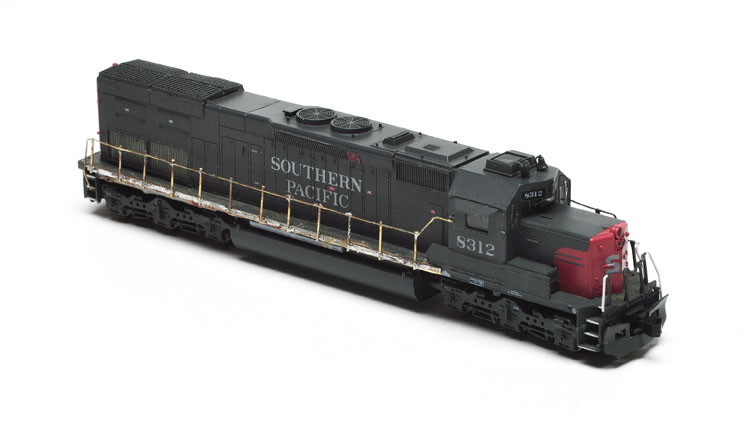
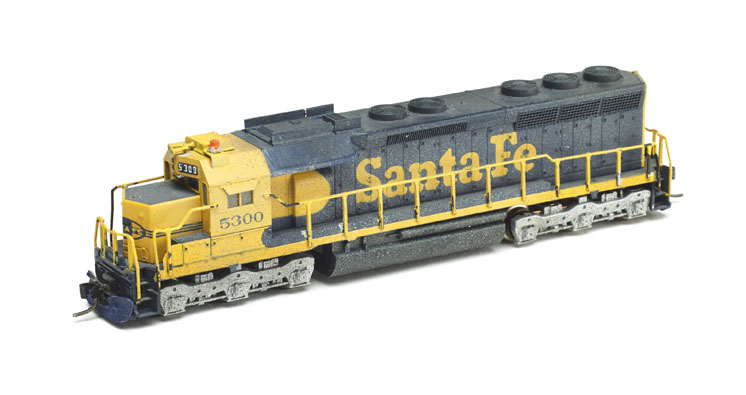
Thoughts on detailing N scale diesels: I really enjoy modifying locomotives and adding or subtracting details to make them more closely represent specific prototypes. I’m most interested in my Santa Fe and Southern Pacific engines, but hope someday to also get to the engines from other lines that turn up on my N scale circa […]

Read More…

The best N scale tools

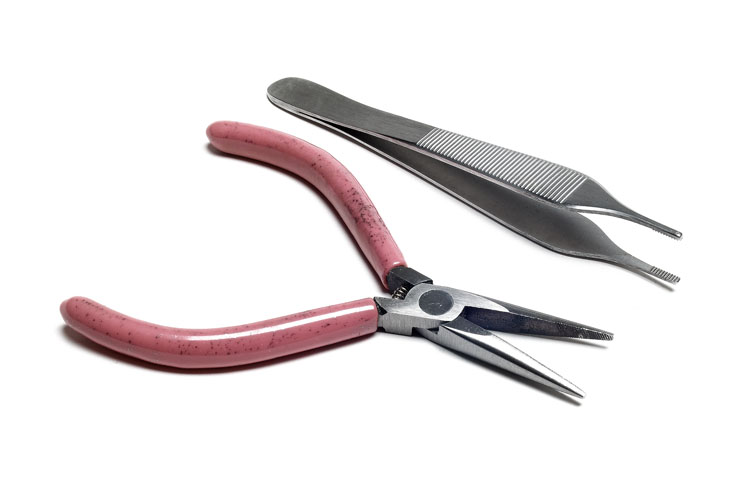
Tweezers and needle-nose pliers

The best N scale tools: I’m going to write about what might be called “second-echelon” tools, that’s to say the tools you begin accumulating after you’ve been in the hobby awhile  and have the basic tools you really can’t do without. The following is a short list of the some of the best N scale […]

Read More…

How to keep N scale piggybacks on track

Nscaleinsightmarch20151_edited1

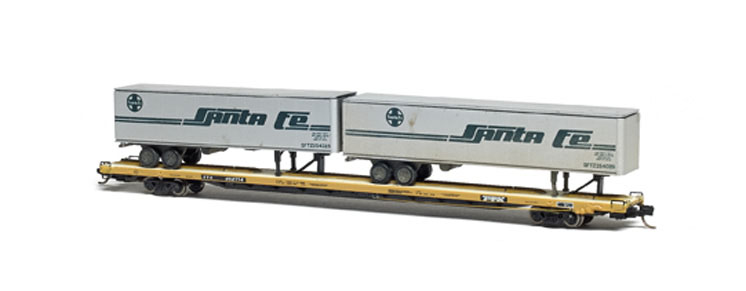
How to keep N scale piggybacks on track: My N scale Tehachapi Pass layout is set in 1985. Intermodal railroading was well established, but on nothing like the scale we see today. Most intermodal traffic in the pass was TOFC (trailer-on-flatcar), more commonly called “pigs,” short for piggybacks. For my money there’s nothing much less […]

Read More…

The Hills Line with James McNab | Goals, givens and druthers, Episode 13

In this episode of The Hills Line, host James McNab is making plans to build a portable layout that complements his HO scale Hills Line layout. He explains where the idea came from and sorts out the goals, givens and druthers that go along with this project. […]

Read More…

A handy N scale uncoupler — good for olives, too

ThisredplasticswordisjustrightforuncouplingNscalecars

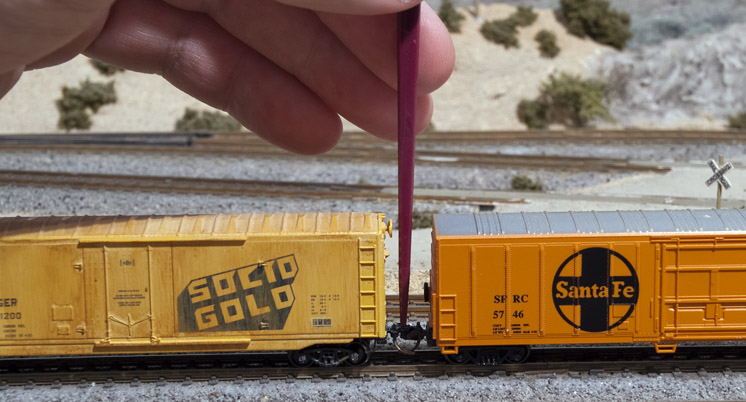
A handy N scale uncoupler: If you’re a model railroader, everywhere you go your antennae are out, scanning your environs for anything that might be useful to build with. And that leads me to swizzle sticks. I was having lunch with a tableful of in-laws at Maggiano’s Little Italy, a popular chain with a restaurant […]

Read More…

Installing abandoned tracks

In the course of building the HO scale Freemont Mills model railroad, Steve Otte shares his technique for adding a realistic representation of abandoned tracks. After gathering the essential materials – stained wooded ties, masking tape, and a spacing jig – Steve demonstrates the complete process, including how to add subtle scenery effects that help […]

Read More…

Adding diesel sound to American Flyer trains

Adding diesel sound to American Flyer trains

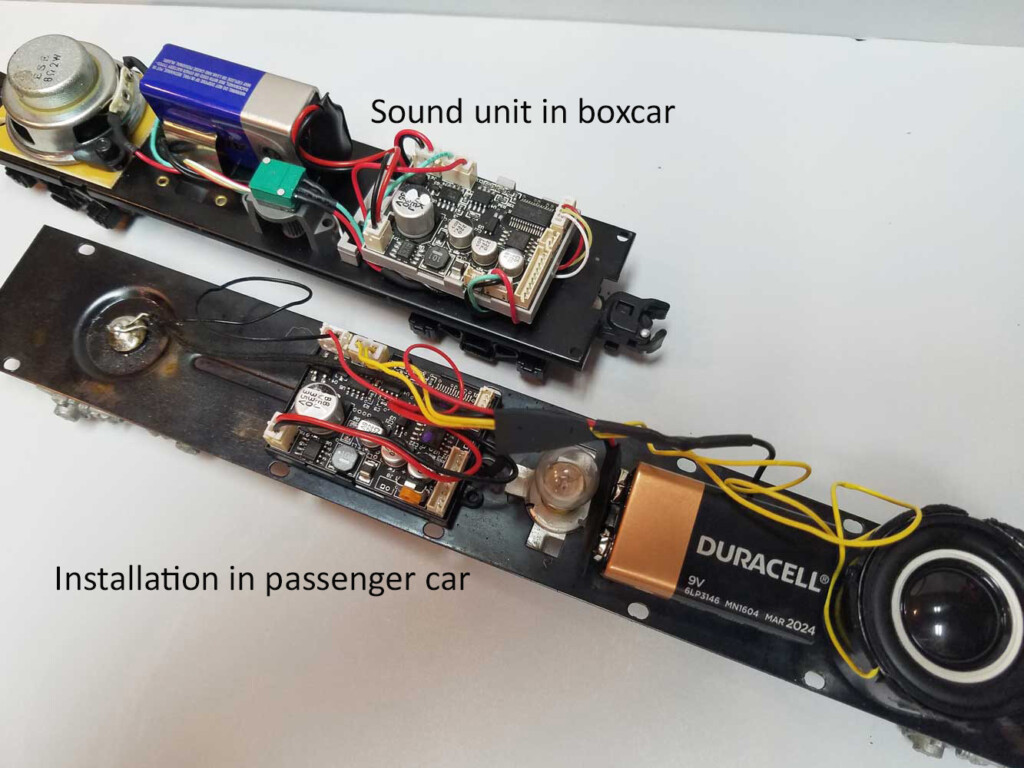
Adding diesel sound to American Flyer trains is easier than ever thanks to ready-made electronics. If you can accomplish basic wiring tasks, you can install the needed components. I run a mix of postwar American Flyer and Flyer produced by Lionel. That means with newer stuff I’m quite used to the sounds of modern electronics […]

Read More…