
Project railroad: Wiring

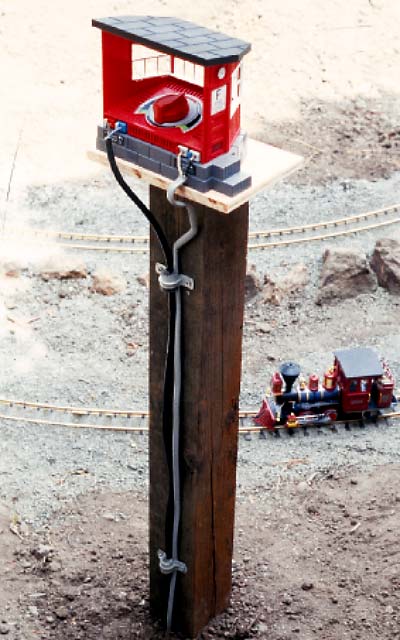
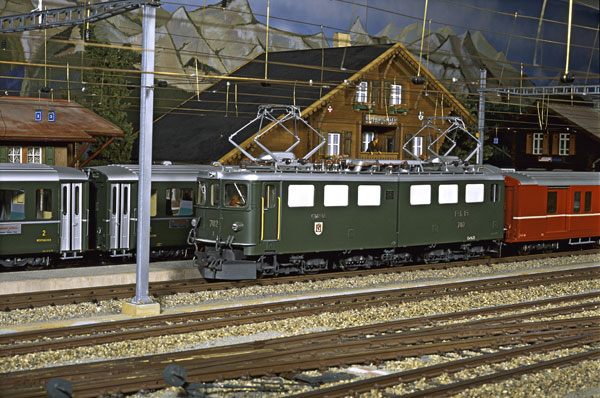
This wooden column supports the control center. Leads have been neatly attached to it. Marc Horovitz Small trains give the illusion of traveling long distances in a garden railway. Marc Horovitz With our trackwork complete, we could now turn our thoughts toward wiring the Colorado & Pacific. Since ours was a small railroad, wiring would […]

Read More…

Scale and gauge questions and answers about garden railroads

Garden Railways

I see there are locomotives in 1:24 scale for gauge-3 track. What width is gauge-3 track? How many gauges are there? Gauge 3 is 2.5″, which is the correct gauge for modeling standard-gauge trains in G scale (1:22.5). 1:24 scale is close. There are three gauges commonly used in garden railroading: Gauge 0 (11/4″ or […]

Read More…

Banish derailments on your model railroad

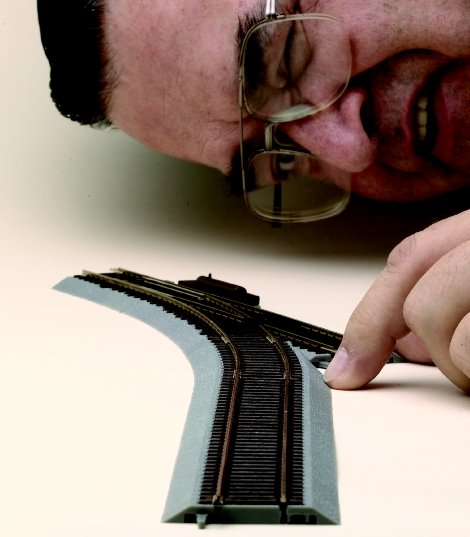
Align every rail joint Every rail joint must be carefully aligned, properly fitted, and level. Sight along the rail to check the alignment through the rail joiner. After the track is spiked down, use a fine file to smooth the top and inside corner of the rail joint until you can slide a fingernail across […]

Read More…

Basic flextrack tracklaying techniques

Building reliable model railroad track doesn’t take a lot of expertise or fancy tools, but it does require care and patience. Train sets traditionally include an oval of sectional track that’s fine for getting a quick start. However, most modelers choose flextrack when they begin building a permanent layout. Flextrack is supplied in 36-inch or […]

Read More…