
How to use a water level on your garden railroad
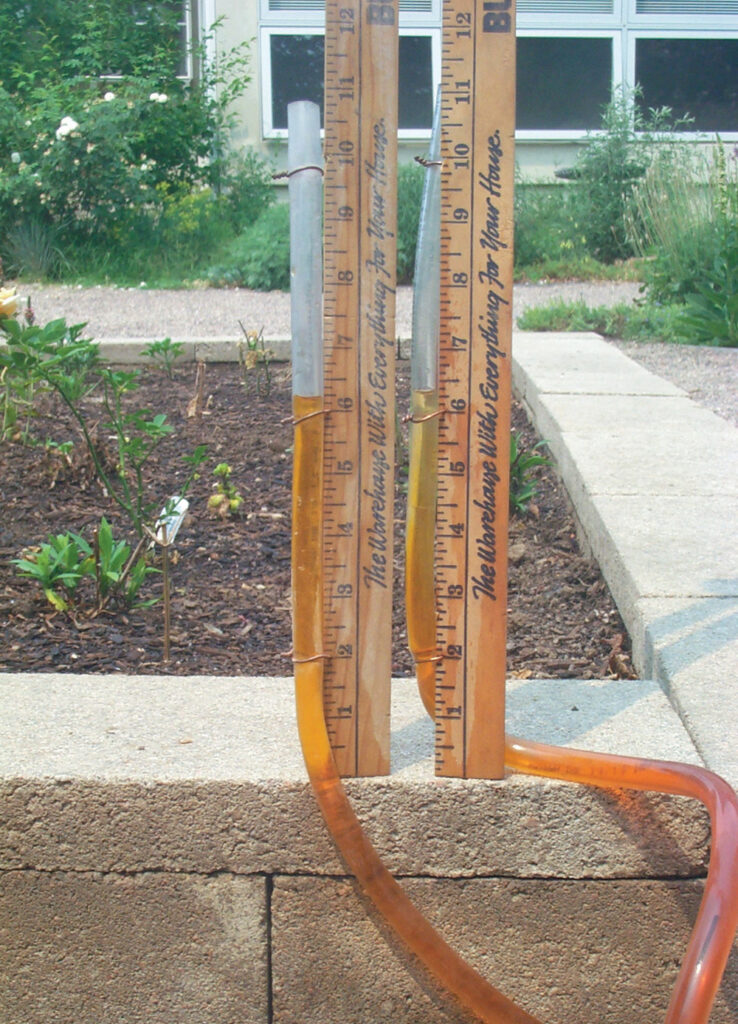
Homemade water level zeroed out.

A water level is a low-tech but precise way of measuring relative elevation in your yard. By using a water level, you can either find out how much elevation there is from one point to another or, if you are trying to make your railway level, it will tell you when you are there if […]

Read More…

Build a large-scale fueling facility in a small space

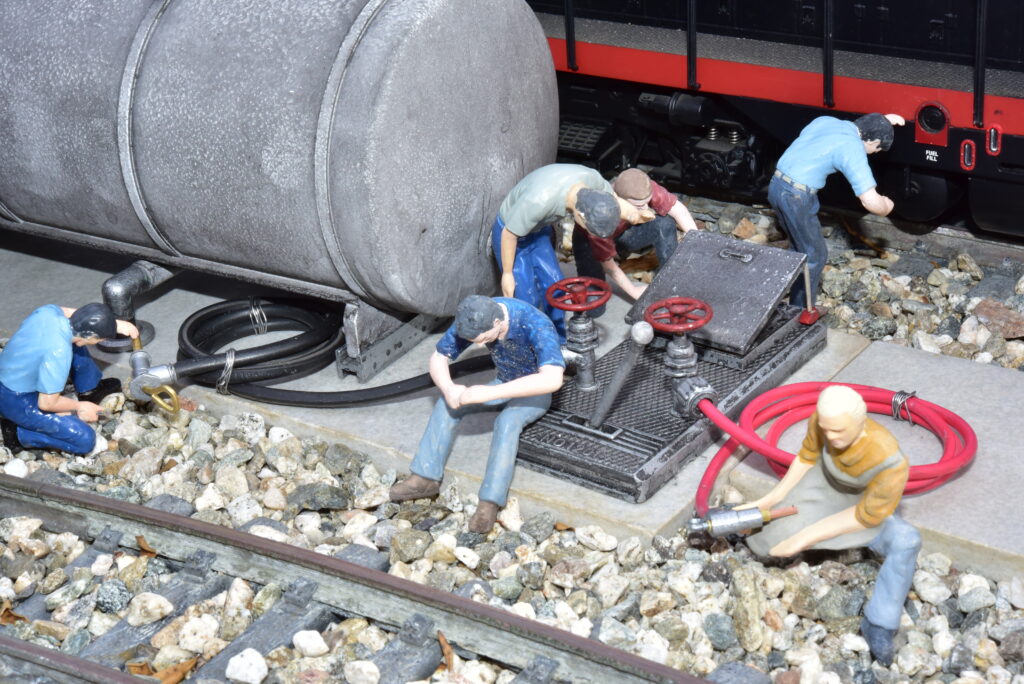
Closeup of model diesel fueling facility at work

I have a crossing where trains automatically stop and thought it would be nice to add a diesel fueling facility there, but I have a very limited space. First, I attached a walkway and tank/equipment pad using tile scraps to the main station pad with Plumbers Goop, and brass strips to keep everything in alignment. […]

Read More…

How to create a believable large-scale scene

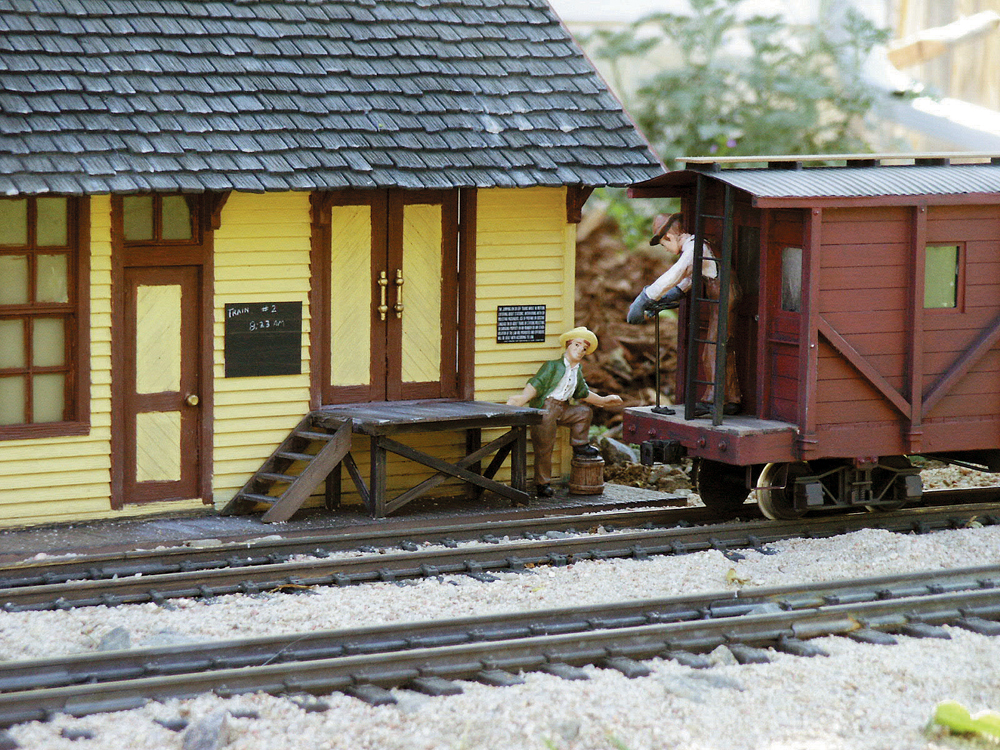
A caboose passes the station on a garden railway.

Structures are the easiest way to bring a scene to life. As with anything on the railroad, scale is the primary concern. You’ll want to find structures that match the scale of your trains. That’s not always as easy as just looking on the box. Even in commercial kits where a scale is designated, architectural […]

Read More…

What kind of paint should a large-scale modeler use?

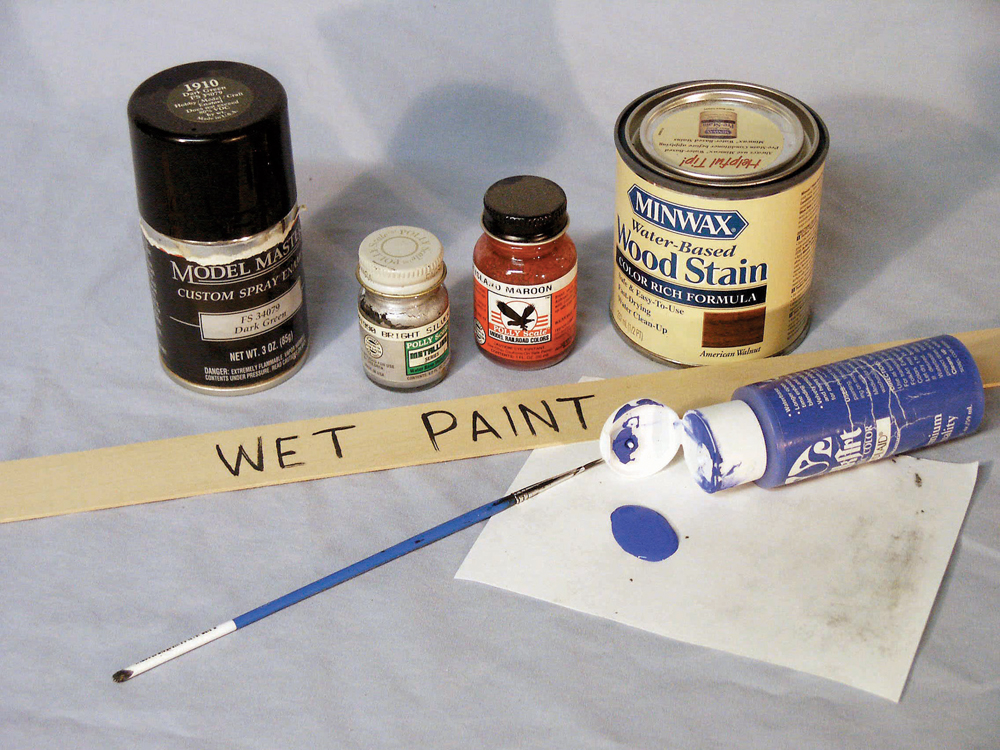
Assortment of paints plus a paint stir stick labeled “wet paint.”

There are three basic ingredients to any paint: the pigment, the binder, and the solvent. The pigment is what gives the paint its color. These are either synthetic or organic, depending on the desired color. The binder does just as the name suggests. Its job is to hold everything together once the paint dries. The […]

Read More…

Uncovering a desirable Lionel N5c Pennsy caboose

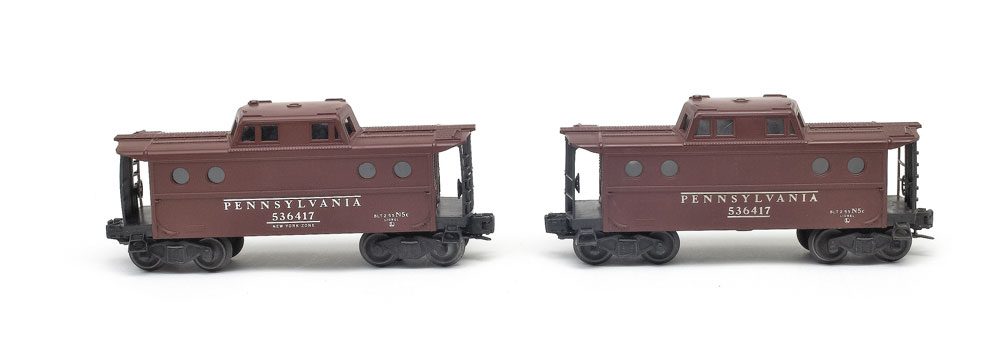
Lionel O gauge porthole postwar caboose

Lionel porthole caboose origins Lionel’s designers and marketers took significant steps in 1953 to expand and upgrade its roster of O gauge rolling stock. They introduced near-scale freight cars, notably larger and more realistic boxcars and a flatcar. They brought out for the first time a triple-dome tank car. And they distinguished the line with […]

Read More…

Efficient and well-stocked workshop for the garden railroader

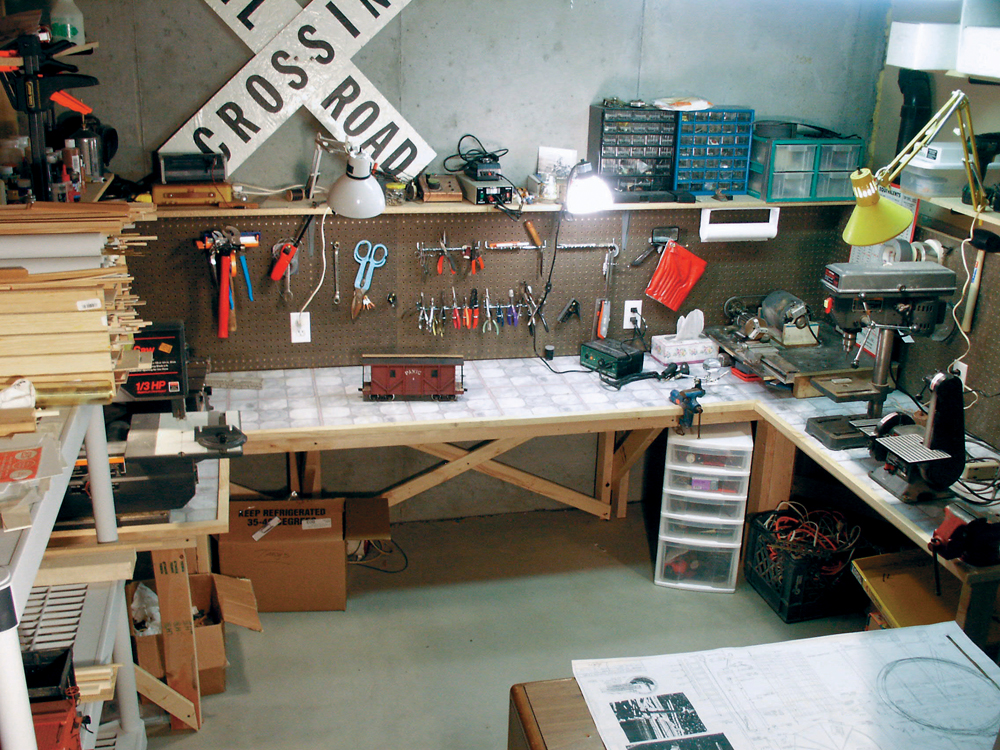
A well-stocked workshop for modeling

Garden railroad workshops come in all shapes and sizes. What is important about the workshop is that the work surface be large enough to accommodate whatever it is you want to work on without knocking into your stash of tools, paint and glue bottles, or anything else. Make sure your workbench is sturdy. The height […]

Read More…

Photo gallery of large-scale layouts at the 36th National Garden Railway Convention

Tennessee & Virginia Railroad Chris Bamburg

  The Nashville Garden Railway Society welcomes you to Nashville to attend the 36th National Garden Railway Convention! Nashville is a one-of-a-kind city that has something for everyone. High-tech meets small town, family values meets big business, country music meets symphony orchestra, micro-brewery meets vineyard. It’s all here! The Gaylord Opryland Resort & Convention Center […]

Read More…

Glues and adhesives for garden railroads

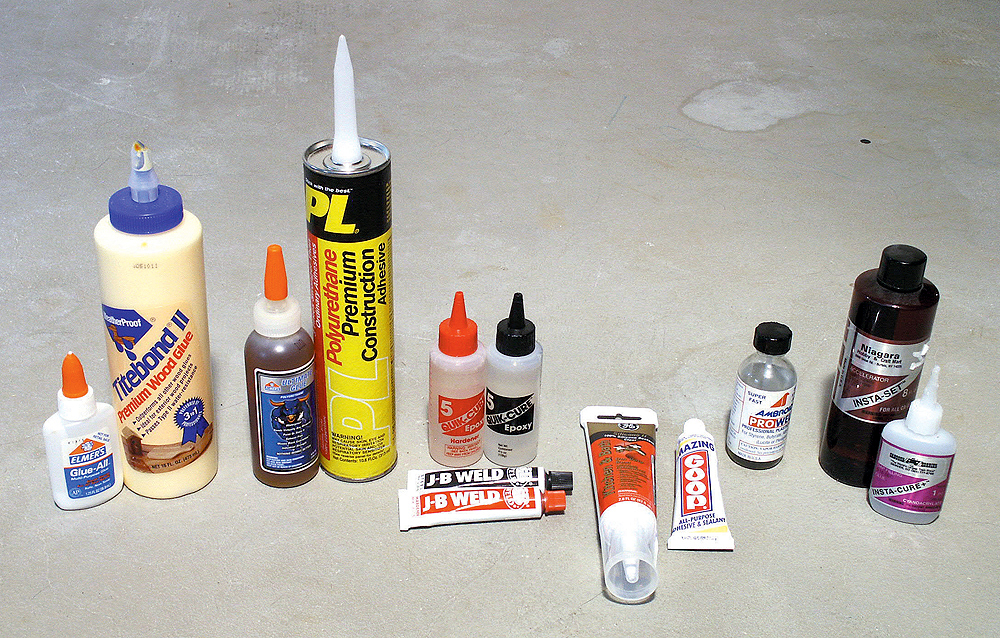
Several bottles and tubes showing the various adhesives described in the article.

Glues and adhesives are among the first things you need when building a model — to hold it together! There are lots of adhesives, and they all do specific jobs depending on the material. General-purpose adhesives White glue — This is known as a PVA (polyvinyl acetate) glue. When it dries, it’s nearly transparent. Its […]

Read More…

Five inexpensive garden railroad tools

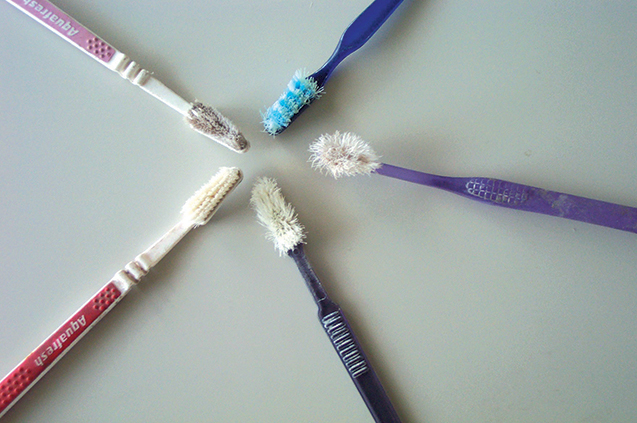
Grouping of old toothbrushes

Here are five tools for a garden railroad you can make or obtain cheaply. 1. Make a ballast broom If you do a lot of reballasting (or ballasting) on your railway, take an old 4-inch paint brush and attach the handle with screws to an extension pole about 3 feet long. This becomes a mini-broom […]

Read More…