
The people who work on trains

TEH1319635

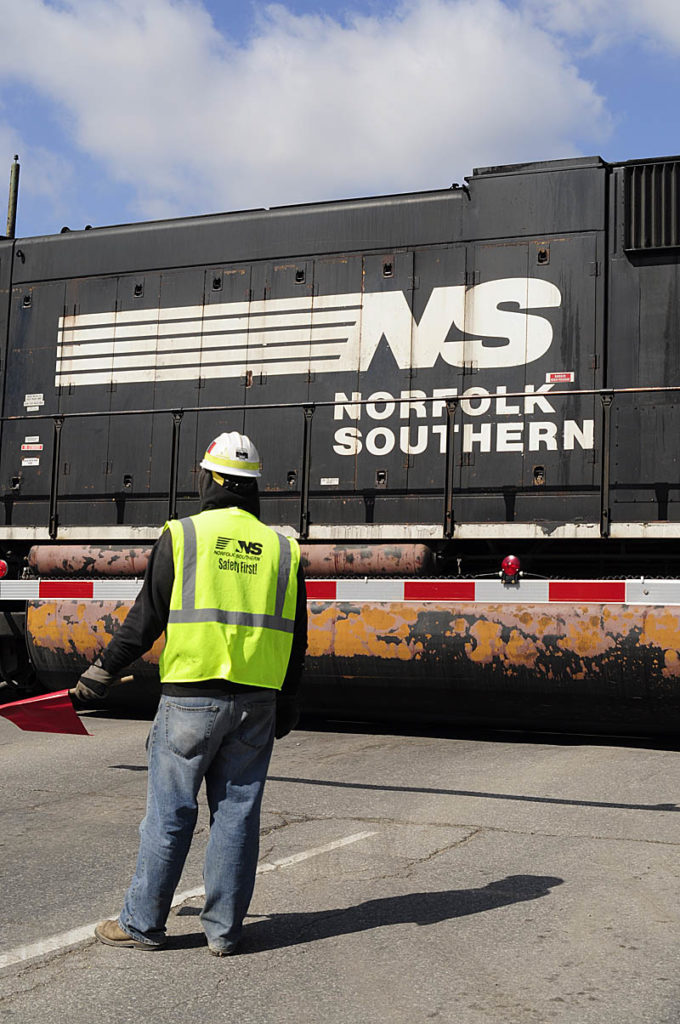
The people who work on trains have a variety of jobs. A Norfolk Southern flagman inspects a train near Marion, Ohio.  Dale A. DeVene Jr. The people who work on trains have a variety of jobs. Each member of a train crew has a specific function. Since train crews do most of their work beyond […]
Read More…

Resources for live steamers

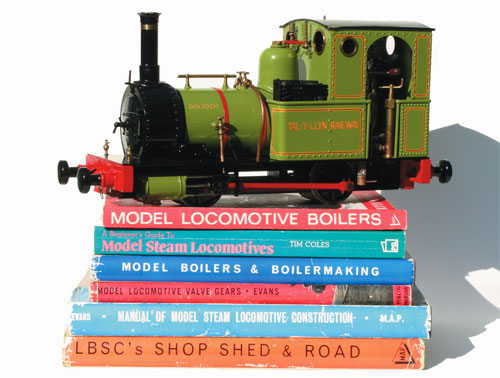
green and black model locomotive on top of a stack of reference books

One of the questions I often hear is, “I’m interested in getting into live steam; where do I find resources for live steamers?” Unfortunately, there is no “one stop shopping” for all the questions beginners may have about small-scale live steam. However, there are a number of resources out there that can provide answers, and […]

Read More…

Three steam engine terminal track plans

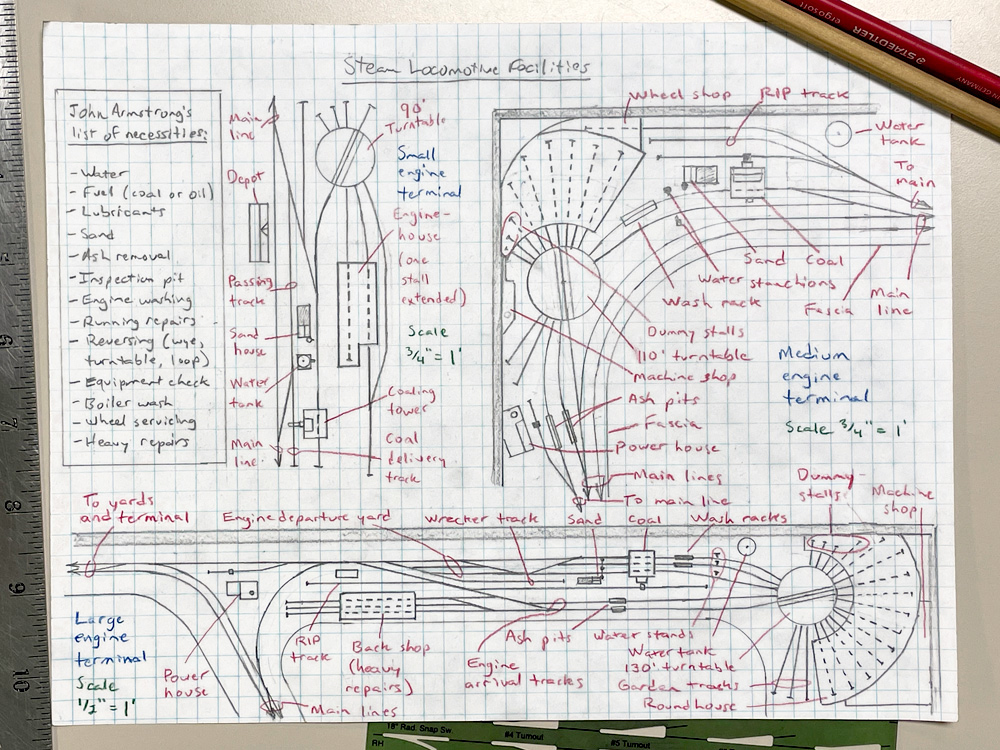
A sketch on graph paper of three track plans for different sized steam engine terminals

If you run steam locomotives on your model railroad, you need a steam engine terminal. Even if you don’t have room to model one, your model locomotives must get serviced somewhere off layout. But there are a lot of good reasons to model a steam engine terminal. First of all, and most important to some, […]

Read More…

HO scale freight car kit roundup

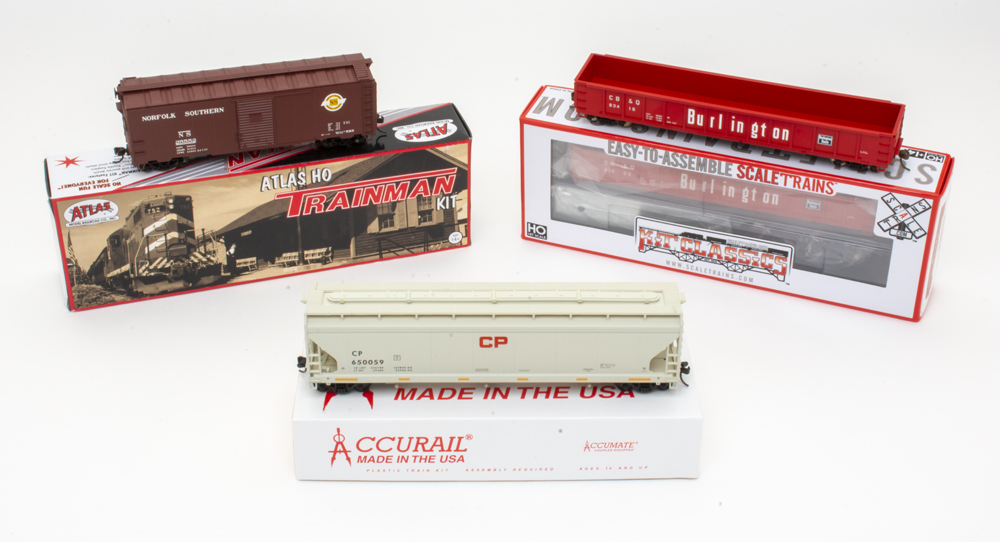
Color image of three HO scale freight cars on kit boxes.

When I got into model railroading as a kid in the 1980s, factory-decorated HO scale freight car kits were the industry norm. I remember staring in awe at the shelves at McGiffin’s in Grand Forks, N.D., and Bader’s in Moorhead, Minn., two of the larger shops near my hometown, which were lined high and wide […]

Read More…

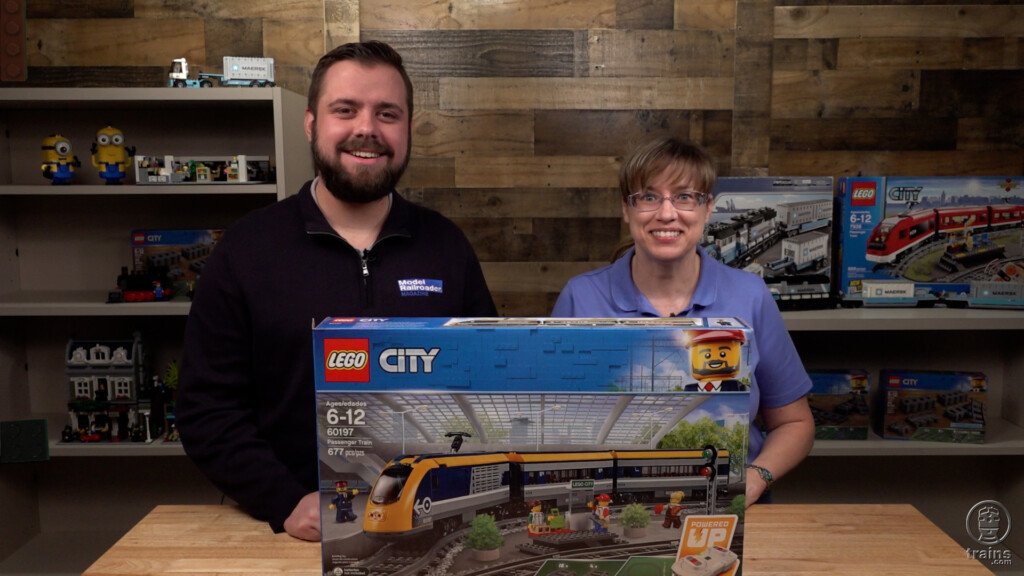
LEGO City 60197 Passenger Train – Part 2: Passenger Cars

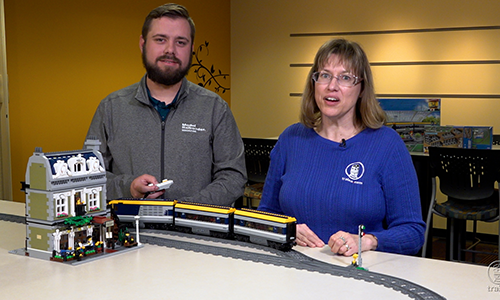
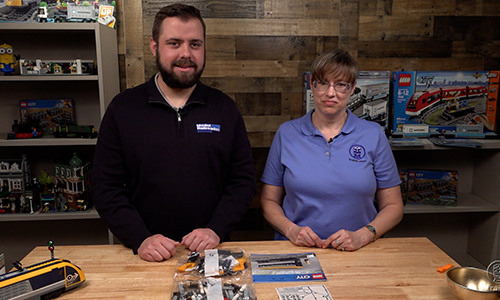
They completed the locomotive, station platform, and signal in the previous video. Now it’s time for Bryson and Rene to build the two passenger cars. They finish the remaining books and bags in the set and finish it at the end of the video. Keep an eye out for Part 3: Running the train here […]

Read More…

Modeling transition era railcar brakes

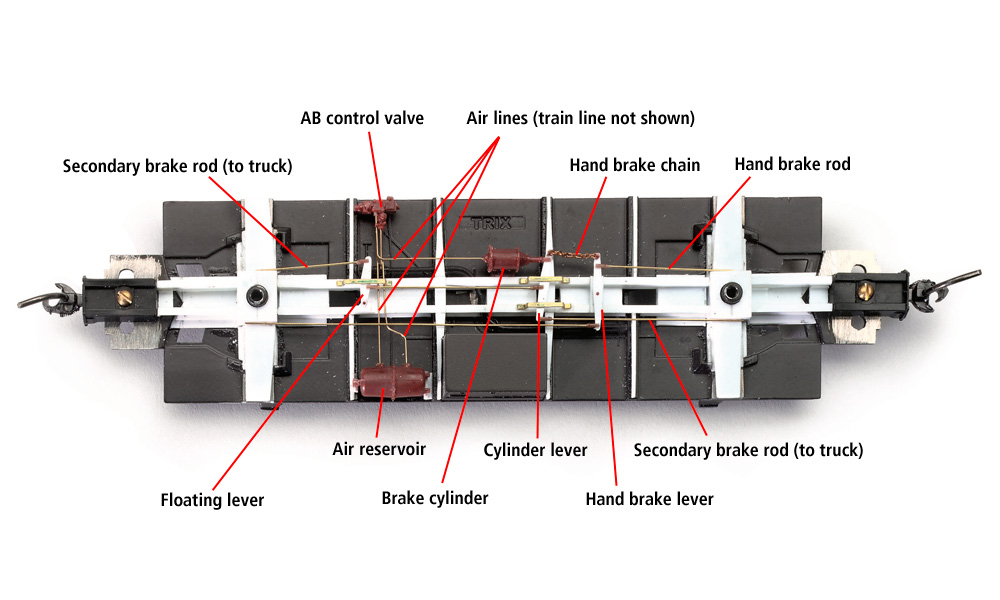
The underside of an HO scale caboose model with brake equipment labeled

Q: I am researching transition era railcar brakes. Were there books written on the subject, and are they still available for purchase? – Ron Buddemeier A: The most complete and detailed reference for transition era railcar brakes is the one used by the railroads themselves – the Car Builder’s Cyclopedia of American Practice. This weighty […]

Read More…

How do I add DCC passenger car interior lighting?

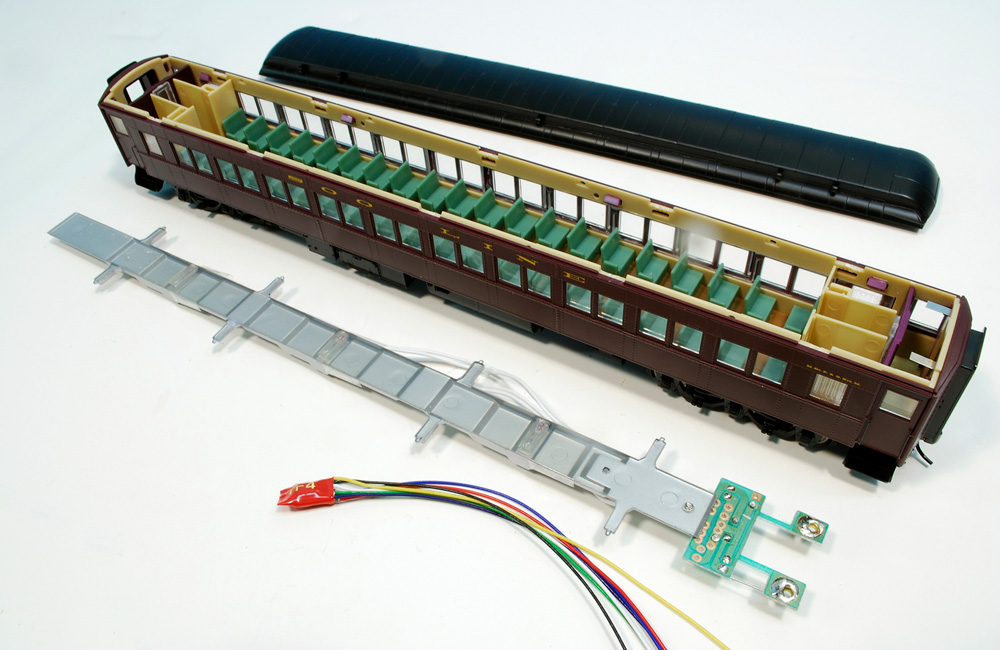
An HO scale passenger car is seen with its roof removed next to a passenger car interior lighting kit

Q: I have some HO scale passenger cars that I would like to install LED lights into. I’m new to model railroading. I understand that I need decoders in each car, but after that, I’m lost. – Alex Laserson A: If you want to install passenger car interior lighting, you don’t absolutely have to use […]

Read More…

Fixing N scale coupler problems

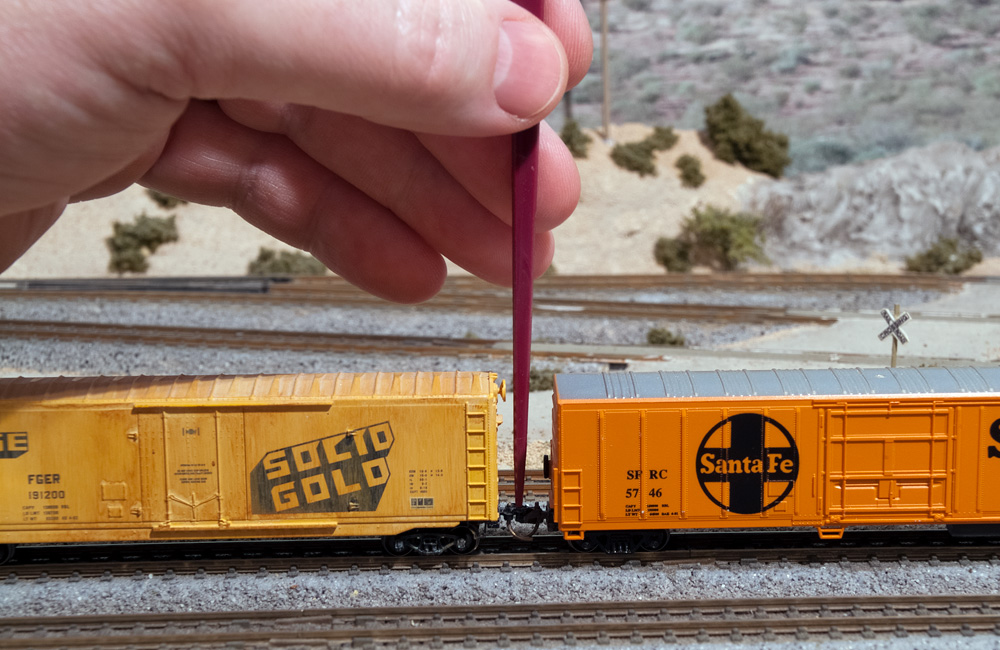
A hand uses a red plastic pick to uncouple two N scale freight cars

Q: I’ve tried many methods to uncouple my rolling stock automatically rather than use a manual tool. Permanent magnets were far from satisfactory even when I devised a way to raise them at the appropriate time to a position closer to the couplers. I’ve modified an HOn3 electromagnet to fit between the rails, and this […]

Read More…

LEGO City 60197 Passenger Train – Part 1: Building the locomotive

Model Railroader‘s Bryson Sleppy and Rene Schweitzer review the LEGO City 60197 Passenger Train set. Follow along as they build the station platform, signal, and the train’s locomotive. They go through the set book by book, bag by bag, and show tips, tricks, and building techniques along the way. This is Part 1: Building the locomotive. Look […]

Read More…

Is extruded-foam insulation board benchwork tricky?

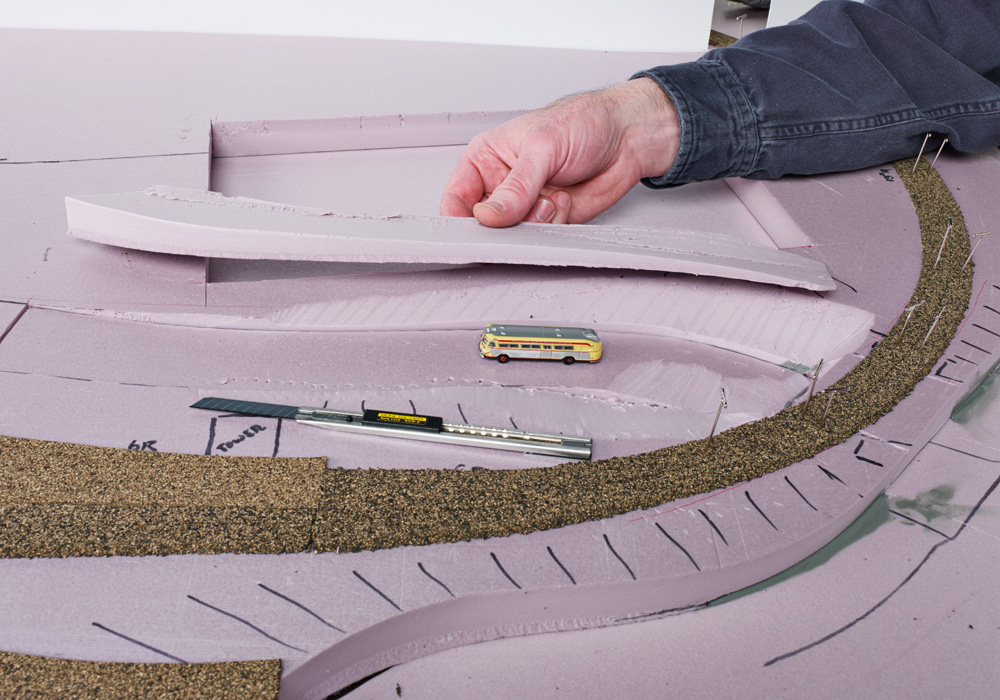
A hand reaches in to move a piece of pink foam board from an N scale layout under construction

Q: What are the drawbacks of extruded-foam insulation board benchwork? Much has changed with model railroading since my childhood. As a retiree, I’m re-entering the hobby with a modest HO scale layout in a 10 x 15-foot room in my garage. I’ve consulted several articles, books, and videos on benchwork, but I’m still uneasy about […]

Read More…