
Preview October and November 2023 Garden Railways content
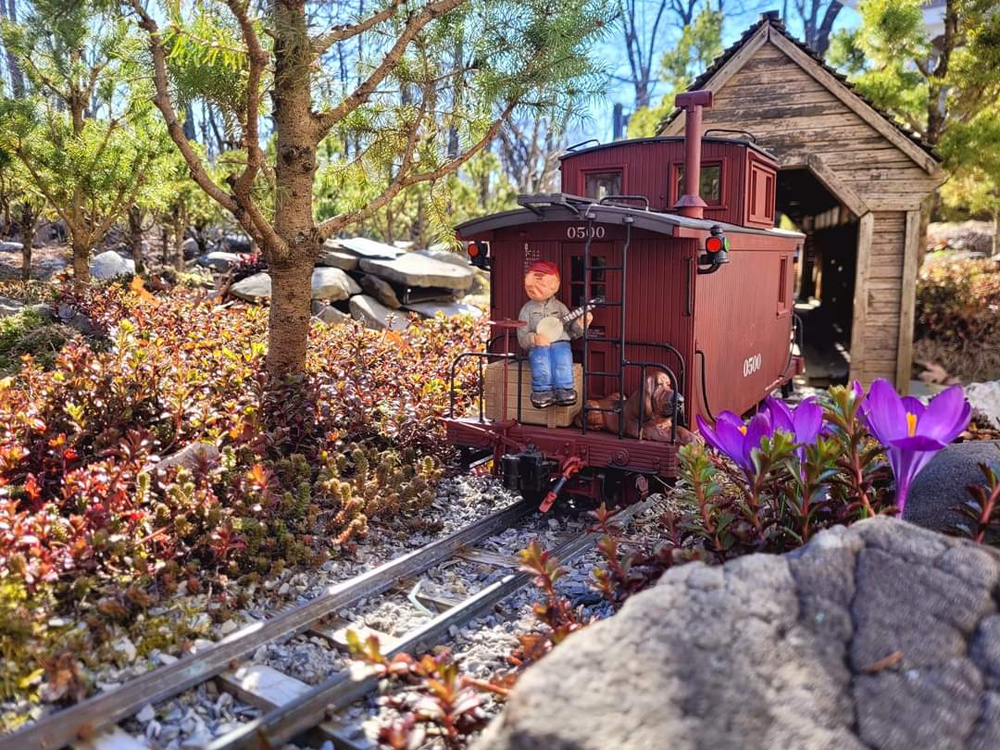
model caboose with figure and dog heading away from you on a garden railway

While we may no longer be printing Garden Railways magazine, we’re adding new content to Trains.com every week! Here’s a few recent items, and a preview of what’s coming in the next month. Become a Trains.com member so you don’t miss any of this great content! If you have a story suggestion, email editor@gardenrailways.com   […]

Read More…

Blue flags

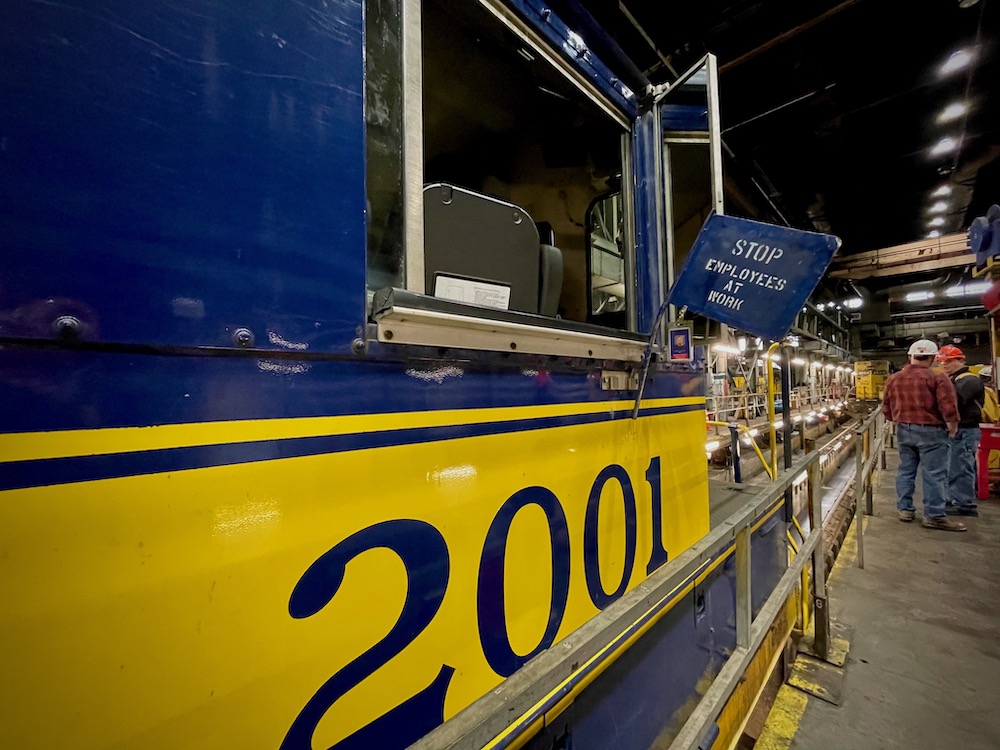
The side of a yellow and blue locomotive inside a maintenance facility. A blue metal sign hangs from the cab window, labeled in white with the words STOP Employees at Work

Blue flags protect workers. Here’s how they work. A major consideration in railroad operation is the maintenance that must be done on the rolling stock and track if freight and passengers are to be transported in a safe and timely manner. To maintain cars and locomotives, workers must get on, in between, and under them. […]

Read More…

Polar Express five-day layout build

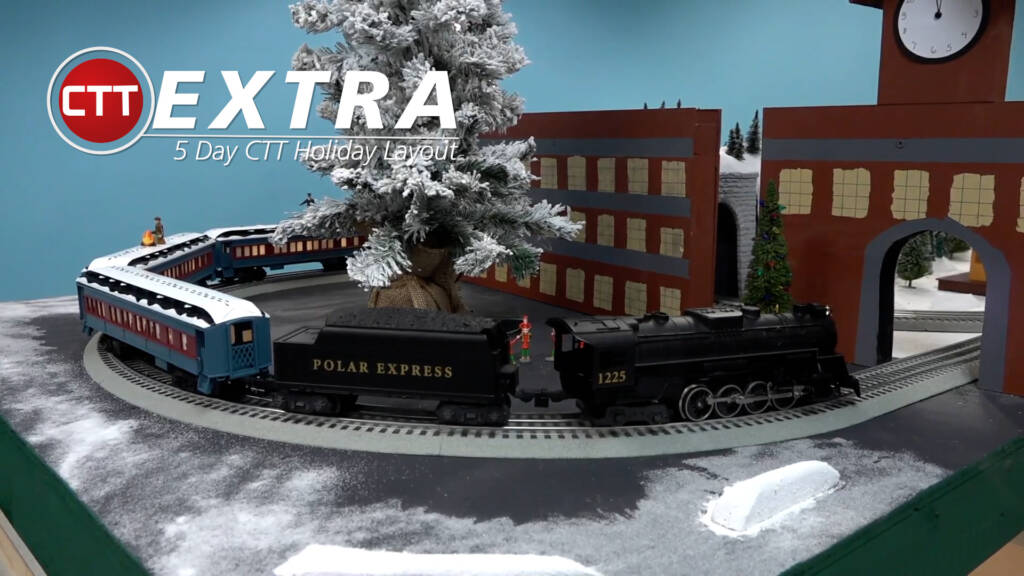
scene of toy train on holiday layout

The Classic Toy Trains staff built the Polar Express layout over a five day period, from benchwork to final scenery. The layout features scenes from the beloved movie, including the Hero Boy’s house, the train crossing the frozen river, and the city scene where the First Gift of Christmas is given. Staffers Hal Miller, Roger […]

Read More…

Polar Express five-day layout build

scene of toy train on holiday layout

The Classic Toy Trains staff built the Polar Express layout over a five day period, from benchwork to final scenery. The layout features scenes from the beloved movie, including the Hero Boy’s house, the train crossing the frozen river, and the city scene where the First Gift of Christmas is given. Staffers Hal Miller, Roger […]

Read More…

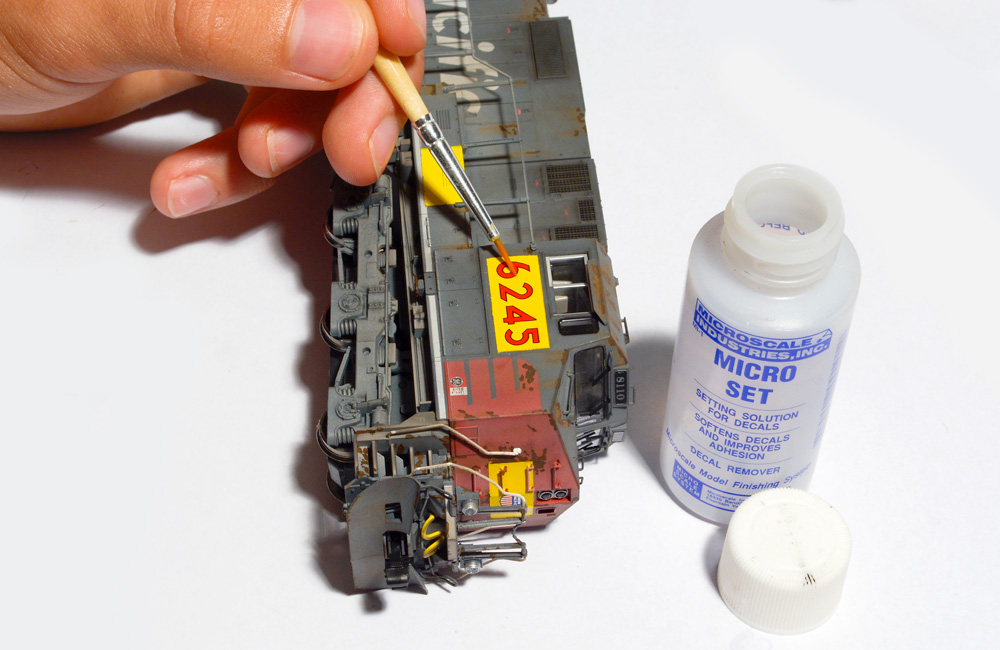
How often do railroads patch out locomotives?

A paintbrush is used to arrange number decals on a yellow patch painted on a model locomotive

Q: I’ve read the articles on how to patch out locomotives and rolling stock, but how often are these techniques used by cash-strapped short lines? It seems a lot easier (and cheaper) to slap a patch on a new locomotive and get to work than repaint a used locomotive. – Michael Schlobohm A: Prototype railroads, […]

Read More…

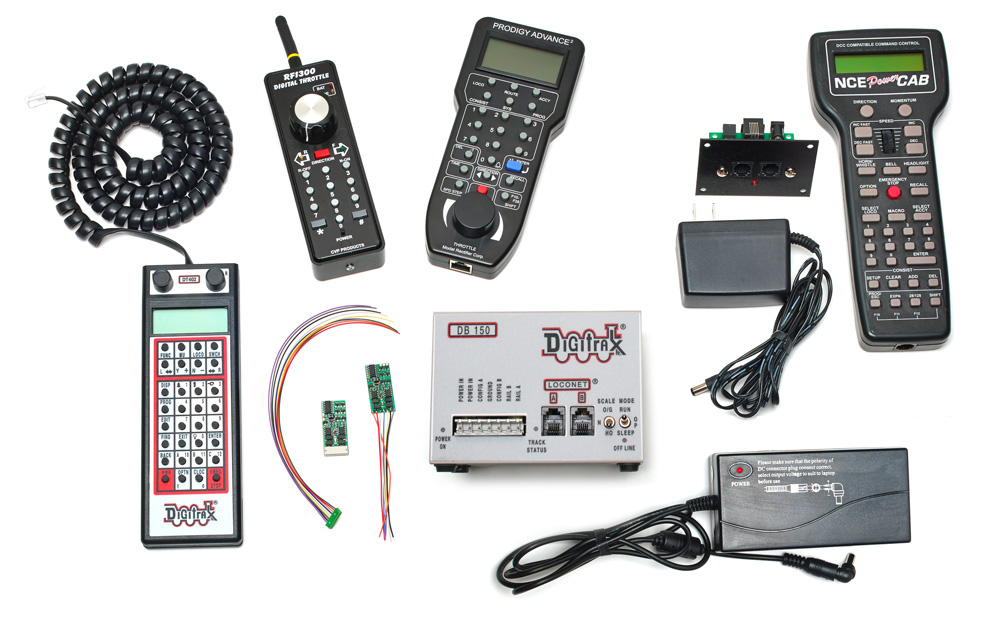
7 reasons to use DCC on your new layout

A collection of Digital Command Control system components on a white background

Digital Command Control (DCC) or direct current (DC)? That is the question. If you’re preparing to build a new model railroad or are just starting out in the hobby, you may be pondering the reasons to use DCC instead of an old-fashioned power pack to run your trains. Here are seven reasons to use DCC, […]

Read More…

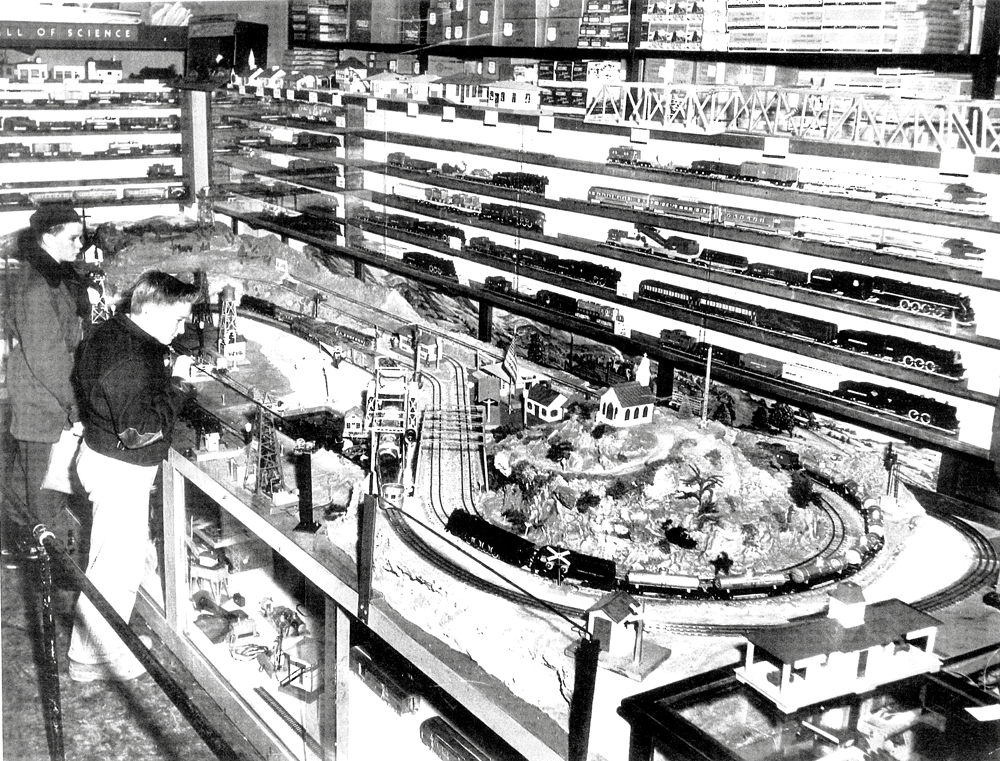
American Flyer store display photo from early 1950s

vintage photo of a train store display

Isn’t amazing how a single vintage photograph of a store that stocked electric trains can serve as a time machine to carry us back several decades. Pictures like this one are scarce, and so we at Classic Toy Trains know how fortunate we are to be able to share it with you. Our gratitude goes […]

Read More…

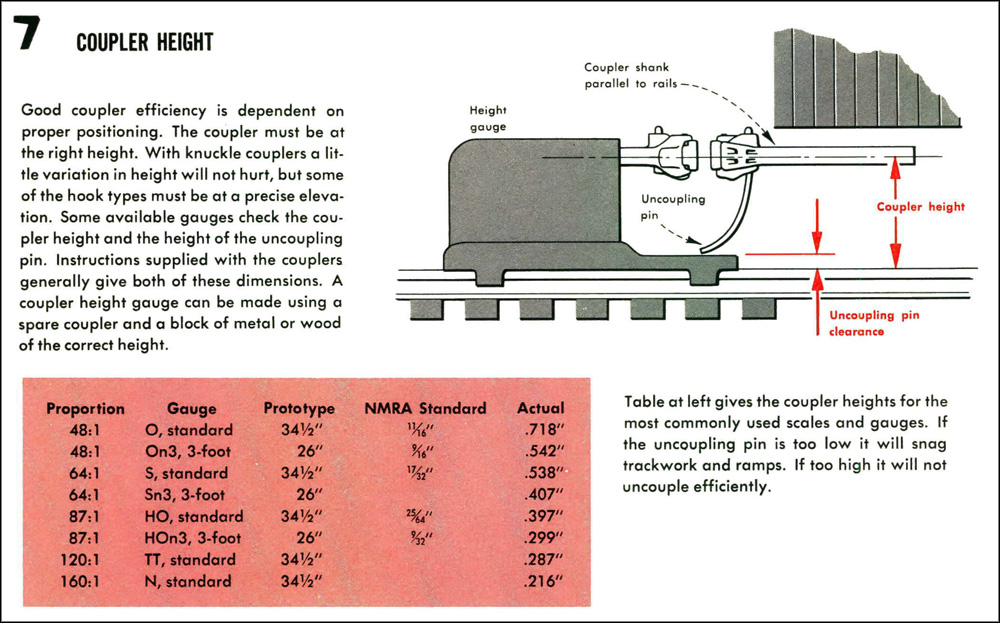
How can I make a coupler height gauge for TT scale?

A diagram shows how to measure coupler height with a gauge

Q: Way, way back in the 20th century, I think in the 1980s (though I’m probably wrong), Model Railroader ran an article about making your own coupler height gauges in the various scales, including TT scale. Can you advise which issue that was? None are available in TT today, and I could use a couple on […]

Read More…

Add maintenance operation to a layout

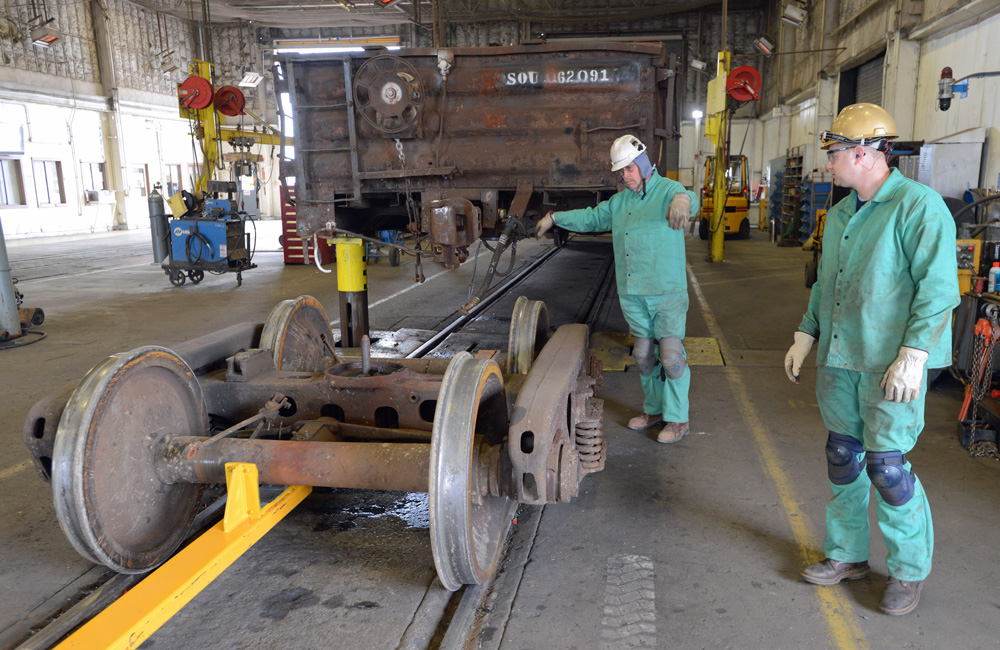
Two green-clad workers guide a rail truck out from under a gondola car

Q: Reading Jerry Dziedzic’s essay on “Turning waybills into dollar bills” (August 2023) made me realize that I don’t know anything about how prototype railroads handle the inspection and shopping of freight cars. Are cars sent in for inspection, paint, and maintenance at fixed times, or after a certain number of miles, or only when a […]

Read More…