
Understanding brake horsepower in diesel locomotives
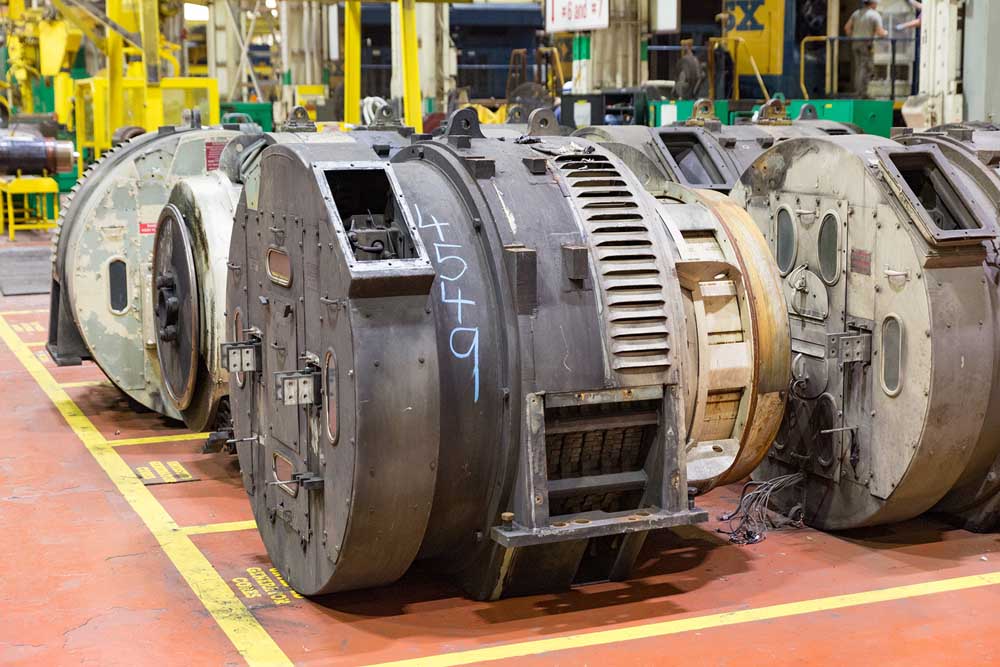
Drum-shaped equipment from inside a diesel locomotive

An EMD AR20 alternator from CSX SD70MAC 4549 at the railroad’s Huntington, W.Va., shop. Chris Guss Understanding brake horsepower: Diesel engines, like all engines, are built to perform a specific function. In a locomotive, that role is to provide power to move freight cars from one place to another. When buying locomotives, one thing management […]

Read More…

Locomotive prime movers used today

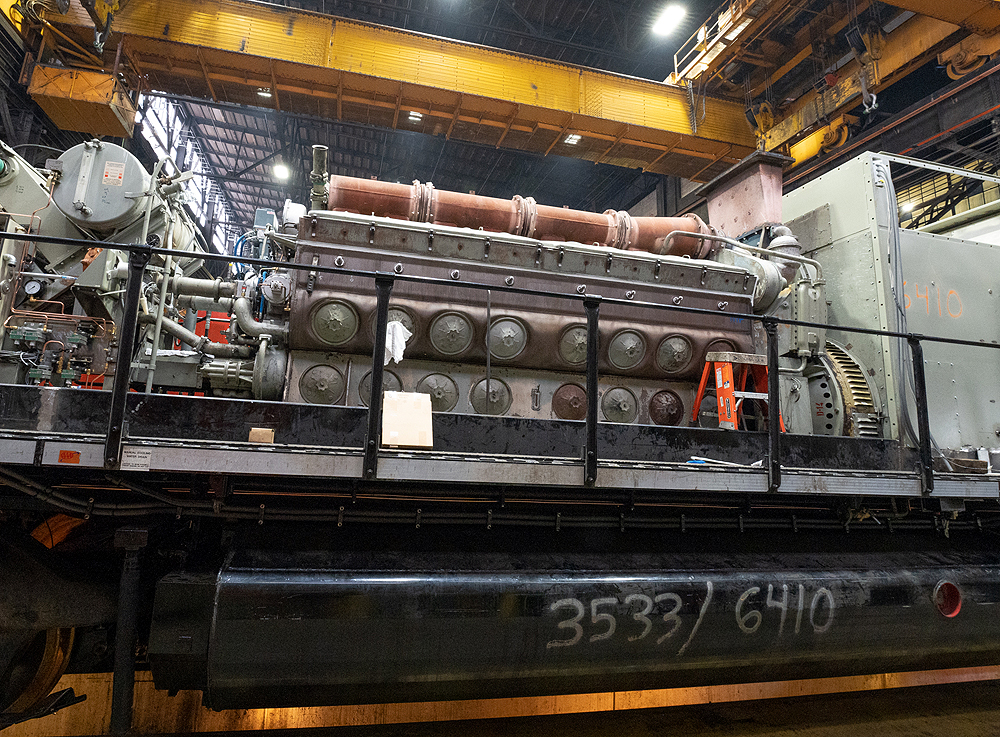
Locomotive prime movers: A multicolored prime mover in a locomotive body in a cavernous shop without the locomotive's exterior body work or shell.

Locomotive prime movers are the engines inside all diesel-electric locomotives and are the heart of the entire locomotive. Prime movers provide enough power to pull both the locomotive and any freight cars attached to it, while also producing enough extra output to support the power needs of the various systems on the locomotive such as […]

Read More…

Pinning an EMD turbocharger

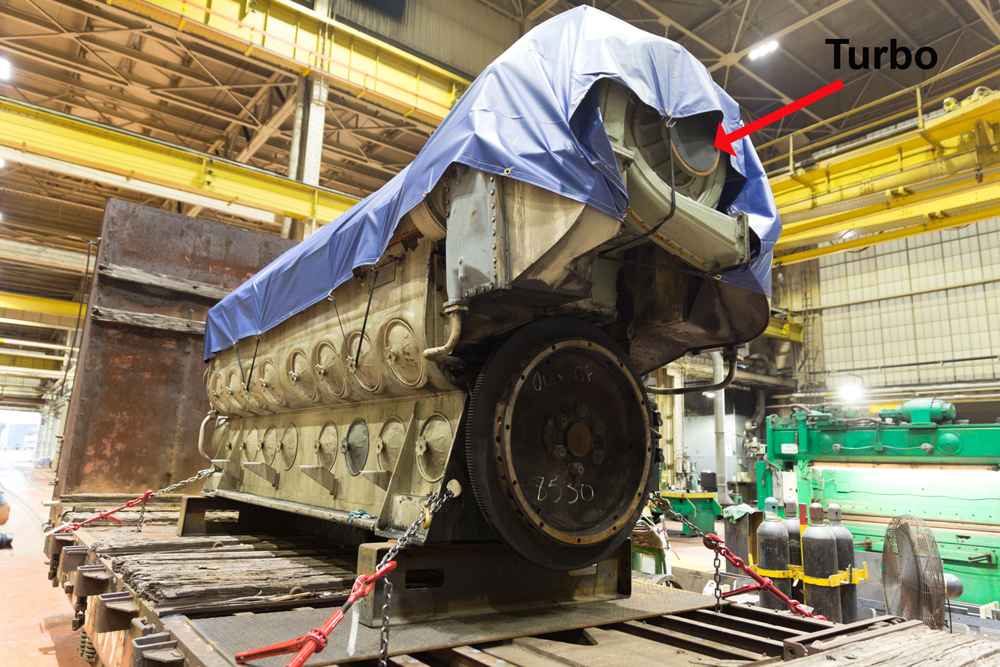
EMD turbocharger in a shop

EMD turbochargers For decades, railroads have adapted locomotives to meet the service to which they are assigned. As newer and more powerful locomotives arrive on a roster, older units cascade down to lesser roles. Oftentimes these new assignments don’t require as much horsepower as mainline duties. In low-speed, local or yard service, weight and adhesion […]

Read More…

How Positive Train Control affects smaller operators

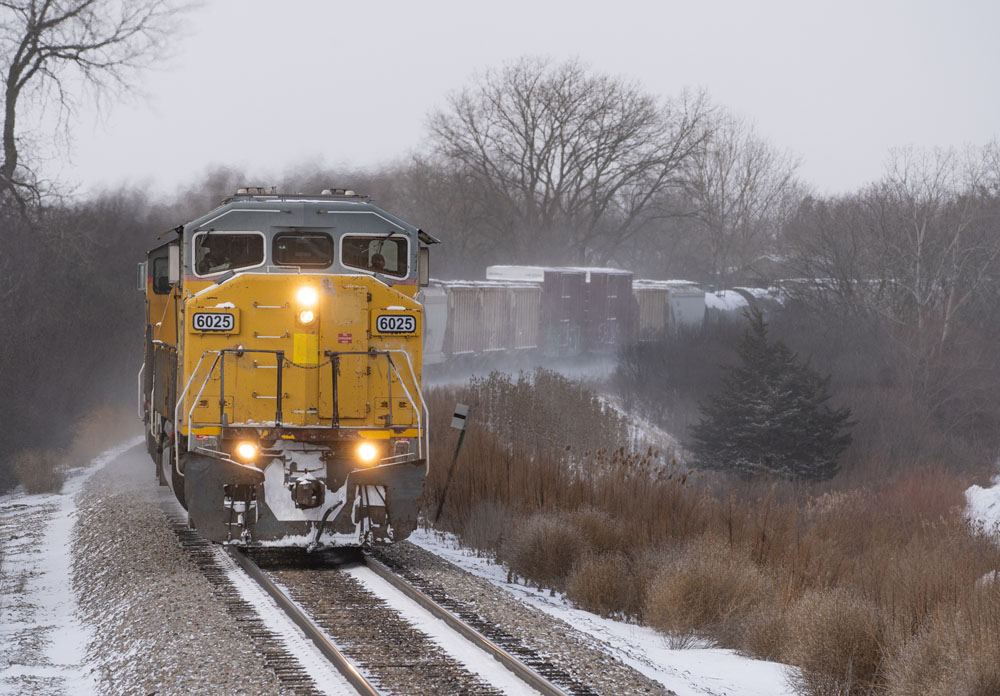
gray and yellow locomotive on track in snow

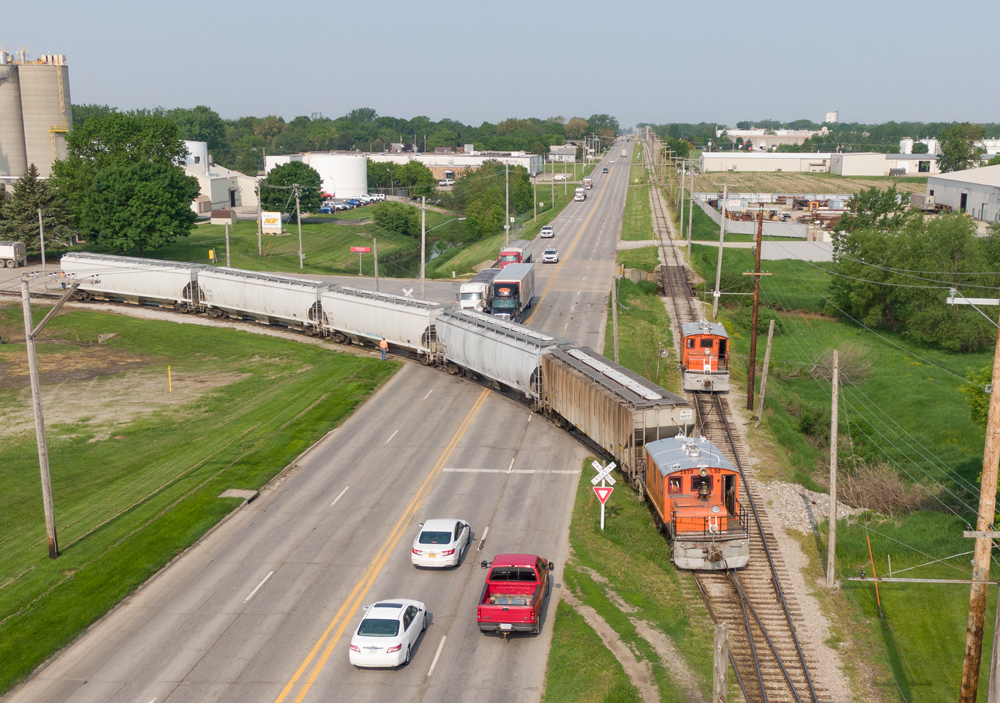
Positive Train Control With Positive Train Control (PTC) fully implemented on a large majority of the nation’s Class Is, passenger, and commuter lines, many short lines and regional railroads have had to comply with the new rules when they operate over another’s PTC-equipped lines. This includes smaller railroads that serve customers on another railroad’s tracks, […]

Read More…

Transporting trains: Locomotives and rolling stock moving via the highway

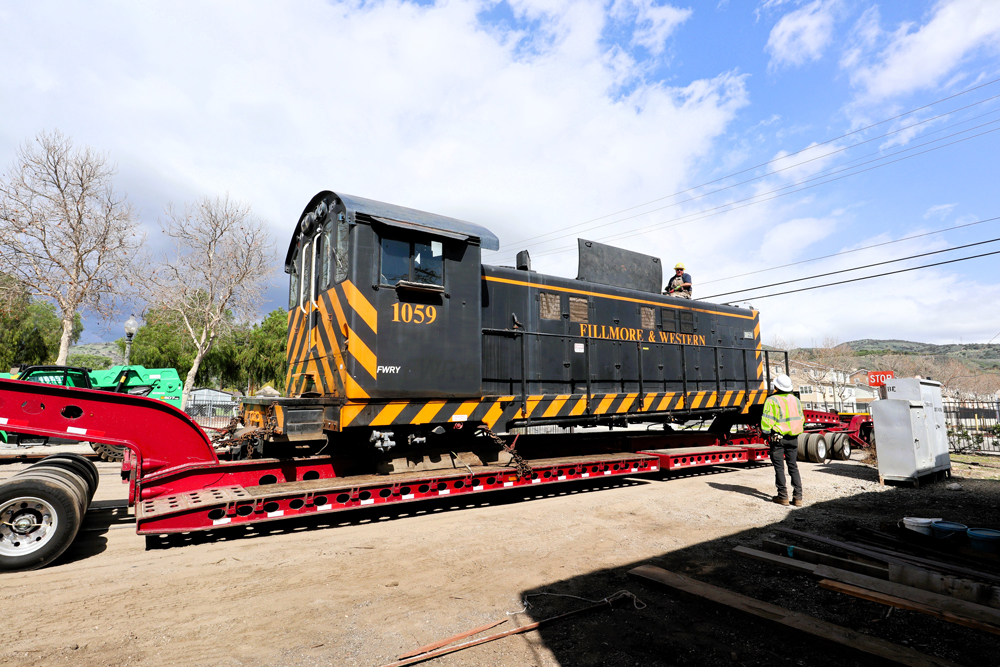
black and yellow locomotive on red truck

Locomotives and rolling stock: There are a variety of reasons that dictate railroad equipment is better off being transported by truck rather than train. Locomotives and rolling stock may not meet current railroad interchange standards, which includes being too old, and trucks or couplers that have been deemed unfit. They could be damaged beyond being […]

Read More…

Freight under wire: Electrified freight service is scarce

train carrying freight on electric railroad

Electrified freight service Hauling freight in the United States is almost exclusively a diesel locomotive affair today. However, a century ago, pockets of territory existed where freight was pulled by electric locomotives. Electrification began in the late 1800s, and by the early 1900s was expanding, primarily in locations where the switch from steam locomotives to […]

Read More…

Tools of railroading

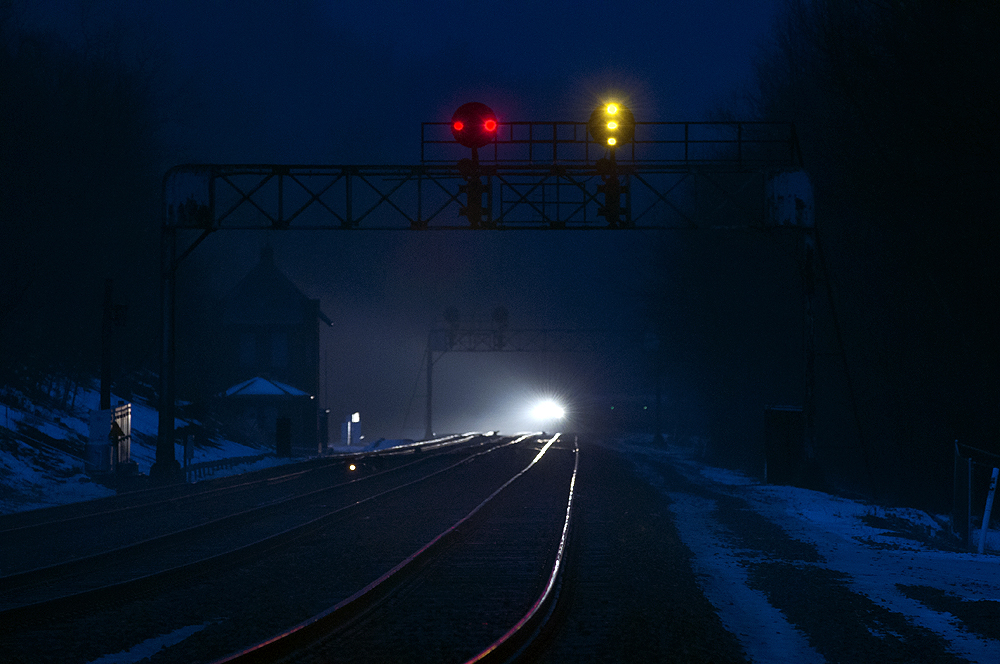
A headlight glows in the distance beneath a signal bridge with two red lights across a position light signal next to another showing a vertical line of pale yellow lights.

Railroading tools Railroads are fixed-guideway systems for transporting goods or people. Its basis is the low friction, and hence high efficiency, of a hard wheel rolling on a hard surface. They are made up of many elements: people doing different jobs, and hardware for them to use. The jobs range from laborer to strategic planner. […]

Read More…

What’s on a locomotive cab roof?

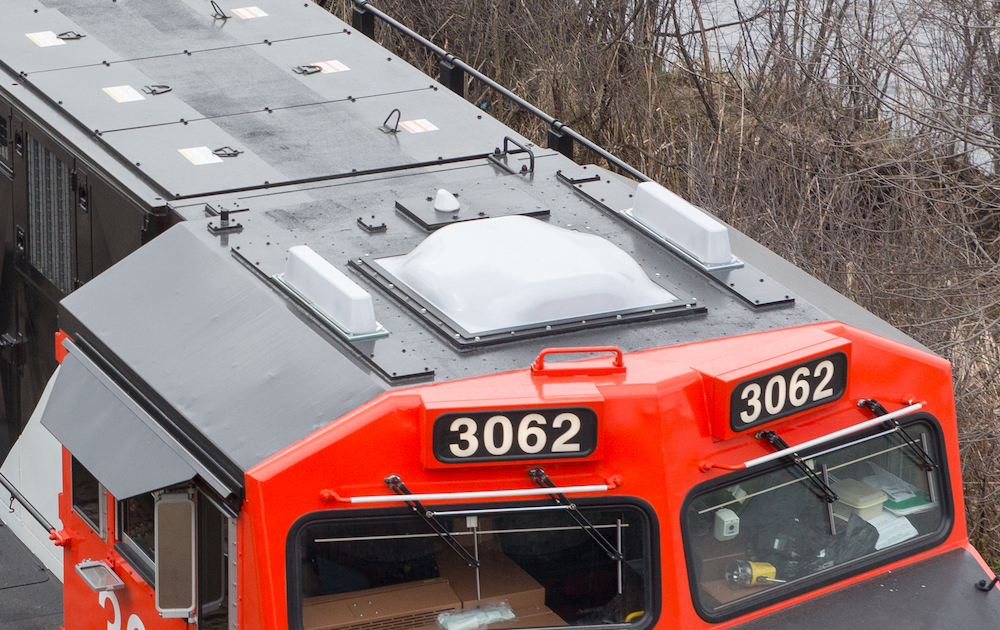
White antenna housings cover the gray-painted roof of a modern diesel locomotive.

What’s on a locomotive cab roof? A cluttered battle for available space. But that wasn’t always the case. Decades ago, the roof of a locomotive cab was pretty bare. A majority of them had little more than an air horn and a single radio antenna mounted on it. The antenna was connected to the voice […]

Read More…

Steam locomotive tenders have a life of their own

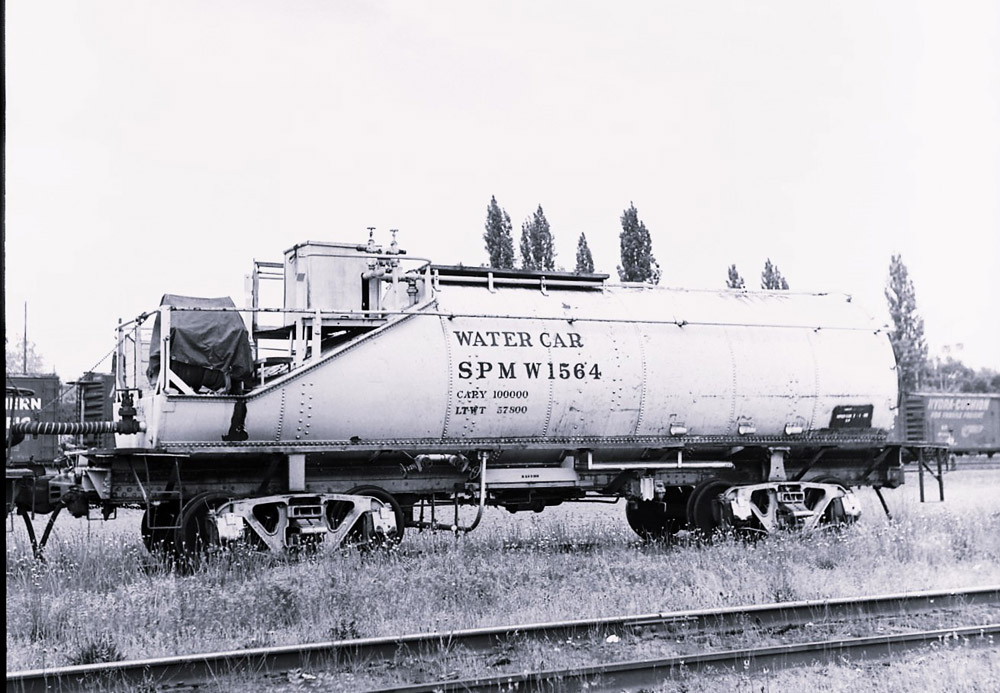
Steam locomotive tenders It’s easy to forget that most steam locomotive designs are usually in two major parts; the locomotive itself and its tender dutifully hauling fuel and water. Take away one, and the other is useless. It seems reasonable to assume that a steam engine and its tender served together from the time they […]

Read More…

Blue flags

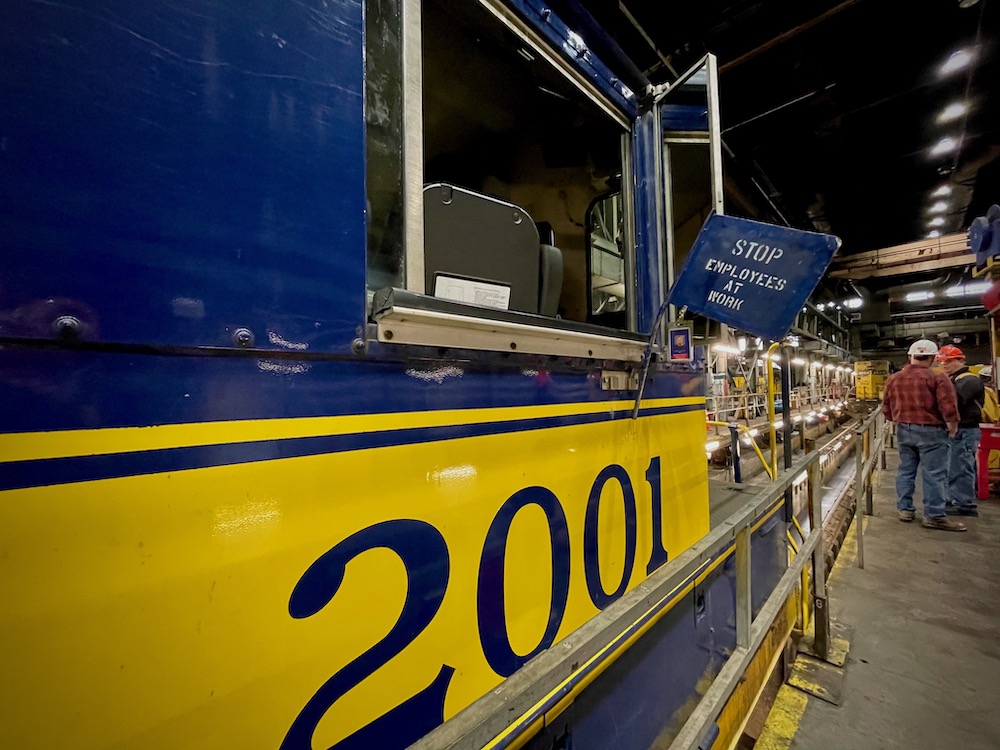
The side of a yellow and blue locomotive inside a maintenance facility. A blue metal sign hangs from the cab window, labeled in white with the words STOP Employees at Work

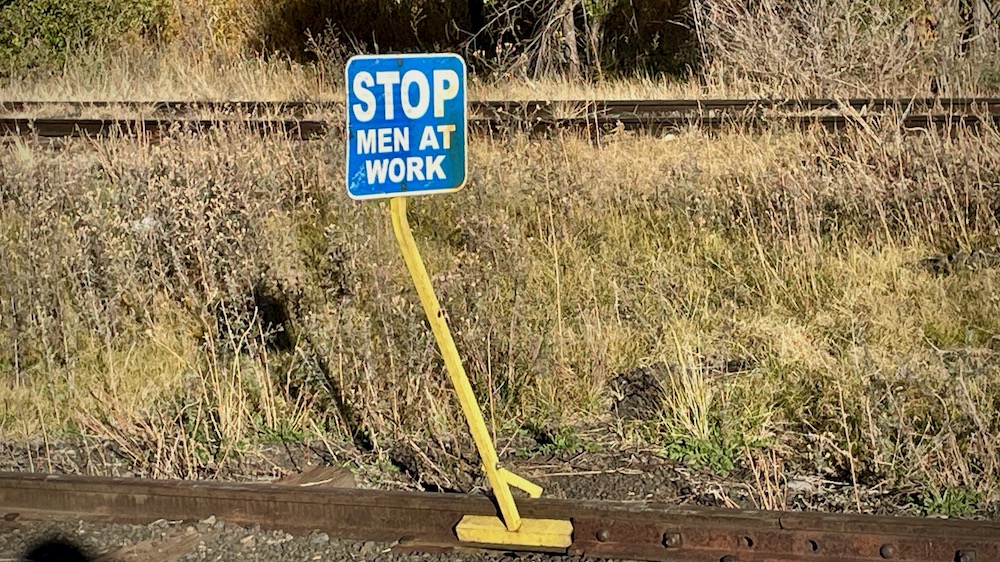
Blue flags protect workers. Here’s how they work. A major consideration in railroad operation is the maintenance that must be done on the rolling stock and track if freight and passengers are to be transported in a safe and timely manner. To maintain cars and locomotives, workers must get on, in between, and under them. […]

Read More…