
Trackage rights: Same line, two railroads
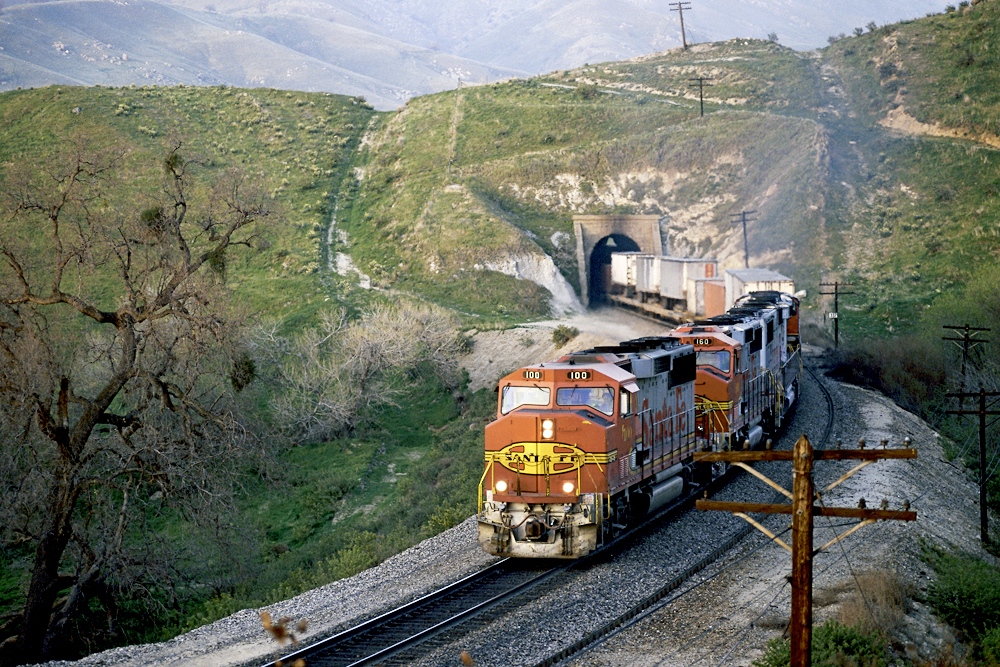
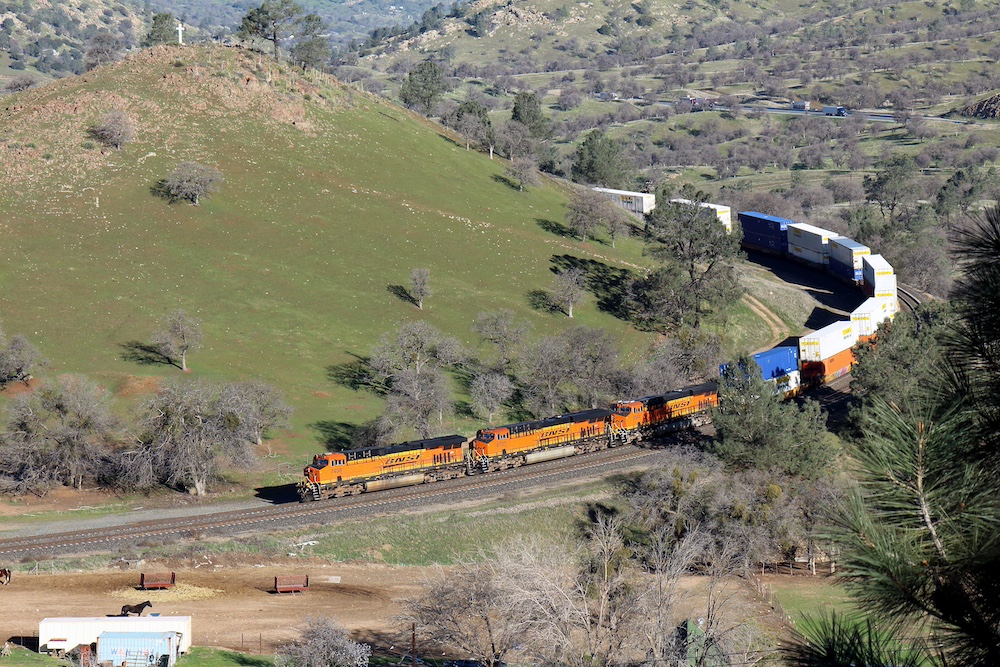
Three red and yellow diesel locomotives exit a tunnel and round a curve in hilly country

Trackage rights are one of the main reasons you may see a train from one company operating on tracks belonging to another company. Geography, for example, played a role in the long-standing agreement governing Union Pacific’s crossing of California’s Tehachapi Mountains. When this line was built by the then-Southern Pacific, there was no room for […]

Read More…

Train handling is a science

Three orange and black locomotives curve round a green hill

Train handling The United States Bureau of Labor Statistics estimates there are more than 36,000 locomotive engineers in the United States. Whether it’s an older Geep switching cars in an industry, a passenger train racing across the country, or a Class I freight on the main line, the techniques that engineers learn and have at […]

Read More…

What’s behind today’s intermodal equipment

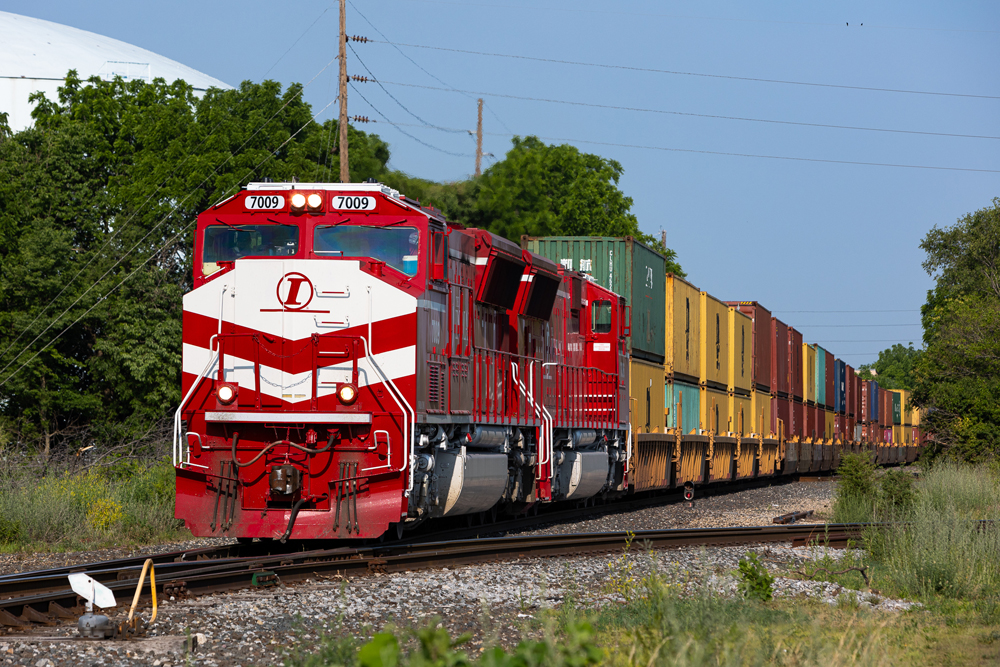
Two red and light locomotive leading train of containers

Intermodal equipment If you’re trackside, odds are you’re going to see an intermodal train. Intermodal made up 49% of the 34 million units of freight carried by U.S. railroads last year, more than four times higher than coal, the next largest commodity. Odds are that intermodal train will mostly have railcars owned by TTX, a […]

Read More…

Auxiliary water cars are replenishments for mainline steam excursions

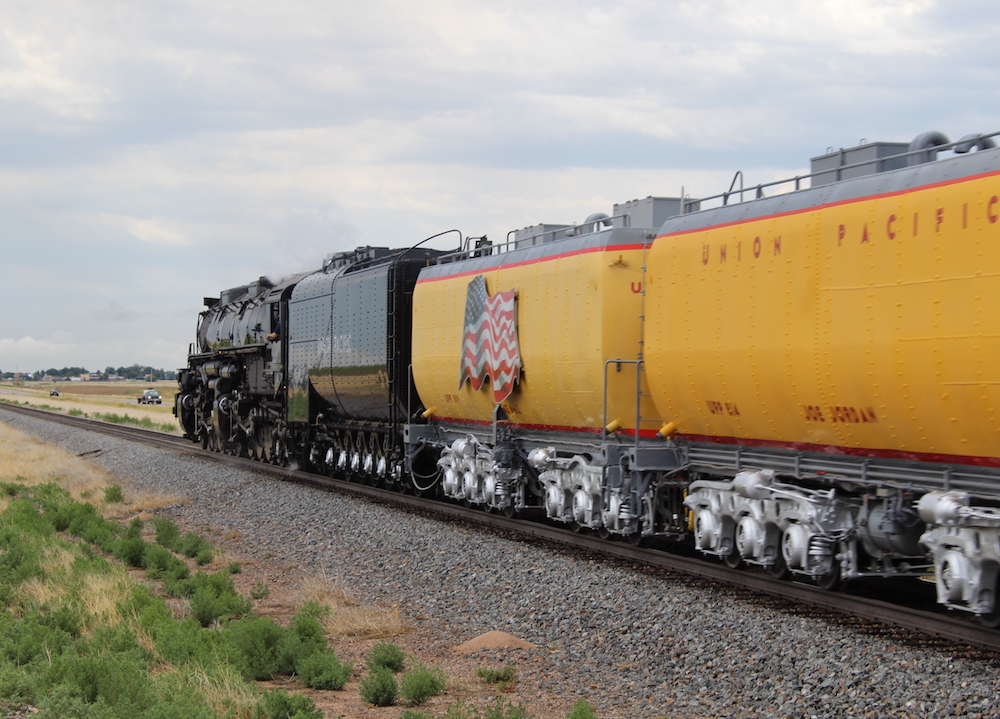
Two, yellow auxiliary water cars riding behind a big steam locomotive.

From short lines to Class I railroads, you’ll likely come across a mainline steam excursion with one or more tenders/tank cars coupled right behind the locomotive’s main tender. Water is the primary commodity, all for the steam locomotive when out on the road. The use of an auxiliary water car, sometimes referred to as a […]

Read More…

The ‘Rolling Roundhouse’: Tool cars provide support for mainline steam excursions

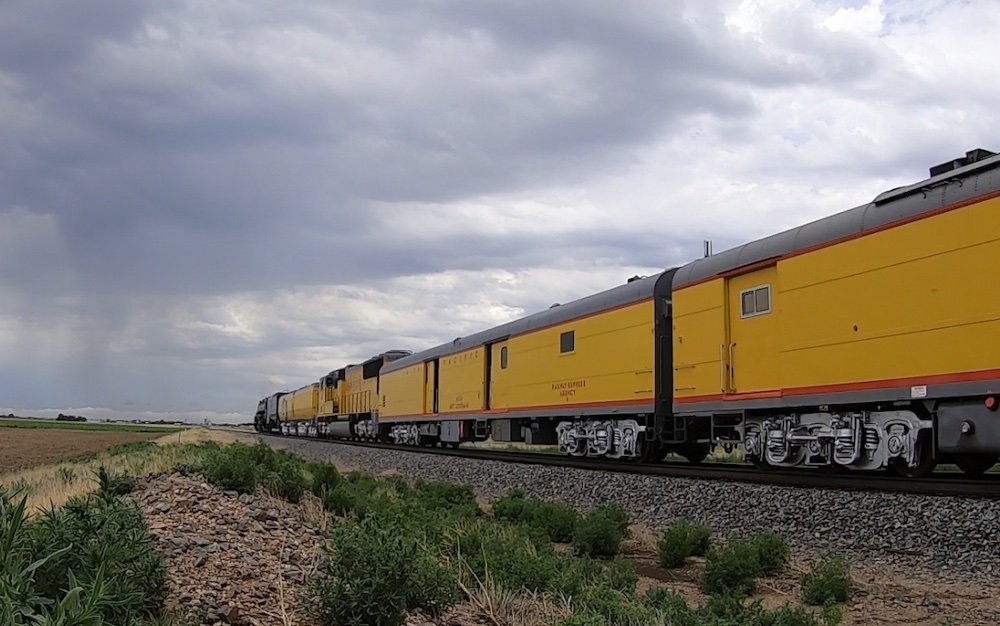
Yellow baggage car right behind a steam and diesel locomotive.

From short lines to the Class I railroads, chances are you’ll come across a mainline steam excursion with one or more non-passenger railcars near the front of the train (sometimes coupled directly behind the locomotive). They’re carrying, as the name implies, tools and more to support the steam locomotive when out on the road and […]

Read More…

Diesel helpers often lend a hand on mainline steam excursions

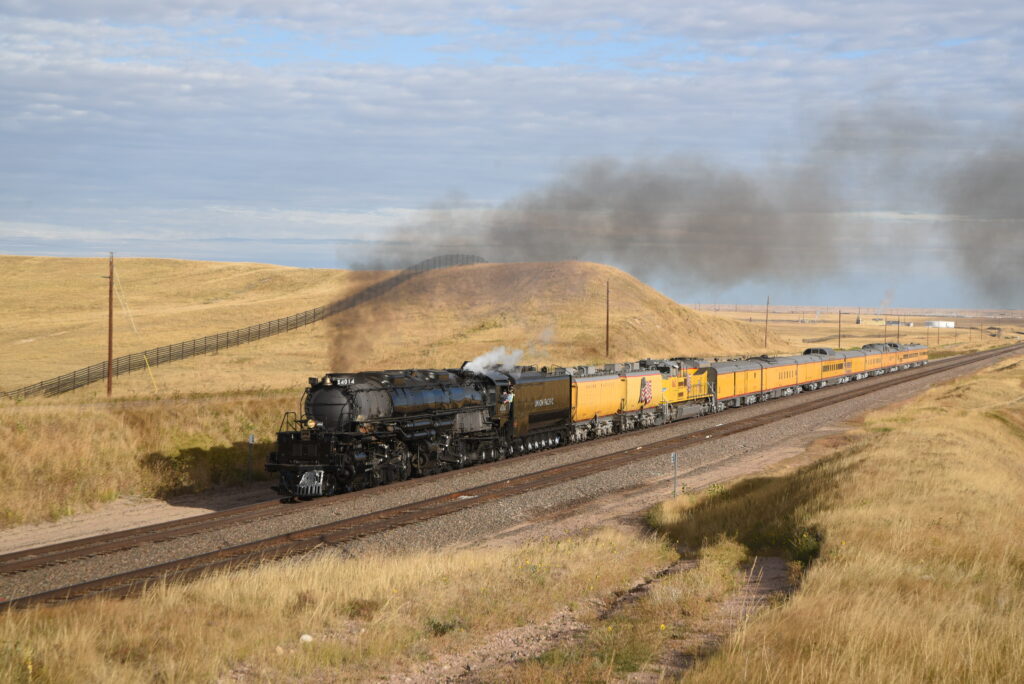
A Big Boy locomotive leads a yellow passenger train through the Great Plains.

“Diesel Helpers” are two buzzwords associated with today’s mainline steam excursions – from short lines to Class I railroads, and even selected tourist railroads off the national network. The use of one, or lack thereof, differs between railroads, organizations, and their operating preferences. Some are comfortable letting the steam locomotive travel solo. Others would prefer […]

Read More…

Train operation 101: How trains are controlled

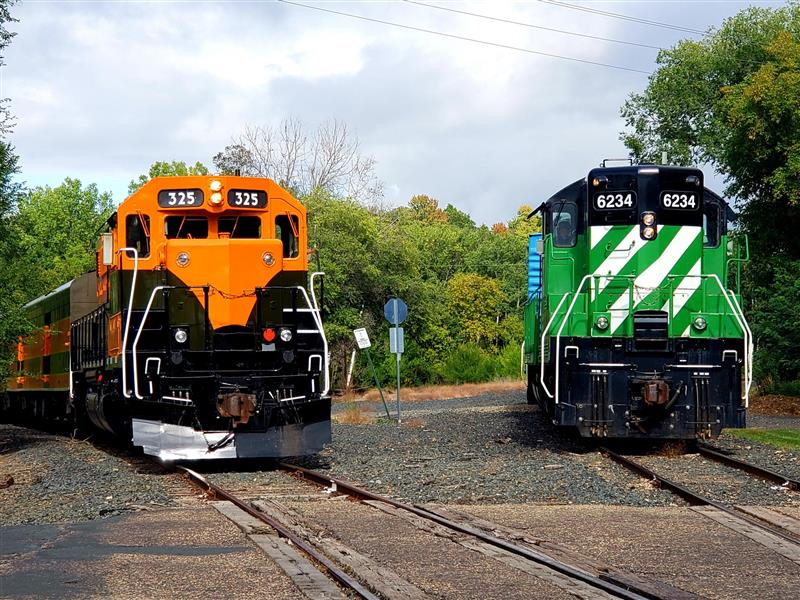
diverging railroad lines form a y-shaped junction in the woods. An orange diesel occupies the left track, a green and white diesel the one on the right.

Modern day train operations are largely controlled by train dispatchers or control operators. A dispatcher directly controls all movements on a given piece of track, while a control operator typically handles movement on a smaller piece of trackage — operating under the direction of a dispatcher. Control operators can typically be found at interlockings, or […]

Read More…

Transfer locomotives demonstrated

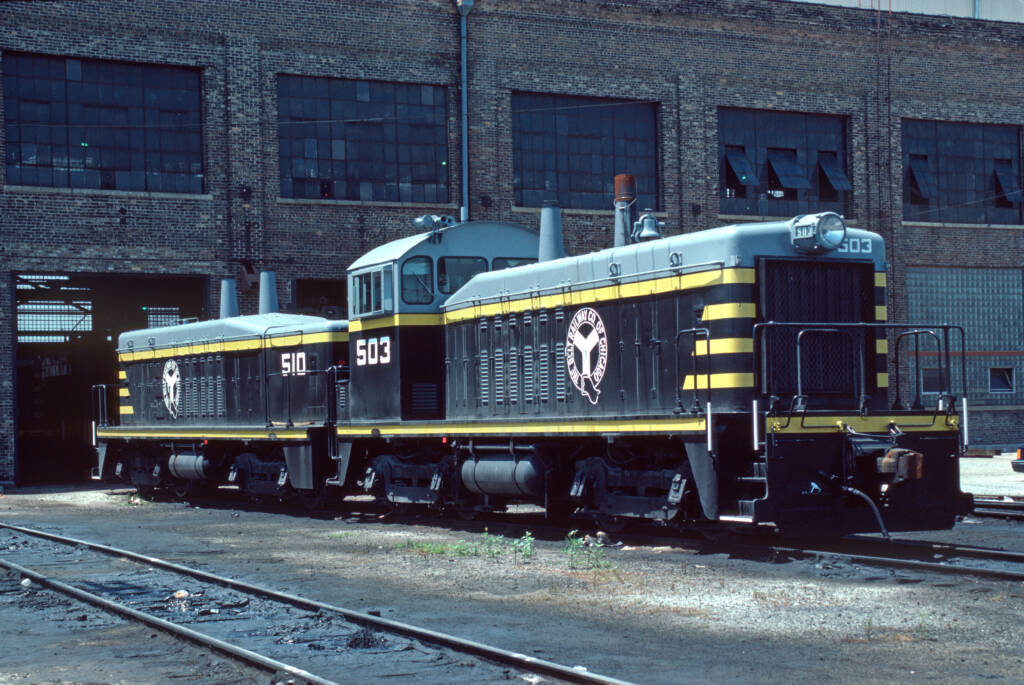
Transfer locomotives Transfer runs are trains that move cars from one freight yard usually to a nearby yard of another railroad (but not always). Early in dieselization, three of the major builders marketed locomotives built specifically for such service, called transfer locomotives, which demanded a lot of pulling power but not much speed. Transfer units […]

Read More…

Storage & transloading: How shortline railroads find income

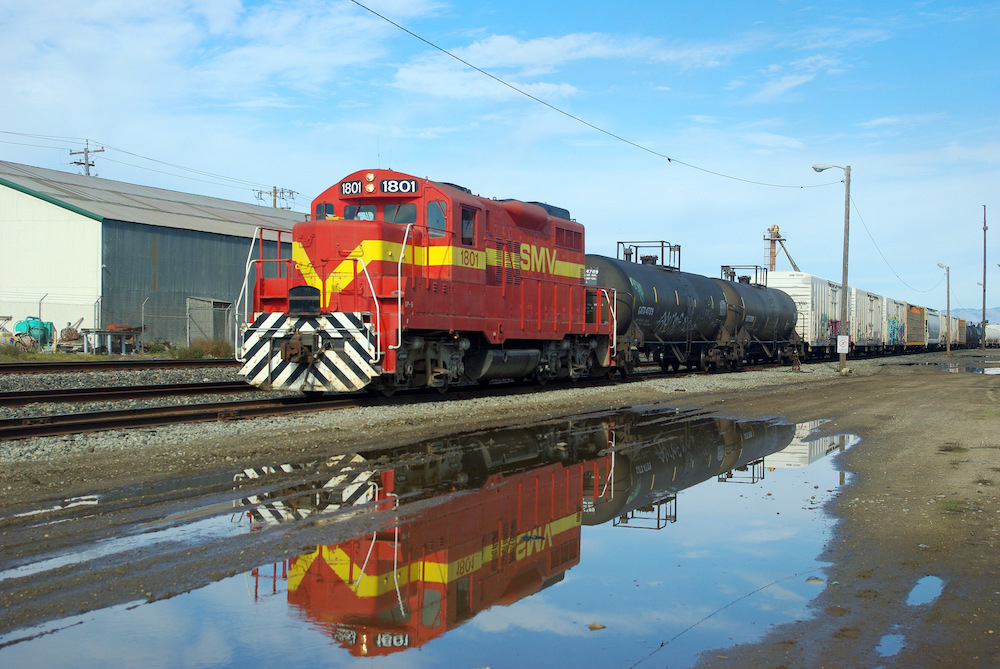
red and yellow locomotive

Shortline railroads Today, shortline railroads scattered around America continue to survive. Even though many “brick and mortar” customers have closed, and their spurs and industry tracks have been pulled up over the last several decades, Class IIIs continue to find additional sources of revenue. Car storage and transloading are two such sources that are popular […]

Read More…

Now that’s a toilet: Answering nature’s call on the railroad

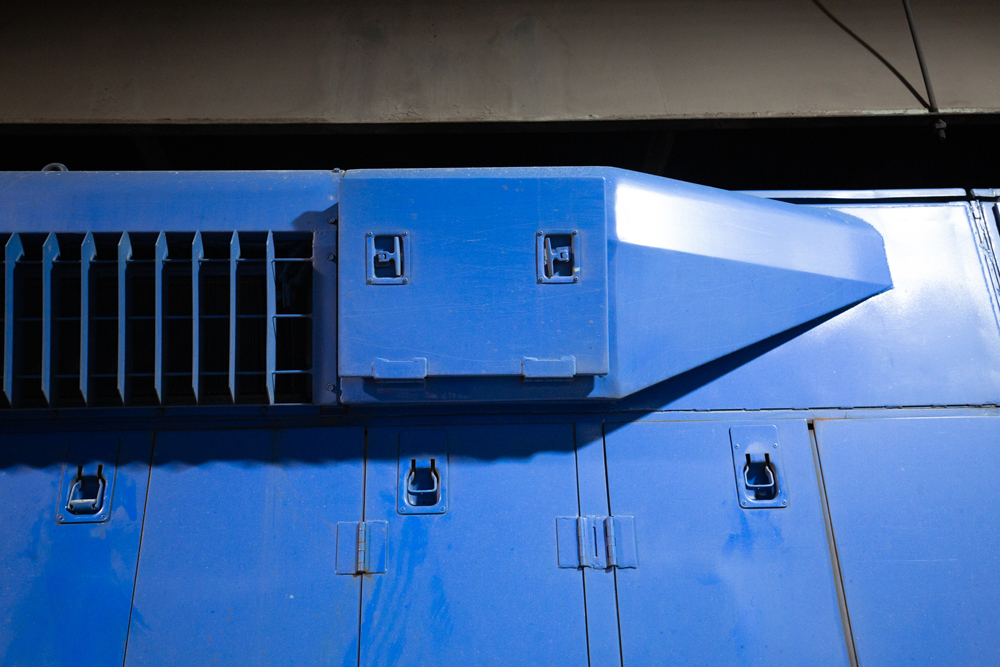
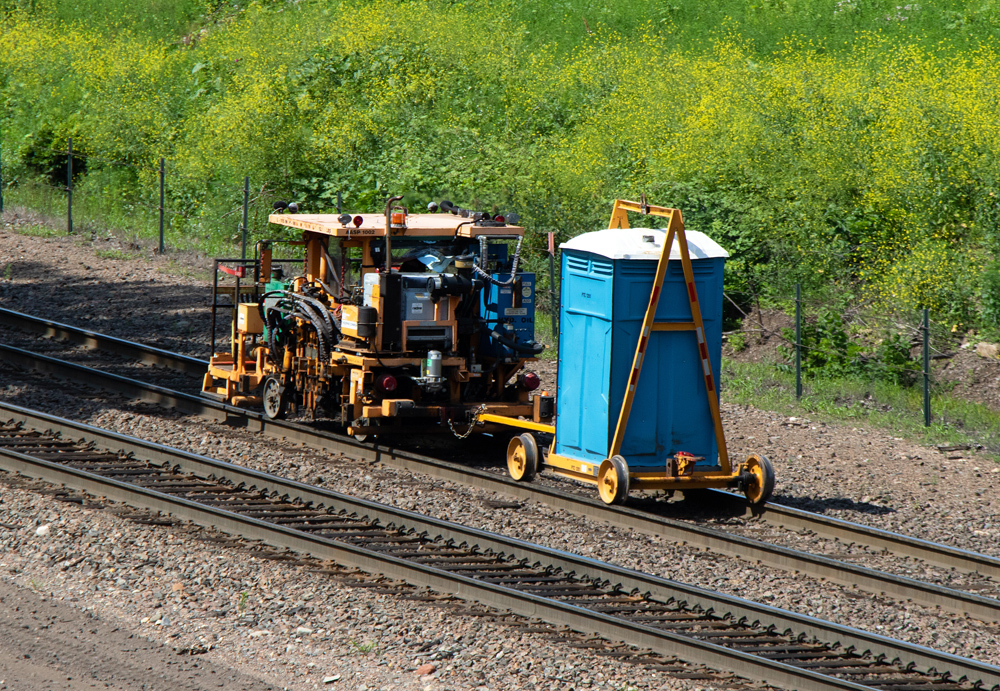
blue portable toilet pulled behind train

Toilet on the go They appear to be almost everywhere and go by many names, few of which can be mentioned at the dinner table. Nobody really wants to talk about them, yet they are an essential part of the industrial scene used by many railroaders. They exist due to the federal government’s Occupational Safety […]

Read More…