
WILMINGTON, Del. — Heritage railroad Wilmington & Western, which shut down suddenly earlier this year, has announced it is returning to operation, with its first trips scheduled for later this month. A pop-up message on the railroad website says, “After a spring and summer dedicated to maintenance and improvements, we’re ready to welcome back riders. […]
Read More…
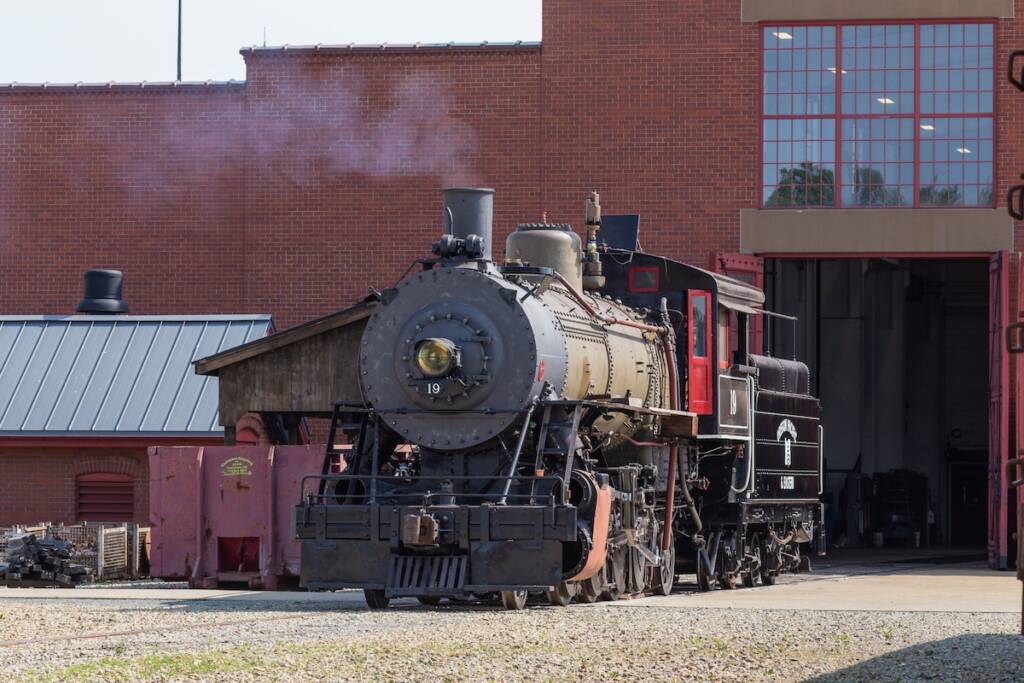
SUGARCREEK, Ohio — Former McCloud River Railroad and Yreka Western 2-8-2 No. 19 is slated to return to full operation in 2026, according to its owner, the Age of Steam Roundhouse Museum. The Mikado, famous from its appearance in the movie Emperor of the North, was last under steam in 2020 before undergoing its Federal […]
Read More…
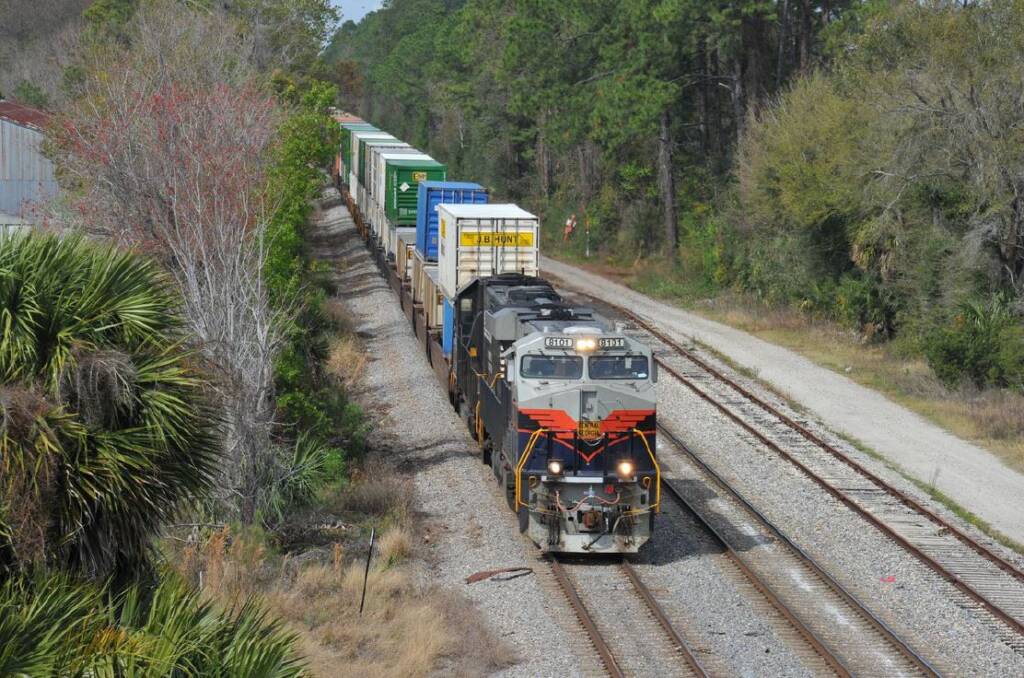
ATLANTA — The Central of Georgia Railway archive is now housed alongside the Southern Railway’s historical records at the Atlanta History Center, thanks to a $500,000 donation from Norfolk Southern. The funding will support the processing and preservation of the historical records, making them fully accessible in one location for the first time, the Atlanta […]
Read More…
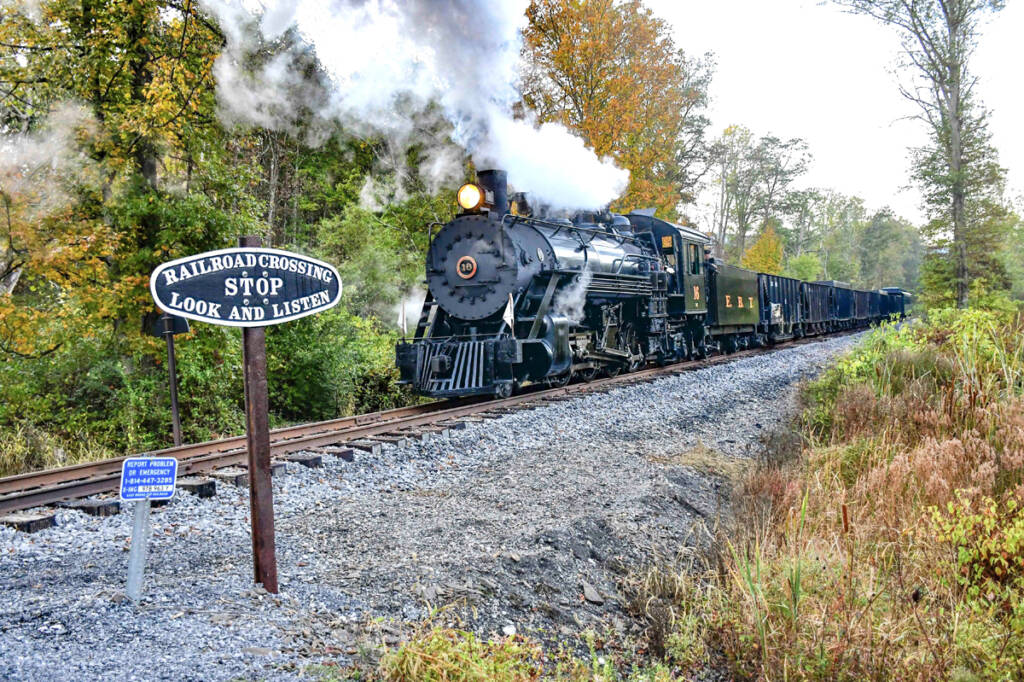
ROCKHILL FURNACE, Pa. — The Friends of the East Broad Top has launched its 2026 fundraising campaign, which seeks to raise $350,000 for projects including the heritage railroad’s ongoing “March to Saltillo” extension of its operable trackage. The 2026 campaign, announced last weekend in connection with the annual EBT Fall Reunion, follows a 2025 campaign […]
Read More…
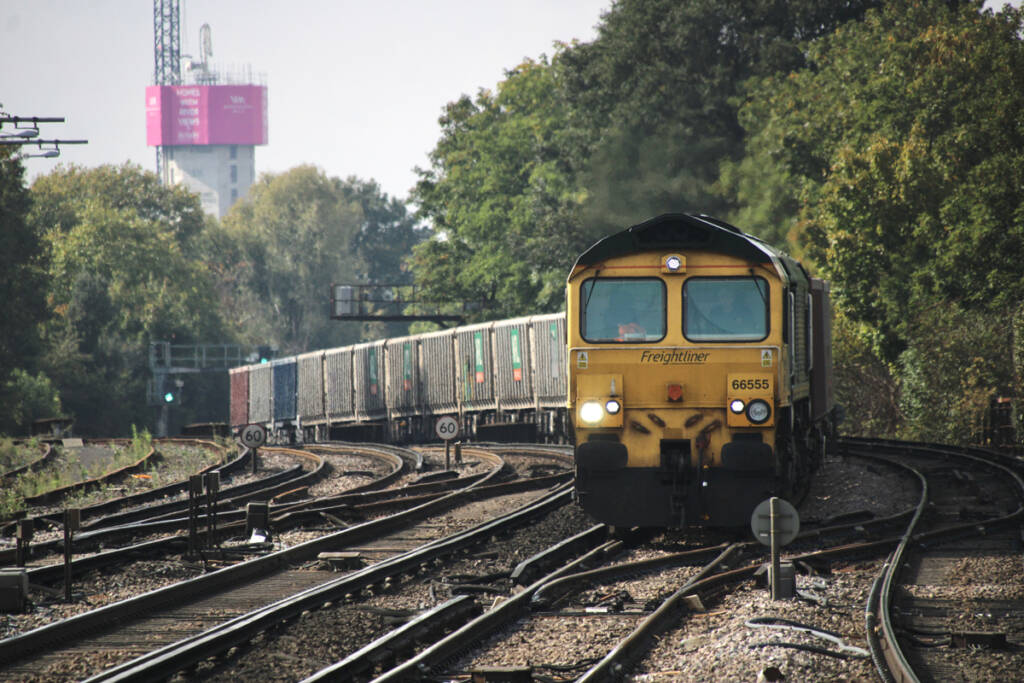
BROOKFIELD, Wis. — It wasn’t the trip I wanted. Or planned. But you don’t always get to choose your experiences. And while I’m still tremendously disappointed to have missed the Trains/Special Interest Tours UK Celebration of Steam event — with its four steam excursions and visits to three notable rail museums — I’m trying to […]
Read More…
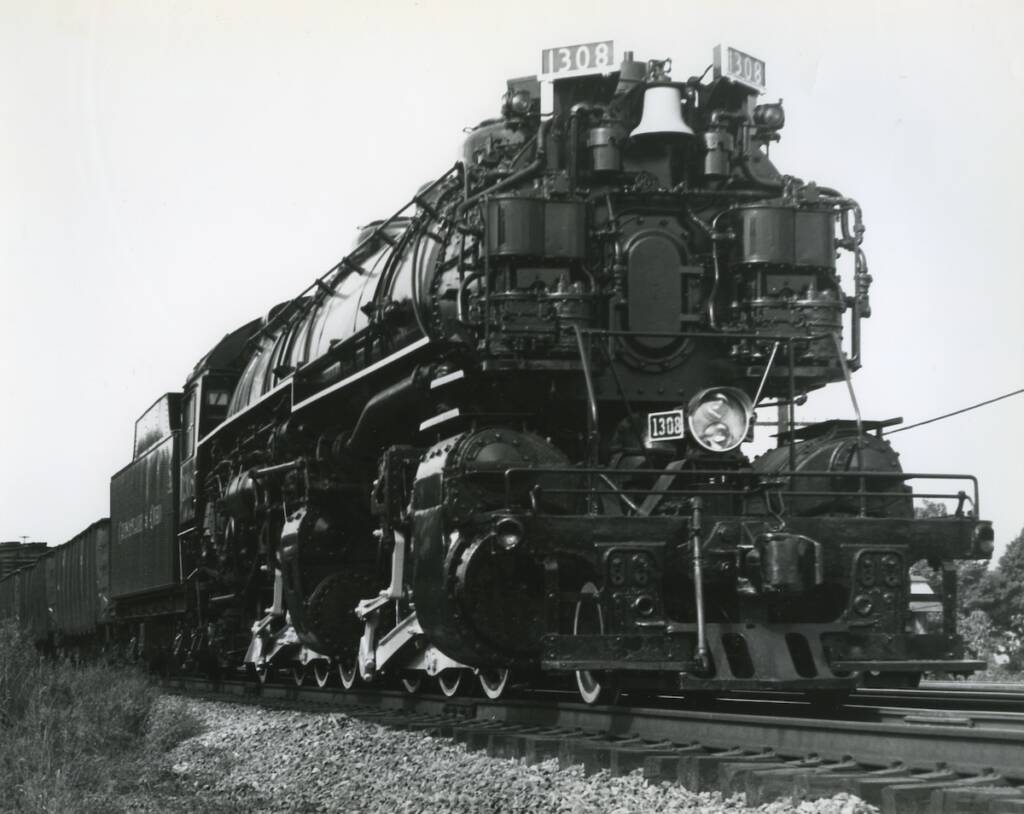
SUGARCREEK, Ohio — The Age of Steam Roundhouse Museum will once again expand its impressive collection with the acquisition of the Chesapeake & Ohio Railway 2-6-6-2 No. 1308. Ownership was transferred from the Collis P. Huntington Railroad Historical Society of Huntington, W.V. Tim Sposato, Age of Steam’s chief mechanical officer, emphasized in a news release […]
Read More…
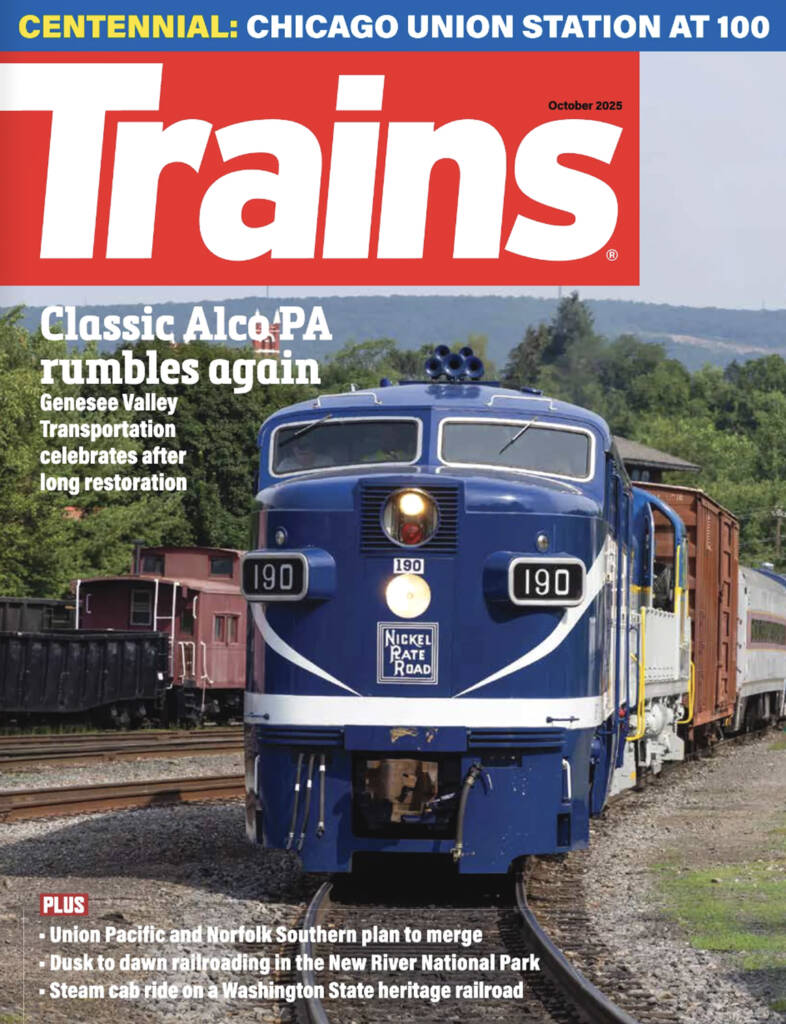
In every issue News, p. 4 Union Pacific, Norfolk Southern to seek merger creating U.S. coast-to-coast railroad Bill Stephens, p. 12 Single-line service would boost intermodal John P. Hankey, p. 14 Steamtown, the railroad-focused national park, is at a crossroads Brian Solomon, p. 48 Fall foliage season is a great time for railroad adventure Preservation, […]
Read More…
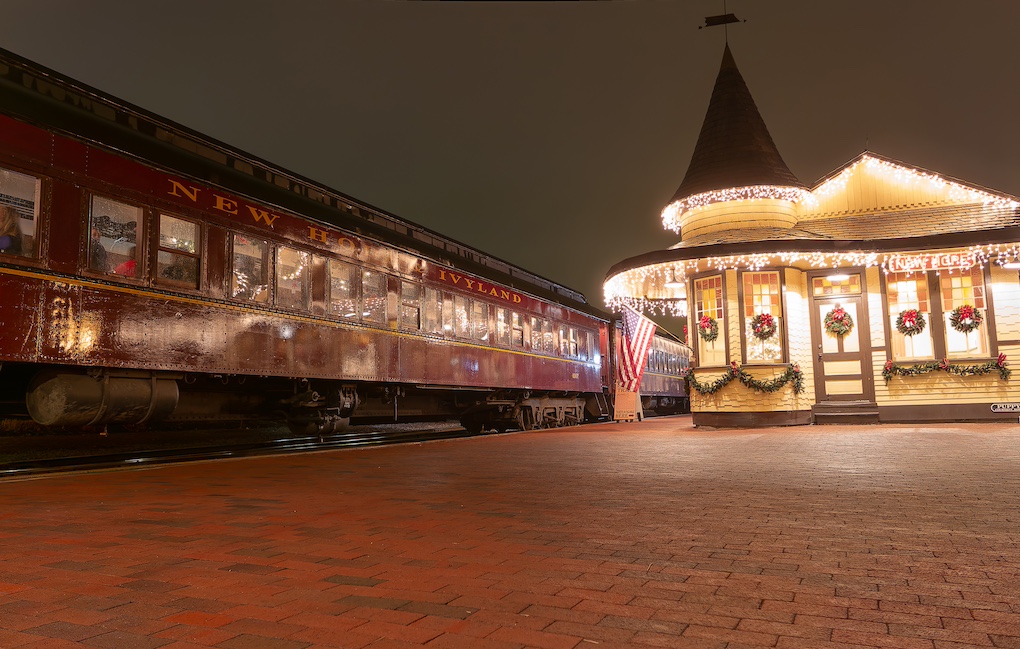
Tis the season for trains Checking the list twice for holiday specials Tis the season for winter holiday trains! My advice for holiday planners hoping to have a wonderful winter train ride is to follow Santa’s example: make your list and check it twice. However, if you get a lump of coal, consider that a […]
Read More…
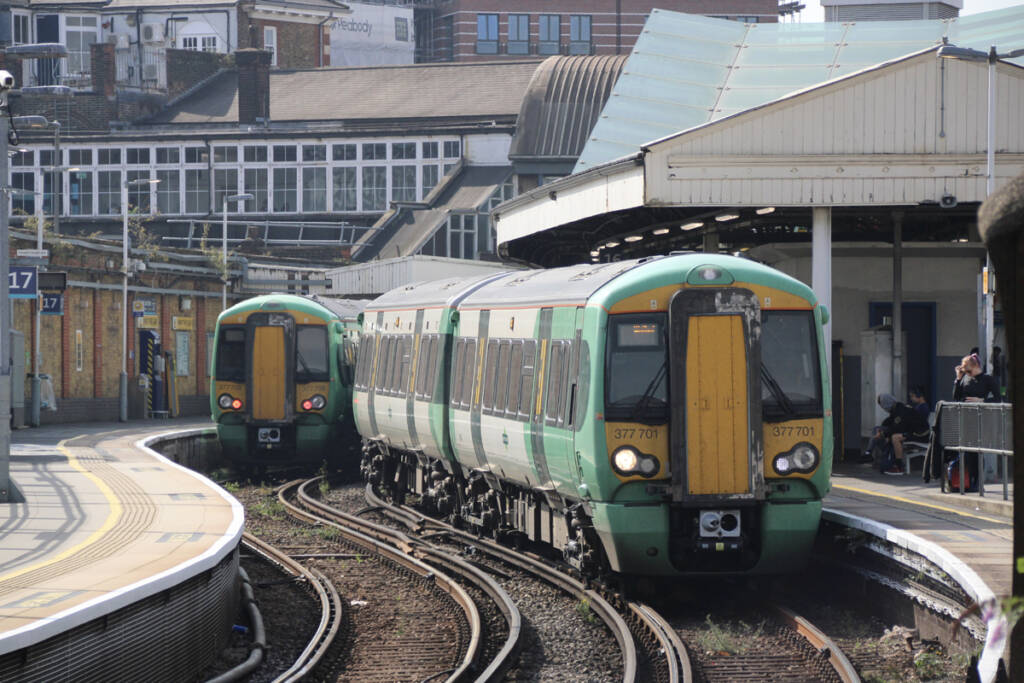
SLOUGH, England — A quick update for those who might be interested: I finally tested negative for COVID on Sunday and again today (Monday, Sept. 29), meeting the requirement that would allow me to rejoin the Trains/Special Interest Tours UK Steam tour. The only problem is that it happened so late there’s no point in […]
Read More…
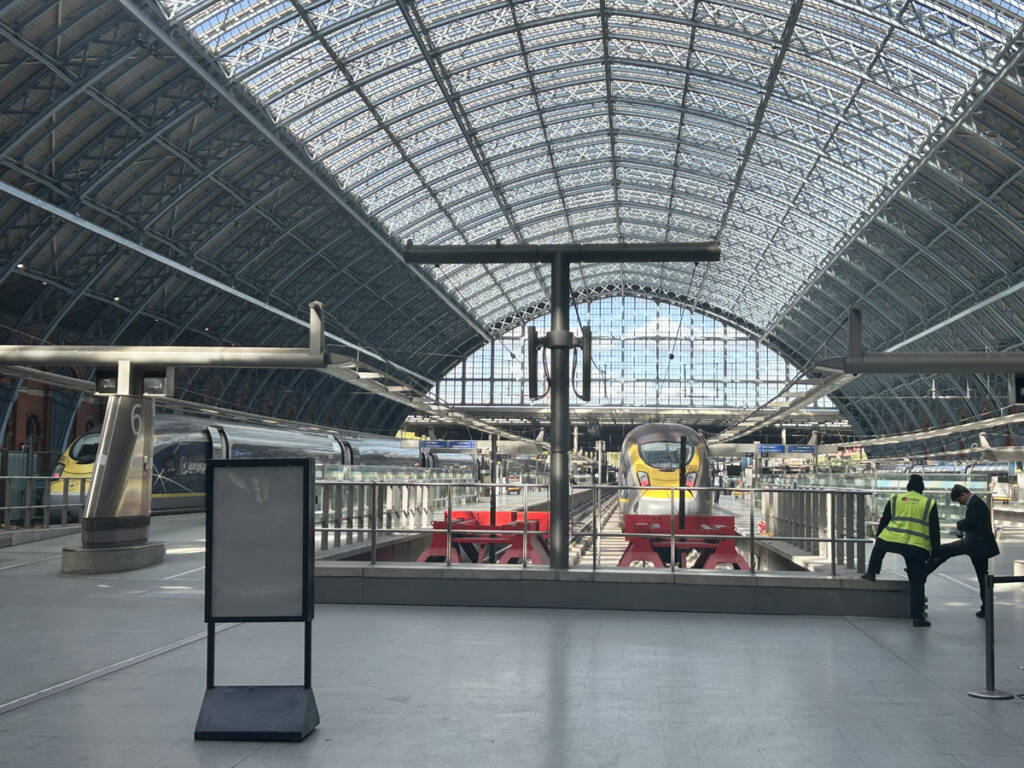
SLOUGH, England — File this under “knowledge I could have done without:” home COVID-19 tests are far less expensive in the UK than the U.S. I know this because I needed to take one, tested positive, and am now self-quarantining on the outskirts of London while the Trains/Special Interest Tours UK Steam trip moves on […]
Read More…
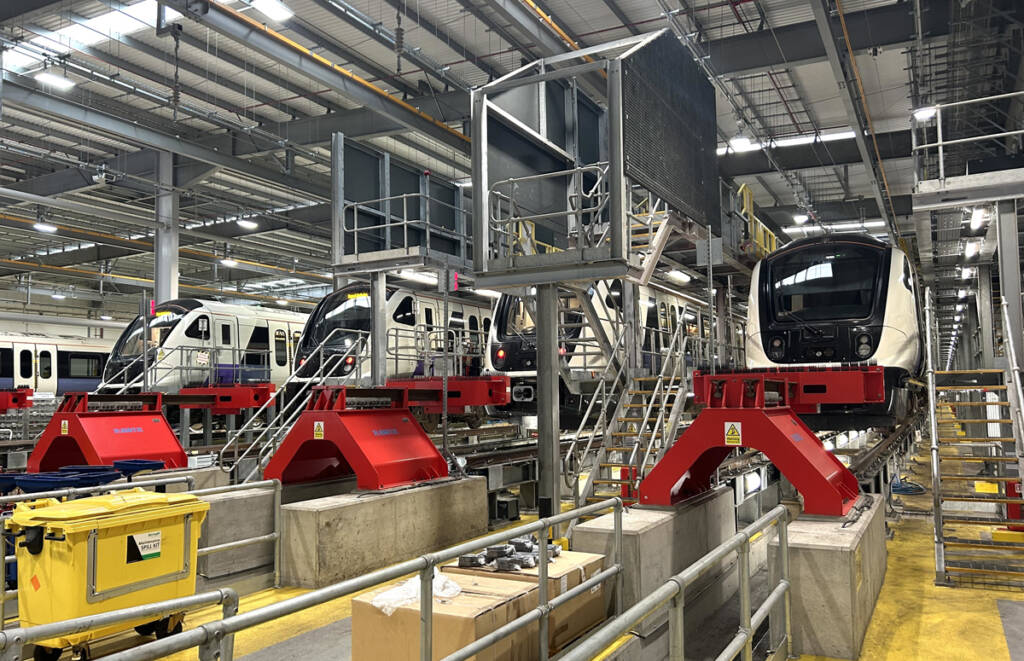
LONDON — Greetings from St. Pancras station in London — and I do mean that literally, since our hotel is in the station.] Tonight was the official start of the Trains/Special Interest Tours UK steam tour, with the group assembling for introductions and dinner. Tomorrow, there’s a bus tour of London (which I may miss; […]
Read More…
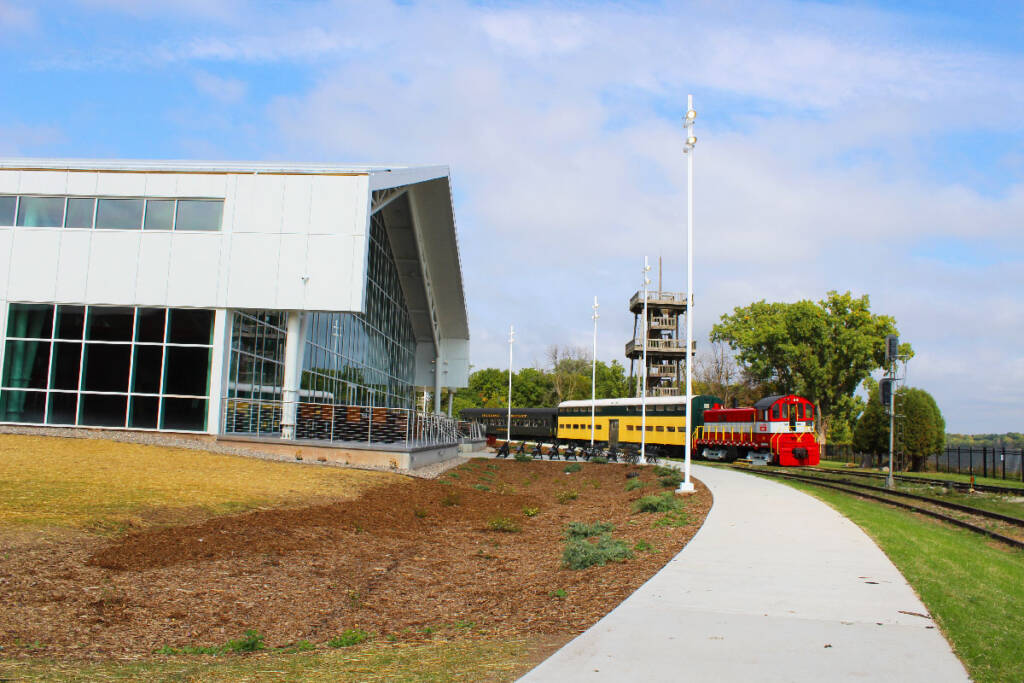
ASHWAUBENON, Wis. — The National Railroad Museum has opened its new Fox River Expansion, a 21,000 square foot, climate-controlled exhibit hall, which faces the waterway running along the museum campus. The $17 million project is the first of four museum expansion phases and has been nearly 10 years in the making. The new facility, says […]
Read More…