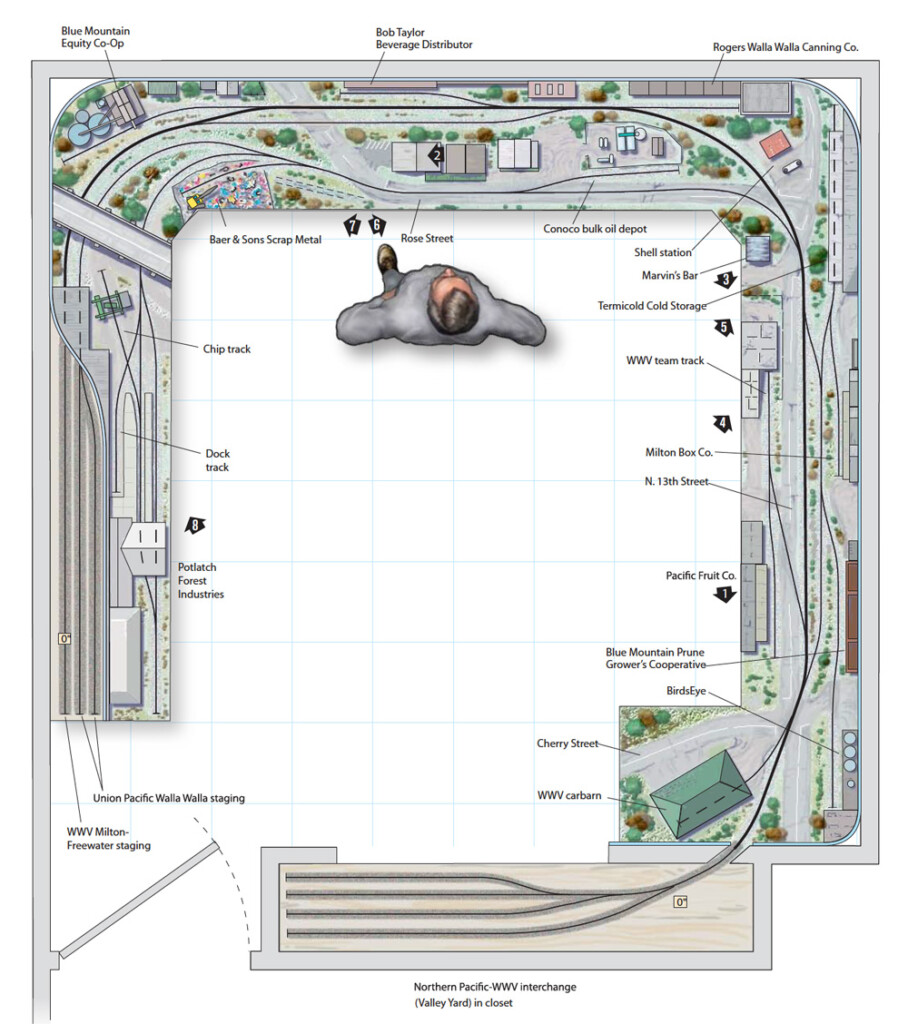
Q: I would value your feedback on how to approach creating a new HO scale layout. I’m approaching retirement, so I will have the time to get back into model railroading, which I’ve not pursued in more than 40 years. So much has changed that it’s overwhelming. I have a lot of track and rolling stock […]
Read More…
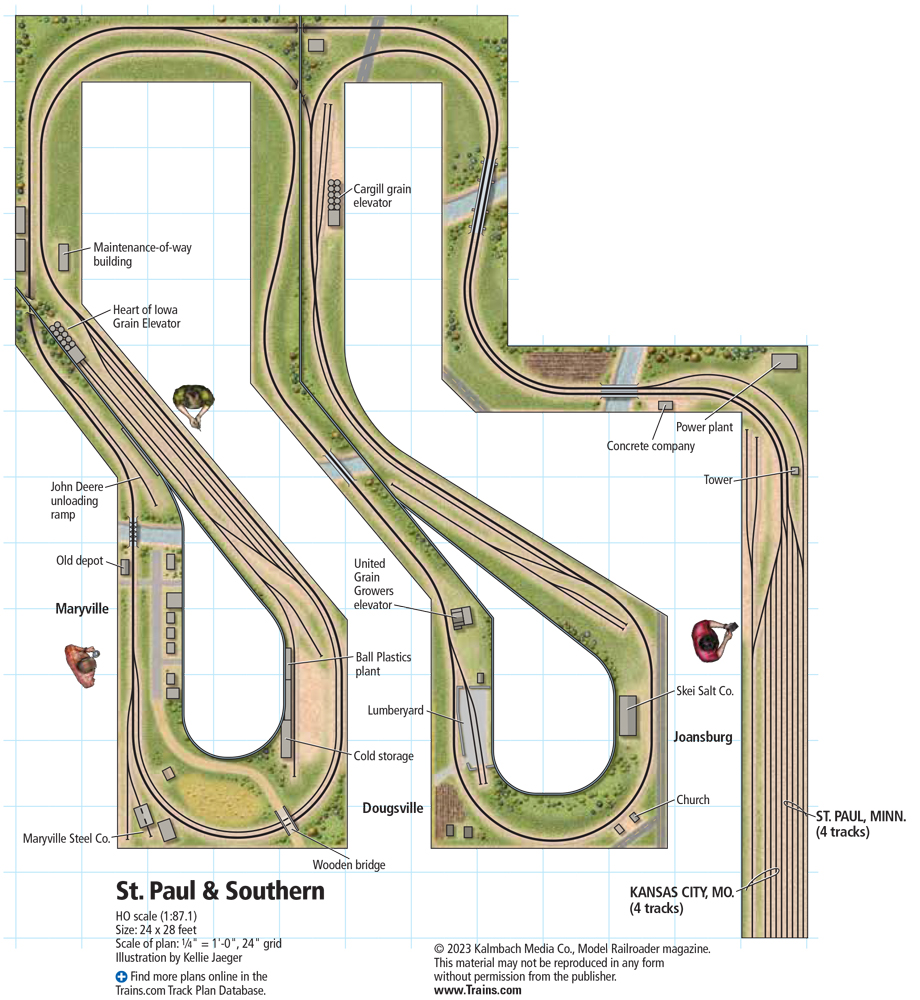
Facts & features Name: St. Paul & SouthernScale: HO (1:87.1)Size: 24 x 28 feetPrototype: Chicago & North Western’s “Spine Line”Locale: Minnesota, Iowa, and MissouriEra: 1995Style: Walk-inMainline run: 200 feetMinimum radius: 36″Minimum turnout: No. 6Maximum grade: FlatBenchwork: Open gridHeight: 47″Roadbed: CorkTrack: Micro Engineering flextrackScenery: Extruded-foam insulation boardBackdrop: Painted tempered hardboardControl: Switchable between DC cab control and MRC Prodigy […]
Read More…
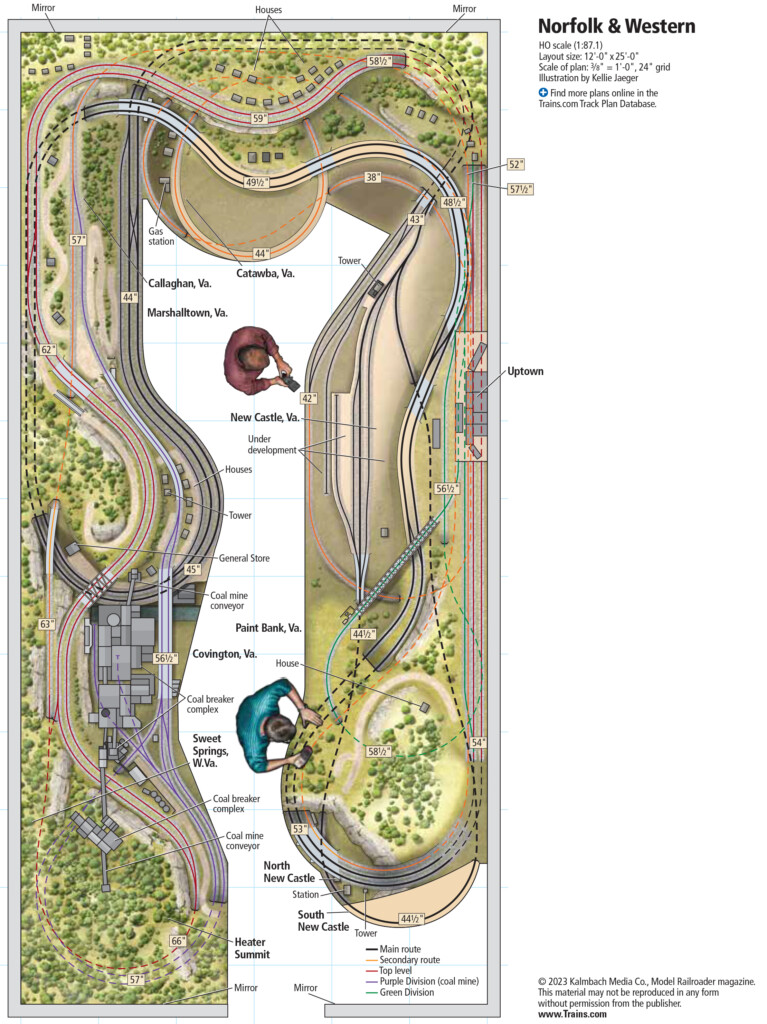
Facts & features Name: Norfolk & Western Scale: HO (1:87.1)Size: 12 x 25 feetPrototype: Norfolk & Western with Baltimore & Ohio and Chesapeake & OhioLocale: Virginia and West Virginia Era: 1950sStyle: Around-the-wallsMainline run: 240 feetMinimum radius: 22″Minimum turnout: No. 4Maximum grade: 4%Benchwork: open gridHeight: 38″ to 66″ Roadbed: corkTrack: Atlas code 100 flextrackScenery: Plaster-impregnated paper […]
Read More…

Facts & features Name: Virginia & Western RR, Tidewater DistrictScale: HO (1:87.1)Size: 1′-3″ x 17′-0″Theme: Waterfront industrial districtLocale: Mid-Atlantic tidewaterEra: 1948-54Style: ShelfMainline run: NoneMinimum radius: Cosmetic curvesMinimum turnout: No. 5Maximum grade: NoneBenchwork: Plywood on shelf bracketsHeight: 44″Roadbed: CorkTrack: Handlaid code 70Scenery: tabletopBackdrop: Painted 1⁄4″ plywoodControl: Digitrax DCC Download a PDF of this track plan! Buy […]
Read More…
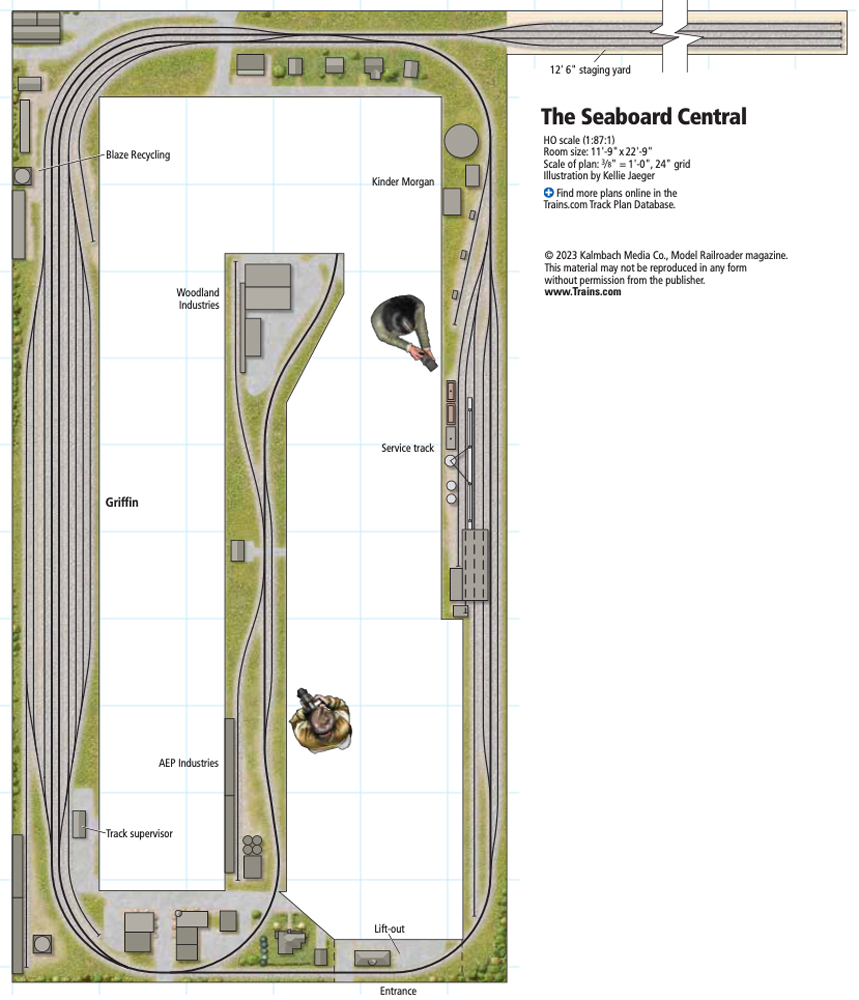
Facts & features Name: The Seaboard Central Scale: HO (1:87.1) Size: 11′-9″ x 22′-9″ Prototype: Proto-freelanced Era: Spring 2015 Locale: Griffin, Ga. Style: Walk-in Mainline run: 68 feet Minimum radius: 24″ Minimum turnout: No. 6 Maximum grade: None Benchwork: Open grid, sectional Height: 40″ Roadbed: Cork, trackbed Track: Micro Engineering code 83 flextrack Scenery: Foam […]
Read More…
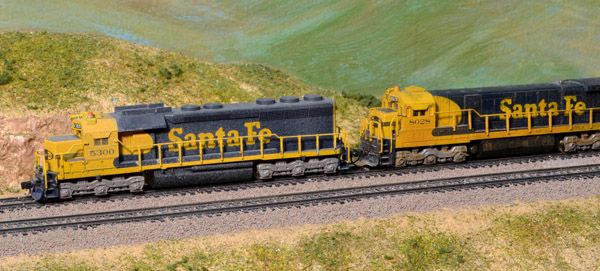
N scale layout design tips and considerations: Sometime back I wrote about how prototype railroad equipment has gotten larger over the years, making it more difficult to build a visually and operationally satisfying layout using trainset curves (93⁄4″ radius in N scale). An obvious solution – if you have the room – is to use […]
Read More…
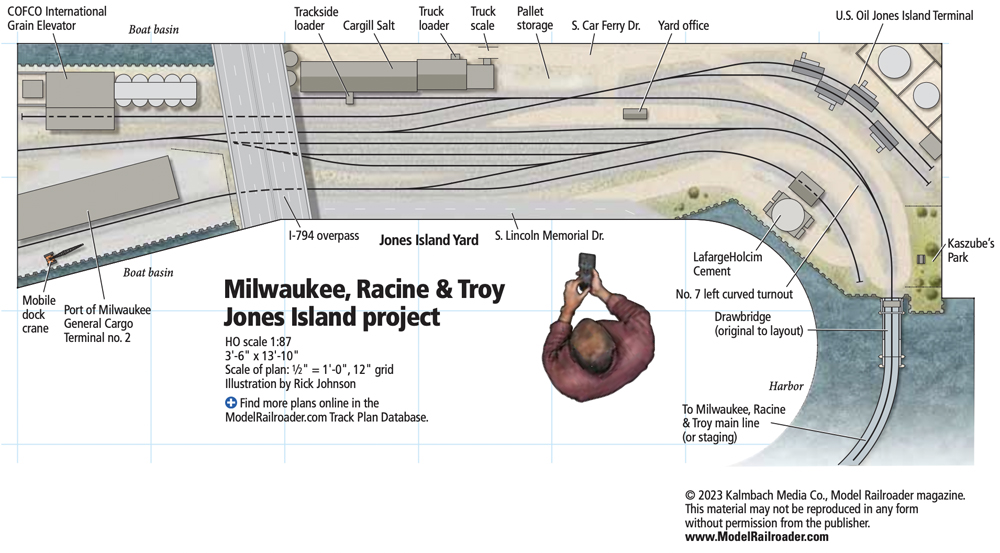
Facts & features Name: Jones IslandScale: HO (1:87.1)Size: 3′-6″ x 13′-10″Prototype: Port of MilwaukeeLocale: Milwaukee waterfrontEra: Present dayStyle: ShelfMainline run: NoneMinimum radius: 24″Minimum turnout: No. 6 Maximum grade: NoneBenchwork: L-girderHeight: 49″Roadbed: CorkTrack: Code 83Scenery: Extruded-foam insulation board, SculptamoldBackdrop: PhotoControl: NCE Digital Command Control Download a PDF of this track plan! Buy the May 2023 issue […]
Read More…
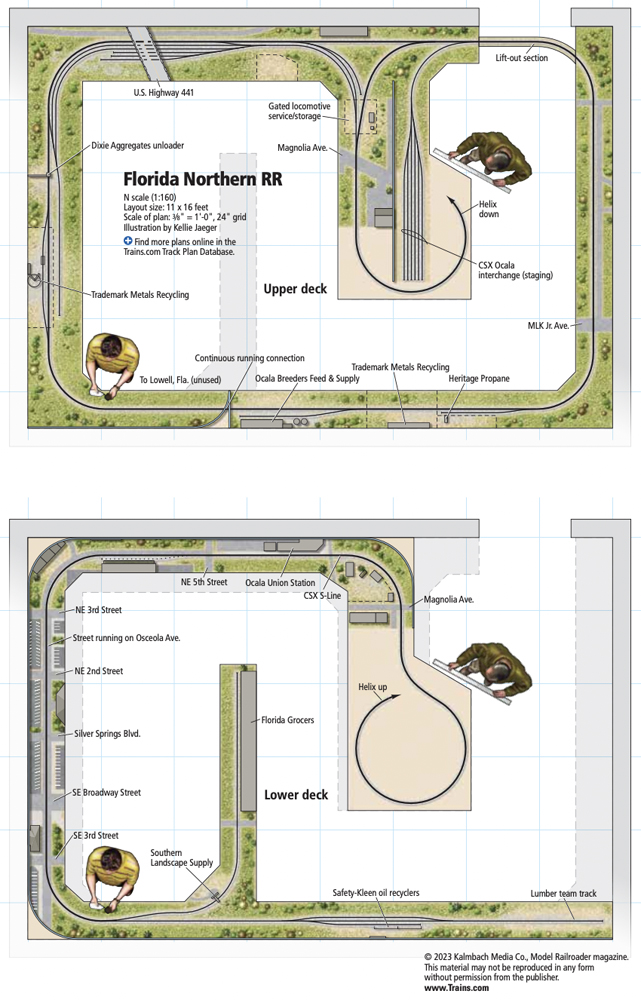
Facts & features Name: Florida Northern RR Scale: N (1:160) Size: 11 x 16 feet Prototypes: Florida Northern RR Locale: Central Florida Era: 2004 Style: Double-decked walkaround Mainline run: 88 feet Minimum radius: 18″ Minimum turnout: No. 6 Maximum grade: None Download a PDF of this track plan! Buy the May 2023 issue of Model […]
Read More…
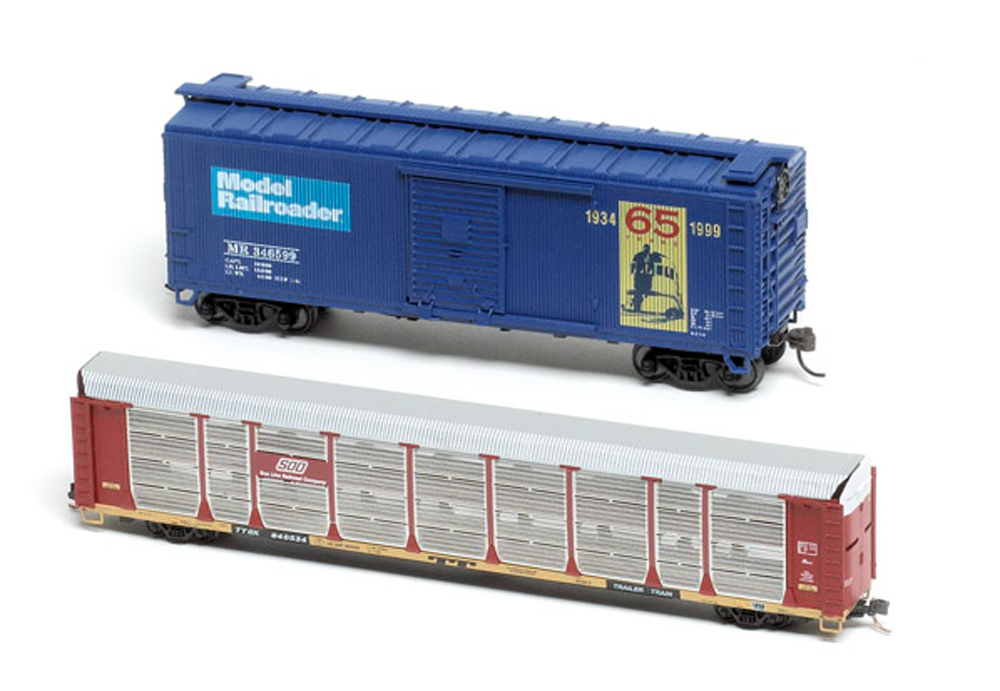
N scale trains on HO curves: In 1968 Aurora and Revell gambled that N scale train sets would be a big hit in the toy market. Aurora struck a deal with Minitrix, a German company, to produce its Postage Stamp line, and Revell turned to Rapido (also German) to manufacture its offerings. I have no […]
Read More…
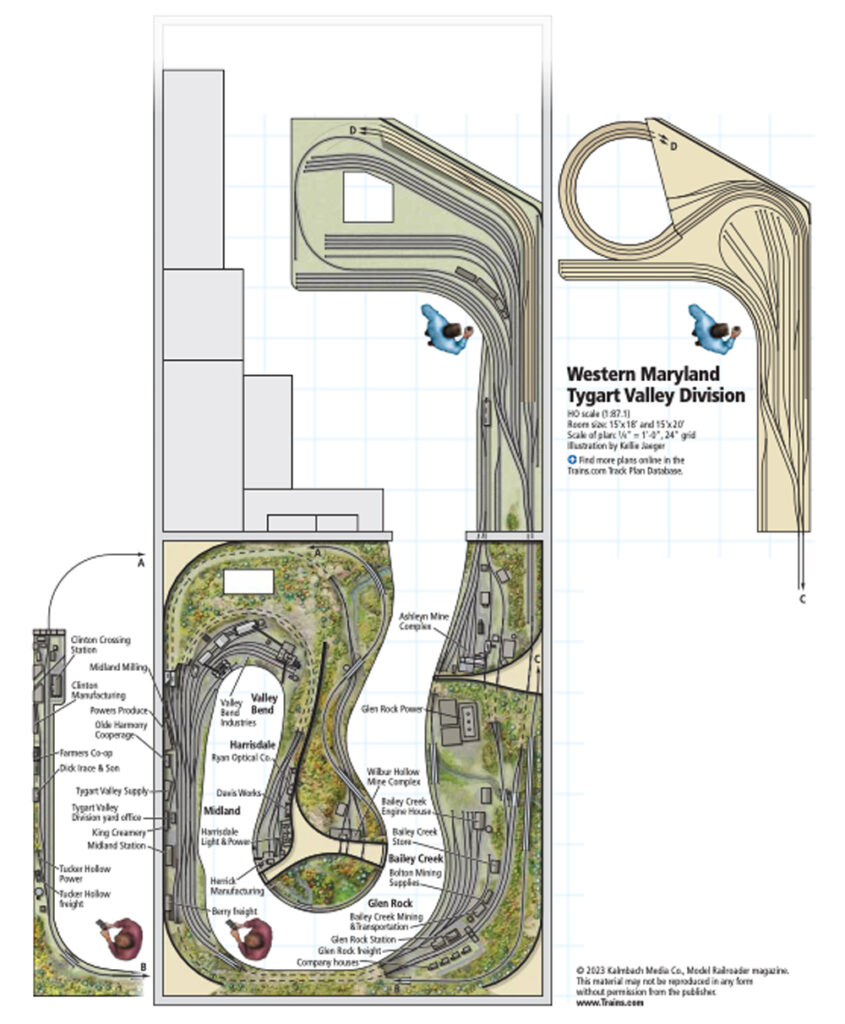
Facts & features Name: Tygart Valley Division Scale: HO (1:87.1) Size: Two rooms, 15′ x 18′ and 12′ x 20′ Prototypes: Proto-freelanced, Western Maryland Ry. Locale: West Virginia Era: Mid-1950s Style: Walkaround Mainline run: 160 feet Minimum radius: 30″ Minimum turnout: No. 6 Maximum grade: 2.75% Benchwork: Open grid Height: 45″ to 63″ Roadbed: Cork […]
Read More…
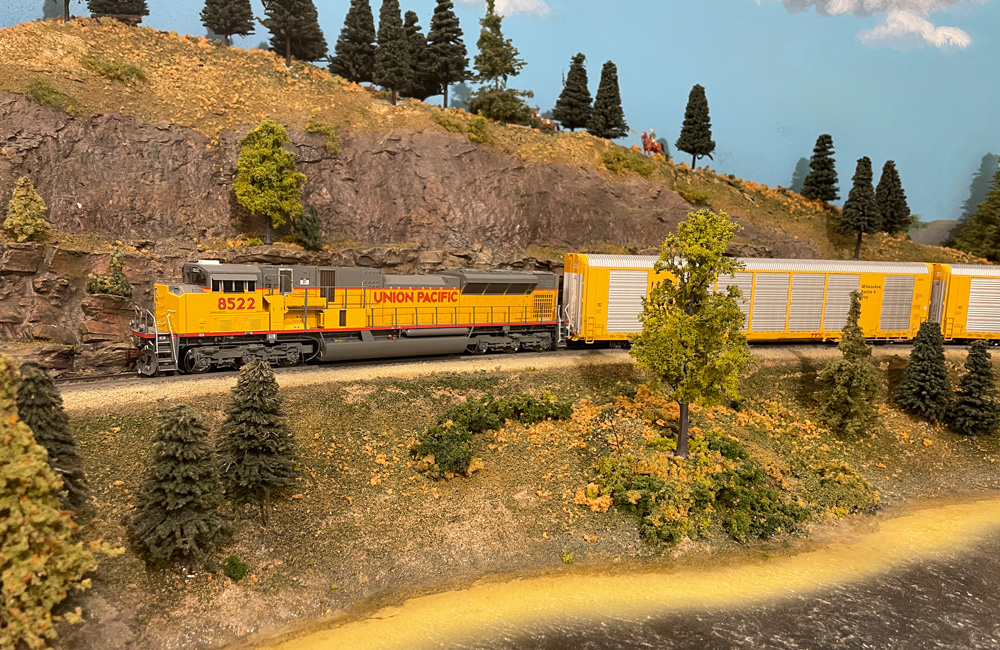
Q: I want to run six-axle power and trains of 15 cars or so around a return loop without any tight curves to it. What would be the recommended curve radius I should use, and how much space for a loop of track do I need? – Mike Bailey A: The flippant answer is, how […]
Read More…
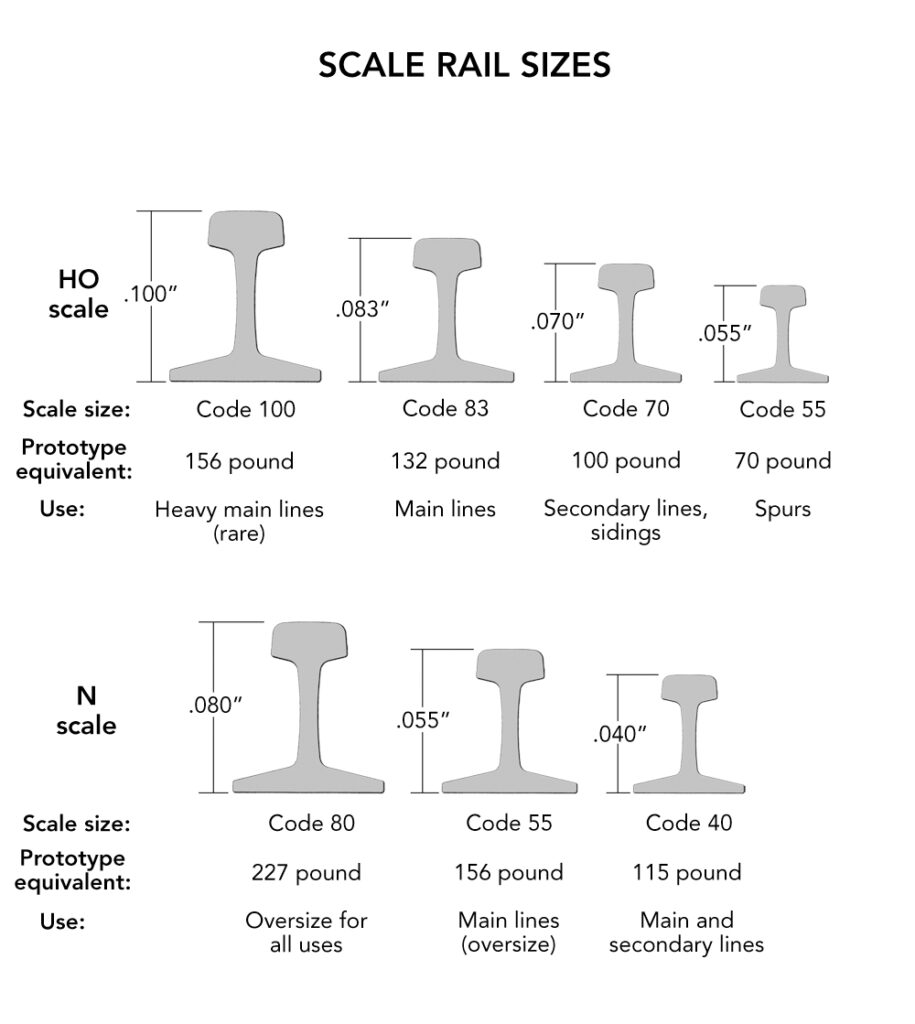
Choosing model rail sizes is one of the things modelers often spend time on when building their second layout. We often start with whatever came in the train set we began with, but then we start to hear about rail “codes,” and how they can differ. Regardless of scale, model rail sizes are specified […]
Read More…