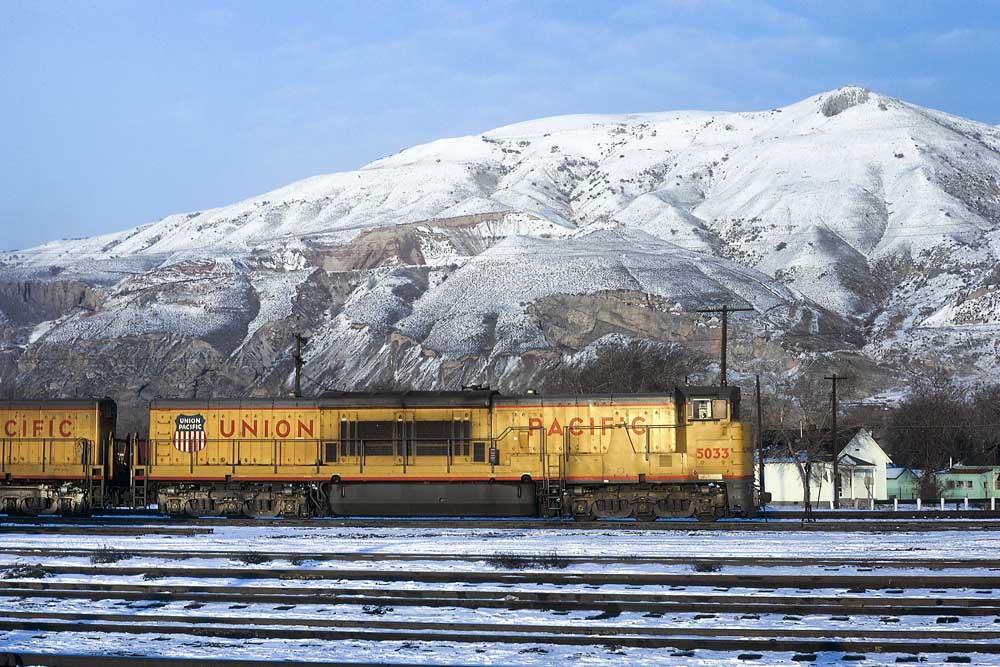
Union Pacific’s General Electric U50C locomotives were the last double-diesel model to join the roster, beginning in late 1969. They were, however, the least successful of the three production models the railroad acquired. GE built 40 U50C locomotives for UP between September 1969 and January 1971. (Their production dates largely mirrored those of […]
Read More…
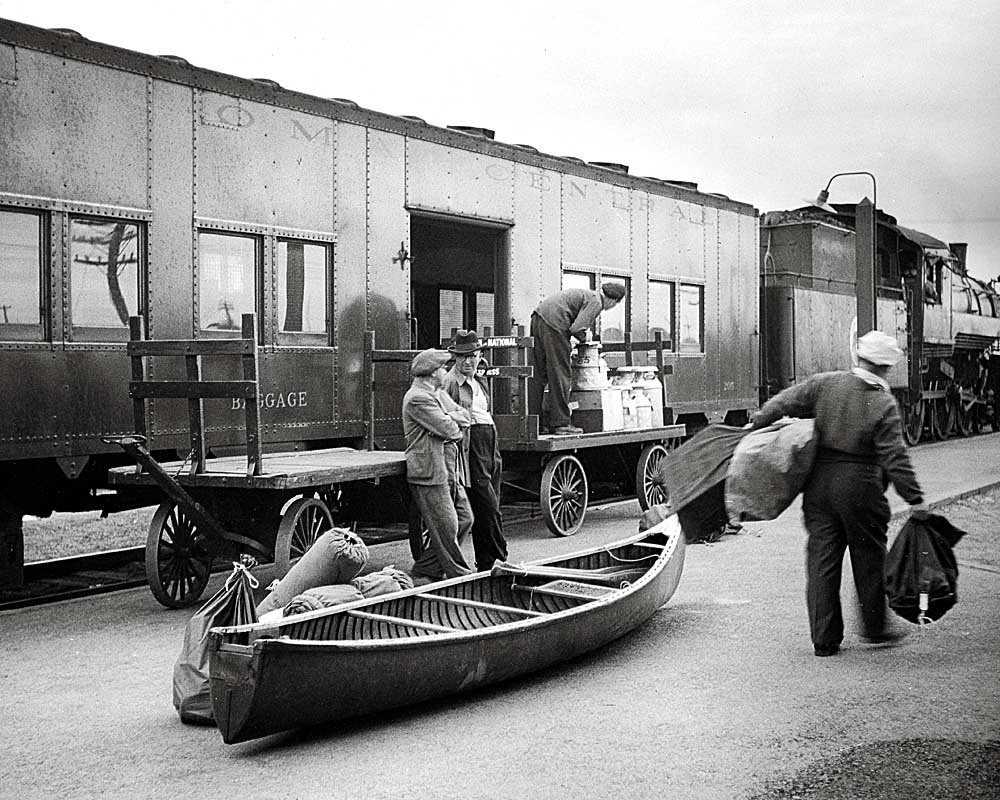
The Algoma Central Railway was chartered in 1899 to build into the Ontario wilderness north of Sault Ste. Marie. Its purpose was to bring out pulpwood and iron ore. In 1901 the ambitions of its founder added “& Hudson Bay” to the corporate title. The line reached Hawk Junction, 165 miles north of Sault Ste. […]
Read More…
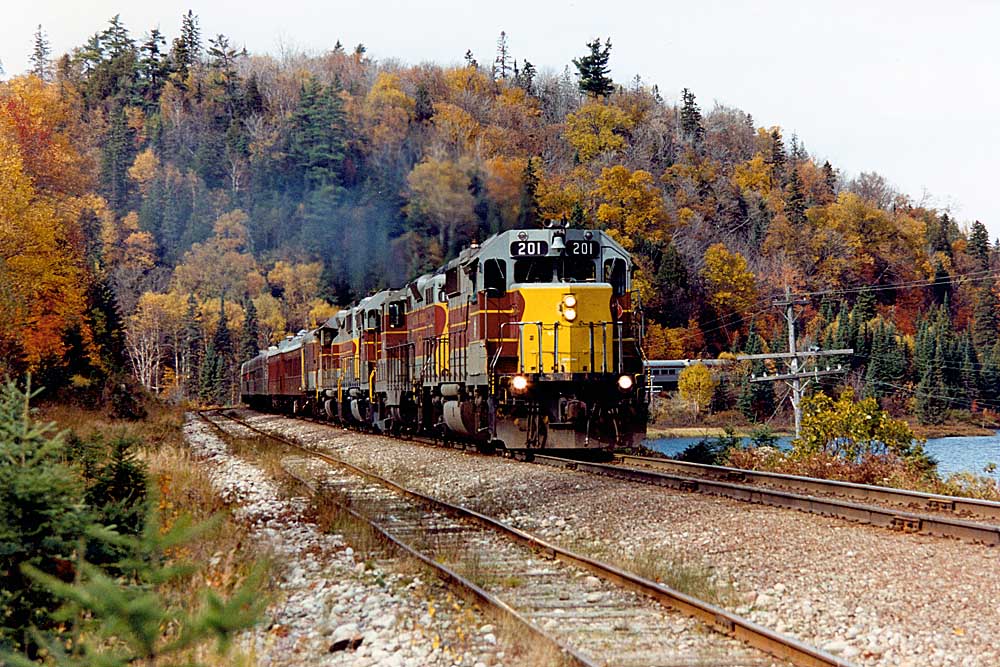
Algoma Central locomotives provided a bit of variety in northern Ontario railroading. For a railroad its size, ACR owned a variety of steam power. The first engines were secondhand, including 11 acquired in 1899: four Lehigh Valley 4-6-0s and seven ex-Chicago, Burlington & Quincy 0-4-0s. ACR’s first new power, four Baldwin 2-8-0s, arrived […]
Read More…
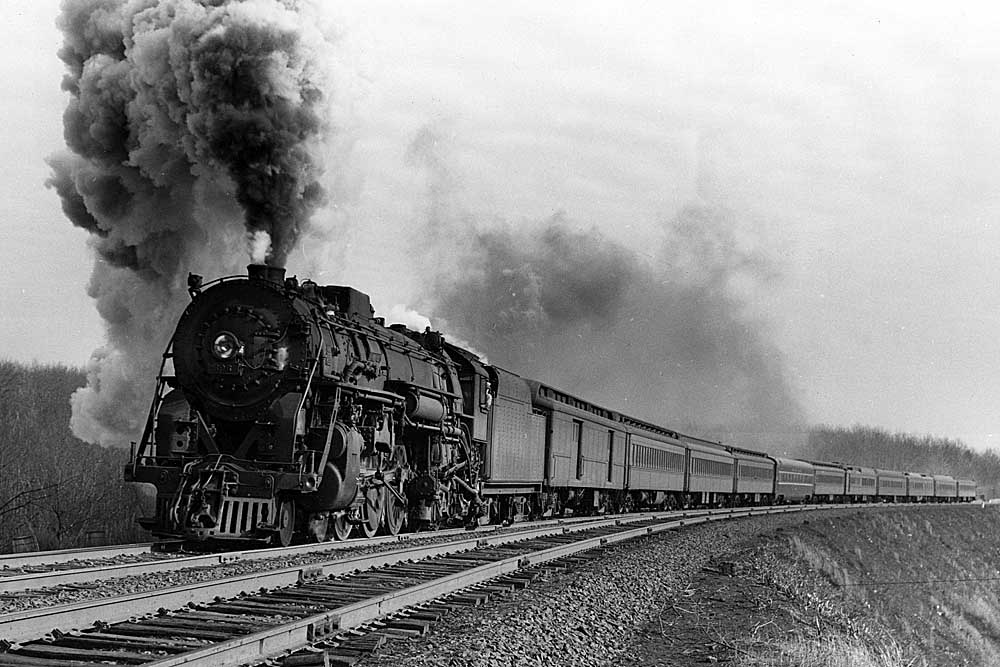
Boston & Albany’s J2 Hudsons provided subtle variety to the greater New York Central System. From the moment the New York Central absorbed the Boston & Albany Railroad via lease in 1900, you can imagine the company’s executive team vowing to hang on to as much independence as possible. The B&A was a […]
Read More…
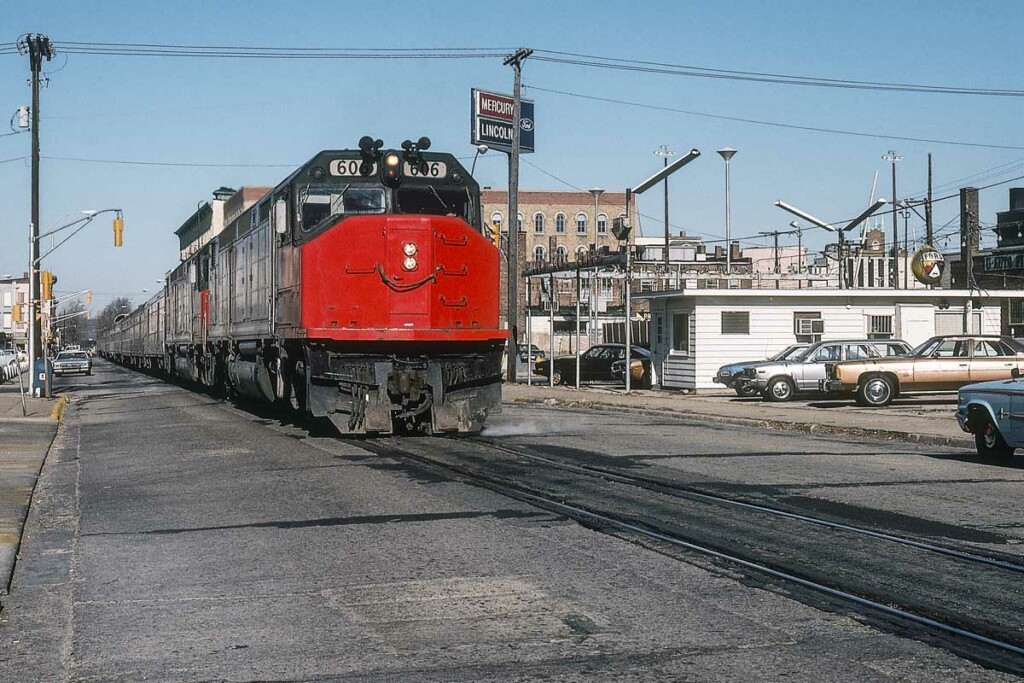
Amtrak Floridian service provided direct service between Florida and the Midwest for almost a decade. The train was first known as the South Wind, a name inherited from predecessors Pennsylvania Railroad, Louisville & Nashville, and Seaboard Coast Line. With the issuance of Amtrak’s first in-house timetable on Nov. 14, 1971, the name was changed to […]
Read More…
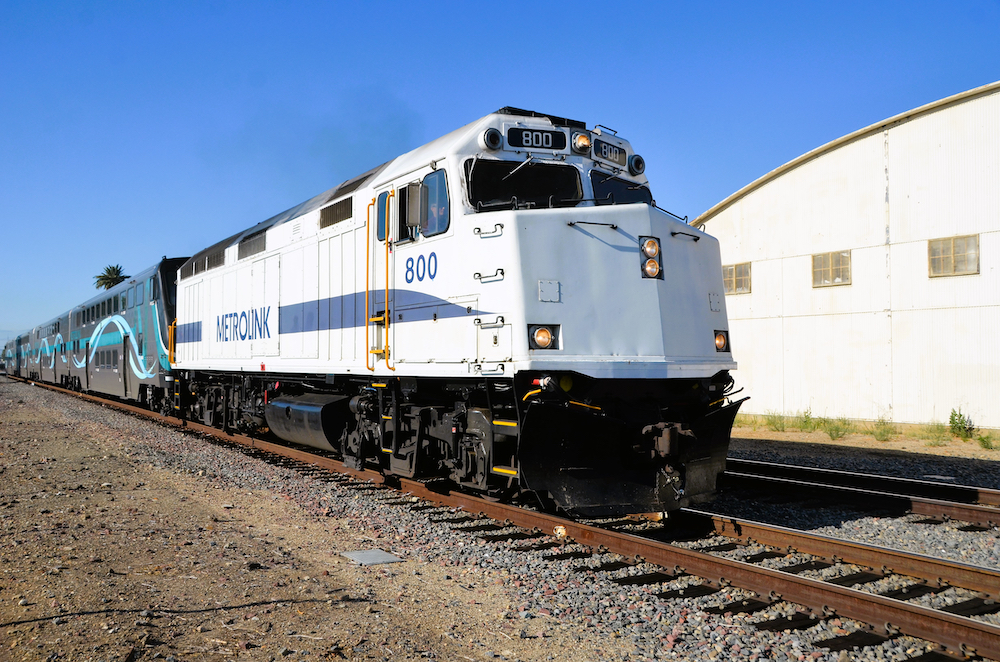
Metrolink’s lonely F40PH locomotive is one of a dwindling number of F40s. It’s hard to believe once the EMD F40PH was the predominant motive power for Amtrak trains as well as many commuter lines. At Metrolink, No. 800 is today one of a kind. The story starts in the years following the initial hodgepodge of […]
Read More…
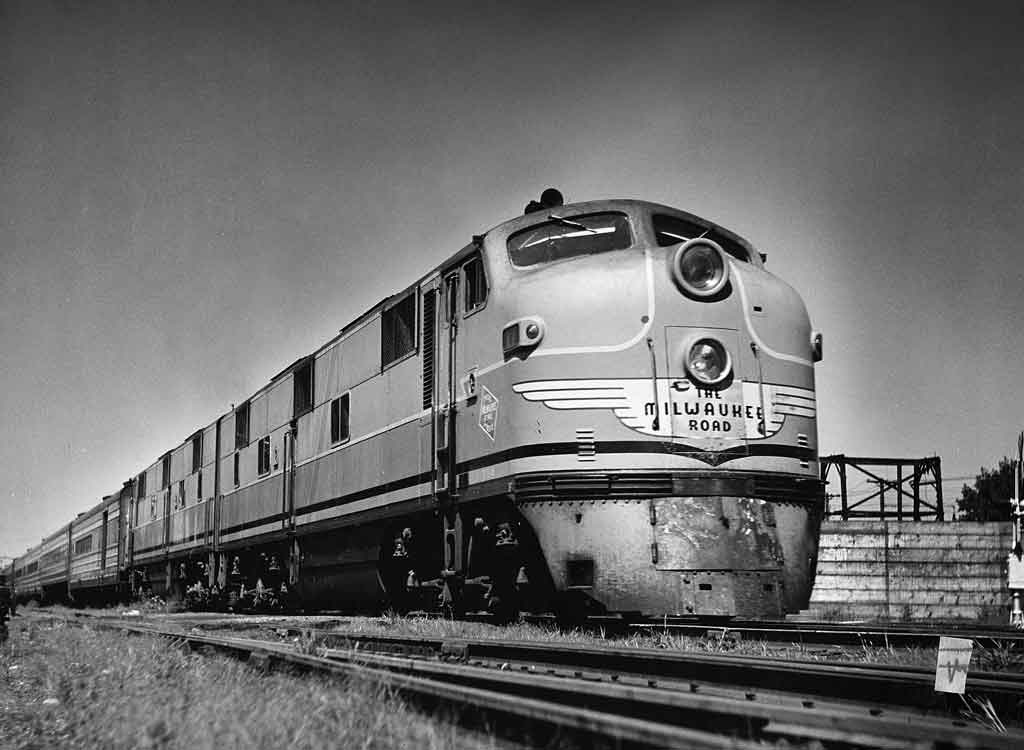
The Milwaukee Road Hiawatha fleet stands out among mid-century passenger operators. Of all the major U.S. railroads that fielded impressive fleets of passenger trains between the end of World War I in 1918 and the arrival of Amtrak in 1971, the Chicago, Milwaukee, St. Paul & Pacific — more commonly known as the […]
Read More…
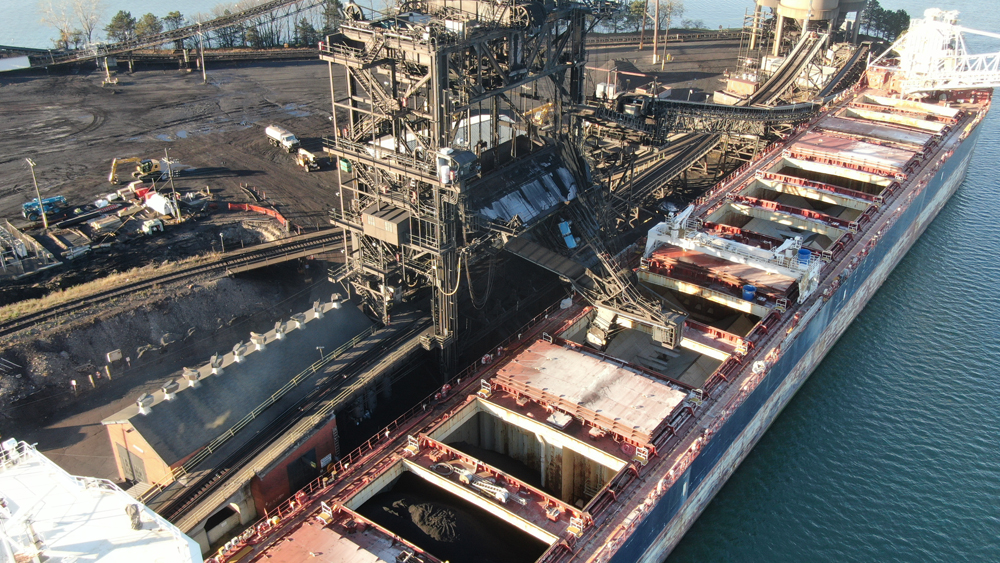
Sandusky coal dock The early days Sandusky, Ohio, is the roller coaster capital of the United States. It is home to the Cedar Point amusement park, which has sixteen of the fastest, wildest, most thrilling coasters anyone has ever seen. But did you know there’s one more? You can’t ride on it, and many Sanduskians […]
Read More…
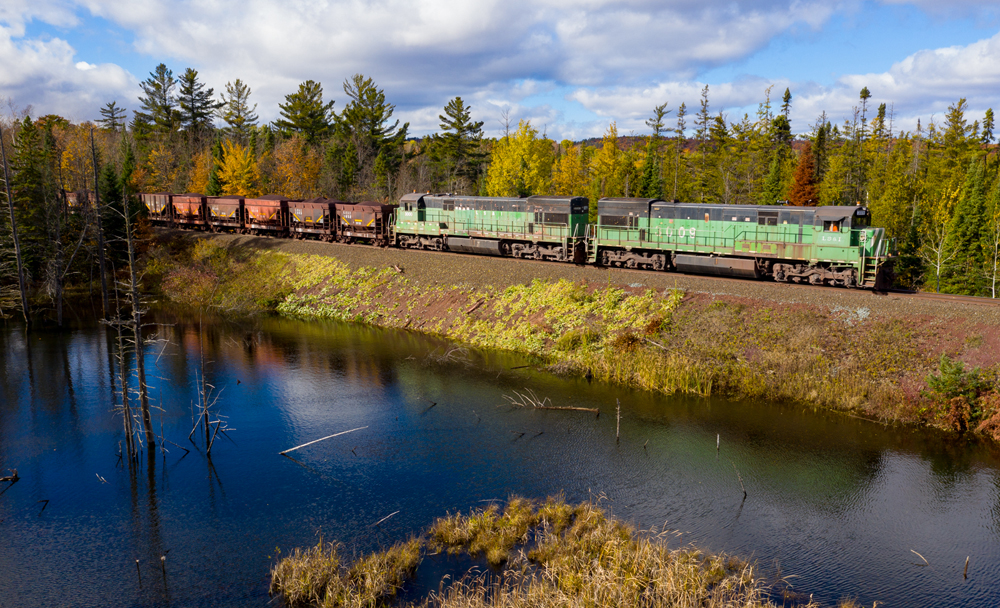
Lake Superior & Ishpeming’s locomotives The writing has been on the wall for years. Fifteen years ago, in Trains’ April 2008 issue, David Lustig warned of the demise of Lake Superior & Ishpeming’s venerable fleet of former Burlington Northern General Electric U30C and C30-7 locomotives. Now, that time appears to have arrived at the short […]
Read More…
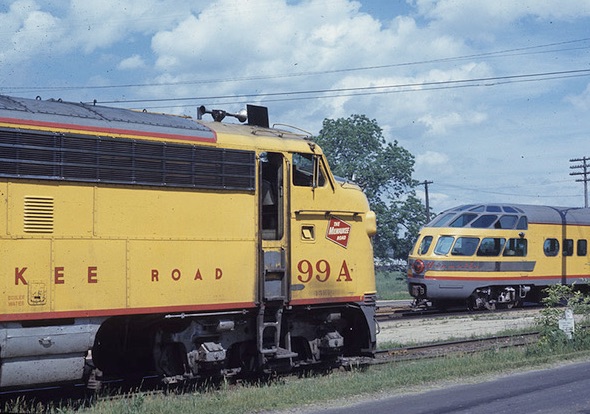
Even as he handed it to me the other night at a Milwaukee slide show, I couldn’t quite believe what Mike Schafer was telling me. “Hey, this is my first railroad book! Maybe you’ll write about it?” Mike Schafer’s first railroad book. That didn’t sound quite right. I’ve been reading Mike’s name on […]
Read More…
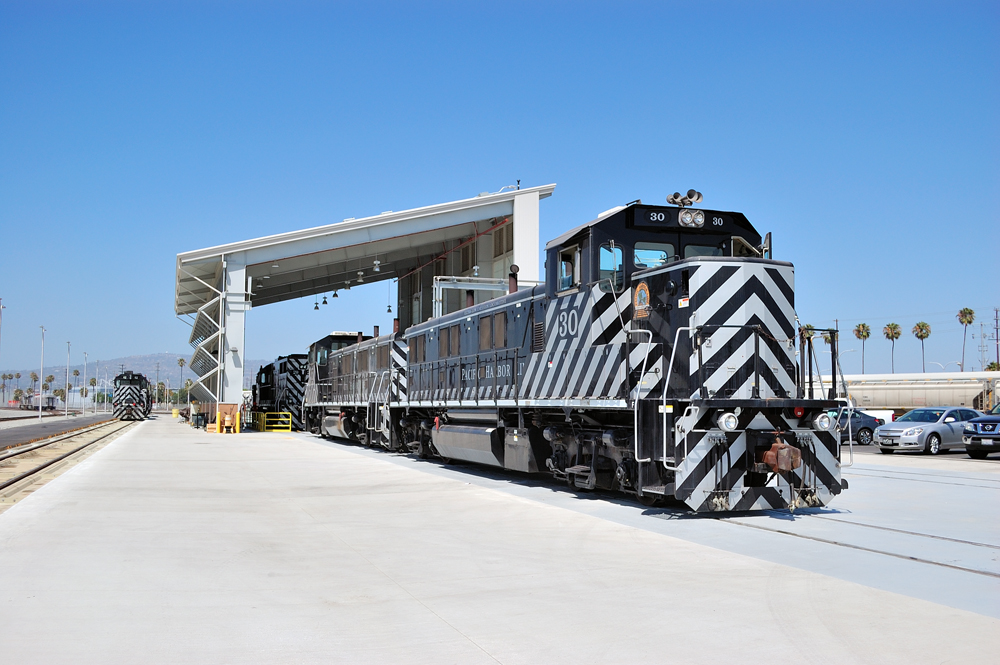
The Pacific Harbor Line is railroading at its best. In many ways it reflects railroading as it used to be. Consider the good old days. Lots of railroads, various locomotive builders and plenty of paint schemes, not to mention open stations and friendly and courteous employees. If you didn’t like what you saw in one […]
Read More…
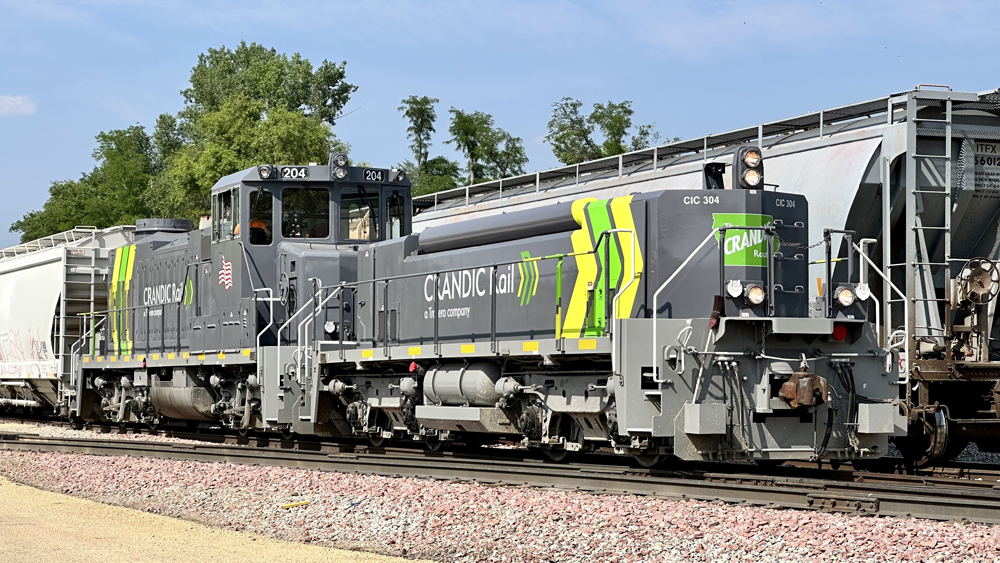
Slug units As avid railfans, we often find ourselves drawn to locations where we can witness a high volume of train activity. Cities like Chicago, Atlanta, or Portland boast major classification yards that serve as hot spots for freight operations. At such locations, we may encounter a peculiar sight: unusual-looking “locomotives” performing switching duties alongside […]
Read More…