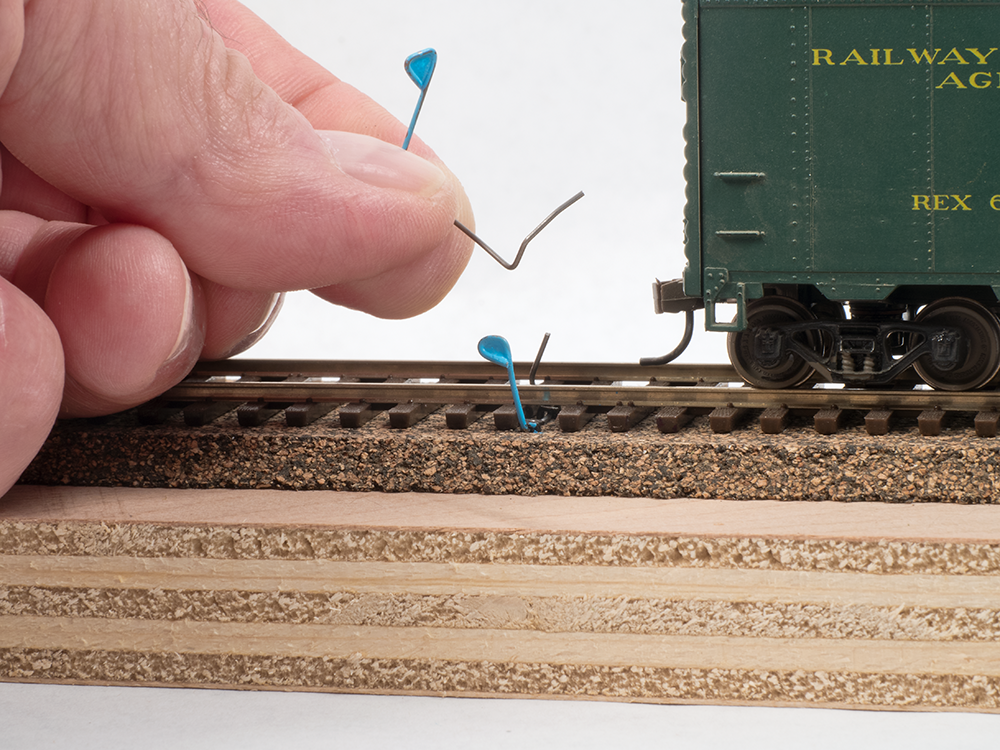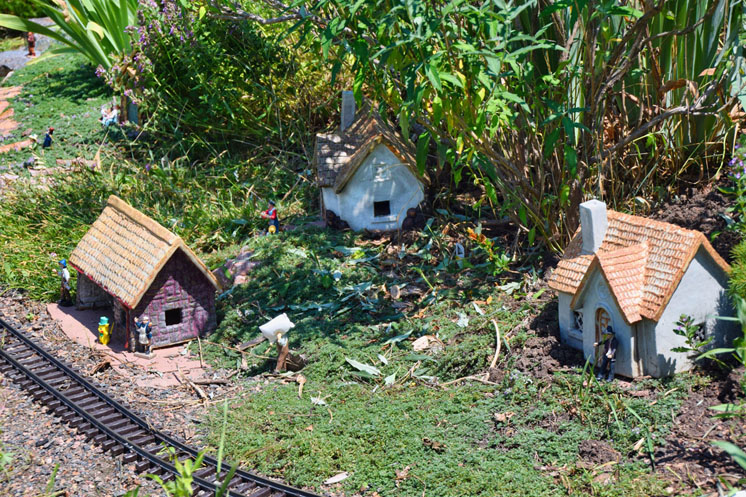
We’ve kept close to home since quarantine and social distancing guidelines have been issued. Club meetings have been canceled; events and open houses have been put on hold. Our hearts go out to anyone affected by COVID-19. Time at home has spawned creative moments, though. I’ve refurbished structures, maintained locomotives and rolling stock, and looked […]
Read More…
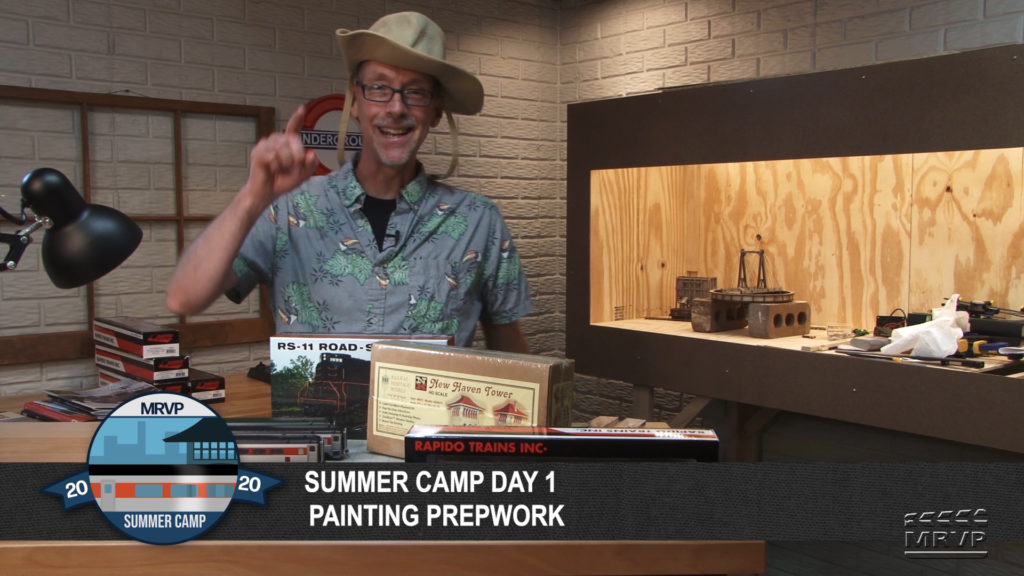
Welcome campers! Two fun-filled weeks of Summer Camp 2020 have begun. This week and next, David Popp will be your Camp Director guiding you through various all-scale modeling efforts covering structure-building, detailing, painting, weathering, and more. Get your permission slip submitted so you can join the Day One painting prep activities exclusively on MRVideoPlus.com! […]
Read More…
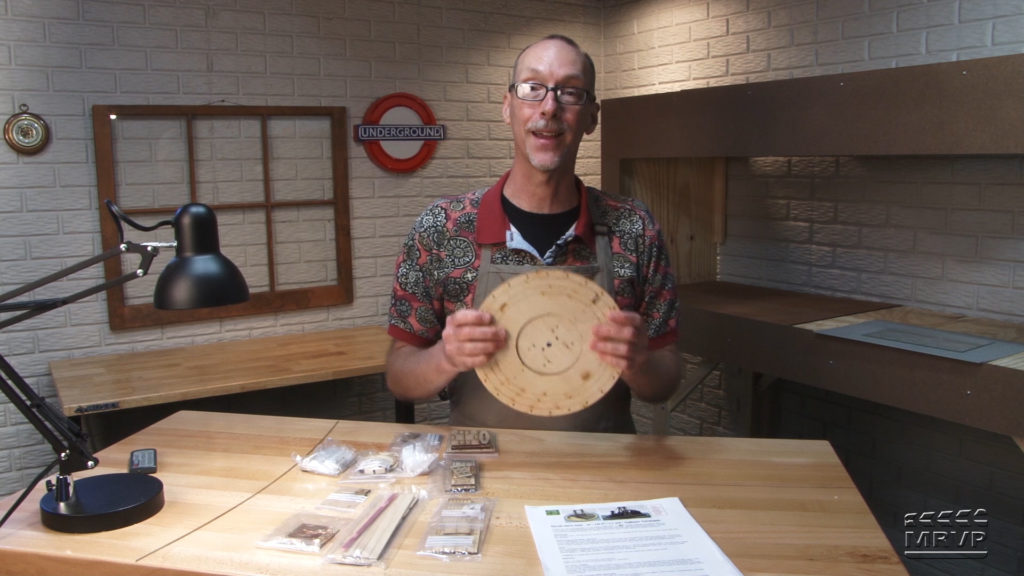
Narrow gauge (On30) modeler David Popp steps aspiring structure builders through the process of assembling a laser-cut wood turntable kit. From assessing the components to adding fine details, David shares how easy it is to build and finish an essential structure for his rustic, Olympia & Sand Creek railroad. This how-to, modeling mini-series starts with […]
Read More…
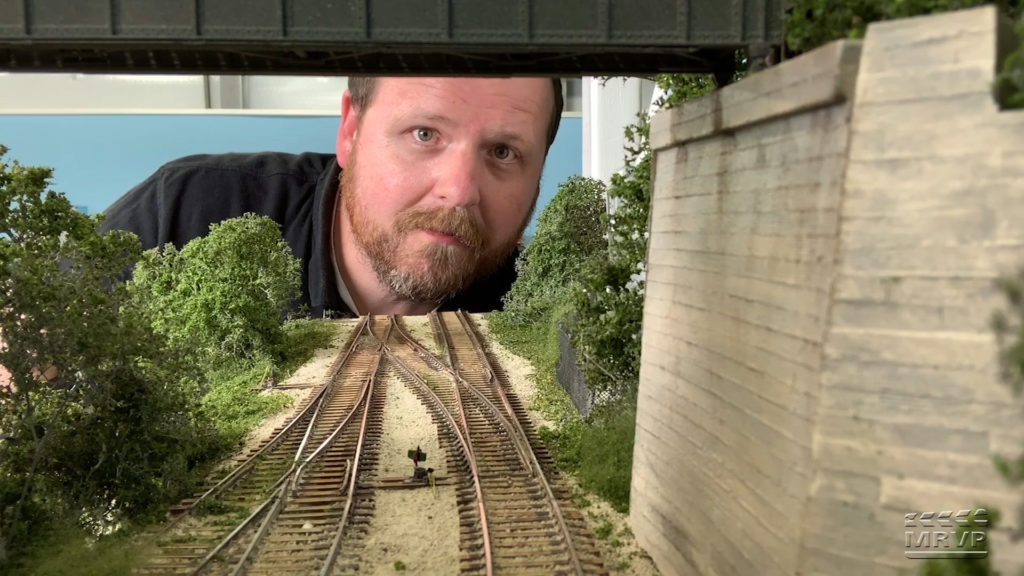
James McNab, our newest Contributing Editor, shows viewers that trackwork can be realistically enhanced like any other model on a layout. In this case, James reveals helpful insights for detailing and painting track on his HO scale Hills Line. […]
Read More…
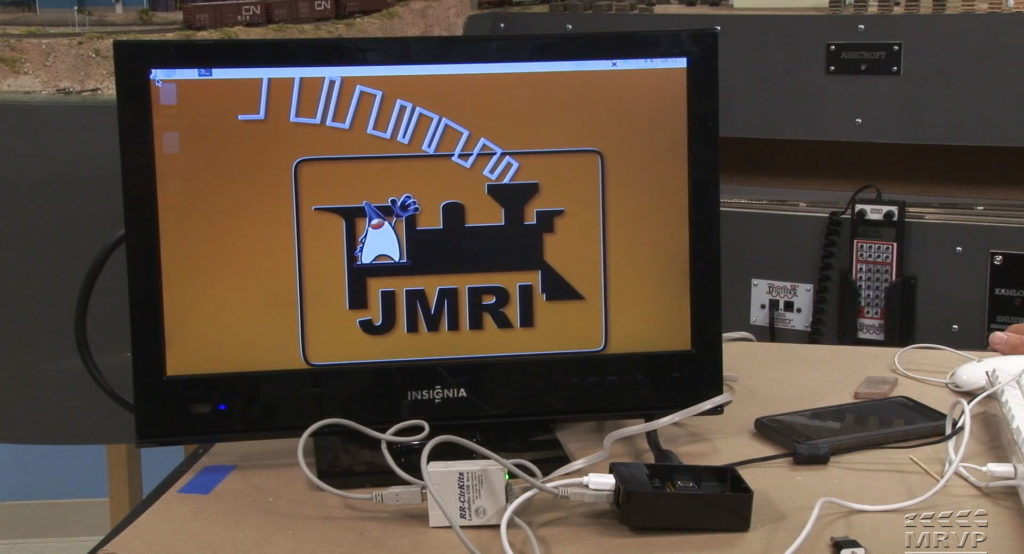
The JMRI signaling series continues with MRVP’s Ben Lake taking a closer look at the Layout Editor tool within PanelPro software. On the Canadian Canyons N scale layout, Ben shares his process and insights for using Layout Editor to link various components (turnouts, track segments, etc.) of a signaling system. […]
Read More…
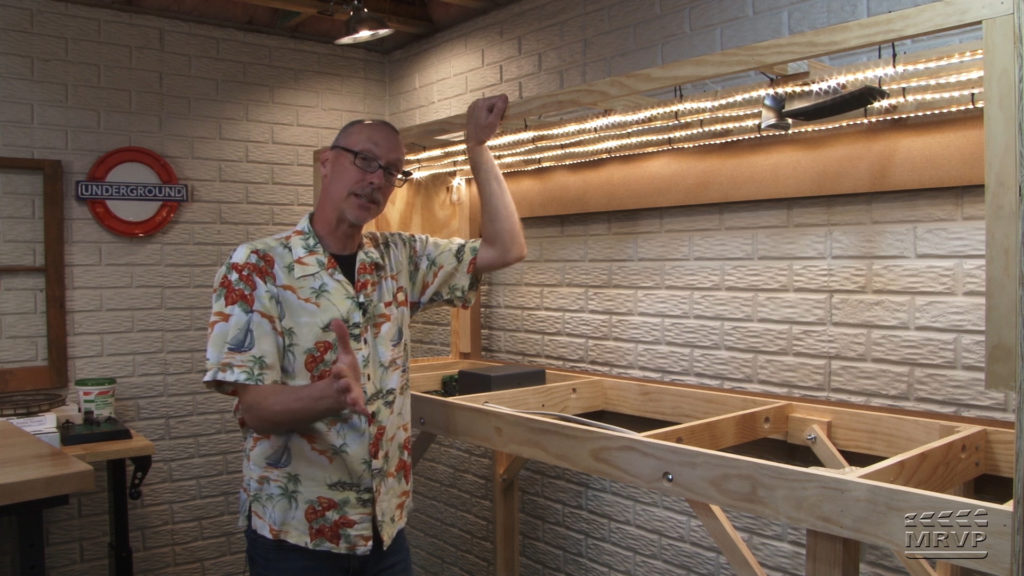
For this July episode of MRVP Underground, host David Popp is on the task of stringing new LED rope lighting over his Olympia Logging Co. On30 layout. Plus, you’ll also see how simple it is to add a stelllar sound system to complement the layout’s light show! […]
Read More…
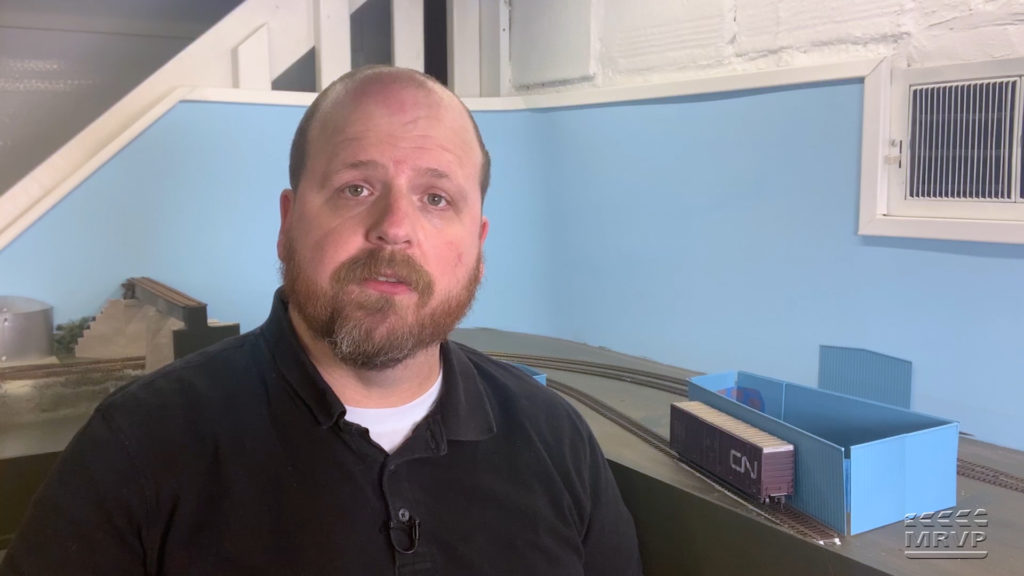
Contributing Editor James McNab launches into his new, Hills Line HO scale layout development. In this episode, he focuses on establishing a practical footprint for the various rail-served complexes and industries that help keep the wheels of commerce (and railroad operation) turning. Don’t miss James’ take on making short-term structures with a purpose! […]
Read More…
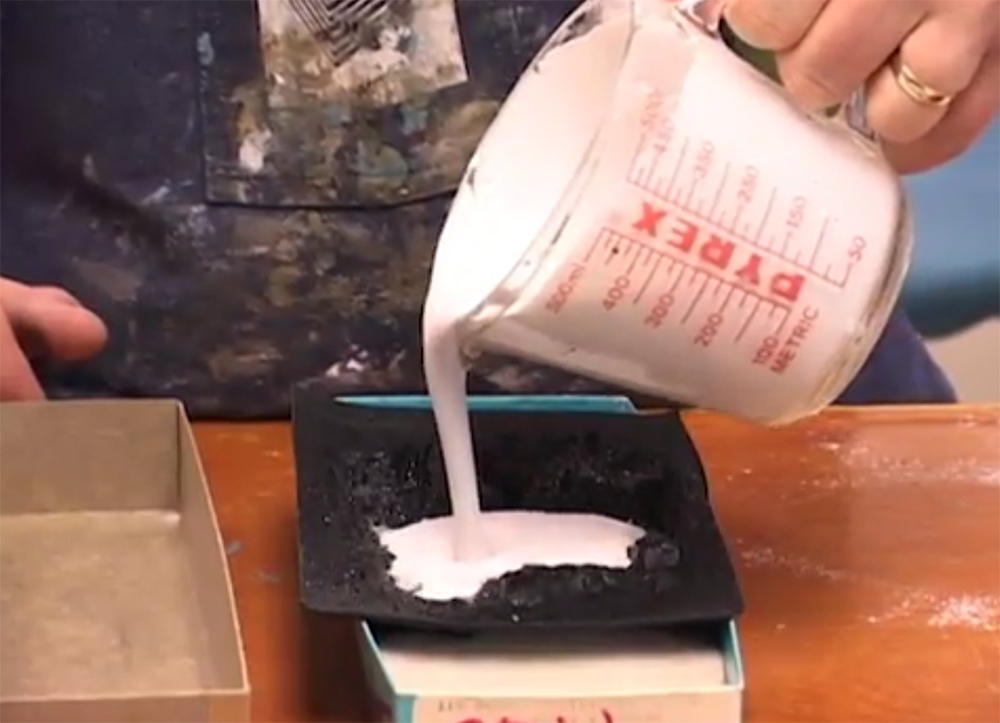
Rubber rock molds and hydrocal plaster make it easy to add exposed rockfaces and other dramatic scenic elements to your model train layout Nothing says “impressive” quite like a rugged mountain range full of jagged rock faces. Though mountains appear solid to us, many are just individual layers of rocks, stacked one on top […]
Read More…
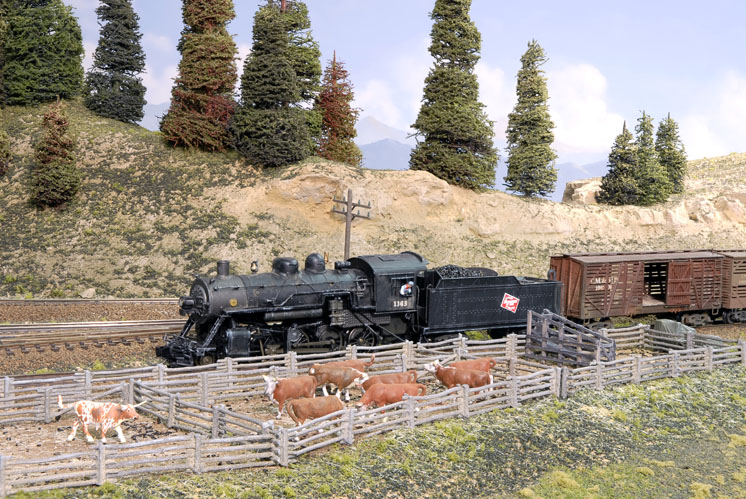
Most N scale bovines offered by figure manufacturers are milk cows, but the Montana cattle industry requires steers and bulls, too. Dan Lewis uses wire and Microscale Kristal Kleer to turn cows into bulls, as well as to model longhorns, on his N scale Milwaukee Road North Montana Line. One problem I encountered with commercially […]
Read More…
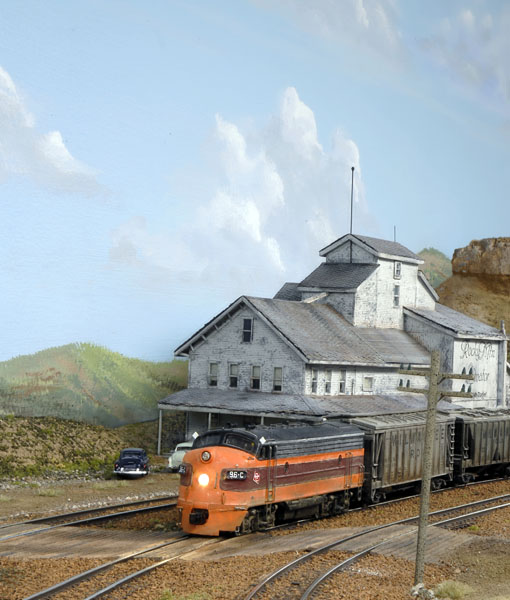
A feature one doesn’t see modeled very often is white extra flags. On a line like the North Montana that hosted mostly time freights, extra trains carrying livestock and grain were seasonal. Extra flags can be easily made from .008″ brass wire and small squares cut from white tissue paper. After gluing the flags onto […]
Read More…
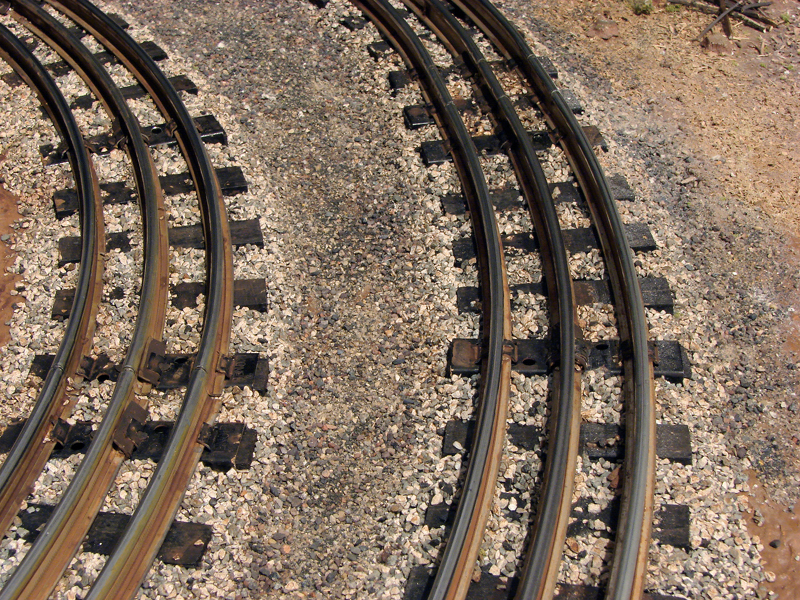
It’s been written about a lot before, but here are some more ballasting tips for tubular track. It can make your right-of-way look more realistic, but the bottom line is have fun and don’t stress about it. Don’t overdo It is pretty common to completely fill in the area between two tracks with a bed […]
Read More…