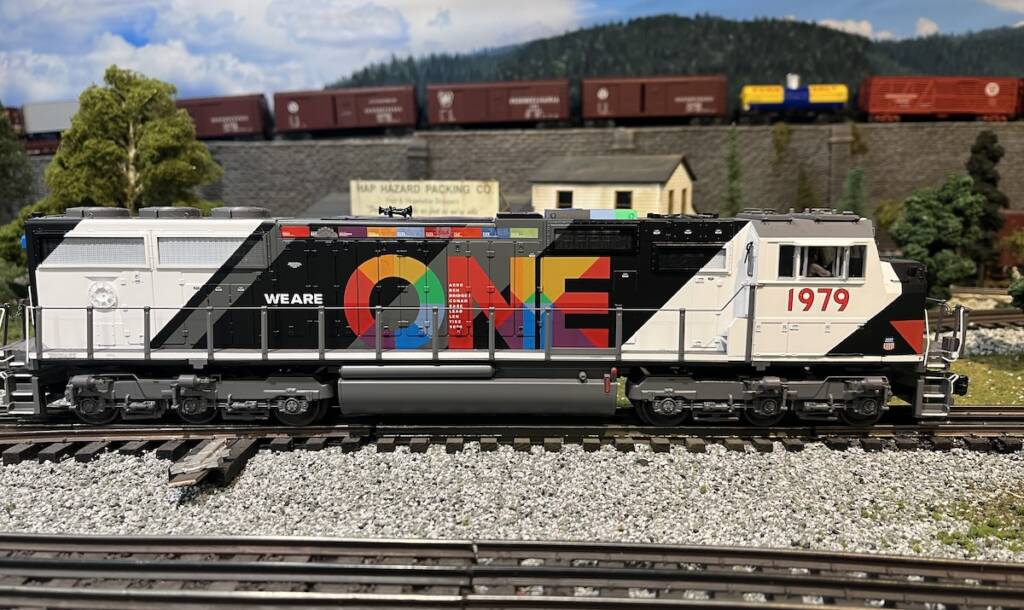
The headliner of the spring 2023 Atlas catalog was the SD70MAC, a classic six-axle diesel electric locomotive. The SD70MAC was produced by General Motor’s Electro-Motive Division (EMD) in the 1990s. The SD70MAC was part of the transition from DC to AC traction motors. These AC powered locomotives would prove to be more efficient while in […]
Read More…
SAN BERNARDINO, Calif. — Don Toles, avid Southern California railfan and caretaker of Hill 582 on Cajon Pass, died Jan. 17, 2026, in San Bernardino, Calif. He was 97. Toles was well known in the local train-watching community thanks to his constant tending of the Hill 582 site, getting rid of leaves, cleaning out garbage, […]
Read More…
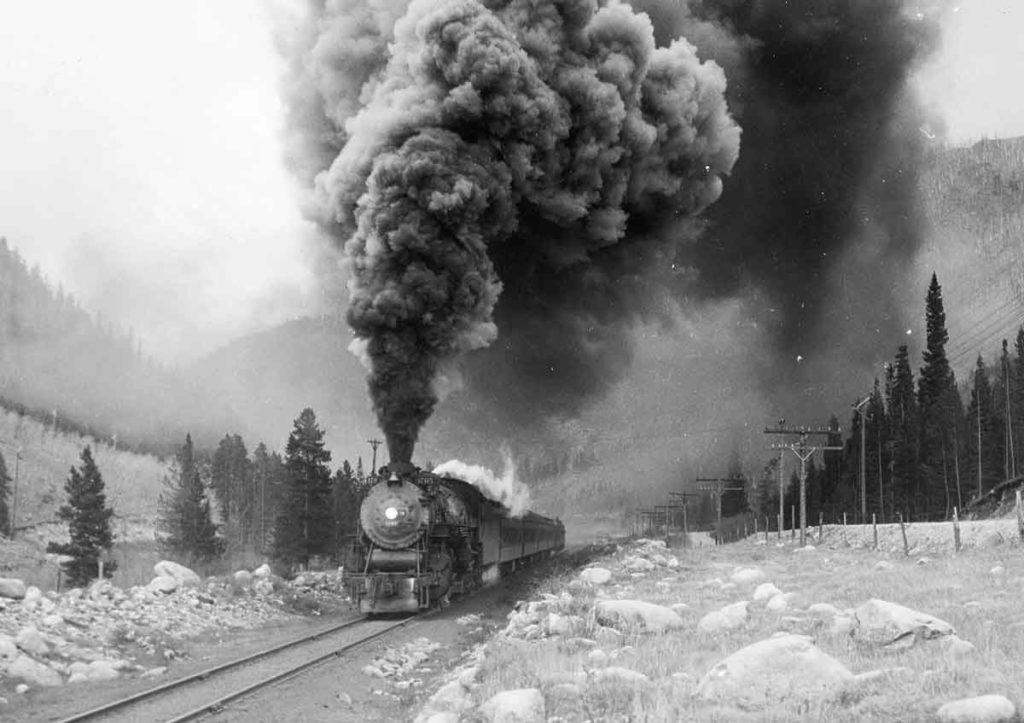
Denver & Rio Grande Western 4-8-2 1705 raises an impressive smoke plume as it lifts a troop train up the Front Range of the Rockies at Tolland, Colo., on May 16, 1943. Robert McKell photo […]
Read More…
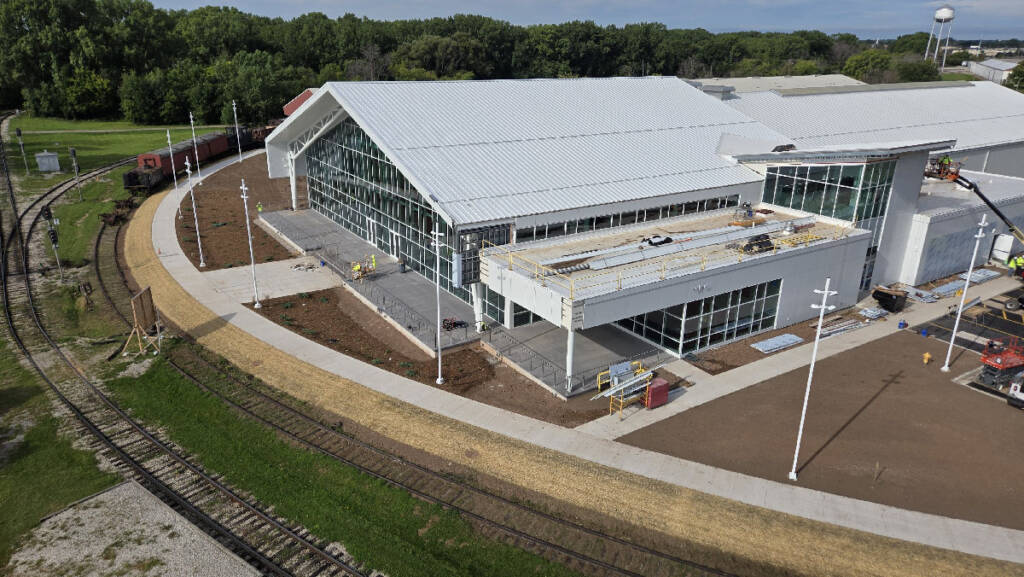
The list of 2025 rail preservation happenings is long. There are many organizations working on numerous fronts and making significant progress toward preserving America’s railroad heritage. The past 12 months have seen new buildings open, steam locomotives fired up, and relics discovered. Narrowing down the list, here are 10 of the most significant 2025 rail preservation […]
Read More…
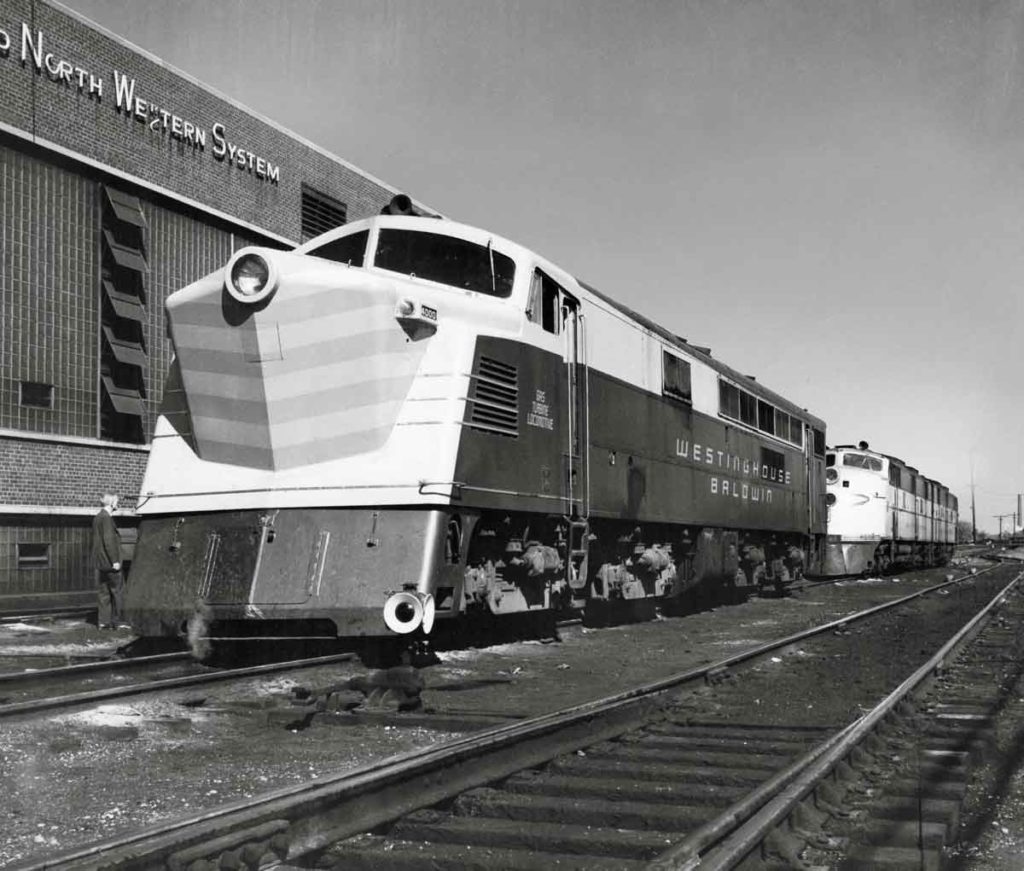
Westinghouse and partner Baldwin fielded an experimental 4,000 h.p. B-B+B-B gas-turbine-electric in 1950. Dubbed the “Blue Goose” because of its paint scheme (and perhaps for its unusual appearance), No. 4000, pictured at Chicago on the Chicago & North Western, generated no orders. Wallace W. Abbey photo […]
Read More…
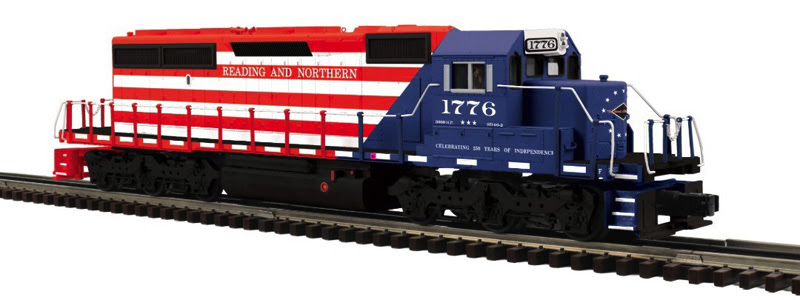
Atlas Model Railroad Co., Inc., 378 Florence Ave., Hillside, NJ 07205, has announced two patriotic-themed SD40-2 diesel locomotives as part of the Premier line. The Wheeling & Lake Erie Railway No. 1776 features red/white/blue graphics (30138695). The Reading & Northern No. 1776 is based on a paint scheme announced on Veterans Day 2025 to commemorate […]
Read More…
GALESBURG, Ill. — Former Norfolk Southern CEO David Goode, 1880s Santa Fe President William Strong, and former Santa Fe CEO John Reed are the 2025 inductees to the National Railroad Hall of Fame, the Galesburg-based organization has announced. The honorees were selected by the Hall of Fame’s national Rail Industry Advisory Group from among nine […]
Read More…
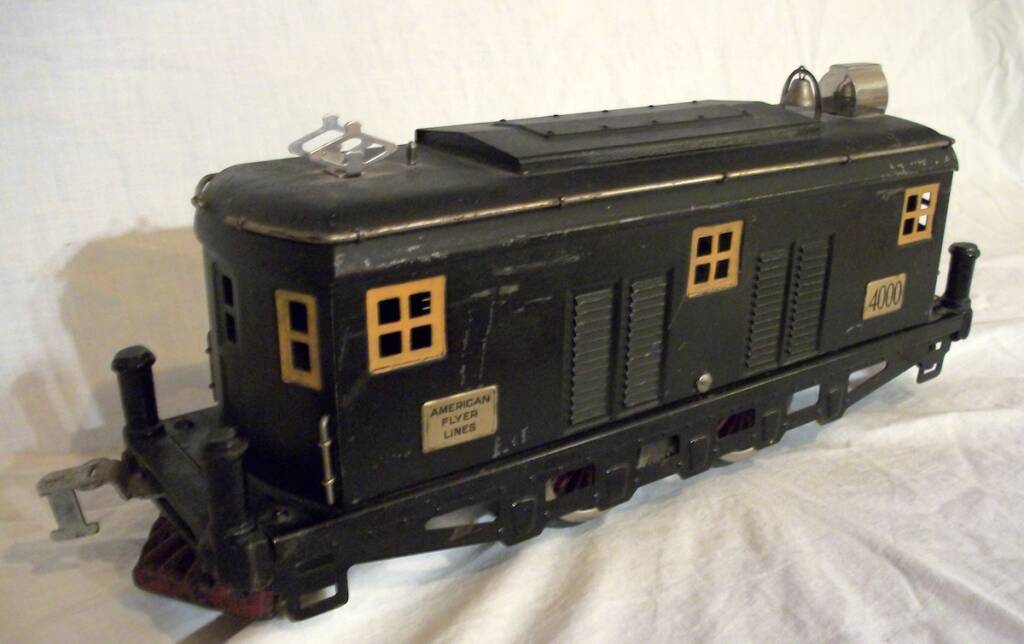
What do I collect? I collect original prewar trains in Standard and Wide Gauge, i.e. 2 1/8”. Lionel created the gauge in 1906, and called their trains the “Standard of the World.” Soon, Standard gauge caught on as a label, possibly to differentiate from other gauges at the time. When the Ives Toy Co. modified […]
Read More…
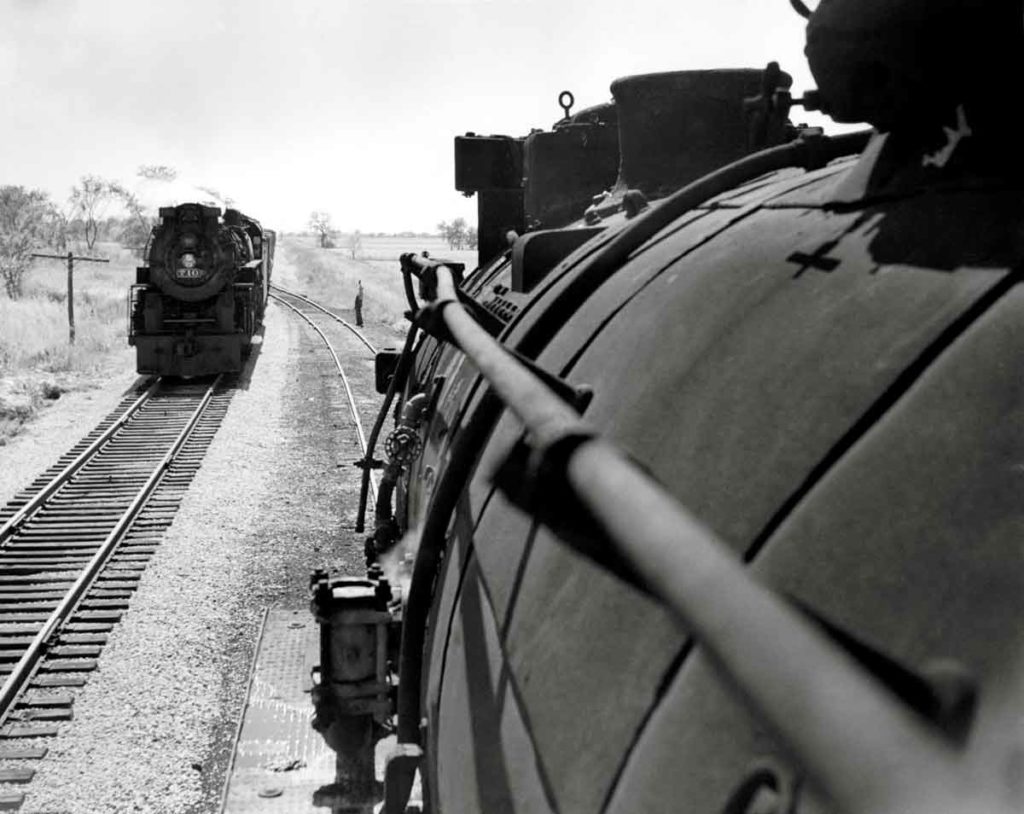
It isn’t much of a stretch to proclaim the 2-8-4 Berkshire-type steam locomotive as the “poster child” of the Super Power era of steam locomotives. “Berkshire,” “Kanawha,” “Big Emma” — regardless of what they were called, the wheel configuration helped advance steam technology through size, speed, and power. The development of the Berkshire all started […]
Read More…
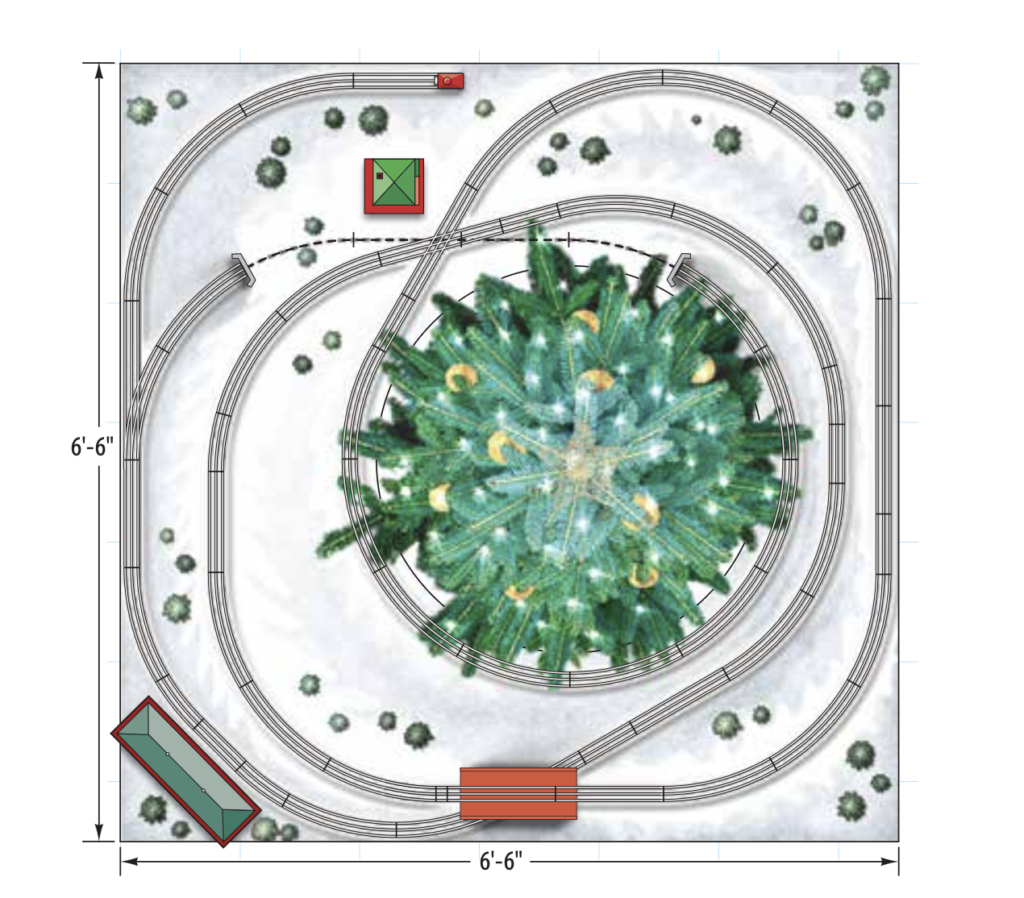
In the December 2006 issue of Classic Toy Trains, then-Editor Neil Besougloff presented his design for a “three times around the tree” layout. It has since become a favorite with many readers and has inspired several holiday layouts. We’re presenting Neil’s original plan, featuring Lionel O-42 tubular track curves, a tunnel, and a 45-degree crossing. […]
Read More…
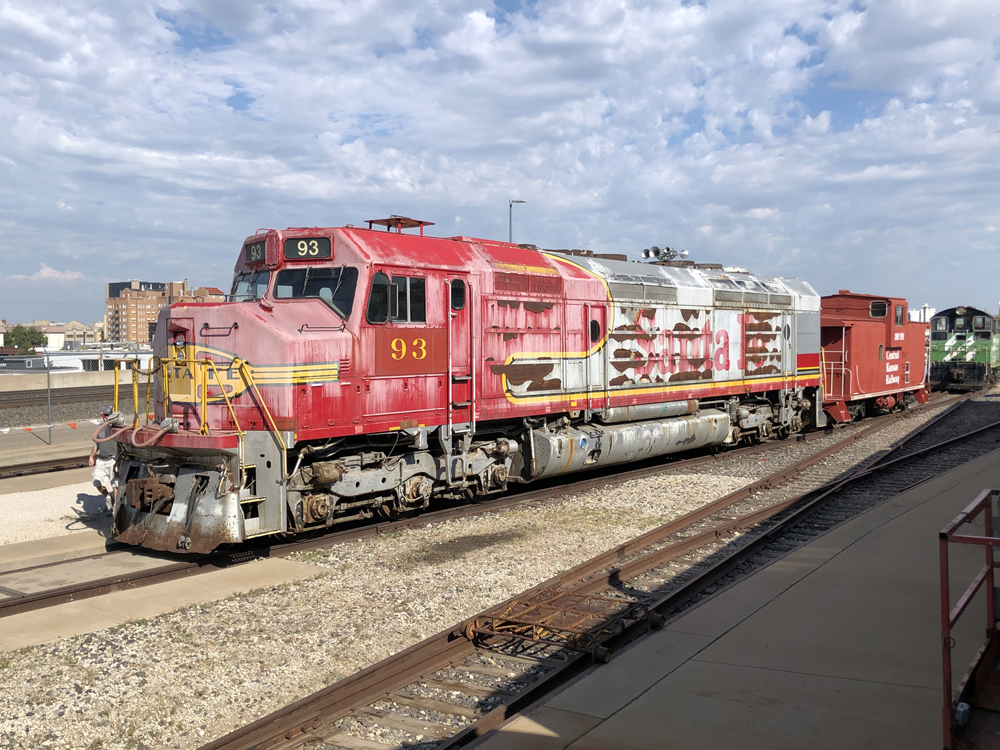
WICHITA, Kan. — Discovery of hidden damage on former Santa Fe FP45 No. 93 has prompted the locomotive’s owner, the Great Plains Transportation Museum, to launch an effort to raise an additional $50,000 for repairs needed before the locomotive’s cosmetic restoration can be completed. The locomotive, donated to the museum in June 1999 by BNSF […]
Read More…
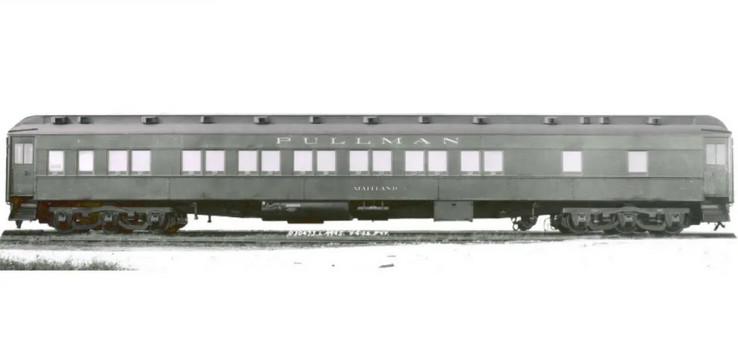
CHATTANOOGA, Tenn. — The Tennessee Valley Railroad Museum has received a $50,000 grant from Norfolk Southern to support restoration of the museum’s Pullman sleeping car Maitland. The funding comes from the NS Thriving Communities Grant Program, which supports organizations working to further safety, sustainability, workforce development, and community resilience. “The Maitland was donated to TVRM […]
Read More…