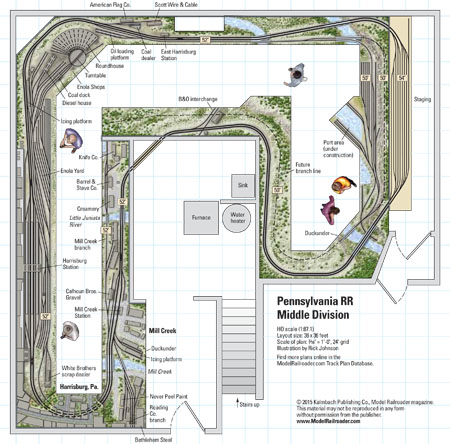
HO scale Pennsylvania RR Middle Division from the April 2015 Model Railroader Name: Pennsylvania RR Middle Division Scale: HO (1:87.1) Size: 36 x 36 feet Prototype: Pennsylvania RR Locale: Harrisburg, Pa. Era: 1945 to 1950 Style: around the walls Mainline run: 150 feet Minimum radius: 36″ (main line), 24″ (branch line) Minimum turnout: no. 5 […]
Read More…
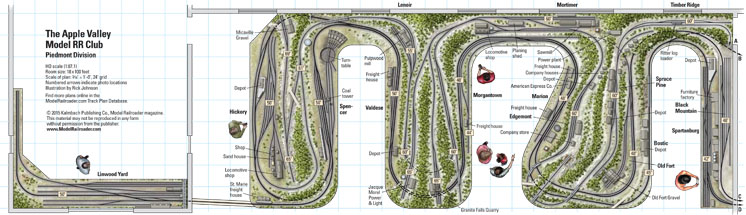
HO scale Apple Valley Model RR Club track plan from the March 2015 Model Railroader Name: Apple Valley Model RR Club Scale: HO (1:87.1) Size: 18 x 100 feet Prototype: freelanced, inspired by the Southern Ry., Yancey RR, and Carolina & Northwestern Locale: western Carolinas Era: 1955 Style: walk-in Mainline run: 785 feet Minimum radius: […]
Read More…
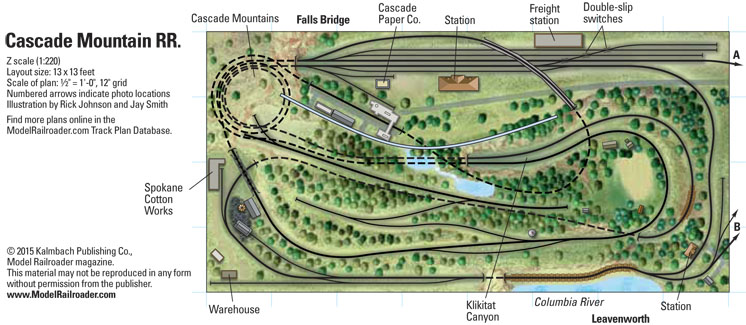
The layout at a glance Name: Cascade Mountain RR Layout designer: David Miller Scale: Z (1:220) Size: 12 x 13 feet Theme: freelanced Locale: Pacific Northwest Era: 1960s to present Style: island Mainline run: 45 feet Minimum radius: 12″ Minimum turnout: 13 degrees Maximum grade: 2.5 percent Benchwork: open grid Height: 42″ to 50″ Roadbed: […]
Read More…
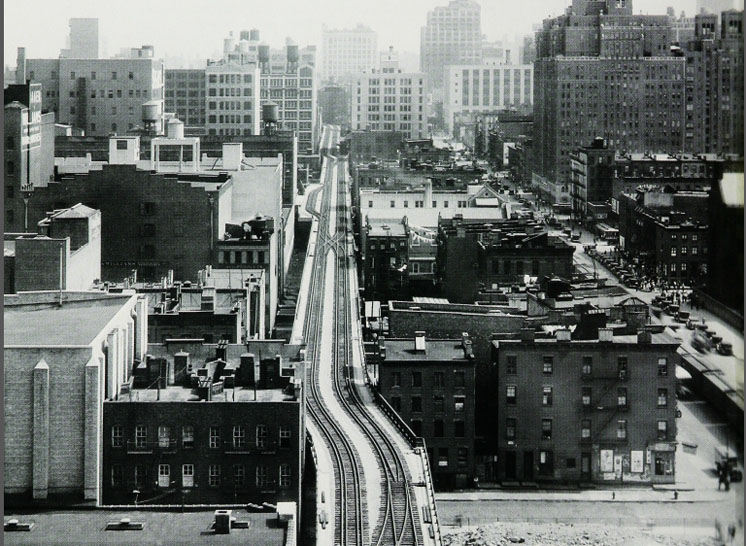
Long stretches of elevated main line gave the New York Central RR’s 30th Street Branch its High Line nickname. New York Central RR’s 30th Street Branch was known as the High Line because of its long stretch of elevated mainline track. Learn all about this interesting prototype railroad in the article below originally published in […]
Read More…
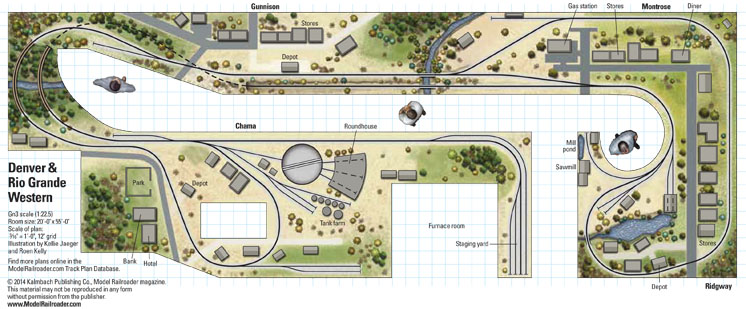
Gn3 Denver & Rio Grande Western track plan Name: Denver & Rio Grande Western Layout designer: John Johnson Scale: Gn3 (1:22.5 proportion) Size: 20 x 55 feet Theme: D&RGW Locale: Colorado Era: 1950s Style: Continuous-run display Mainline run: 300 feet Minimum radius: 8 feet Minimum turnout: no. 6 Maximum grade: 4 percent Benchwork: Plywood on […]
Read More…
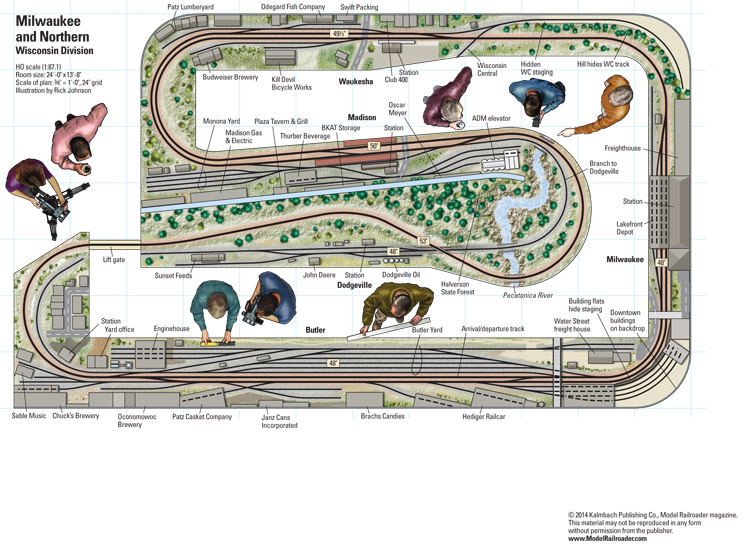
Name: Milwaukee & Northwestern Wisconsin Division Layout designer: Chuck Sable Scale: HO (1:87.1) Size: 13’-8” x 24’-0” Prototype: Chicago & North Western Madison and Lancaster Subdivisions Locale: Southern Wisconsin Era: 1955-1980 Style: Around the walls Mainline run: 100 feet Minimum radius: 24” (main), 22” (branch) Minimum turnout: no. 6 (main), no. 4 (industries) Maximum grade: […]
Read More…
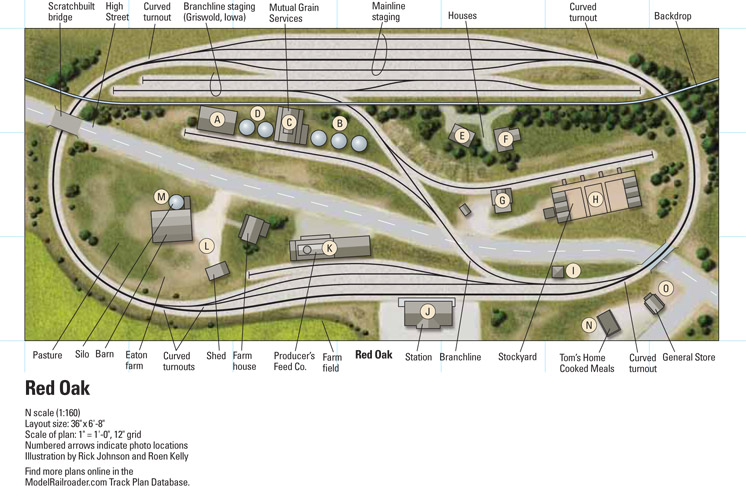
Name: Red Oak Layout designer: staff of Model Railroader Scale: N (1:160) Size: 3′-0″ x 6′-8″ Prototype: Chicago, Burlington & Quincy RR Locale: Red Oak, Iowa Era: early 1960s Style: island, portable Mainline run: 15 feet Minimum radius: 13″ Minimum turnout: Peco no. 6 medium Maximum grade: none Originally appeared in the January 2015 Model […]
Read More…
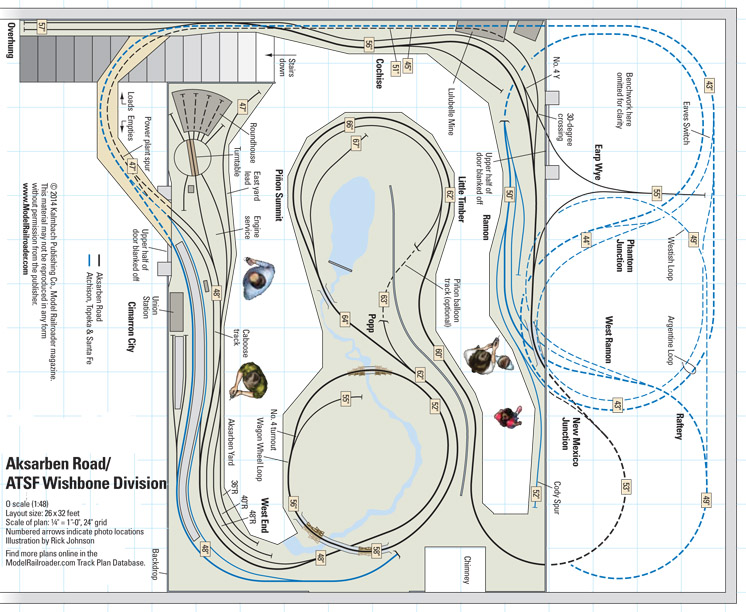
Name: Aksarben Road/ATSF Wishbone Division Layout designer: John Armstrong Scale: O (1:48) Size: 26 x 32 feet Theme: freelanced short line and Atchison, Topeka & Santa Fe branch line Locale: Colorado and New Mexico Era: Sunday, May 27, 1951 Style: walk-in Mainline run: 202 feet Minimum radius: 42″ (Aksarben), 48″ (Santa Fe) Minimum turnout: no. […]
Read More…
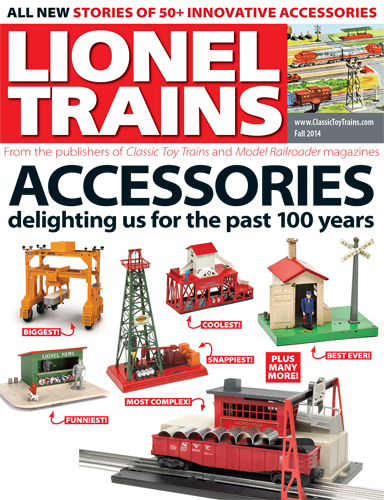
Exploring the wonderful world of Lionel Trains: Accessories Colorful and innovative accessories have entertained us for a century […]
Read More…
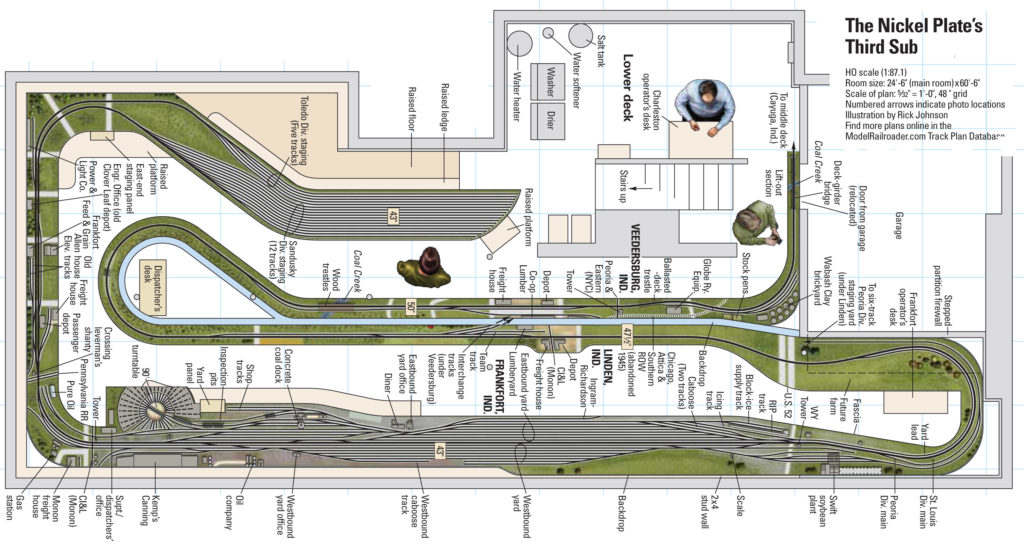
Name: Nickel Plate Road, St. Louis Division Layout designer: Tony Koester Scale: HO (1:87) Size: 24′-6″ x 60′-6″ Theme: high-speed flatlands railroading Locale: west-central Indiana, east-central Illinois Era: fall 1954 Style: multi-deck Mainline run: 500 feet Minimum radius: 42″ Minimum turnout: no. 6 (yard), no. 8 (main) Maximum grade: 1.5 percent Originally appeared in the […]
Read More…
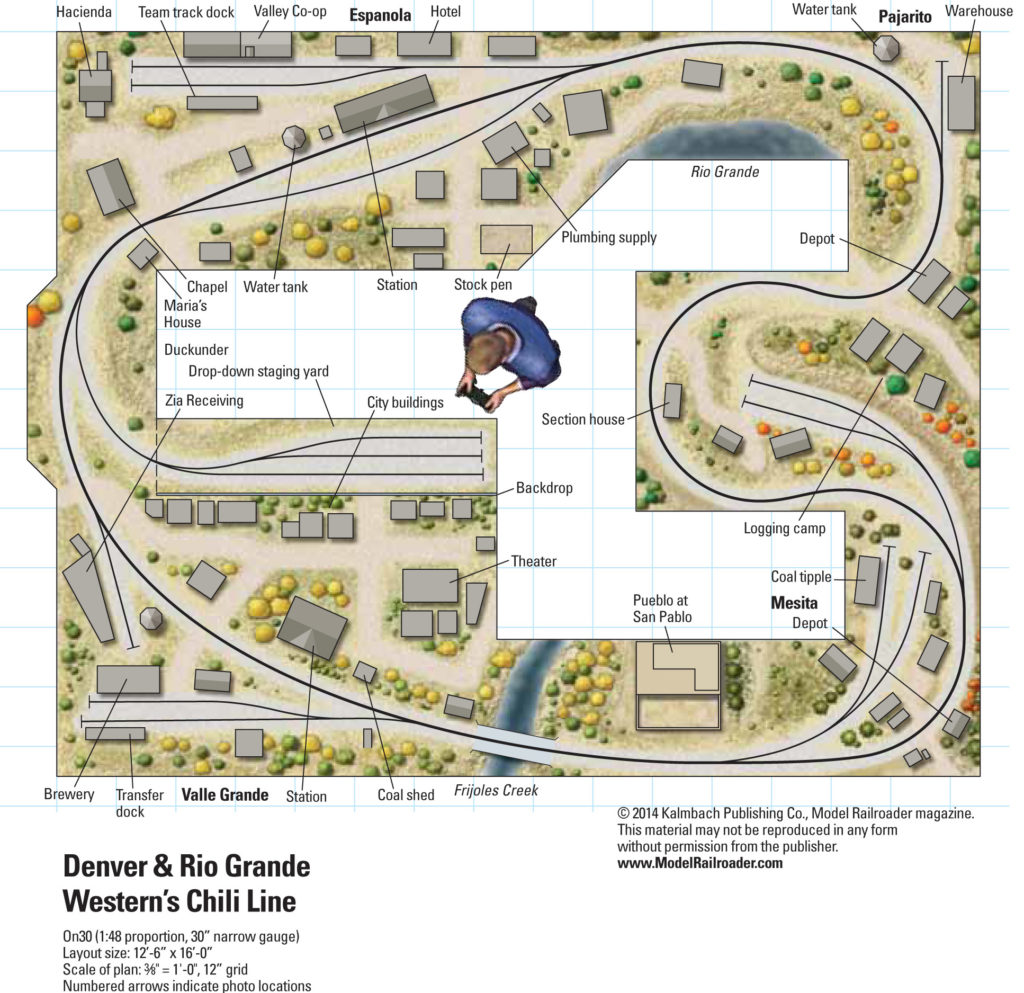
Name: Jemez & Rio Grande (“The Chili Line”) Layout designer: Jim Gore Scale: On30 (1:48 proportion on 30″ narrow gauge track) Size: 12 x 16 feet Prototype: Denver & Rio Grande Western Santa Fe Division Locale: northern New Mexico Era: October 1951 Style: island style layout with continuous run Mainline run: 64 feet Minimum turnout: […]
Read More…