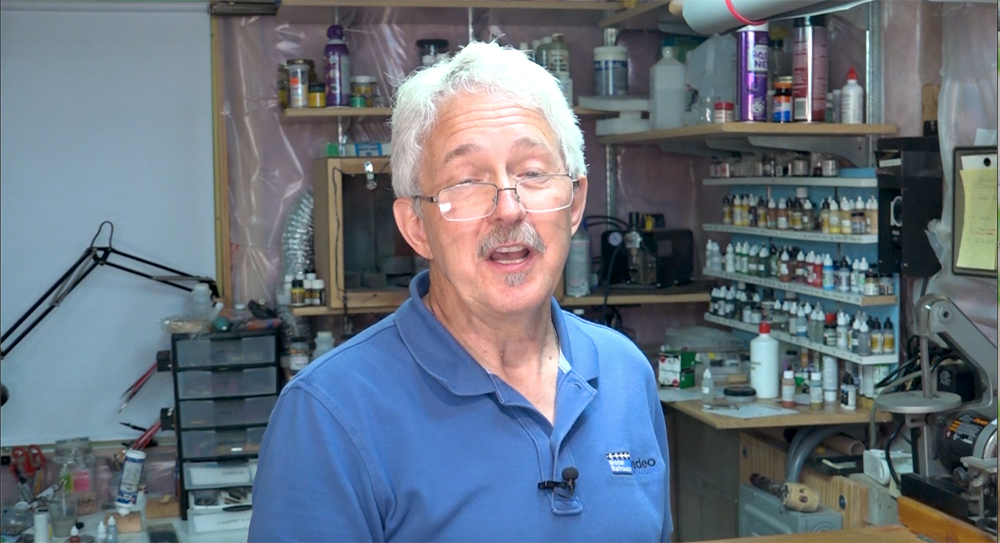
Details are what make any scene on a model railroad come alive! In the final installment of this mini-series, Gerry Leone works to add those to his streets, sidewalks, and storefronts of Eagle Lake. Watch to see how Gerry arranges components on the workbench, before they all come together on the layout. […]
Read More…
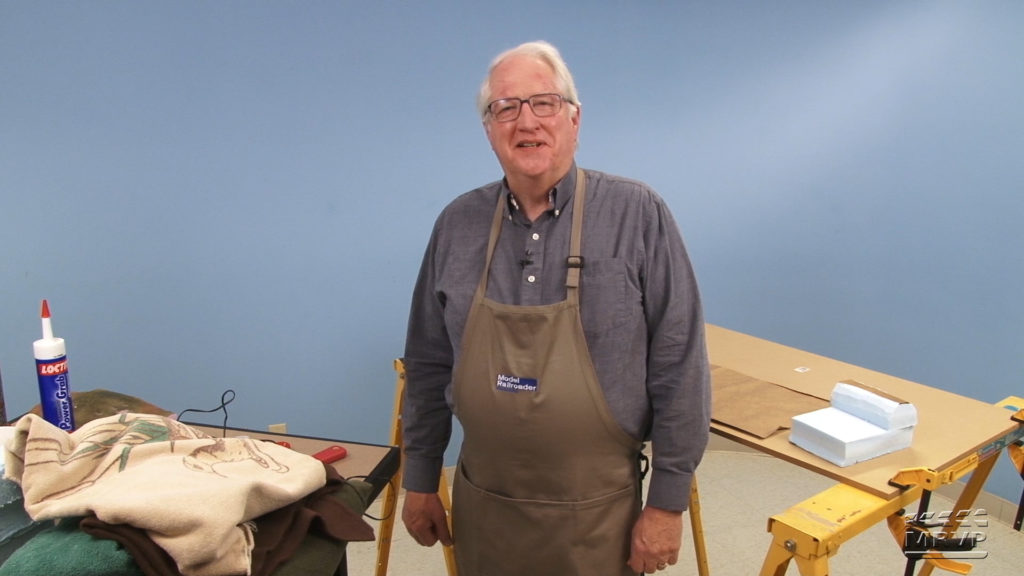
Noted narrow gauge modeler Gregg Condon shares his easy approach to building model railroad scenery without using plaster. In this how-to video, Gregg demonstrates just how simple it is to combine carved foamboard, cloth shapes, and adhesive caulk to make realistic model railroad landforms. […]
Read More…

Contributing Editor James McNab launches into his new, Hills Line HO scale layout development. In this episode, he focuses on establishing a practical footprint for the various rail-served complexes and industries that help keep the wheels of commerce (and railroad operation) turning. Don’t miss James’ take on making short-term structures with a purpose! […]
Read More…
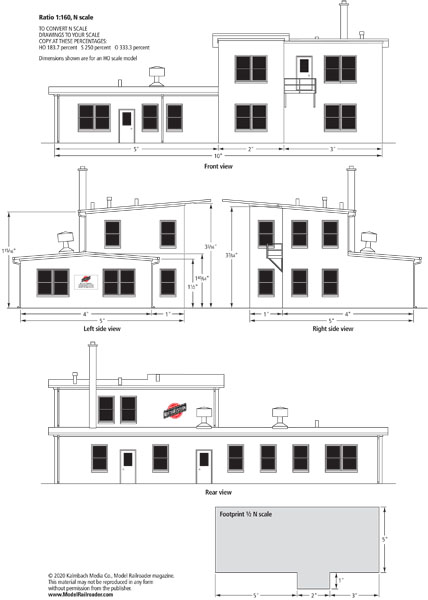
In the July 2020 Model Railroader, Group Technical Editor Cody Grivno shows how he scratchbuilt an HO scale model based on the Chicago & North Western yard office in Butler, Wis. See a PDF version of this by clicking here. […]
Read More…
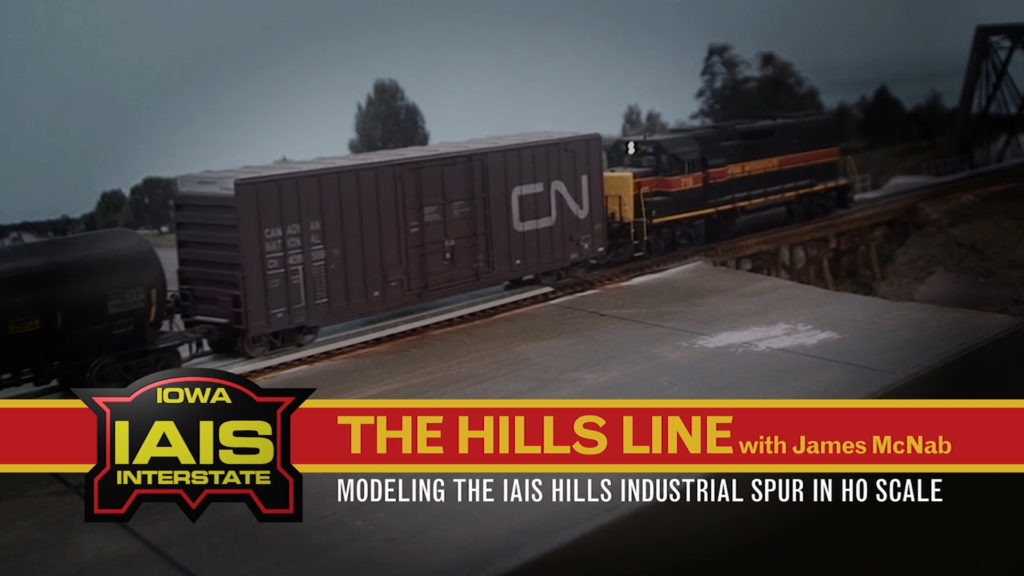
In this MRVP exclusive series from James McNab, you’ll get to see the start of an all-new HO scale layout. When a basement plumbing disaster forced the demolition of his established Grimes Lines, James seized the opportunity to create something new…and share his construction efforts of The Hills Line, a 12 x 22ft HO scale model […]
Read More…
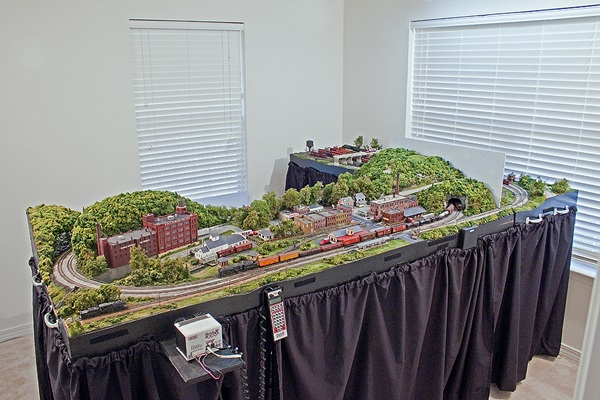
A version of this article appeared in Model Railroader’s special issue from 2018: Build a Small Railroad. Pursuing my hobby concurrently with my military career meant I needed a portable model railroad that could still suggest the scale and intensity of a gigantic prototype in an impossibly small space. I found what I needed in […]
Read More…
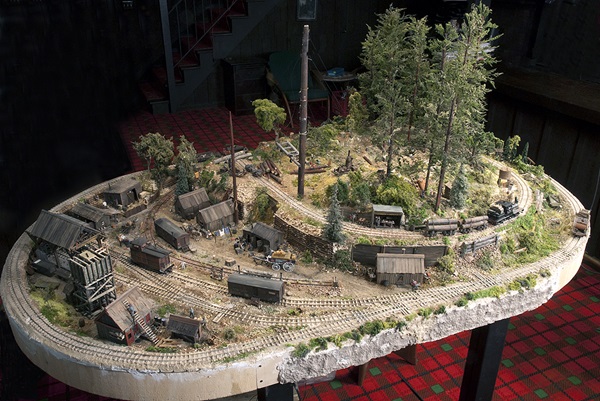
Modeling a narrow gauge railroad in a small space: Modeling a logging camp requires a variety of structures, trackwork, scenery, figures, and activities. The camp includes not only loggers involved in different pursuits, but also woodchoppers, a laundress, checkers players, engineers and mechanics, stable hands and horses, bears, garbage cans, railroad materials, and more, surrounded […]
Read More…
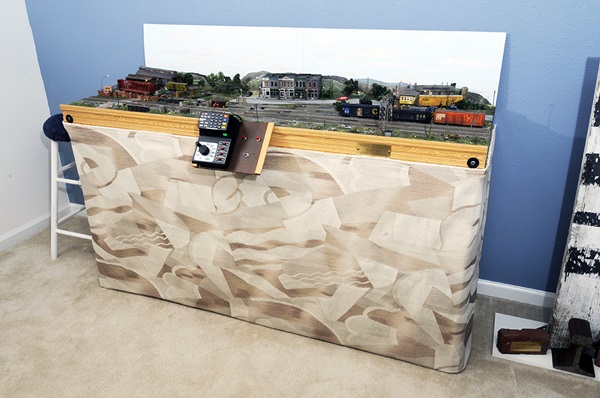
A version of this article appeared in Model Railroader’s special issue from 2018: Build a Small Railroad. In today’s world of trains, big 6-axle locomotives, and flashing red lights replacing cabooses, it’s comforting to know that spotting a single boxcar at a warehouse is still an integral part of railroading. Designing the module As I […]
Read More…
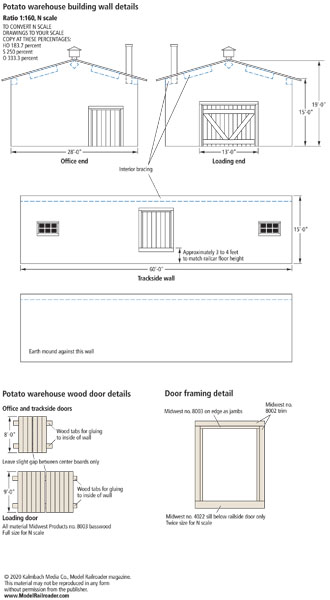
Steve Miazga describes how he built a potato warehouse, including modeling mortar rubble walls, for his N scale layout in the July 2020 Model Railroader. See a PDF version of this by clicking here. […]
Read More…
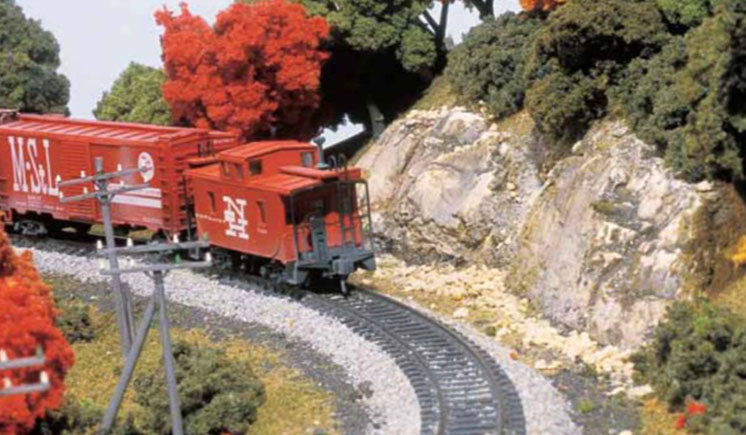
David Popp Nothing says “impressive” quite like a rugged mountain range full of jagged rock faces. Though mountains appear solid to us, many are just individual layers of rocks, stacked one on top of another. If you keep this idea in mind, then adding impressive rock features to your layout isn’t a difficult task. Whether […]
Read More…
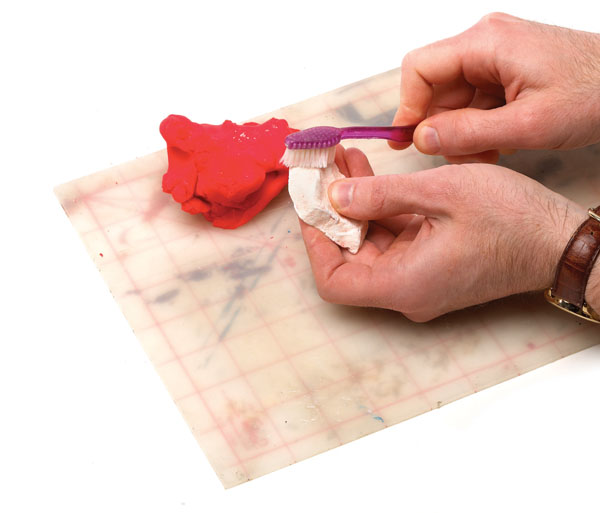
Use this quick tip to make custom rock molds for realistic model railroad scenery Want to make unique rock castings? Here’s an interesting method that was featured in the March 2002 Classic Toy Trains. Play-Doh, a children’s modeling toy, is a great one-time-use mold-making material. It’s water-soluble, easy to work with, and reproduces crisp details […]
Read More…
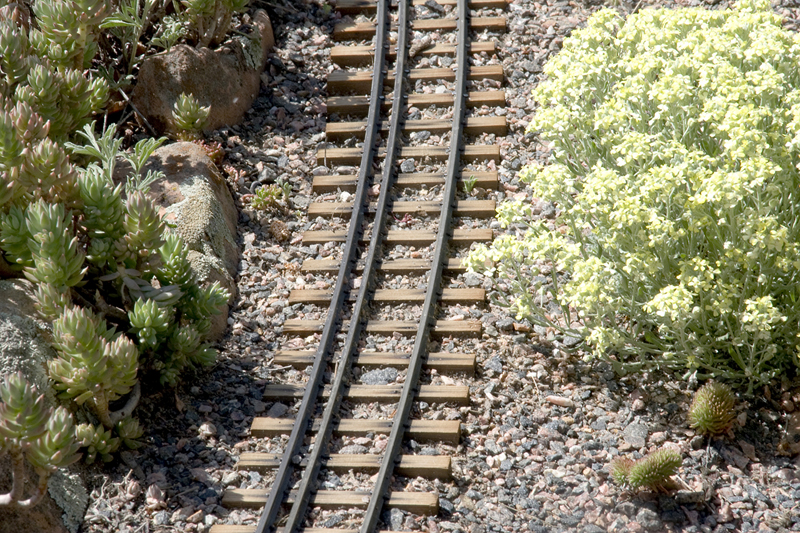
This three-rail track incorporates two different gauges—0 gauge and 1-gauge. Trains in 16mm-scale (1:19) and 15mm-scale (1:20.3) are equally at home on these rails. Marc Horovitz Download the PDF here. Let’s look at the various scales available and list their characteristics, with an eye to finding their advantages and disadvantages. As mentioned above, the thing […]
Read More…