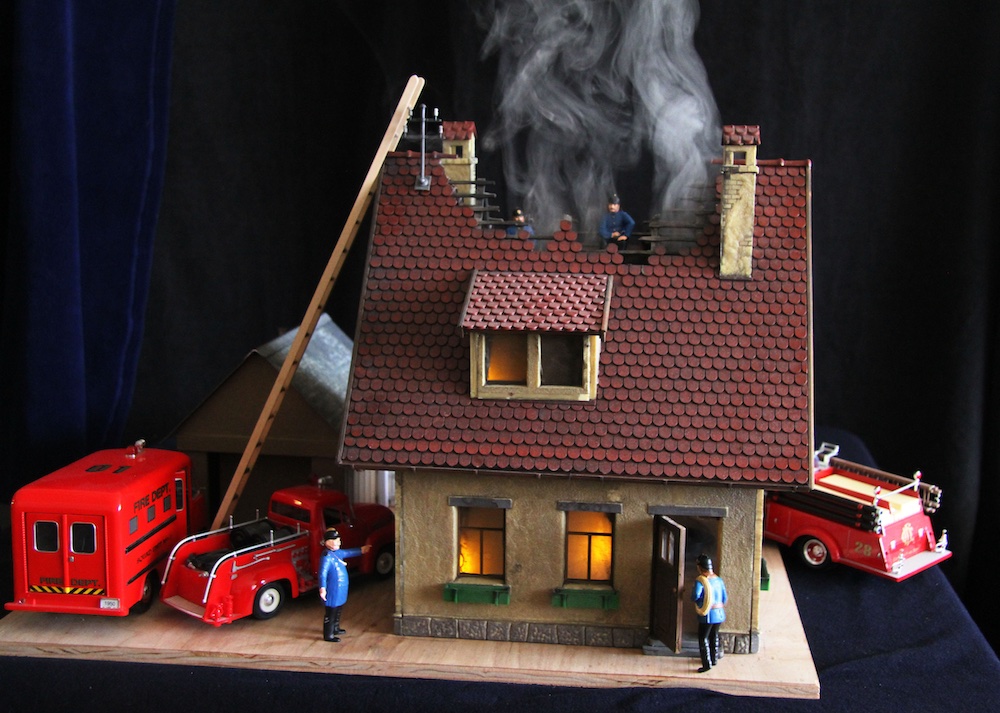
Model a “burning” building: I loved the idea of having a “burning” building on a large scale layout. Here was a feature that would be active and easy to set up. Plenty of 1:24 scale fire fighting equipment is readily available and reasonably priced. I bought Pola kit No. 33101 a number of years ago […]
Read More…
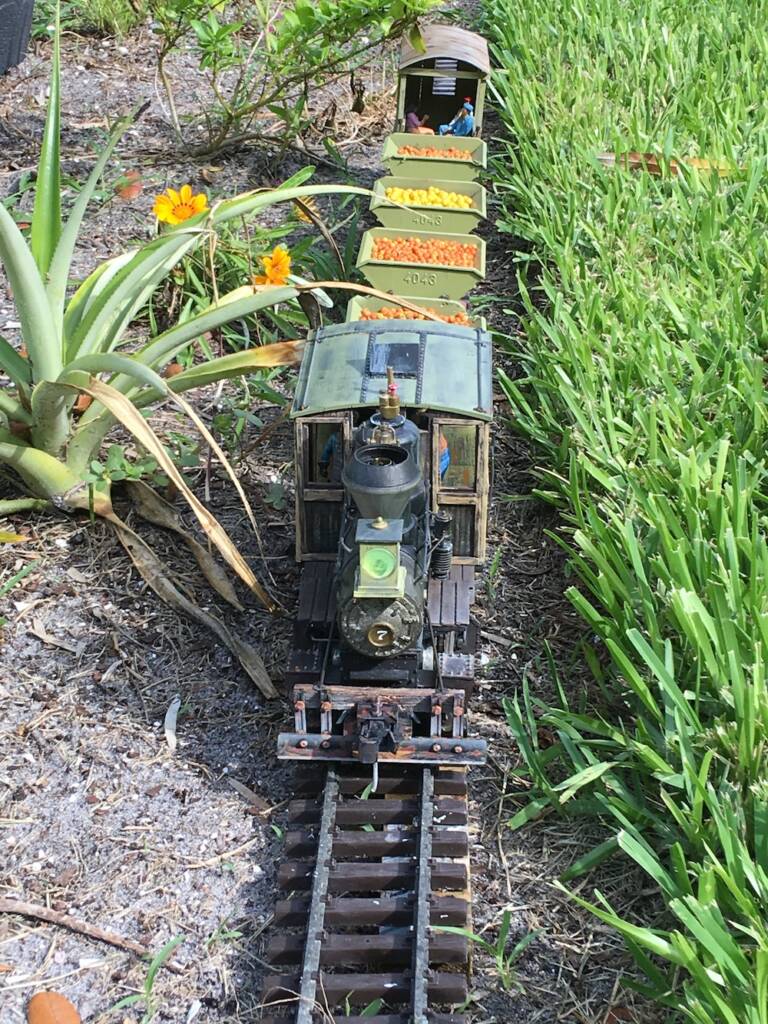
I had an LGB Stainz (2010 version) and decided to convert it to an 0-4-0 Forney. I made a new boiler, steam dome, sand dome, smoke stack, all made from PVC fittings and pipe. After deciding the length of the boiler, I cut the proper length from a piece of 1″ PVC pipe as it […]
Read More…
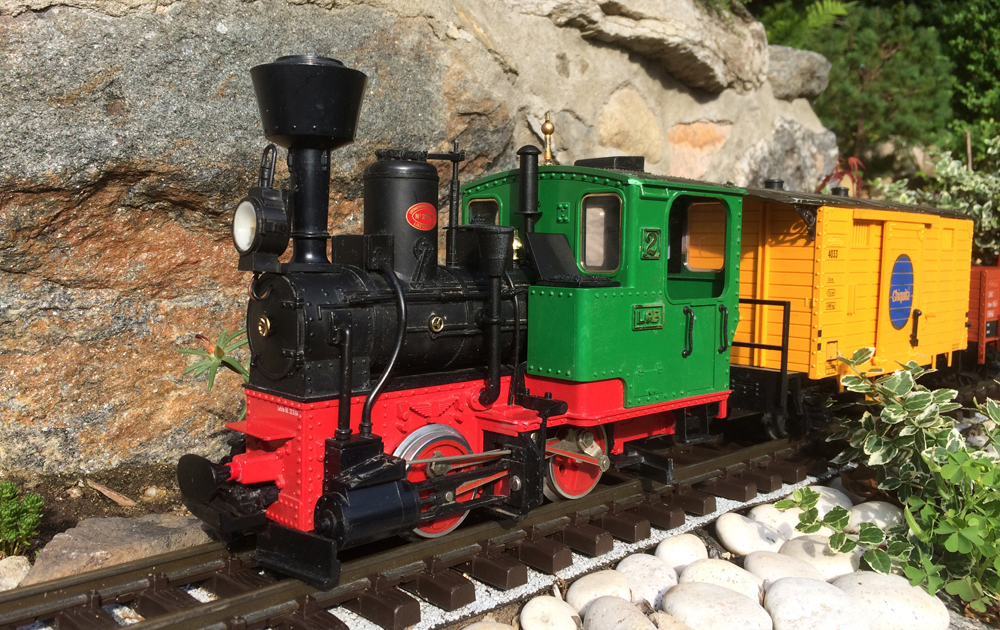
LGB’s Stainz locomotive is an icon in the large scale hobby. Not only is it instantly recognizable, it also tugs at the strings in our modeling hearts. For many garden railway fans (myself included), the Stainz was most likely their first locomotive. When I found a milk crate full of used large scale items, including […]
Read More…
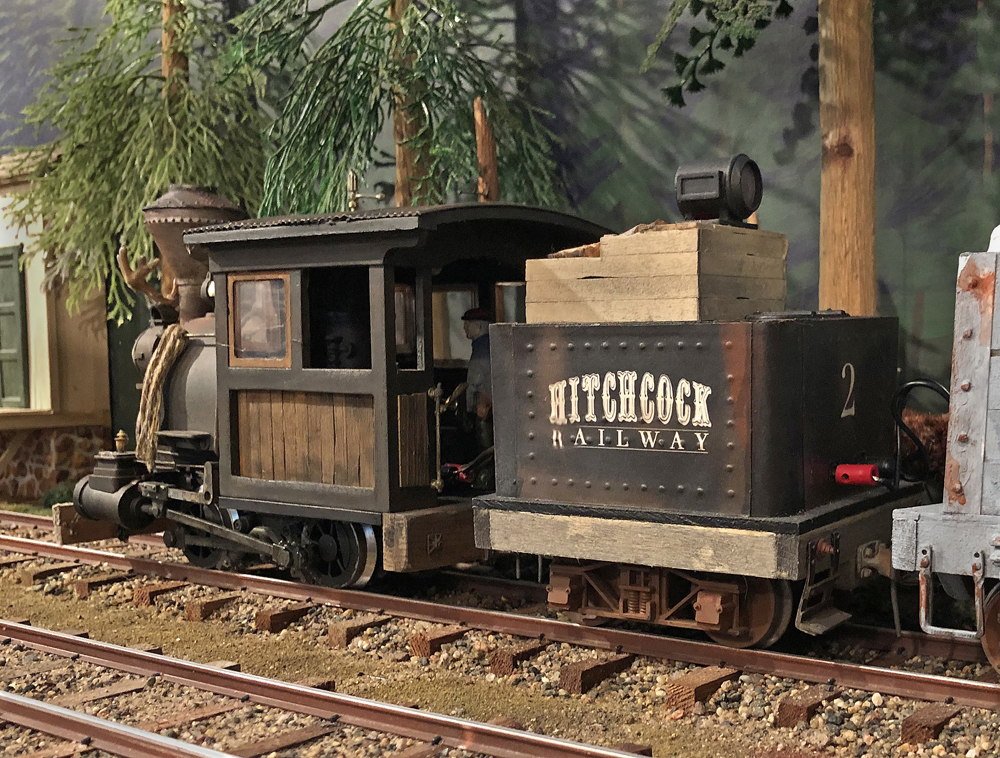
Early model railroaders used wood, wire, and paper to create rolling stock. Today’s scratchbuilders can choose from myriad detail parts and use sophisticated laser cutters and 3-D printers. Sometimes it’s fun to explore old-school materials and techniques. To make this little G scale tender, I used a hybrid approach — mixing the old and the […]
Read More…
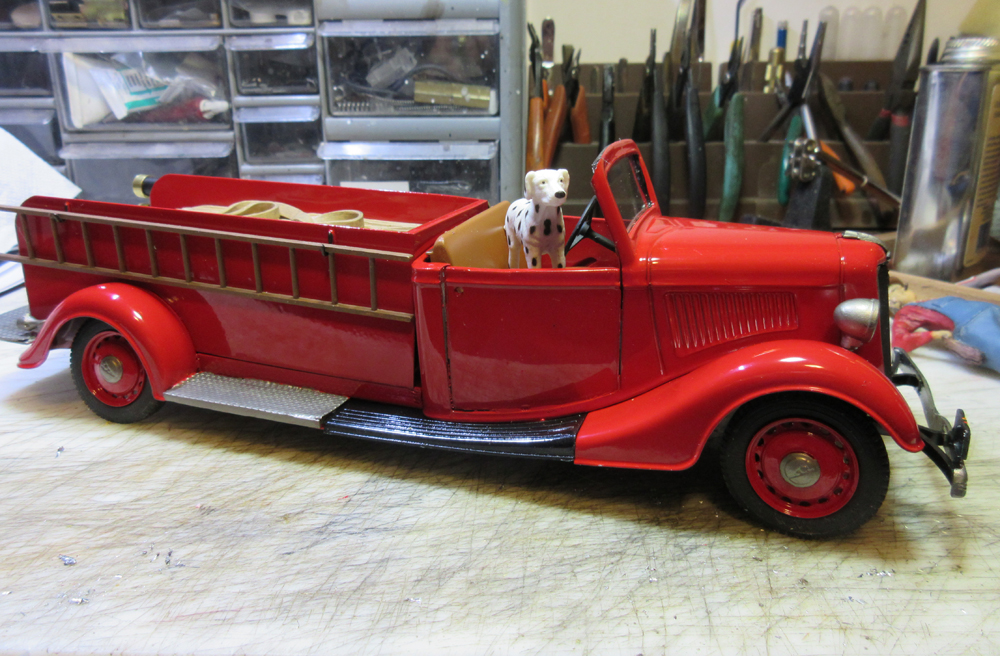
Sometime last year I took a serious look at one of my vehicles. I leave my vehicles out all year, and the weather takes its toll. I could strip the pickup and repaint it, but I’m planning a firehouse in my town, so why not make a fire truck? The vehicle is a Solido 1:19 […]
Read More…
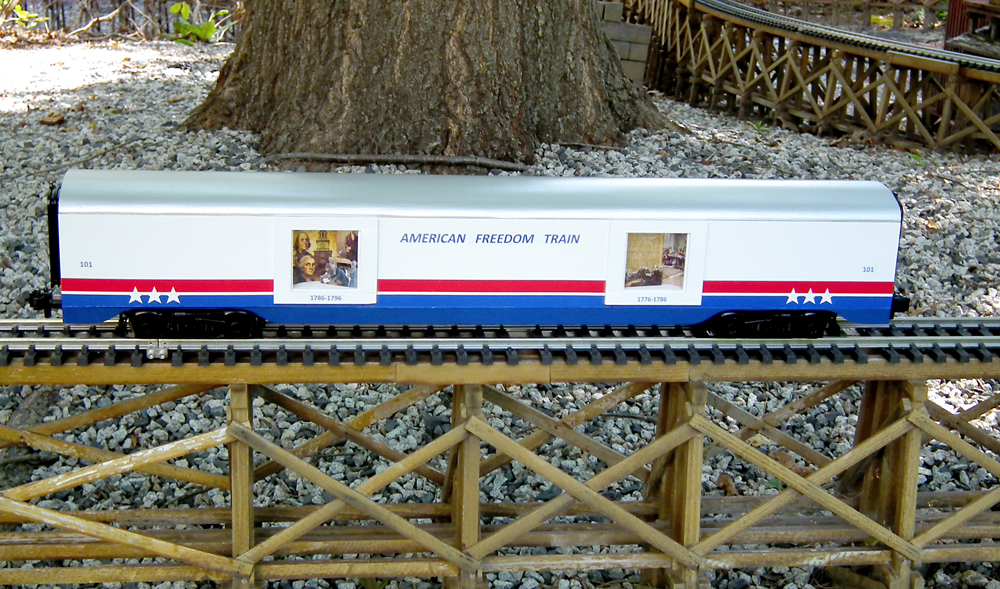
The most recent version of the American Freedom Train (AFT) was assembled to help celebrate the United States’ 1976 Bicentennial. The complete train, which visited all 48 contiguous states over a two year period, had a total of 23 pieces of rolling stock, including passenger cars, showcase cars (with full-scale historical artifacts, like the Lunar […]
Read More…
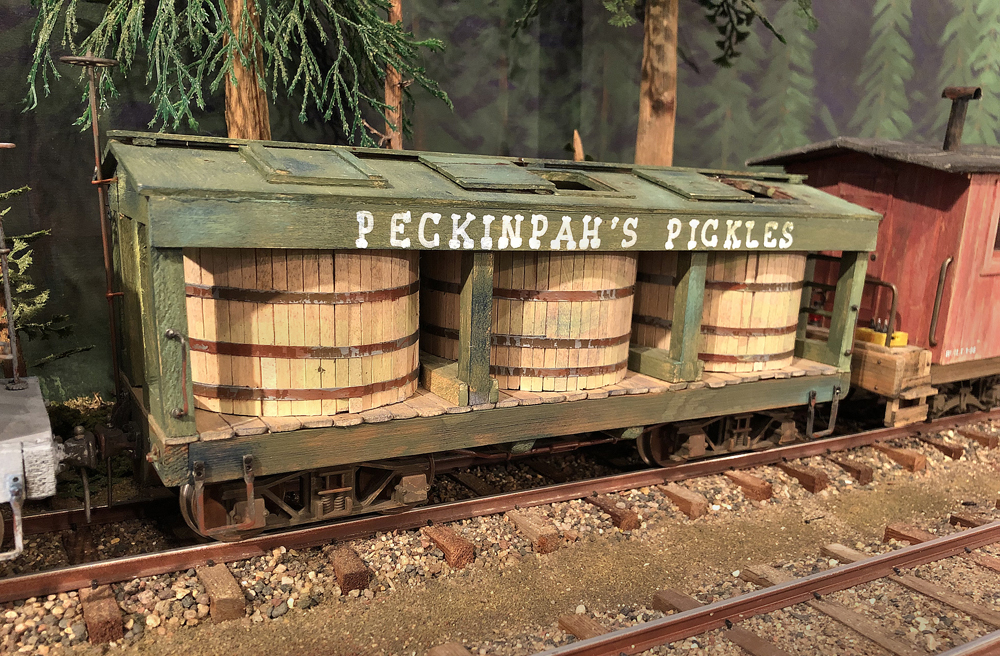
Pickle cars have a unique look, and they served a unique purpose. Cucumbers brined onboard in vats as they traveled from farm field to processing plant. I thought a pickle car would look at home on my layout. My version is loosely based on period photos; it’s not a scale model of a specific car. […]
Read More…
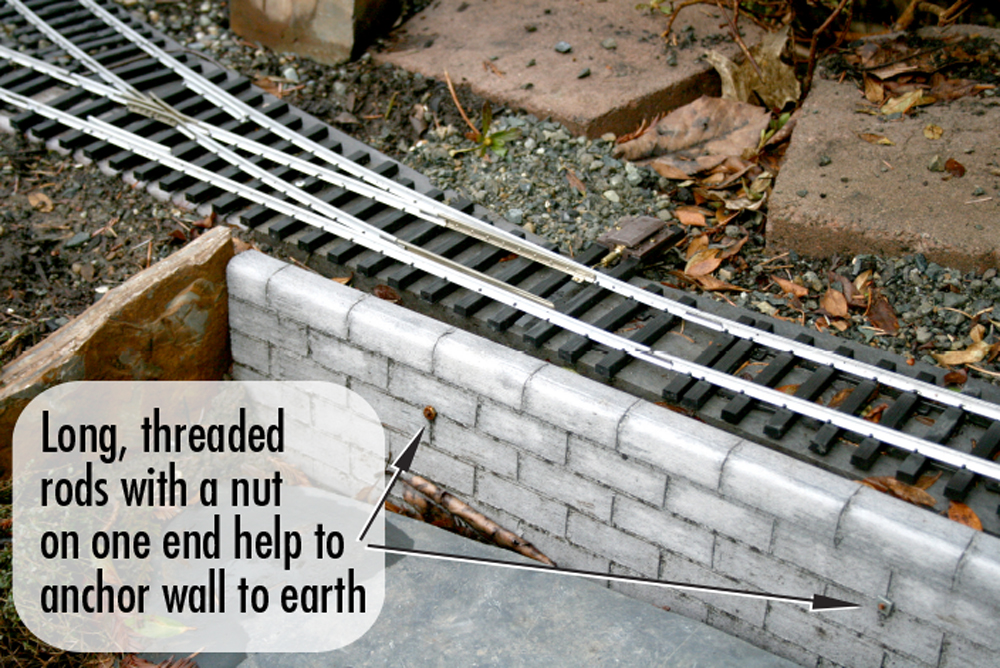
Simulated concreted-block retaining wall In real life, large concrete blocks (2′ x 4′) are often used to build retaining walls above and below roadways. To represent such a wall, start with a 1″ x 5″ gray colored piece of Trex or similar “plastic” wood. Cut it to your required width and length. With a table […]
Read More…
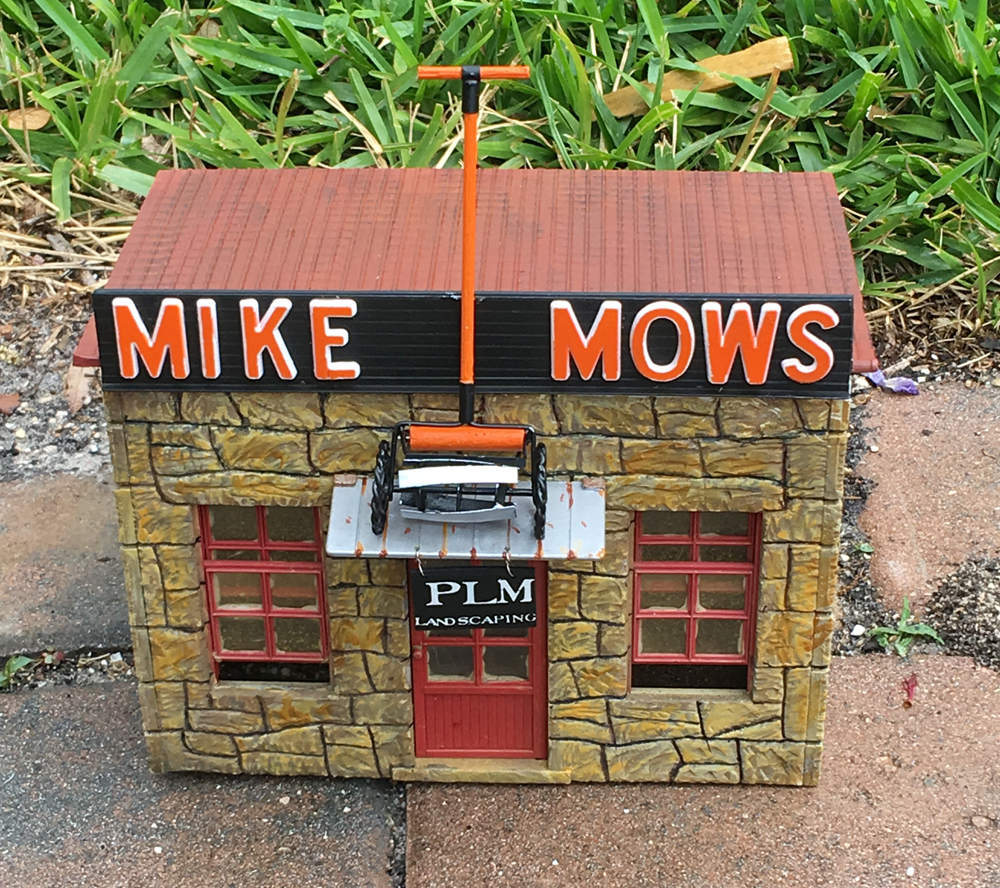
My middle son owns a landscaping business under the name of PLM (Professional Lawn Maintenance). I decided to kitbash a structure on my garden railway based on his business. I had found a rather beat up PIKO America stone building. The walls were unattached and it was missing a roof. It also had glue residue […]
Read More…
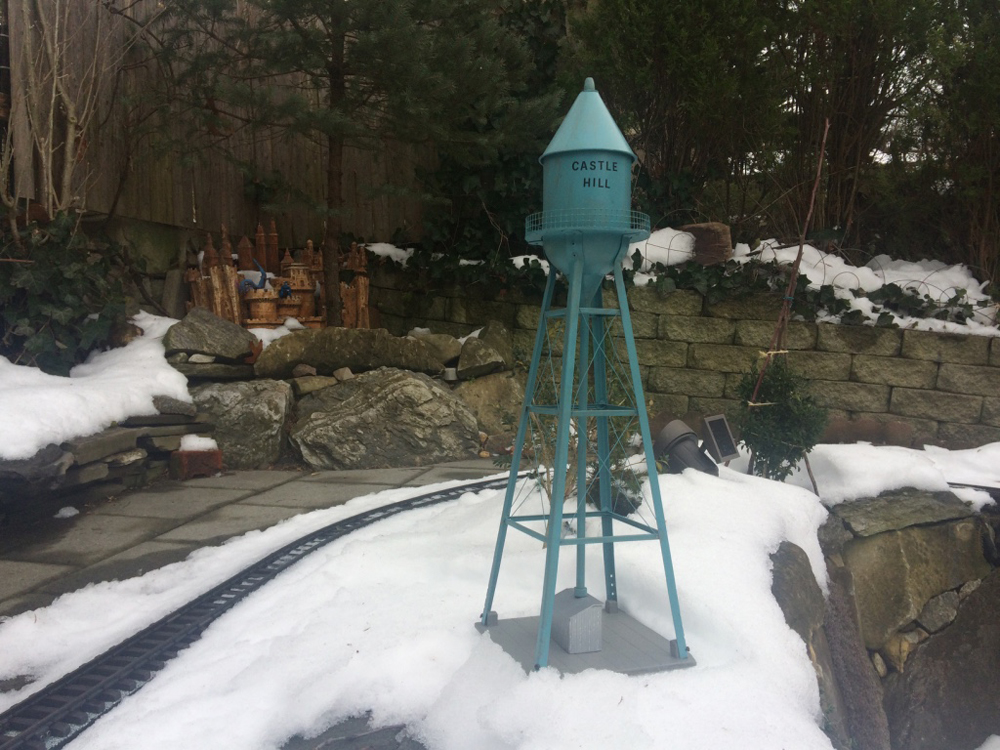
The inspiration for this structure came to me as I was driving through a small town and a water tank came into view. It was one of those old-fashioned styles of water tanks. I stopped to take some pictures, and later I did research on these types of tanks. This type of structure is referred […]
Read More…
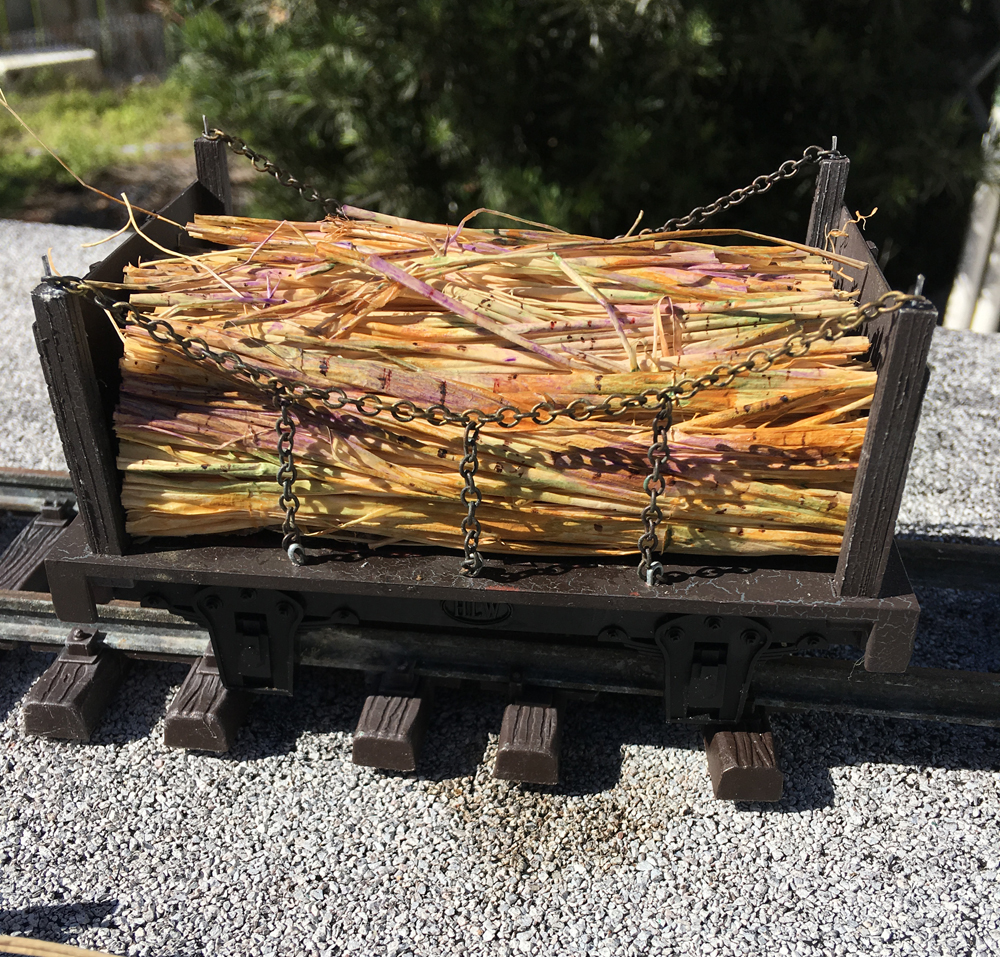
After finishing “Rosy,” my sugar cane train saddle tank engine, I decided to kitbash large-scale sugar cane cars. I started with Hartland Locomotive Works (HLW, now out of business—Ed.) flatcars and added solid square posts (Evergreen Styrene #196) into the holes in the car. I also added a small piece .10” flat styrene into the […]
Read More…
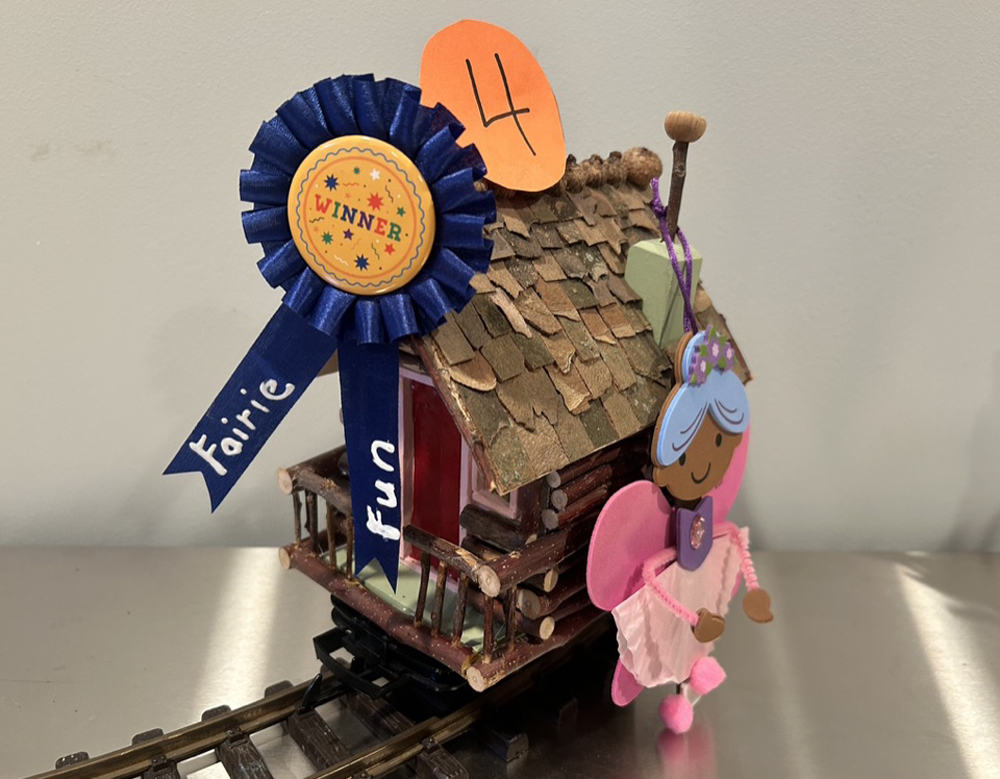
When I take my granddaughter to the local neighborhood park, I usually envision seeing a large-scale garden railway running loops through the park. So, one day I contacted one of the people in charge and shared my vision of the garden-railway. In time, someone contacted me to let me know that it would be a […]
Read More…