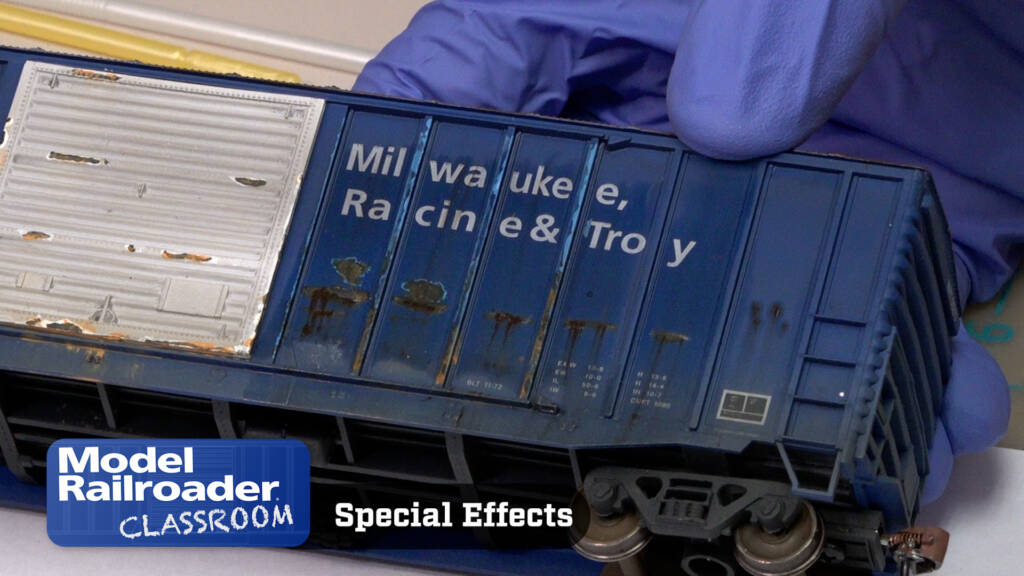
Freight Car Class: Lesson 5, Special Weathering Effects | Go beyond basic airbrushing to create freight cars with unique character and standout detail! This lesson teaches advanced techniques for replicating paint chips, deep rust, and realistic scratches using a mix of acrylics, enamels, and oils. Learn to highlight molded details, simulate bare metal, and master […]
Read More…
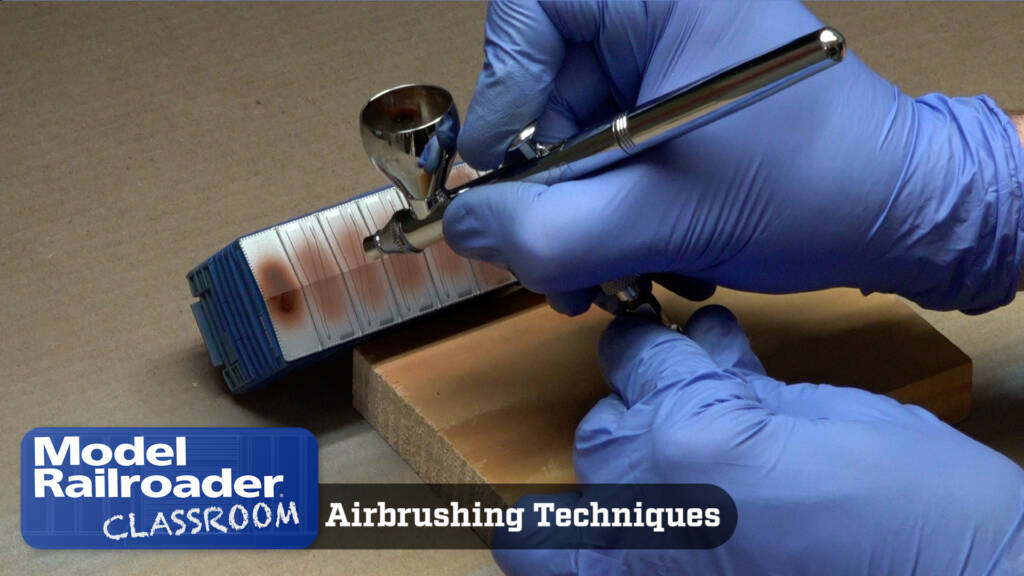
Freight Car Class: Lesson 4, Airbrushing Techniques | Unlock the versatility of your airbrush to transform stock models into realistic, weathered railroad replicas! This segment of the freight car series shows you how to use an airbrush for effects like faded paint, dust, grime, and rust. Learn how to work your double-action airbrush, how to thin paint […]
Read More…
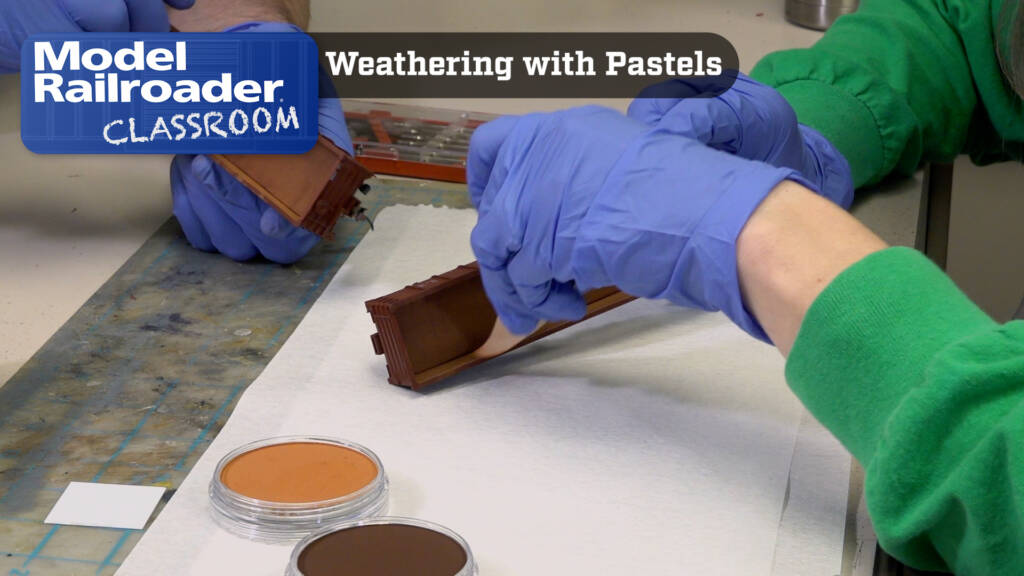
Freight Car Class: Lesson 3, Weathering with Pastels | Transform pristine products into well-weathered, prototypical models using various powdered pastel techniques! In this segment of the freight car series, you’ll learn how to apply powdered pastels with brushes, makeup applicators, and artist sponges to simulate realistic rust. Discover how to use two shades of rust pastel […]
Read More…
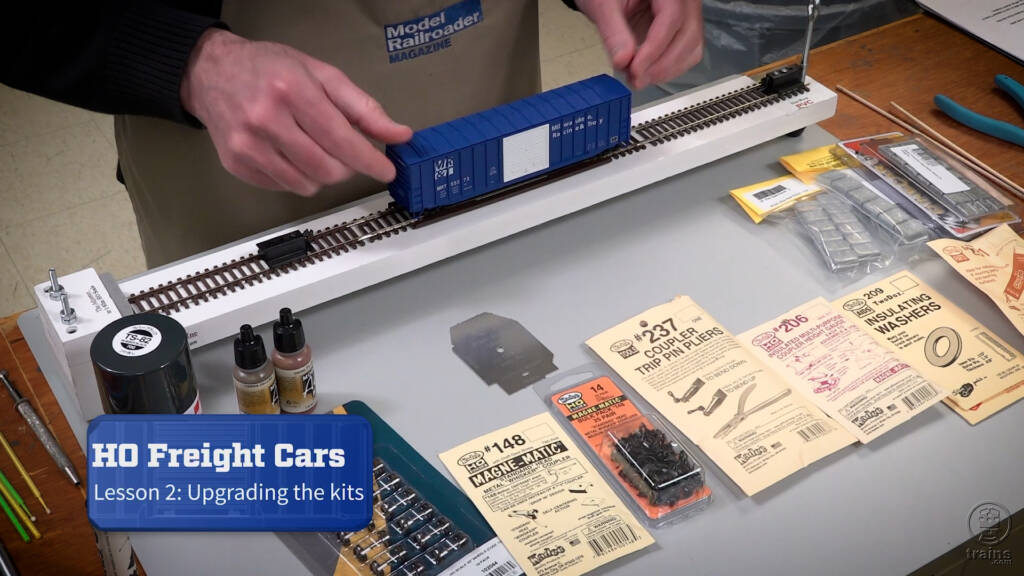
Freight Car Class: Lesson 2, Upgrading Kits for Better Operation | In this lesson, David shares essential steps for upgrading your model’s operation and realism. First, you’ll learn how to use the NMRA recommended practice (ARP 20.1) to calculate the target weight for your car, and how to install a peel-and-stick weight to achieve that […]
Read More…
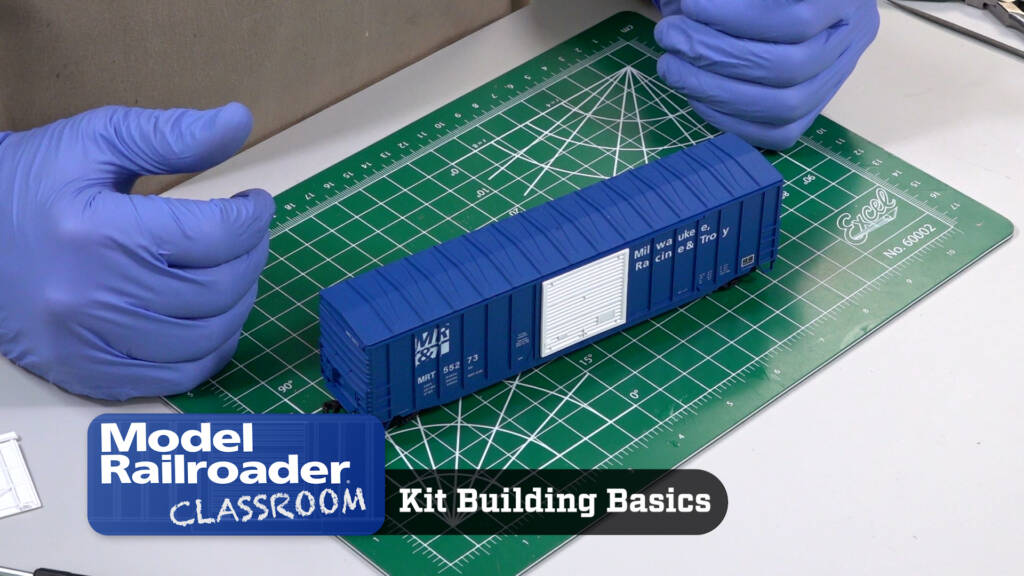
Freight Car Class: Lesson 1, Kit Building Basics| Building, operating, and weathering freight cars are essential skills for any modeler to acquire, regardless of experience level. This five-part video series is designed to help you create better freight cars! In the first lesson, expert instructor David Popp gets things rolling with the basics of kit […]
Read More…
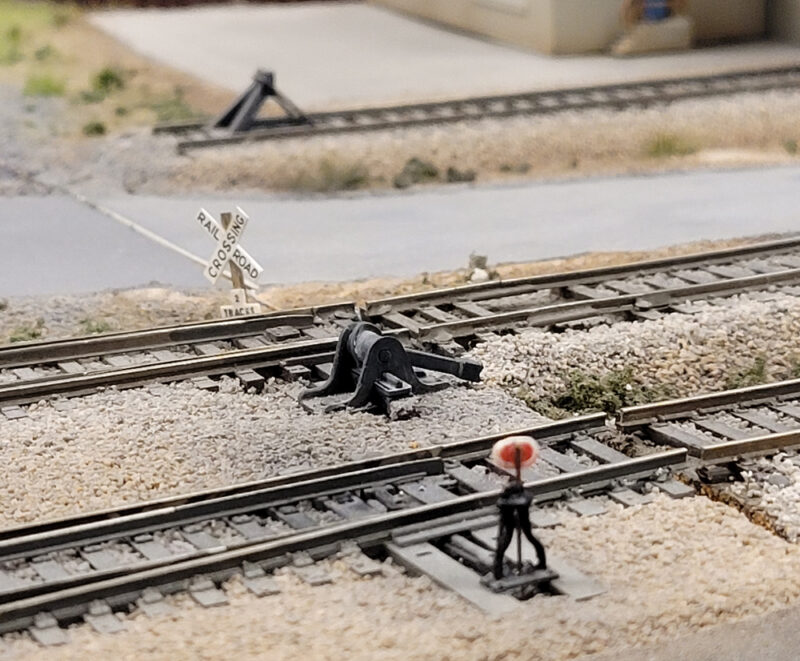
Track type and uses: Understanding prototypical trackwork and operation is essential to building an accurate model railroad. Of course, strictly prototypical operations and layouts are not the goal of every model railroader, but an understanding of prototype trackwork and its model counterparts is nonetheless imperative for those modelers wishing to deviate from prototype to ensure […]
Read More…
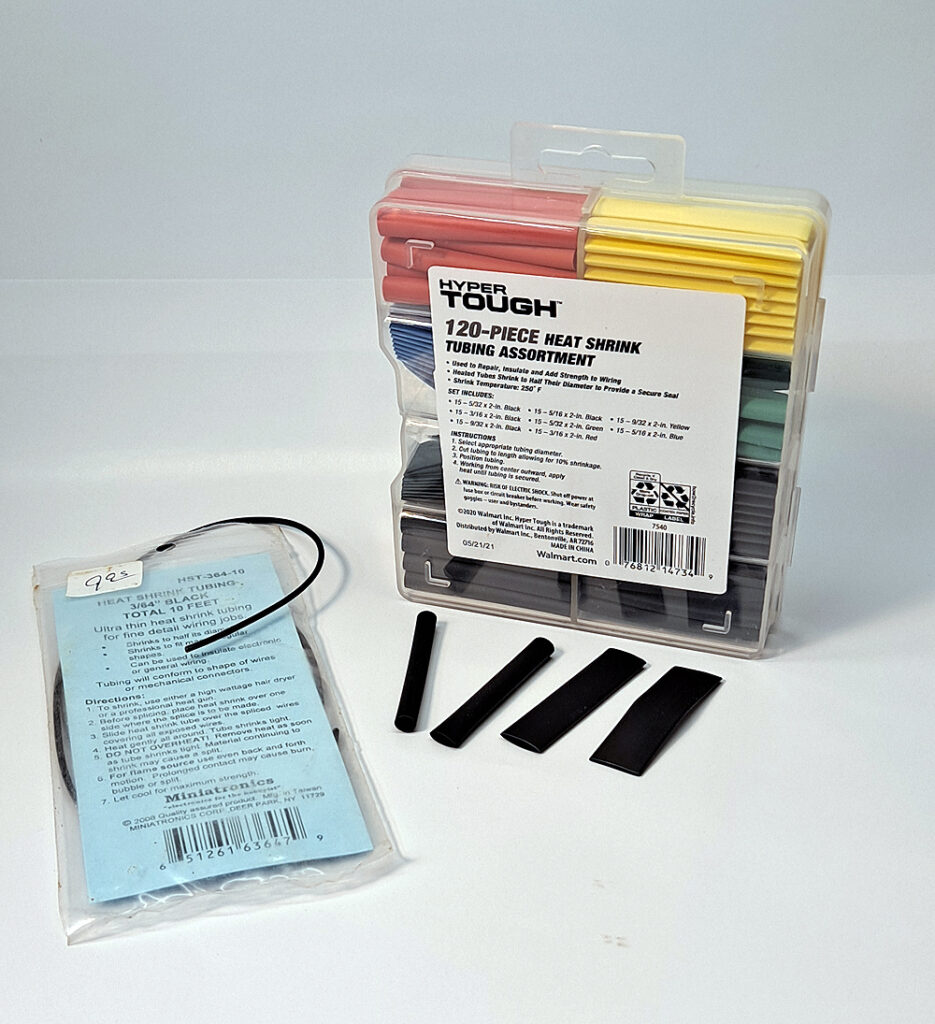
Heat-shrink tubing is something you need to have in your wiring toolkit. This material makes neat, insulated soldered joints simple and fast. What is heat-shrink tubing? As the name implies, the material shrinks when it’s heated. It comes in multiple sizes, some of which are somewhat specialized and are most likely to be found in […]
Read More…
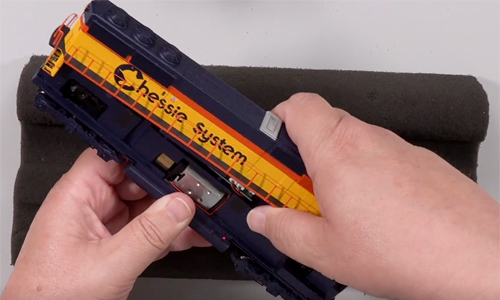
How to disassemble a locomotive without damaging it and then reassembling it is one of the more advanced tasks of a model railroader. Some people just want to see the inside of the locomotive, while more often, there’s a circuit board that needs repair or replacement, gears that need lubricating, or a faulty wire or […]
Read More…
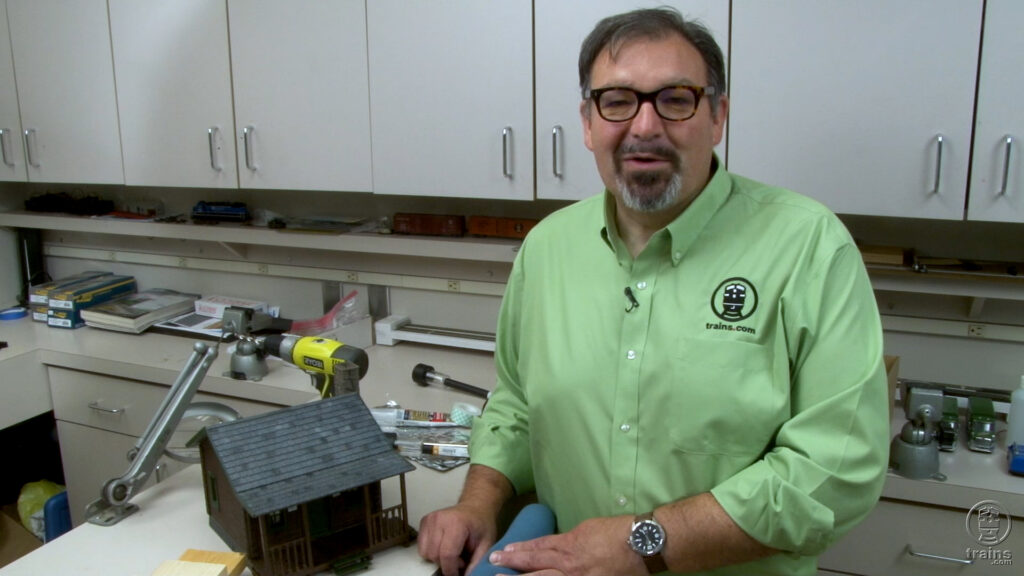
Garden Railways Editor Hal Miller shows step-by-step how to illuminate a PIKO cabin kit with an inexpensive solar-powered path light available from a home improvement store. […]
Read More…
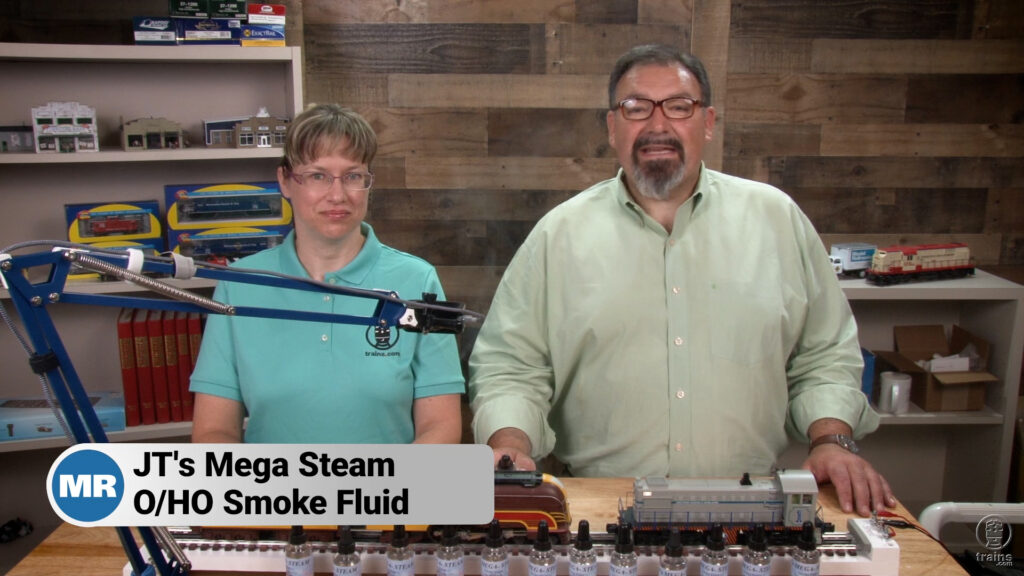
Toy train smoke hijinx (and a minor train wreck) abound as Hal Miller and Rene Schweitzer try a variety of the scents in JT’s Mega Steam fluid line. The smoke fluids are now available from the Kalmbach Hobbystore. Rene and Hal discover with their tests that there’s a world of smells beyond coal and diesel […]
Read More…
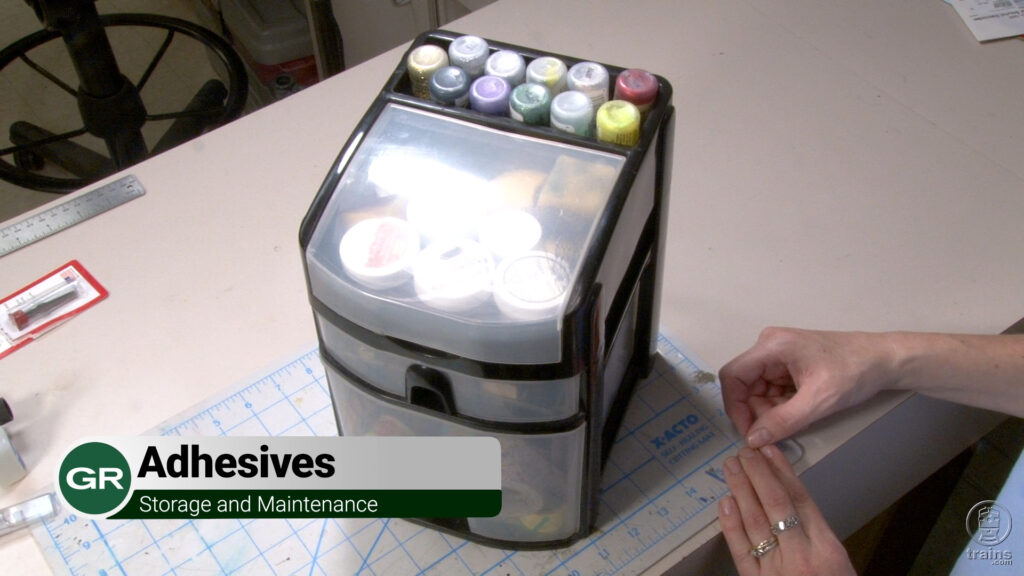
Staff member Rene Schweitzer demonstrates ways to make sure your adhesives are always ready to use. This quick video will show you easy-to-use tips for modelers of any scale. […]
Read More…
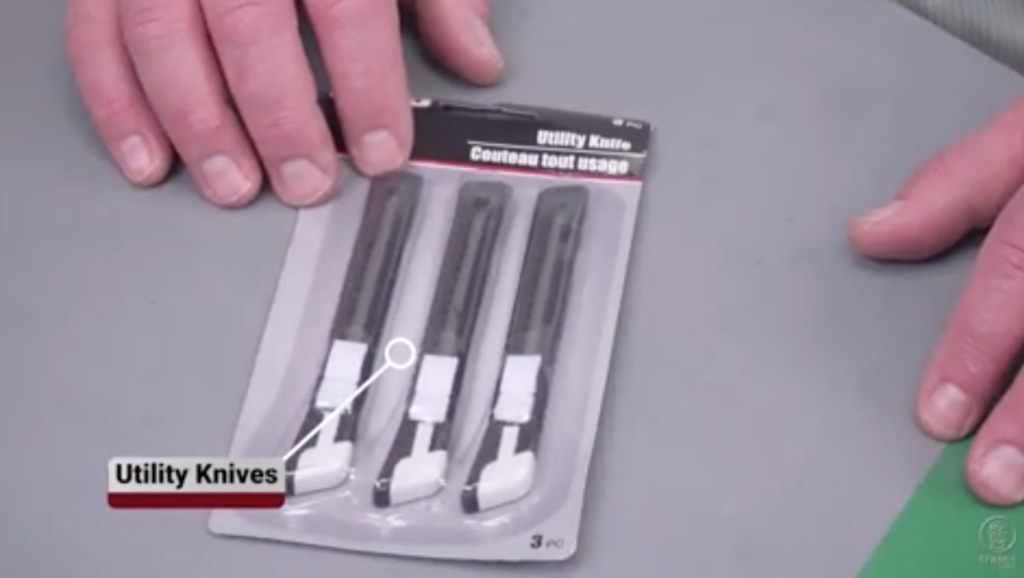
Classic Toy Trains Editor Hal Miller prowls the dollar store aisles in search of inexpensive items that are useful on the workbench or layout. […]
Read More…