
An ancient scale test car

TRNAT0514_01

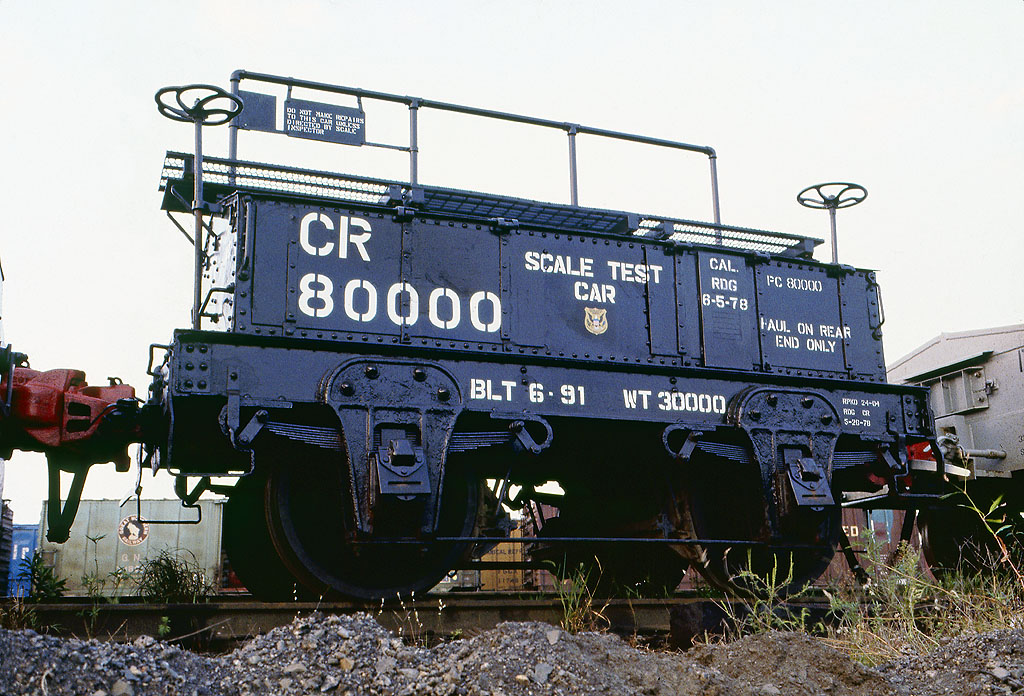
Scale test cars are used to calibrate in-track scales that weigh freight cars. The car shown above was built in 1891 and served until the 1980s. Jim Battle Q The car in this picture was in the New York, Susquehanna & Western’s Little Ferry, N.J., yard in September 1978. Do you know if it is […]

Read More…

Yellowstone National Park railroad

TRNAT0614_05

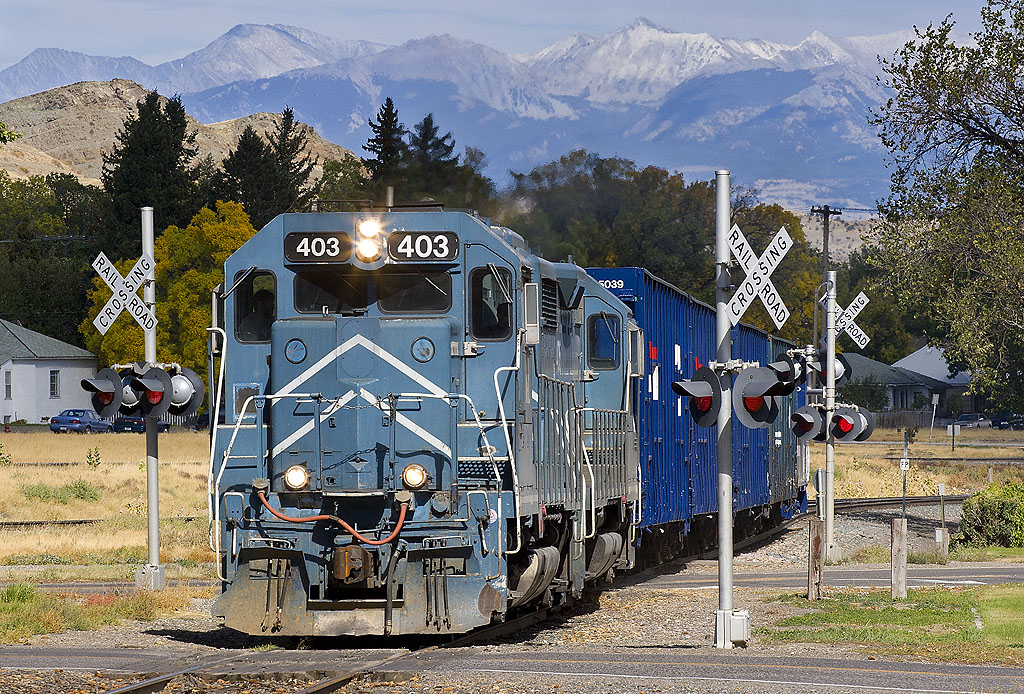
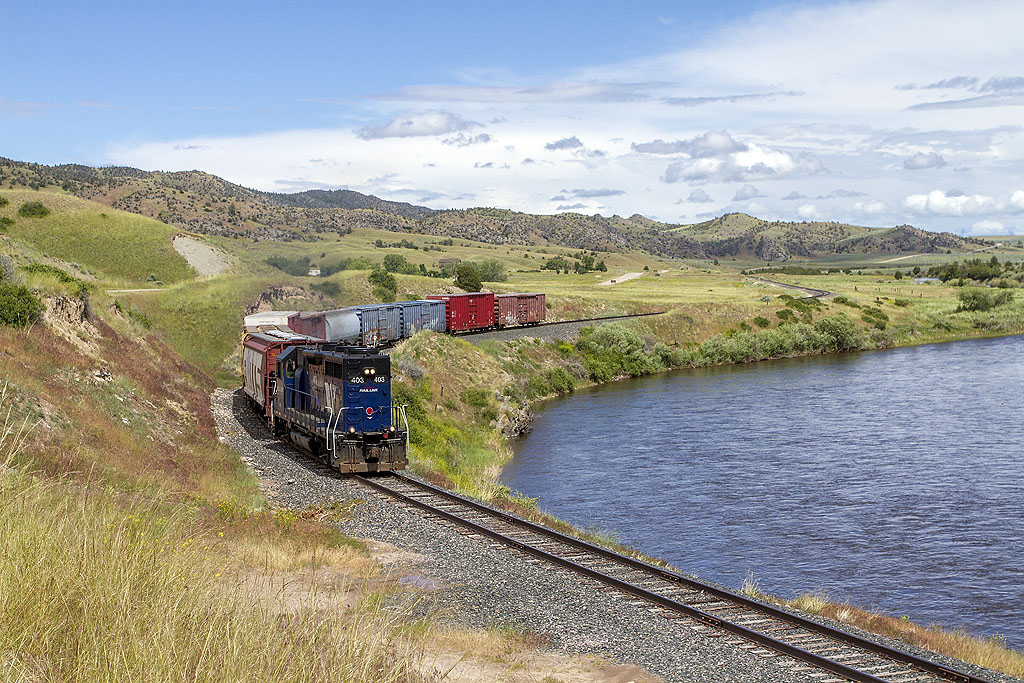
On Sept. 25, 2007, a Montana Rail Link local in Livingston, Mont., heads onto an old branch line that once went to Gardiner, Mont., and the north entrance to Yellowstone National Park. The GP35s are taking four wood chip cars and a caboose (for the return back-up move) to a lumber mill about a mile […]

Read More…

Broken rails: an unexpected pain

TRNTC0814_01

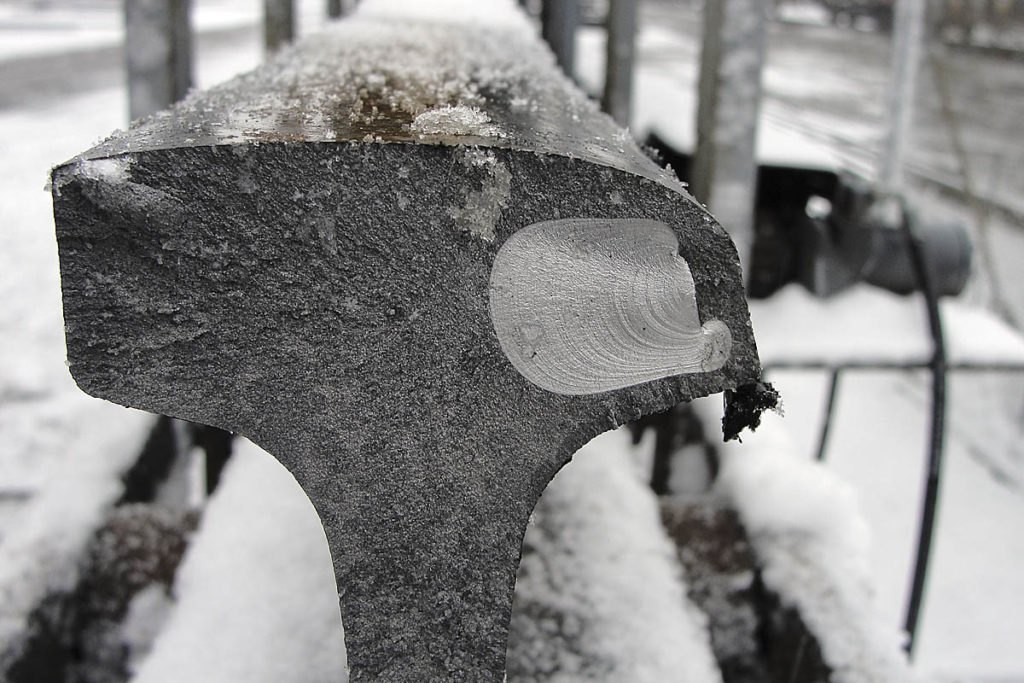
The manufacture and maintenance of rail is as old as railroading — and so are broken rails. Though today’s rail is much harder, stronger, and of higher quality than rail made even 40 years ago, railroads and metallurgists have just recently begun to understand why rails still are breaking. As railroads installed new rail in […]

Read More…

Running ‘backward’

TRNAT0315_03

A Montana Rail Link local with a GP35 running backward (long hood forward) rolls along the Jefferson River west of Sappington, Mont. Tom Danneman Q In the 2010 movie, “Unstoppable,” movie makers create a lot of drama about running a locomotive backward at high speed. How capable are road and switch engines of operating in […]

Read More…

What holds railroad track in place?

TRNAT0615_02

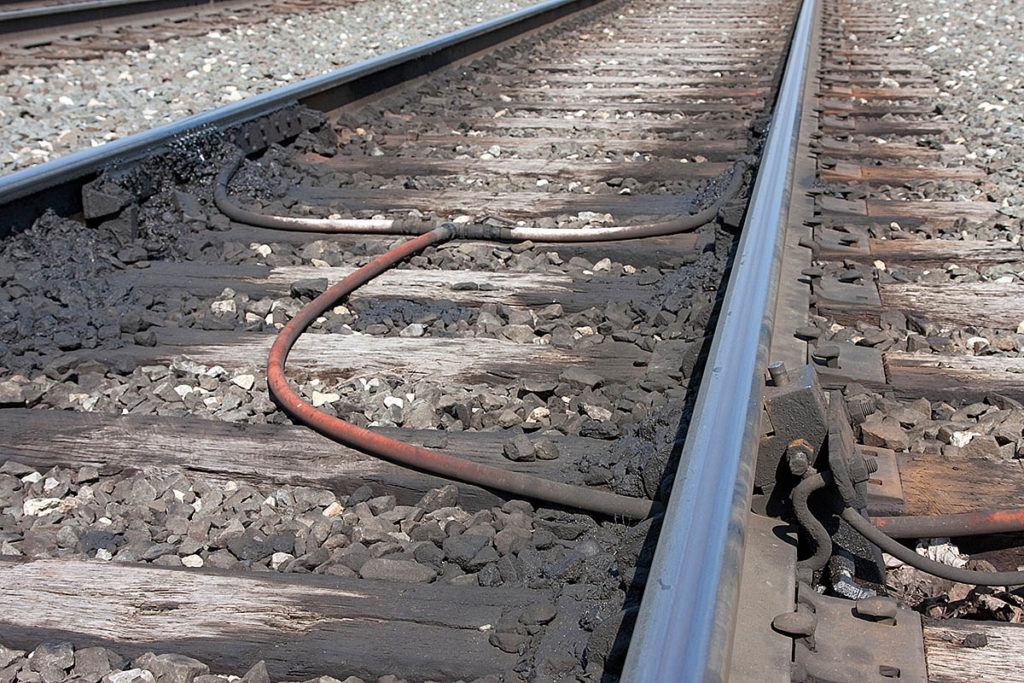
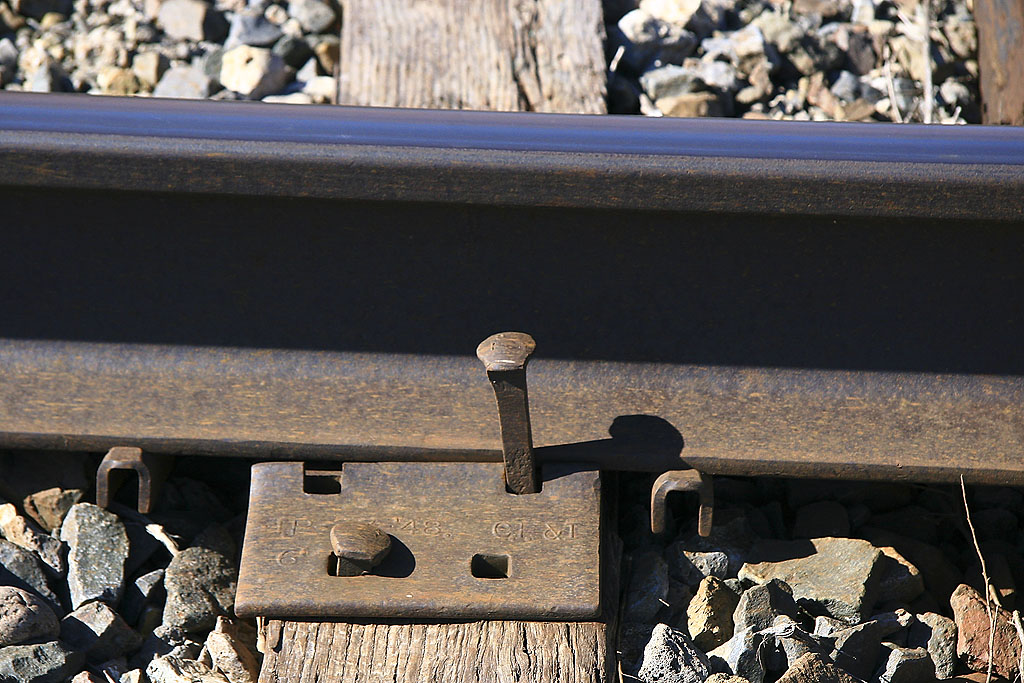
Spikes are part of a system that keeps rails in service. Redundant numbers of spikes are present in most tracks. Bob Johnston Q During a recent trip to the U.S., I visited rail lines in Chicago used by both freight and passenger trains. I noticed how many spikes are torn out or completely missing in […]

Read More…

Poling on railroads

TRNAT0315_02

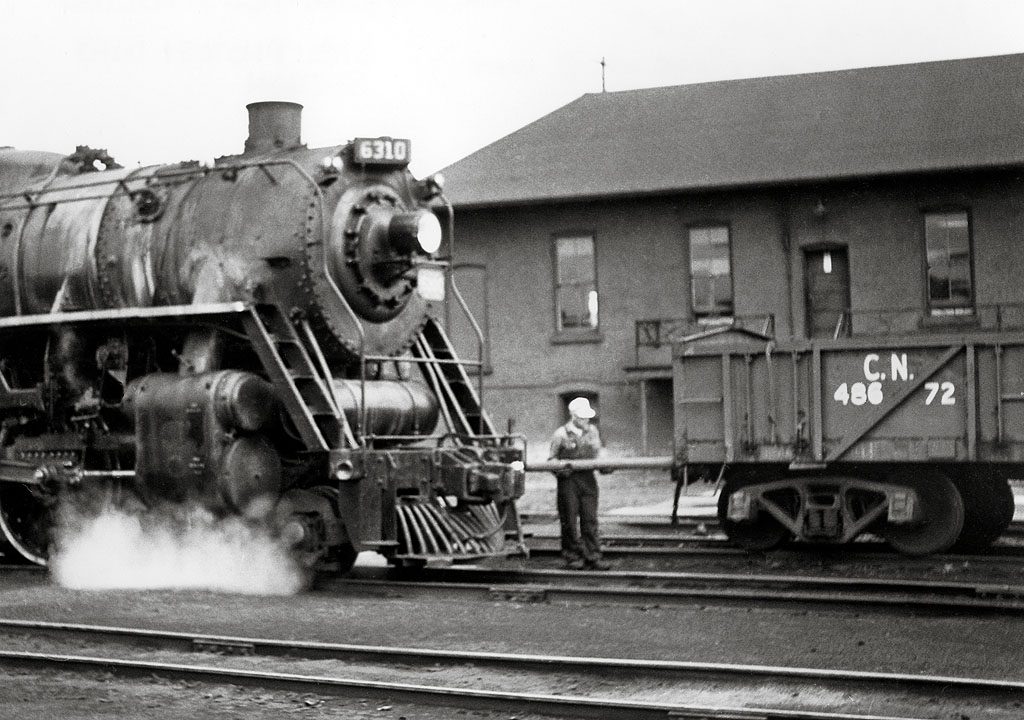
A Canadian National worker moves a car using a pole on the pilot of CN No. 6310 in 1958. Gordon B. Mott, Louis A. Marre collection Q When did railroads stop using poling pockets seen at all four corners of freight cars and engines? – John Bronn, Eagle, Alaska A Poling was the once common […]

Read More…

Amtrak in Deshler, Ohio

TRNAT0615_01

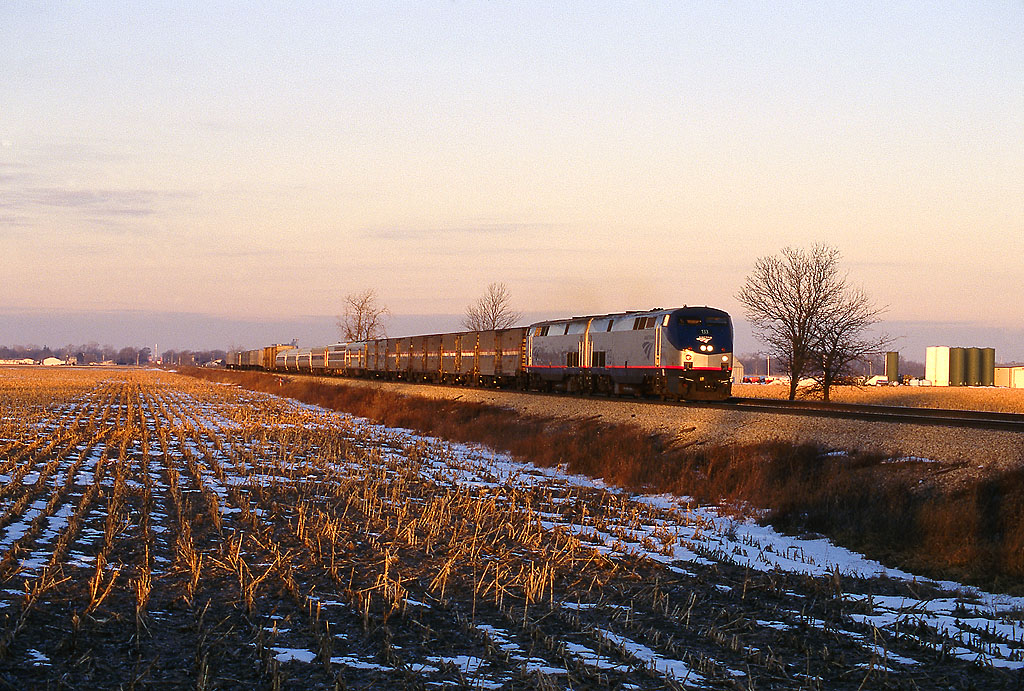
Amtrak’s ‘Three Rivers’ passes through Deshler, Ohio, in January 2003. Brian Schmidt Q While watching a DVD recently, I noticed an Amtrak train heading west through Deshler, Ohio. In what years did Amtrak go through that piece of Ohio? – David Harnisfeger, Findlay, Ohio A Amtrak operated on the former Baltimore & Ohio main line […]

Read More…

Burlington ‘Zephyr’ record

TRNAT0215_02

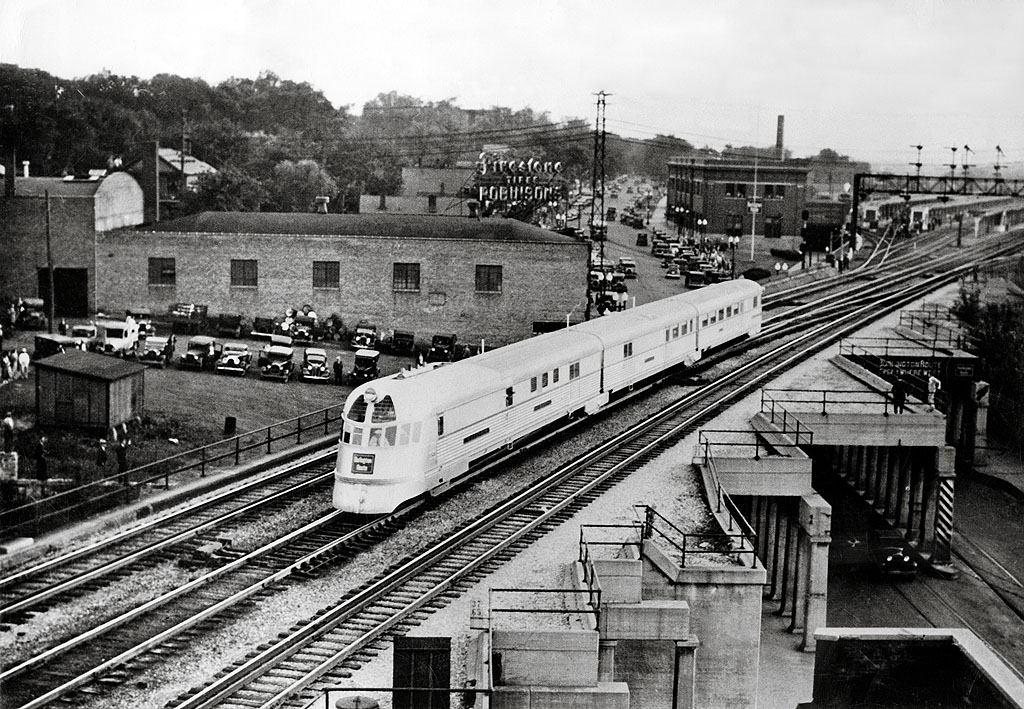
The Burlington ‘Zephyr’ as seen in Aurora, Ill., on May 26, 1934. Its nonstop run may have included slow spots. CB&Q Q In 1934, the Chicago, Burlington & Quincy ran the Zephyr from Denver to Chicago nonstop. How did they do this without changing crews? Did they have crews on-board for each subdivision and change […]

Read More…

Northeast Corridor safety

TRNAT0115_04

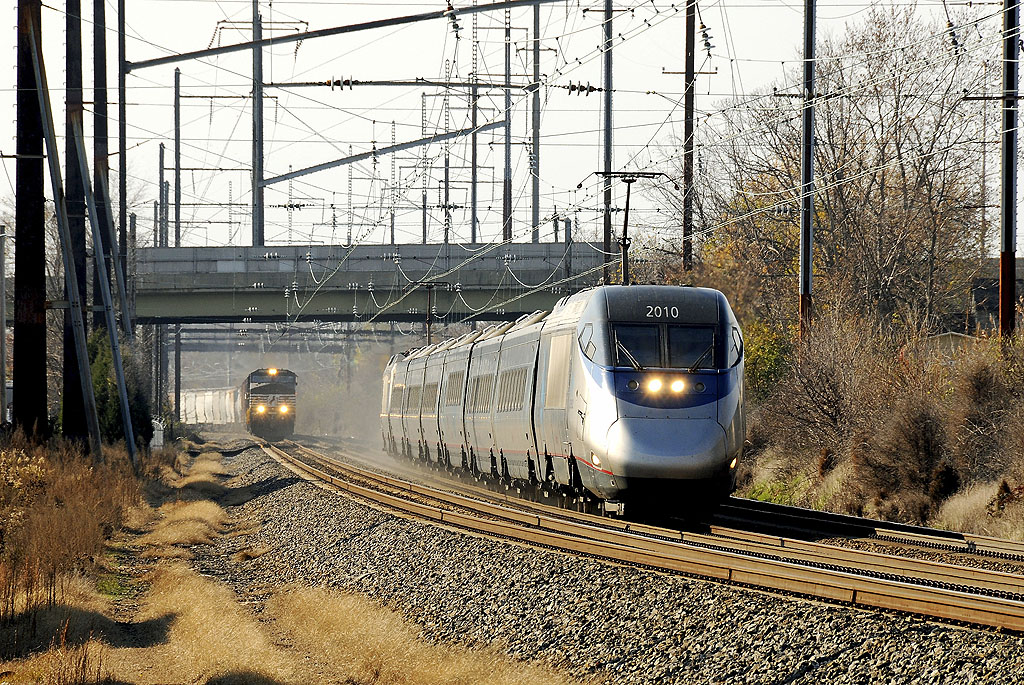
Extra tall fences (seen on the overpass in the background) often protect electrified lines from road debris. Michael S. Murray Q I have driven over the Northeast Corridor and have seen guardrails on the bridge get higher over the tracks themselves. Why is that? – Dan Wescott, Louisburg, N.C. A The primary reason higher barriers […]

Read More…

Galvanic corrosion

TRNAT0115_01

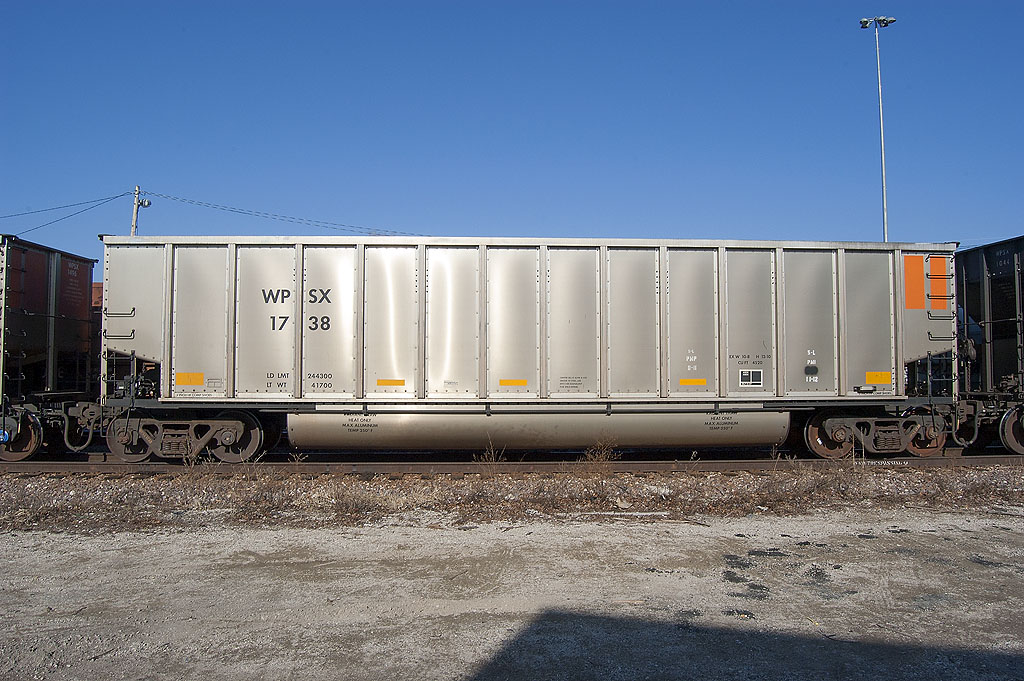
This coal hopper, seen in Butler, Wis., has a main body built from aluminum and a center sill made of steel. Freight-car makers use non-conductive materials to separate the metals and prevent galvanic corrosion. Steve Sweeney Q There are aluminum-body Talgos and aluminum-body coal cars, both with steel center sills. High school chemistry teaches that […]

Read More…

1990s B units

TRNAT1214_07

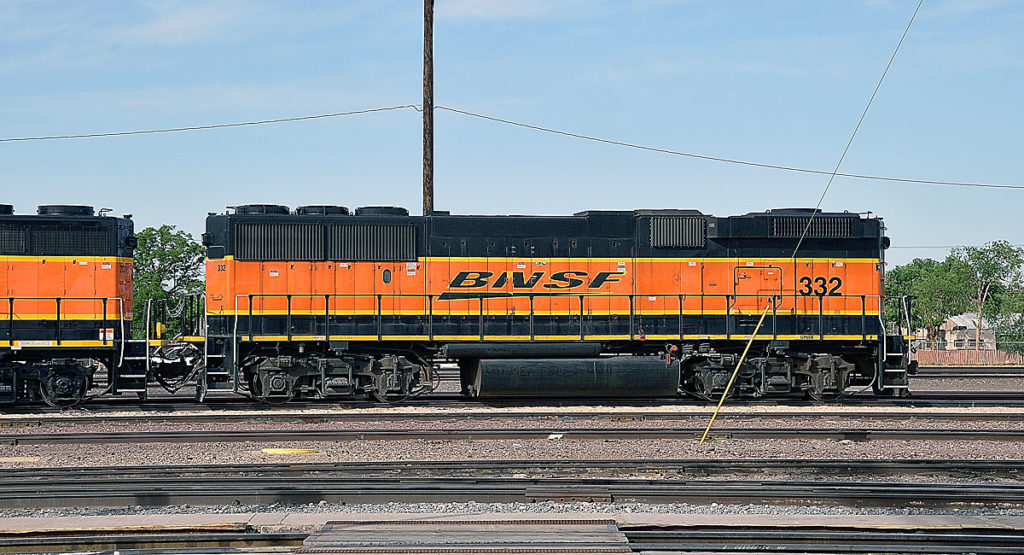
Santa Fe management ordered 23 GP60B units in 1991 for road service. Today, these four-axle veterans still ply BNSF Railway rails, but mostly on local jobs. Bob Miller Q I was watching railroad videos of the 1990s and saw locomotives without cabs in various consists. I rarely see these units on the main lines of […]

Read More…