
Ask MRVP: Episode 50

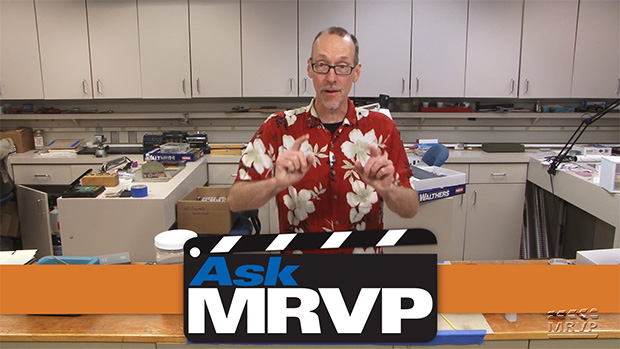
David introduces a video while standing near the Jones Island section of MR&T layout.

Having trouble viewing this video?   Please visit our Video FAQ page Time to talk trackwork, winter scenery, wood glue, maintenance-of-way equipment, and so much more in this Q&A episode of Ask MRVP. As always, host David Popp and his pals are willing to dig in to dig out the answers that’ll help YOU make […]

Read More…

Ask MRVP: Episode 48

David Popp stands at a counter in the Model Railroader workshop while introducing a video.

Having trouble viewing this video?   Please visit our Video FAQ page If you missed David Popp last month, he has returned to host the jammed-packed December episode of Ask MRVP. This time he (along with help from Cody and Ben) stuffs the stockings full of great answers to your questions related to trackwork, freight […]

Read More…

Ask MRVP: Episode 48

David Popp stands at a counter in the Model Railroader workshop while introducing a video.

Having trouble viewing this video?   Please visit our Video FAQ page If you missed David Popp last month, he has returned to host the jammed-packed December episode of Ask MRVP. This time he (along with help from Cody and Ben) stuffs the stockings full of great answers to your questions related to trackwork, freight […]

Read More…

Ask Trains: Why and when did rails get their shape?

RailAskTrains

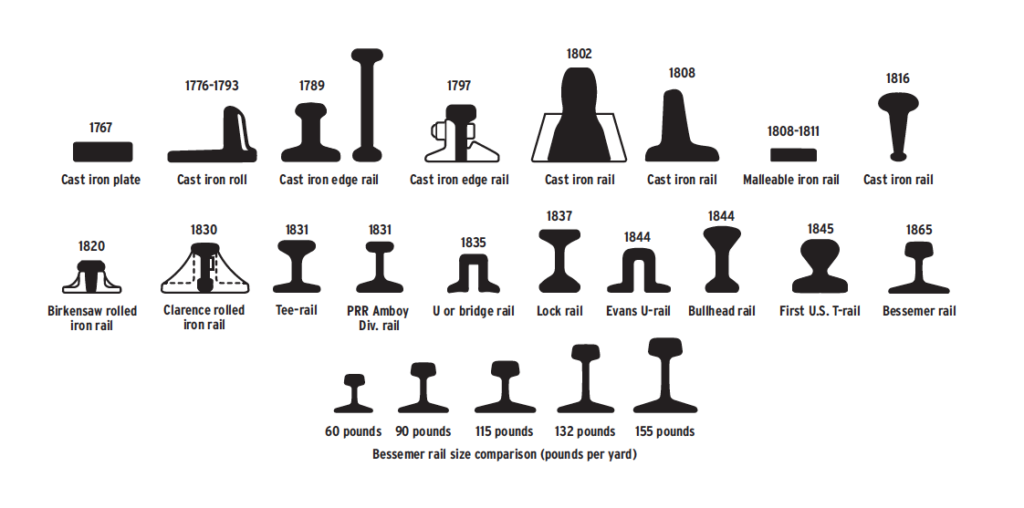
Rail profiles through time from file: TRN-TC0513 Illustration: Rick Johnson Q: Why and when did rails get their profile? — Rozier Smith A: The basic shape, or profile, of rails that we see today: chucky head, thin web, and wide base, has its roots railroading as early as 1789, according to an illustration Trains printed […]

Read More…

Ask Trains: How do railroads determine a grade on track charts?

TEH1106218

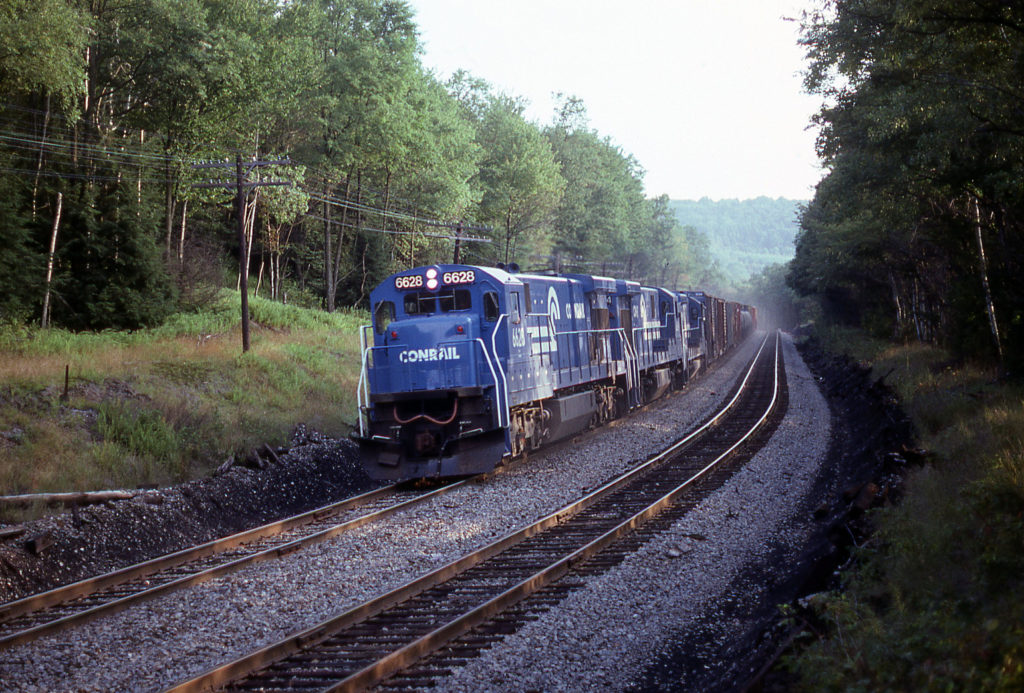
Conrail C36-7 No. 6628 works an eastbound train in New York’s Southern Tier east of Lanesboro, Pa., near the Pennsylvania-New York border in 1985. This section of track has a grade, what percentage that shows up on a track chart is determined by how precise the charts are.   TEH-11062-18 Michael S. Murray Q: Some […]

Read More…

Ask Trains: Why did a railroad remove a connection with another, nearby railroad?

EDITOR’S NOTE: Trains readers aren’t the only ones to wonder about happenings in the railroad world. Trains editors and friends recently shared an email discussion about why two Class I railroads near Trains’ headquarters removed a connection at a diamond crossover. Here’s a condensed, edited version of the best explanation we’ve seen: A: I would […]

Read More…

Ask MRVP: Episode 43

David Popp introduces a video while standing behind a counter in the Model Railroader workshop.

Having trouble viewing this video?   Please visit our Video FAQ page But wait…there’s more! More from Ask MRVP host David Popp, as he shares answers to questions YOU have about couplers, track cleaining, ballast options, painting techniques, and other topics in the model railroading hobby. […]

Read More…

Ask Trains: Where are major flyovers on U.S. railroads?

Zoo Interlocking Flyover Philadelphia Pennsylvania

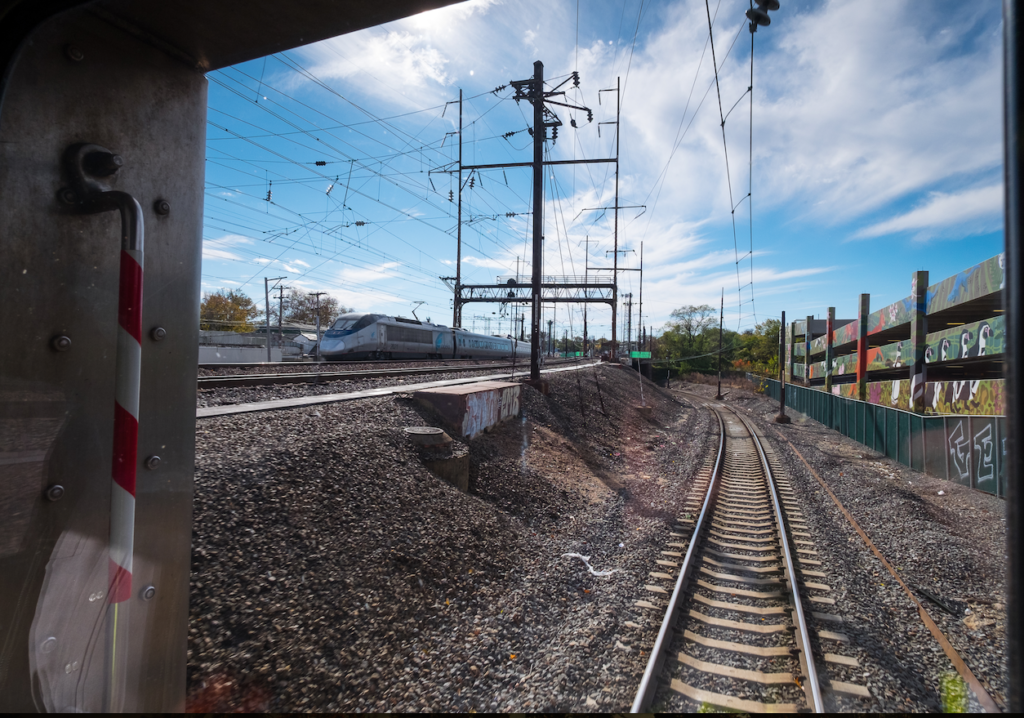
A train-view of a flyover at Zoo Interlocking in Philadelphia. Brian Solomon Question: Where are some other mainline flyovers in the U.S.? — Frank Klos, San Diego, Calif. Answer: A flyover is grade-separated track arrangement used to keep busy lines fluid by avoiding the need for conflicting crossover movements, often built in conjunction with junctions […]

Read More…

Lake Allatoona line relocation

TRNAT1016_03

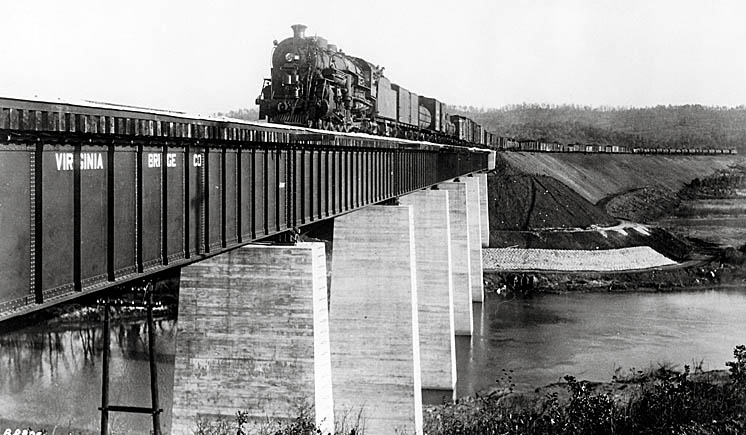
A Nashville, Chattanooga & St. Louis train crosses the Etowah River, soon to be Lake Allatoona, in December 1944. CSX Transportation now operates the line. Trains collection Q Which issue of Trains featured the article about a line relocation on the Western & Atlantic, an early Louisville & Nashville predecessor, at Lake Allatoona, near Cartersville, […]

Read More…