
Servicing Steam Locomotives

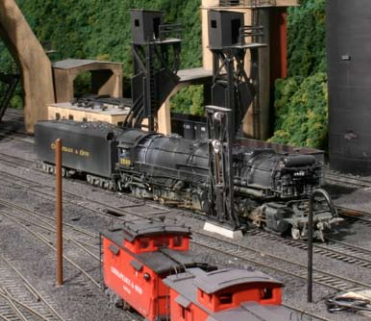
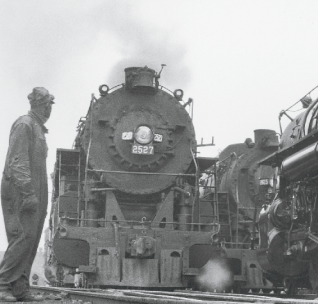
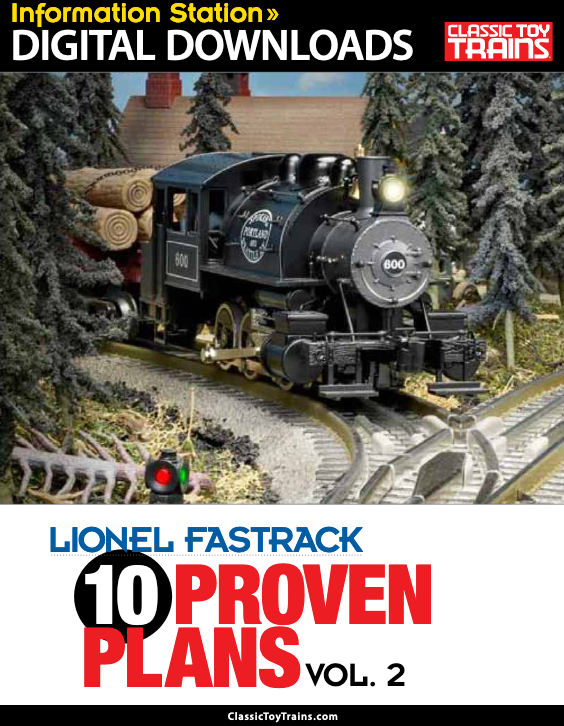
Sign up for your FREE download and Model Railroader’s FREE weekly e-newsletter. Steam locomotives were usually serviced every 100 – 150 miles, making engine terminals as much a part of the railroad scene as crossties and creosote. These terminals offer a variety of structures and operations and they can be modeled in a compact space.  Download […]

Read More…

Track troubleshooting tips and tricks, Part 2: Avoiding derailments at turnouts

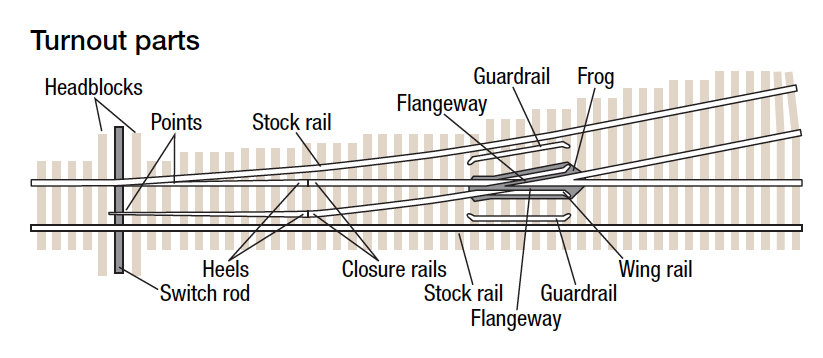
Track Troubleshooting Diagram 2

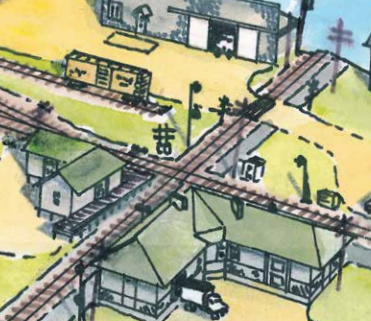
Theo Cobb illustration Theo Cobb illustration For each turnout, make sure that the check gauge — spacing between the guardrail and the frog — is correct. Paul J. Dolkos So long as your rails are clean and your rolling stock is fine-tuned, it’s time to inspect your right-of-way for problems. This is the second of […]

Read More…

Track troubleshooting tips and tricks, Part 3: Checking track power

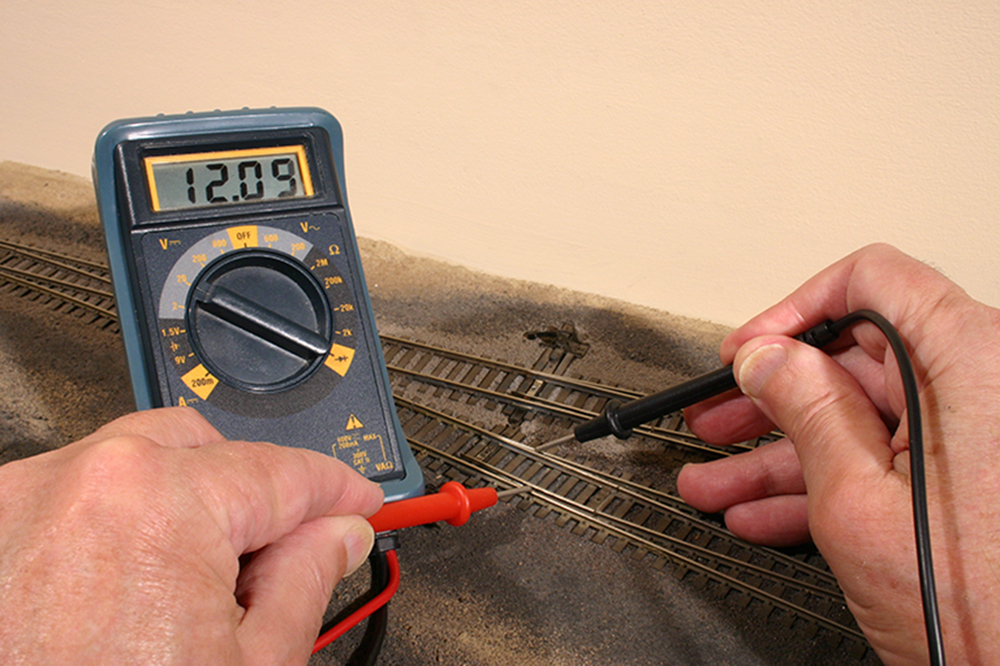
Track troubleshooting Volt meter

Check the track voltage using a multimeter. The voltage reading should be the same along each powered track section. Paul J. Dolkos So long as your rails are clean and your rolling stock is fine-tuned, it’s time to inspect your right-of-way for problems. This is the third of five quick articles on how to check […]

Read More…

Track tricks: Superelevate curves in 4 easy steps

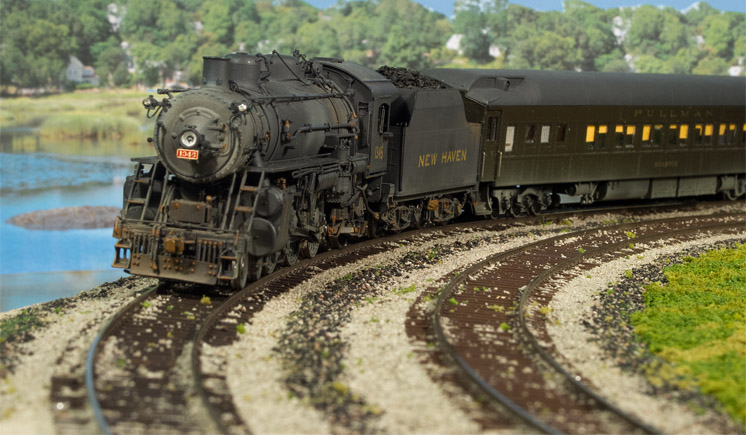
Superelevatetrack1

A locomotive leaning into a superelevated curve is a dramatic scene on a prototype and model railroad. Follow the simple method above for making superelevated curves on your model train layout using layers of cardstock shims I think the most exciting railroad photos are of a locomotive at speed leaning into a curve. This “lean” […]

Read More…