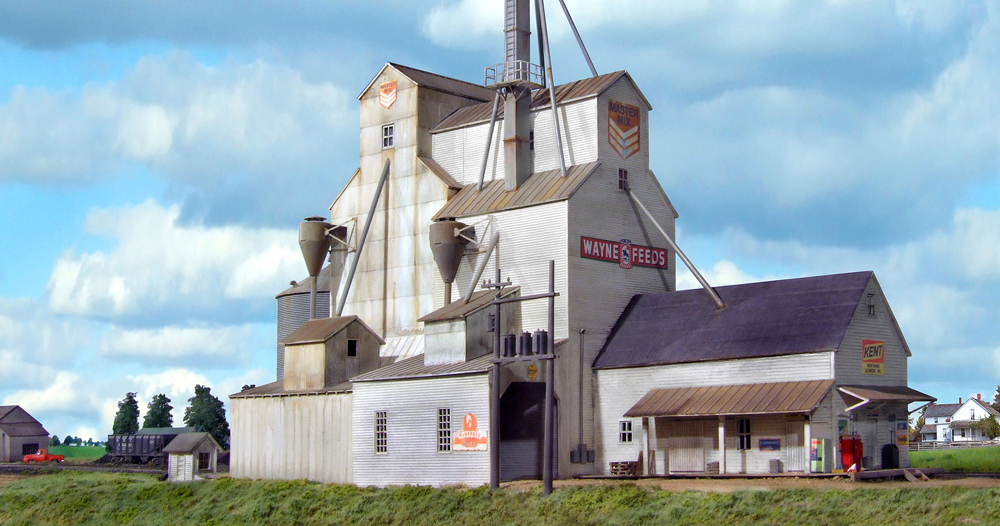

Last month we took a look at modeling urban scenery. This time around, we’ll step back from the big city and focus on rural scenery. I spent my formative years in the Red River Valley of the North, which was dotted with small towns up and down the Minnesota and North Dakota sides of the […]
Tag: Pre – 1920
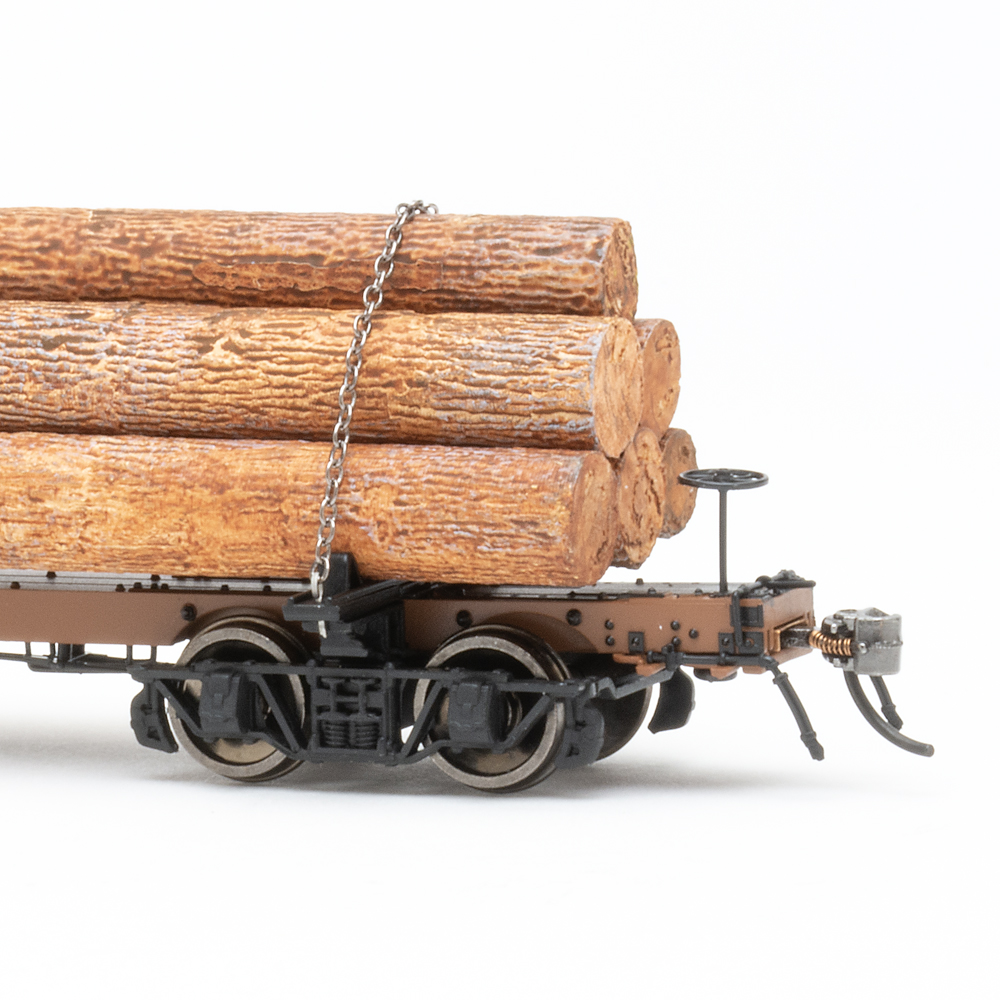
KR Models HO skeleton log car
Price: $60 (without logs), $75 (with logs) Manufacturer KR Models Ltd. No. 100 — 17865 106A Ave. Edmonton, Alberta, Canada T5S 1V8 krmodels.net Era: Early 1900s to 1950s Comments: Loaded and empty skeleton log cars are now available in HO scale from KR Models Ltd. The ready-to-run model features injection-molded plastic construction, metal wheelsets, and […]
Model steam locomotive driver flanges
Q: Why are the flanges on model steam engine drive wheels so much larger than on the prototypes? Is it because the models don’t weigh very much? Or is it because they have to navigate tight curves? And do larger scales (like G scale and live-steam models) have flanges that are closer to the prototypes? […]
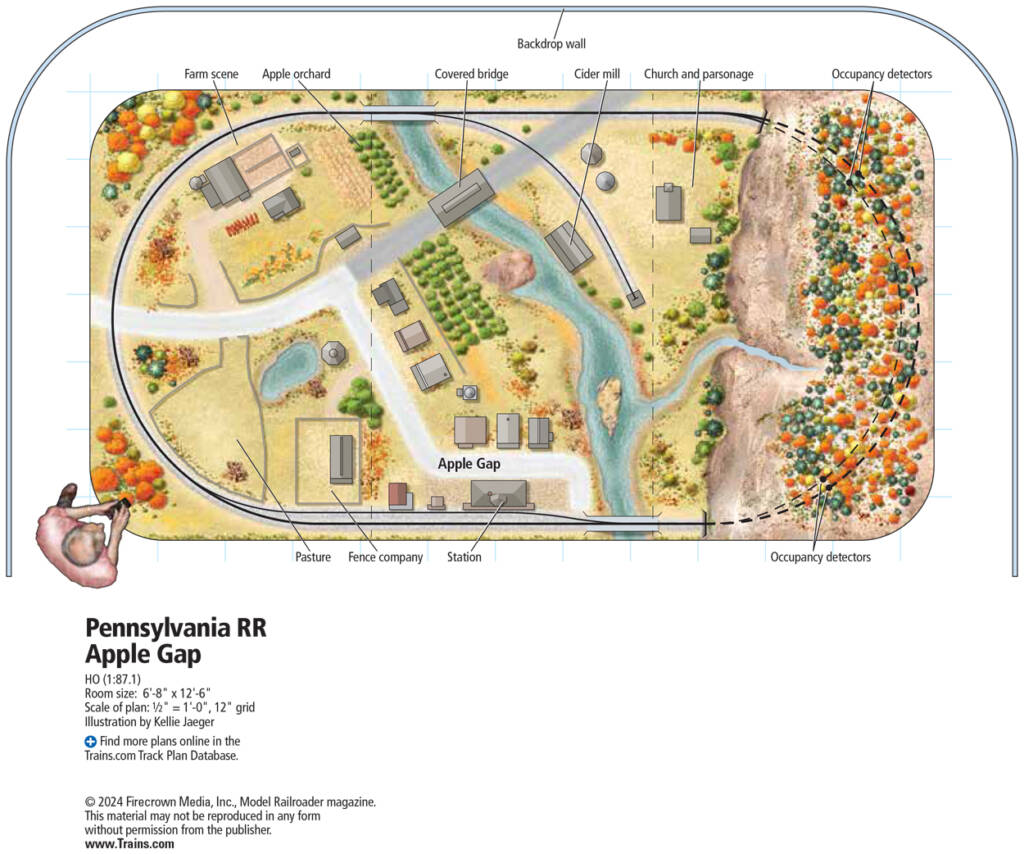
The HO scale Pennsylvania RR Apple Gap layout
Facts and features Name: Pennsylvania RR Scale: HO (1:87)Size: 6′-8″ x 12′-6″Prototype: freelanced, inspired by PRRLocale: northeastern PennsylvaniaEra: changeable between 1870-1915, 1916-1942, and 1943-1959Style: island Mainline run: 31 feetMinimum radius: 36.5″Minimum turnout: No. 6Maximum grade: none (flat)Benchwork: tabletopHeight: 511⁄2“Roadbed: corkTrack: Micro Engineering flexible code 83Scenery: foam board and Kingspan underlayment on 3 ⁄4” medium density […]
LCCA announces custom-run Lionel products
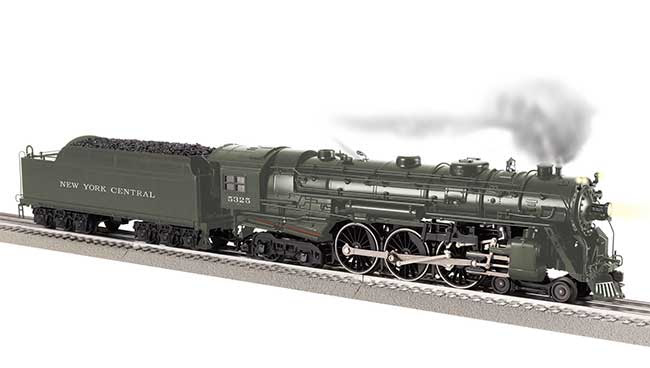
The Lionel Collectors Club of America (LCCA) announces some Lionel custom-run products. To celebrate Lionel Trains’ 125th anniversary, the LCCA is releasing a VisionLine 4-6-4 Hudson locomotive. The engine features operation via Legacy, TMCC, or conventional mode with a standard transformer. It also features Bluetooth control and Lionel Voice Control. Minimum curve requirement is O-54 […]
Why do railroads use signals?
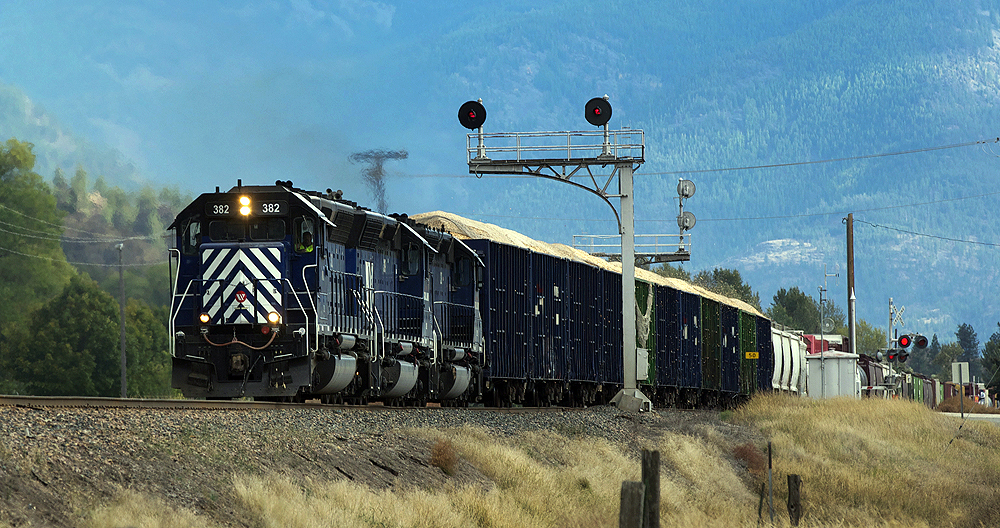
A common question newcomers to model railroading ask is “Why do railroads use signals?” The quick answer is to keep trains moving safely. But the topic of railroad signals deserves more of an explanation. The evolution of railroad signals When trains are running in the same direction on the same line, in opposite directions on […]
Why do railroads use catenary?
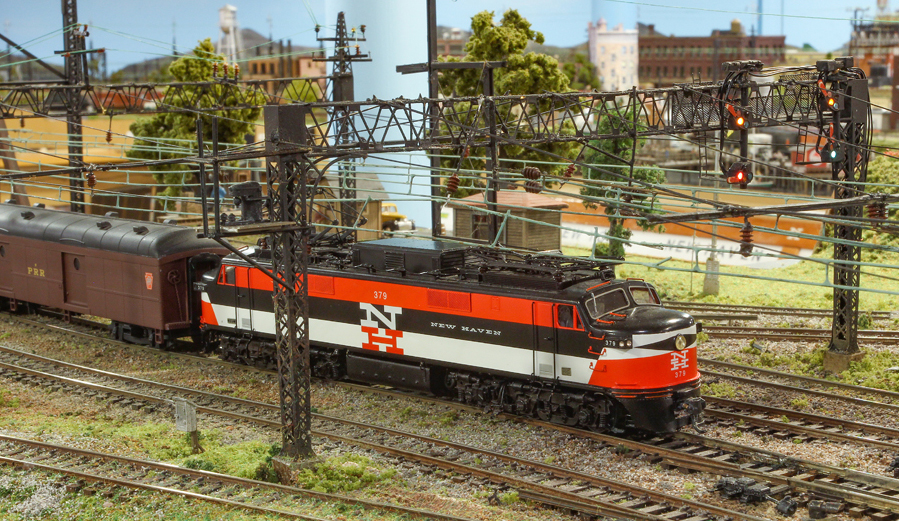
When you think about electrified rail lines today, the first thing that probably comes to mind is Amtrak’s Northeast Corridor. But in the first half of the 1900s, before the start of the diesel era, railroads used electrified lines to move freight and passengers. Examples in the east included the New York, New Haven & […]
California Limited
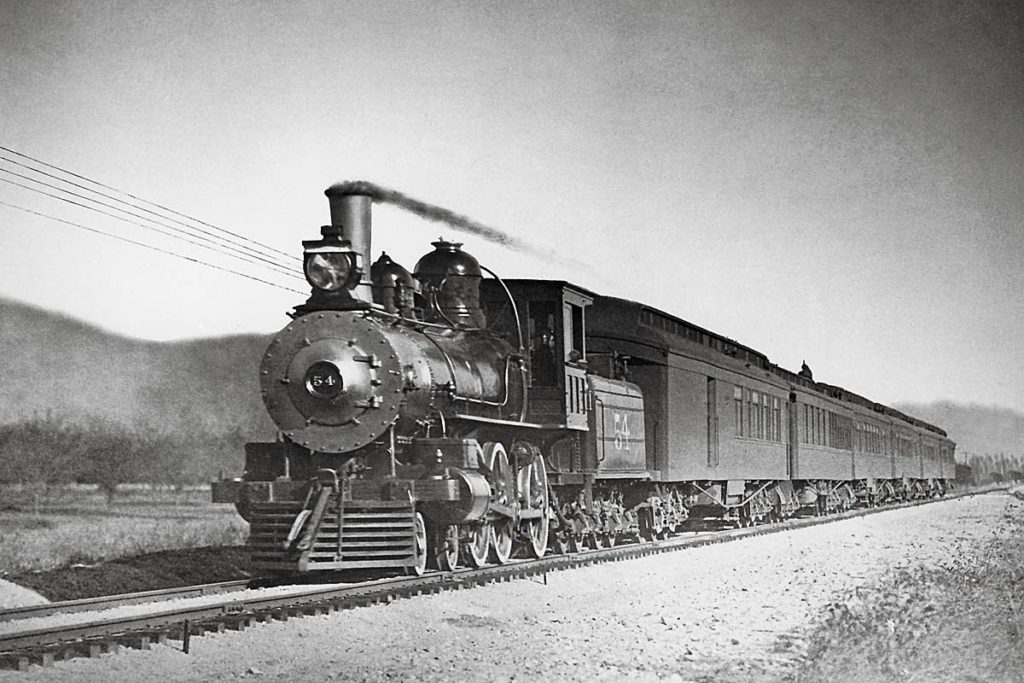
The Santa Fe’s fastest scheduled train in 1905 was the all-Pullman California Limited, with a Los Angeles–Chicago running time of 66 hours. Compact 4-6-0 No. 54 does the honors on this day with six cars in tow. Santa Fe Railway photo […]
Why did railroads use train orders?
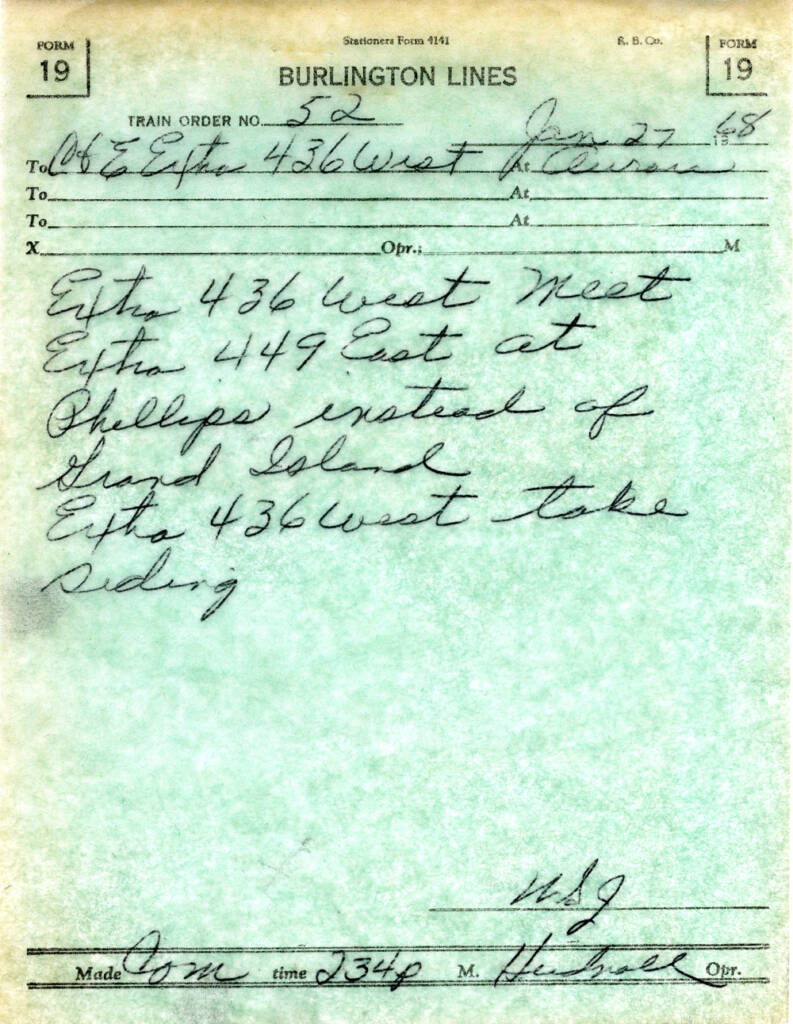
If you’ve read Model Railroader or many of our books and special issues, you’ve probably seen references to timetable-and-train-order operation, or TTTO for short. Employee timetables (ETT) that governed TTTO operation listed station names, mileposts, train numbers and classes, departure and arrival times, and operating instructions, among other items, to govern train movements. So why […]
Designing two HO scale modules on a hollow core door
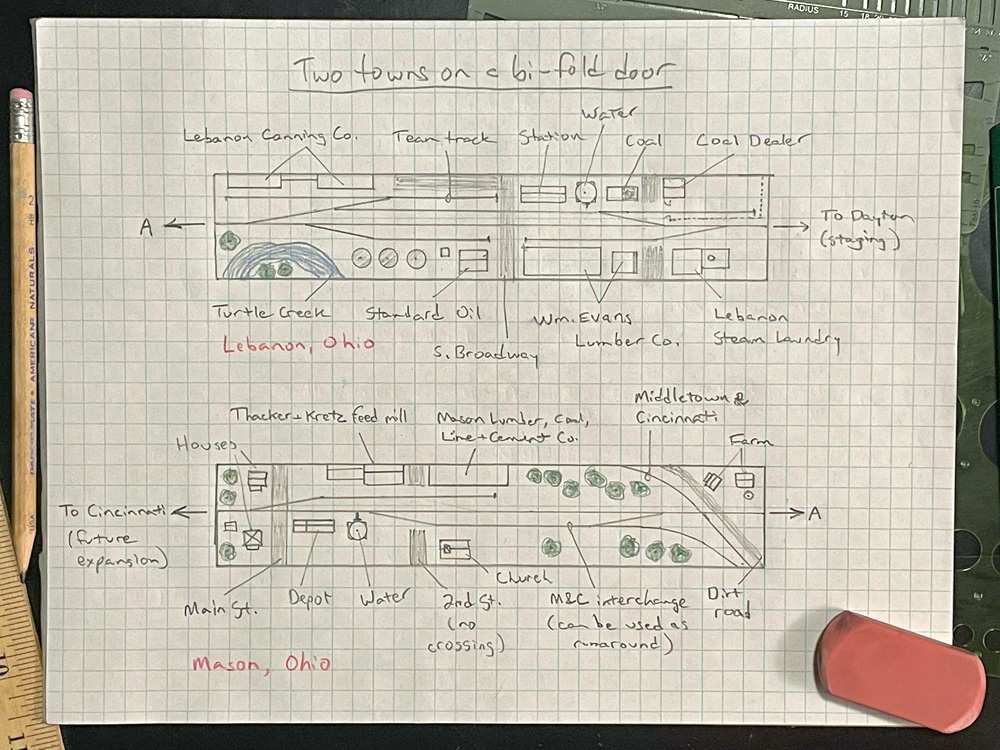
When people think about building a model train layout on a hollow core door, they most often envision an N scale layout, like our Red Oak project (which was published starting in MR’s January 2015 issue). Admittedly, hollow core doors are a convenient size for small N scale layouts, since nested 9.5” and 11” radius […]
Plans for a masonry depot
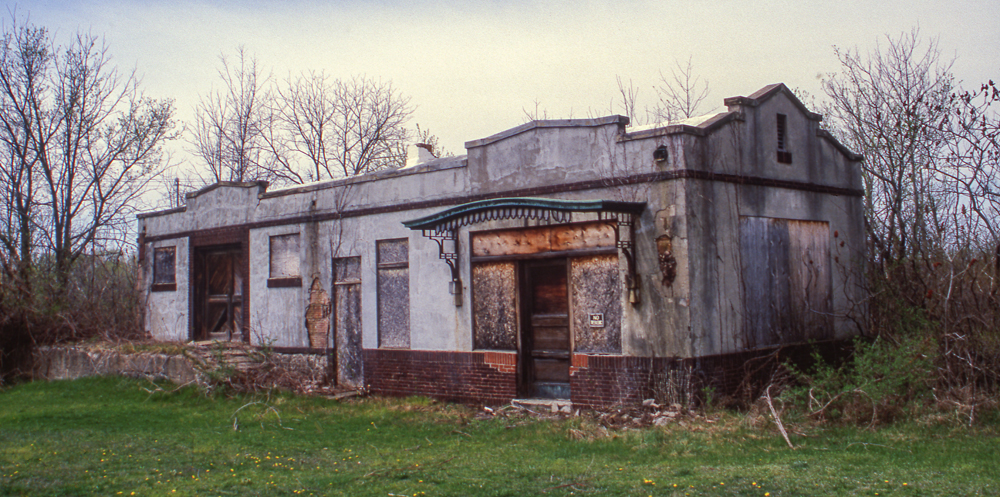
Harold W. Russell’s illustrations have been appearing in Model Railroader magazine since the mid-1960s. He has more than 150 bylines to his credit. In the July 2024 issue he shared plans for a masonry depot on the Lehigh Valley in Gorham, N.Y. Click on the link below to download Harold’s plans. Use this link to […]
Scratchbuild a pickle car
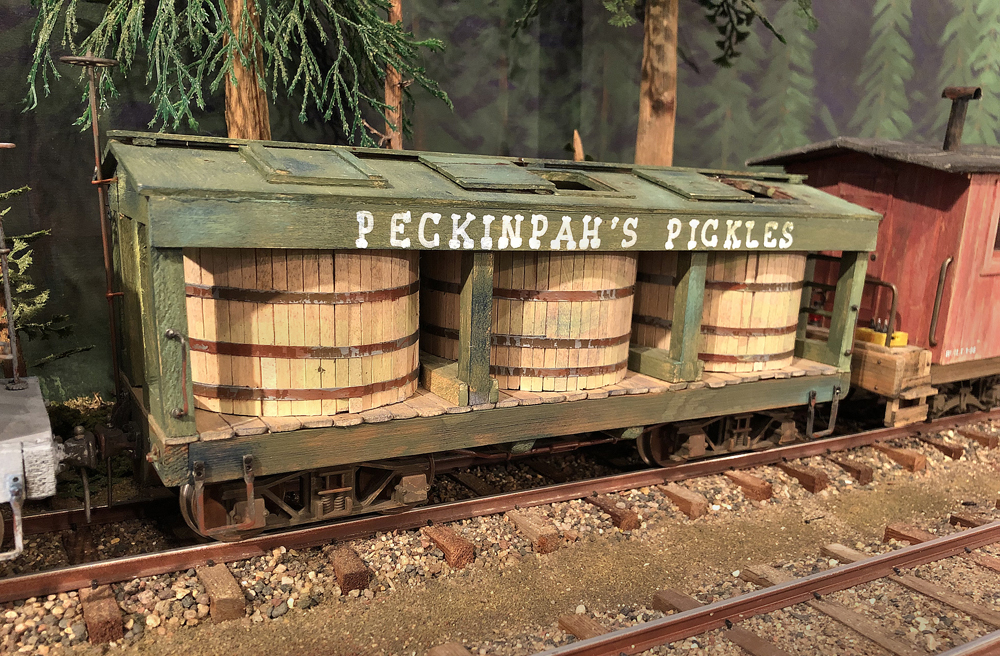
Pickle cars have a unique look, and they served a unique purpose. Cucumbers brined onboard in vats as they traveled from farm field to processing plant. I thought a pickle car would look at home on my layout. My version is loosely based on period photos; it’s not a scale model of a specific car. […]