
Methods to wiring your toy train layout
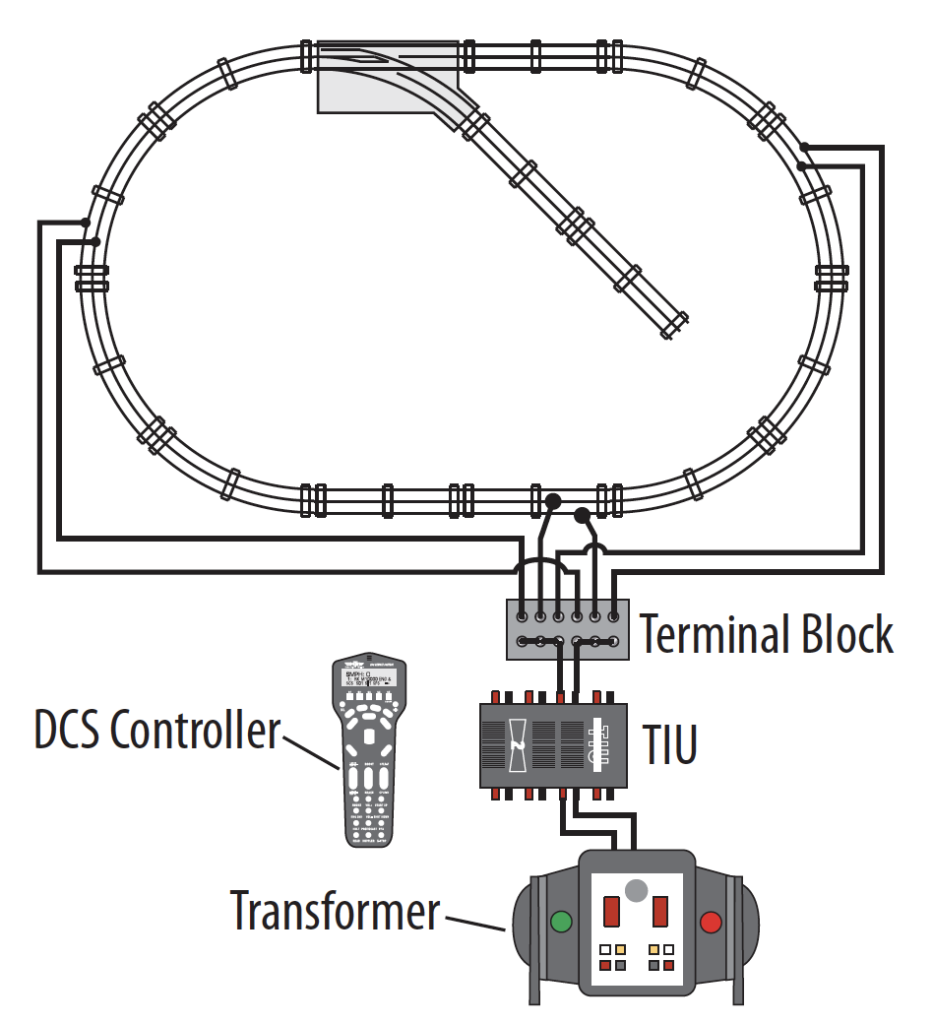
MTH’s Digital Command System transmits signals through the track system, unlike Lionel’s TrainMaster and Legacy systems, which transmit through the air.

It isn’t an exaggeration to observe that the CTT staff is frequently asked basic questions such as “How do I connect my power and lockon to the track?” However, we get even more questions related to adding operational capability beyond running one train in a circle – taking a step beyond the starter outfit. Aside […]

Read More…

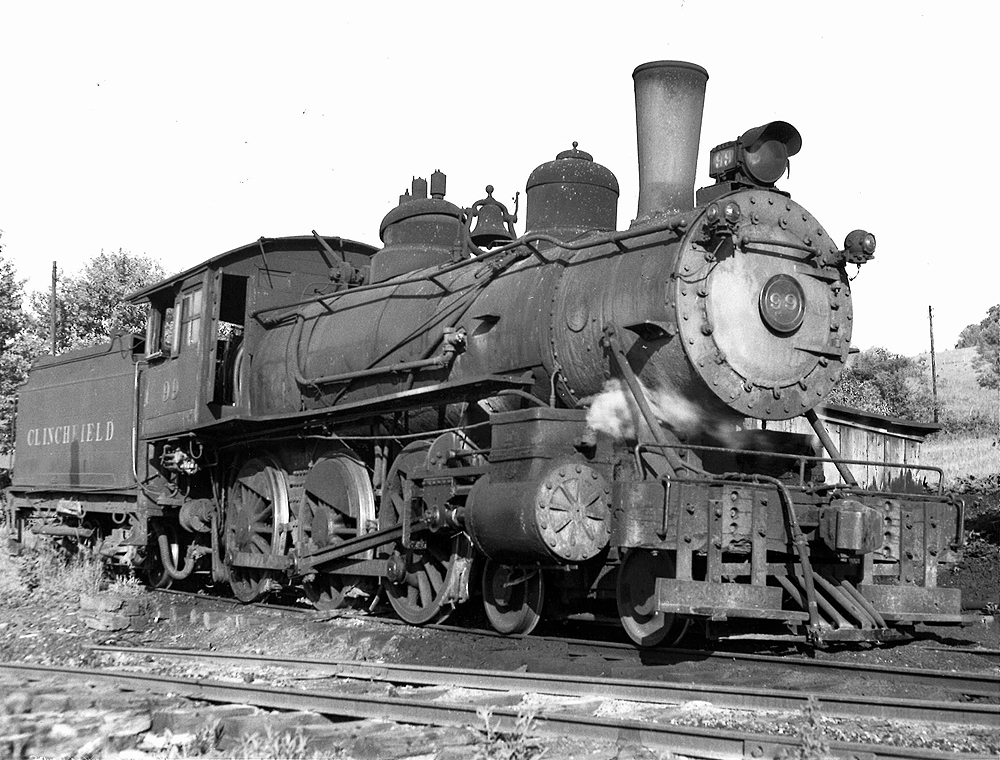
Remembering Clinchfield Railroad locomotives

A train sitting on the tracks

Classic Trains editors are celebrating the heritage, history, and lore of famed (and infamous) railroads. In March 2020, we celebrate the Clinchfield Railroad. Please enjoy a collection of locomotive images located in the David P. Morgan Library archives at Kalmbach Media that include the Clinchfield’s iconic locomotives and classic scenic photos. You might also enjoy […]

Read More…

Tidewater transience

20200310

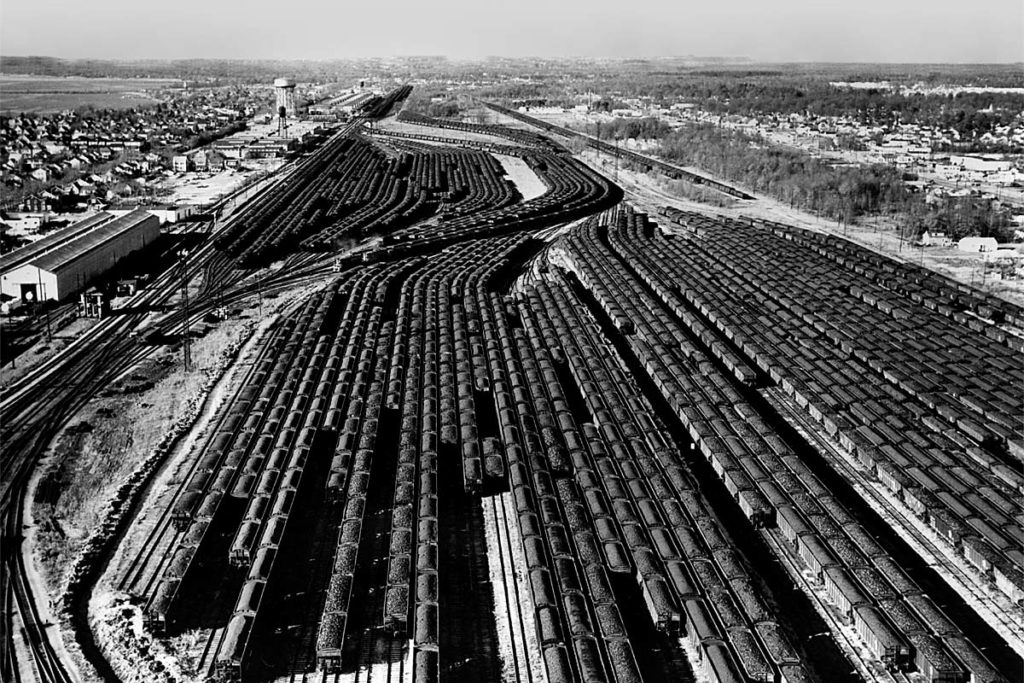
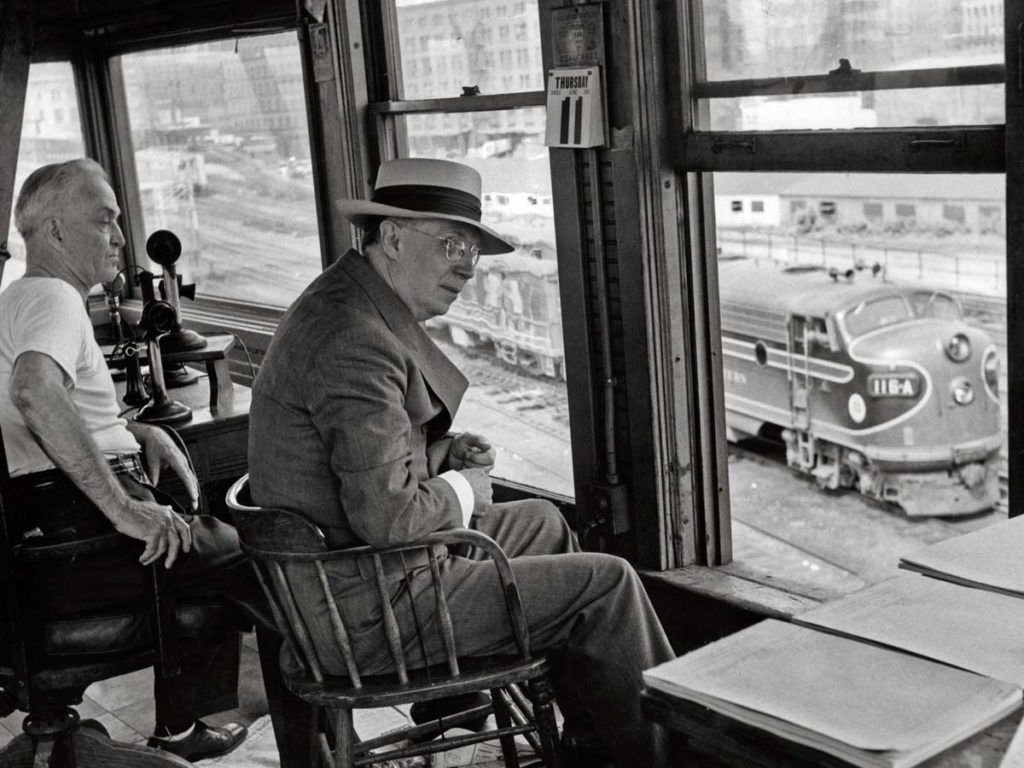
Two Geeps (center left) bring a train into Chesapeake & Ohio’s sprawling coal storage yard at Newport News, Va. Cars are stored here until needed at the nearby port facilities where they are mixed with various other grades of coal while loading into oceangoing vessels. Chesapeake & Ohio, John B. Corns collection […]

Read More…

Steam for speed

20200320

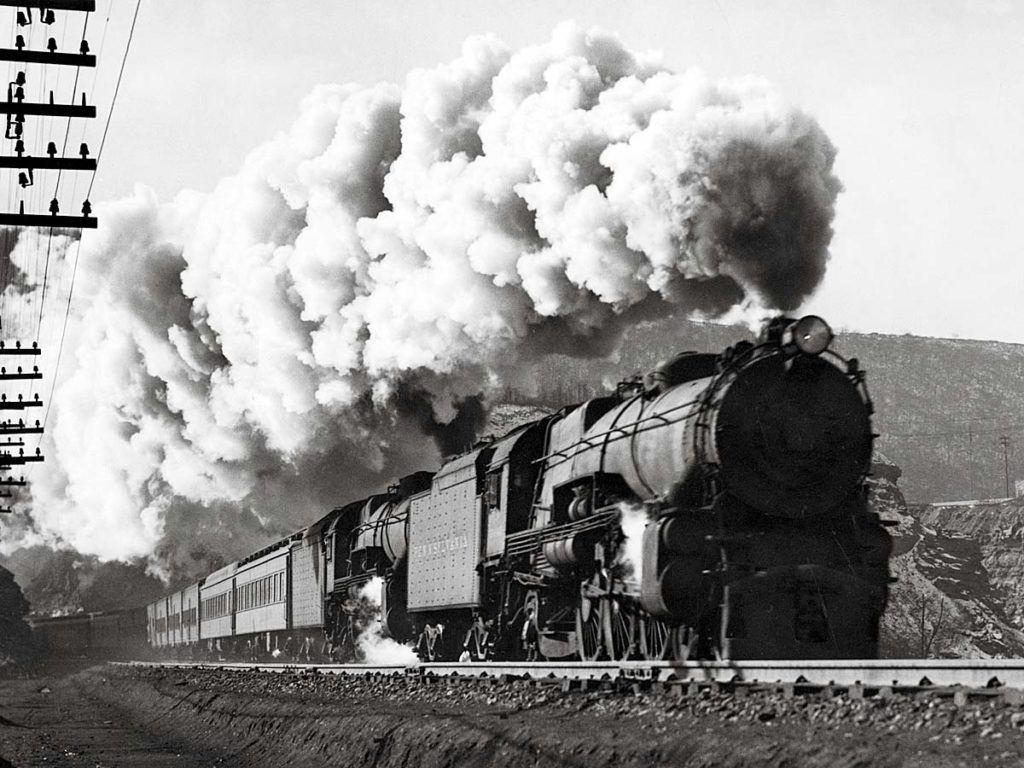
The clouds of smoke from double-headed steam locomotives illustrate a disadvantage to riding behind them — particularly with open windows. Here a troop extra rolls east of Staple Bend, Pa., on the Pennsylvania Railroad’s Pittsburgh–Philadelphia main line. Several distinctive troop sleepers are in the consist. Wayne Brumbaugh photo […]

Read More…

Tehachapi cab-forward

20200330

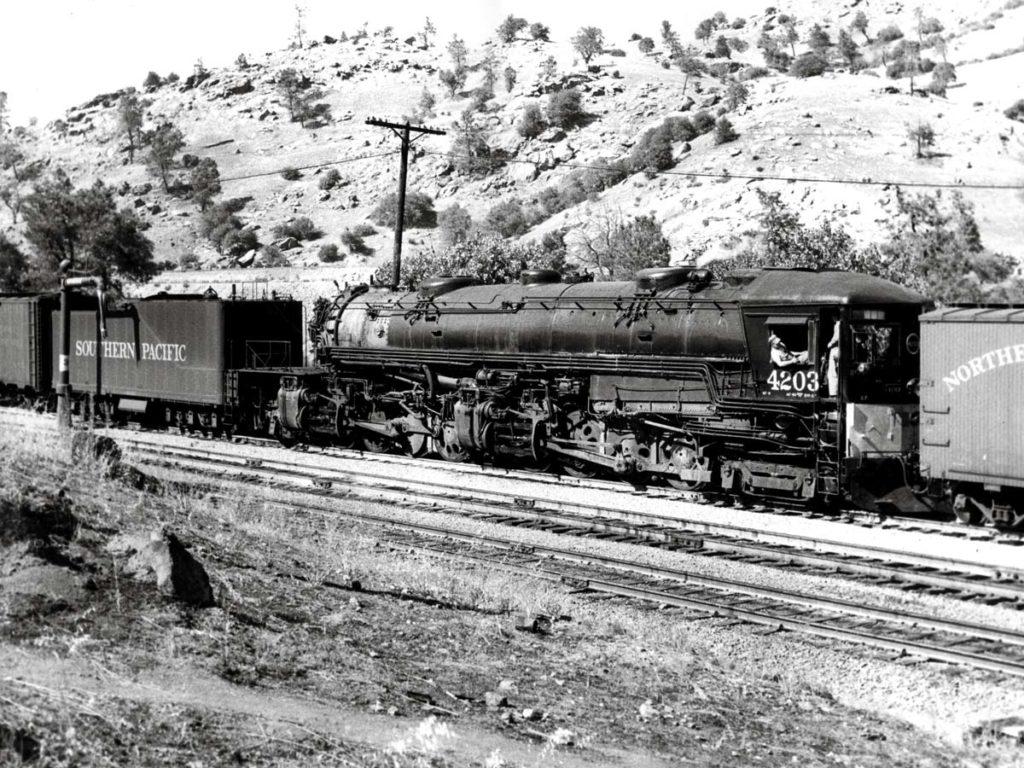
Southern Pacific 4-8-8-2 cab-forward No. 4203 works hard in pusher service on Tehachapi Grade near Woodford, Calif., in August 1948. SP commissioned the specially designed locomotives to minimize crews’ exposure to tunnels in the lengthy tunnels and snowsheds on its system, a benefit that did not always apply to locomotives further back in the train. […]

Read More…