
As an entity with 50-plus years under its belt, Amtrak now has plenty of its own history, in addition to that of the trains it took over as of May 1, 1971. Thus, it probably should not have been a total surprise when Amtrak launched a through train service in November 2024 between Chicago […]
Tag: Passenger Service
James La Vake photographed passenger trains at their peak
Of the many first-rate photographers who became fascinated by postwar railroading, one of the best was James La Vake. An airline pilot by profession, he also had some experience as a photographer, and it showed: his photos in Trains magazine in the late 1940s and early ’50s are among the best featuring diesel-powered streamliners. I’ve […]
Budd streamliners
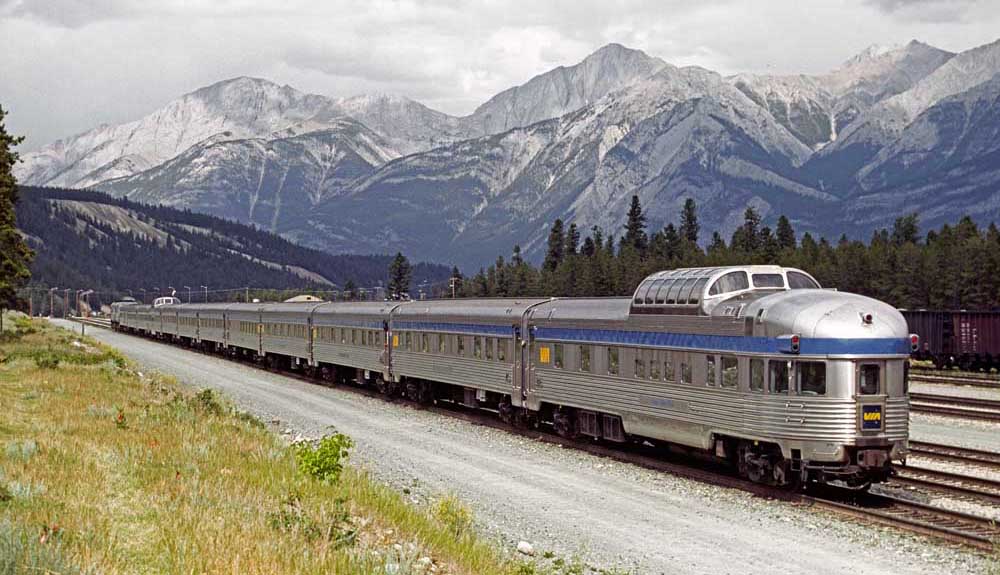
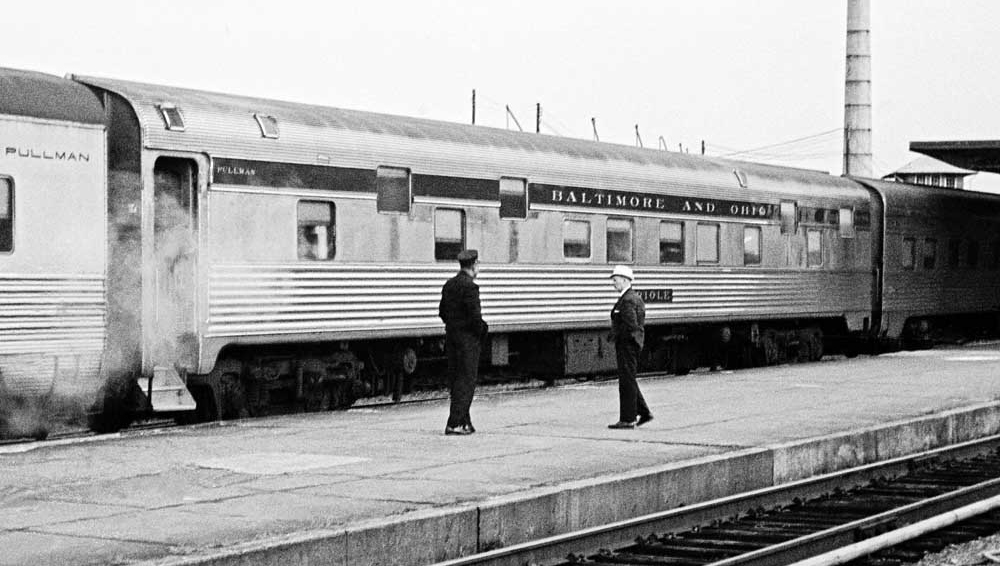
Prior to the time of the streamliners, North American passenger trains were not particularly colorful. Most sleeping cars were Pullman green, although there were exceptions; both the Pennsylvania and Canadian Pacific utilized shades of red on their passenger equipment, for example. With the arrival of streamlined lightweight equipment as of the late 1930s, a rainbow […]
Baltimore & Ohio toy train display
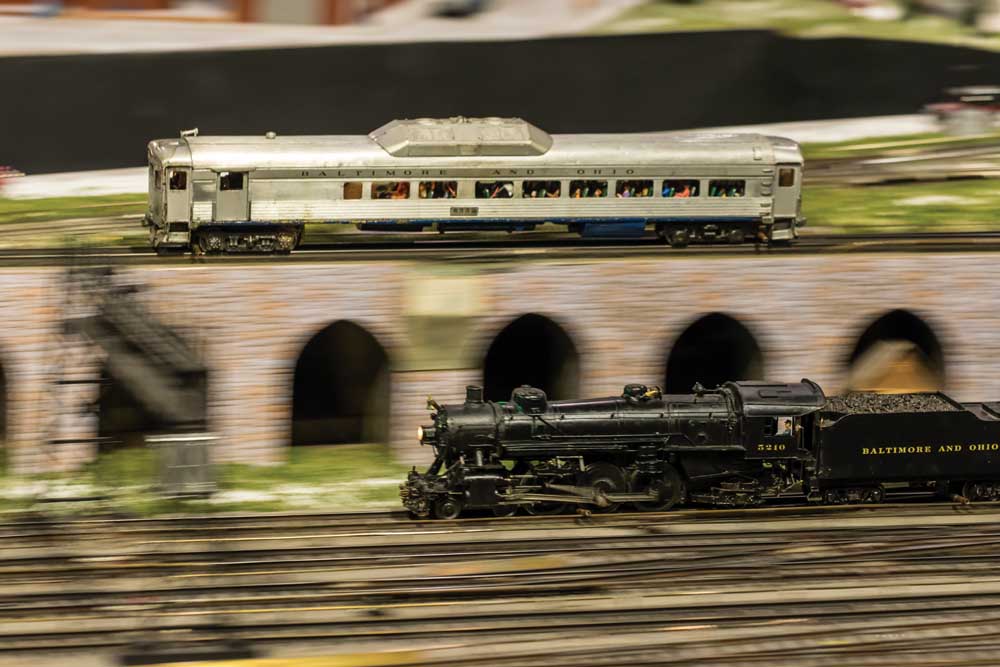
Years ago, it was not unknown for railroads to promote themselves via railroad models. This actually began in the toy train sphere of model railroading. Scale model railroading as a hobby emerged from toy trains, which began to come to prominence in the early 20th century. As evidence, I’ll cite the fact that Al […]
New York’s Hell Gate Bridge
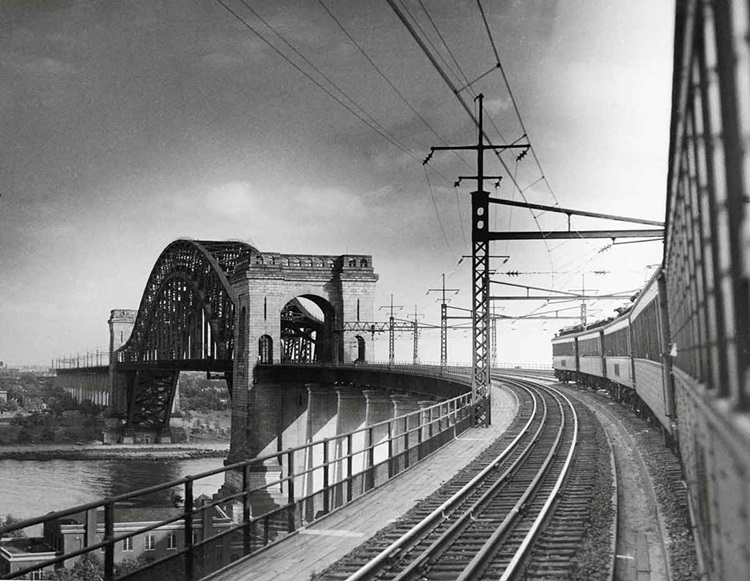
The imposing size, look, and name of New York City’s Hell Gate Bridge fits perfectly in a metropolis where one must “dress to impress” and “go big or go home.” According to Victor Hand in Classic Trains’ Fall 2021 issue, the name can be composed of three separate bridges that are connected by two viaducts […]
Budd Slumbercoaches
Budd Slumbercoaches were born of a desire to serve budget-conscious leisure travelers in the mid-20th century. As economic conditions improved during the 1920s and more people could afford to travel, there was demand for a less costly but more comfortable means of travel, particularly for the long-haul routes between Midwest and West Coast […]
Brightline conjures the glory of Florida East Coast passenger trains
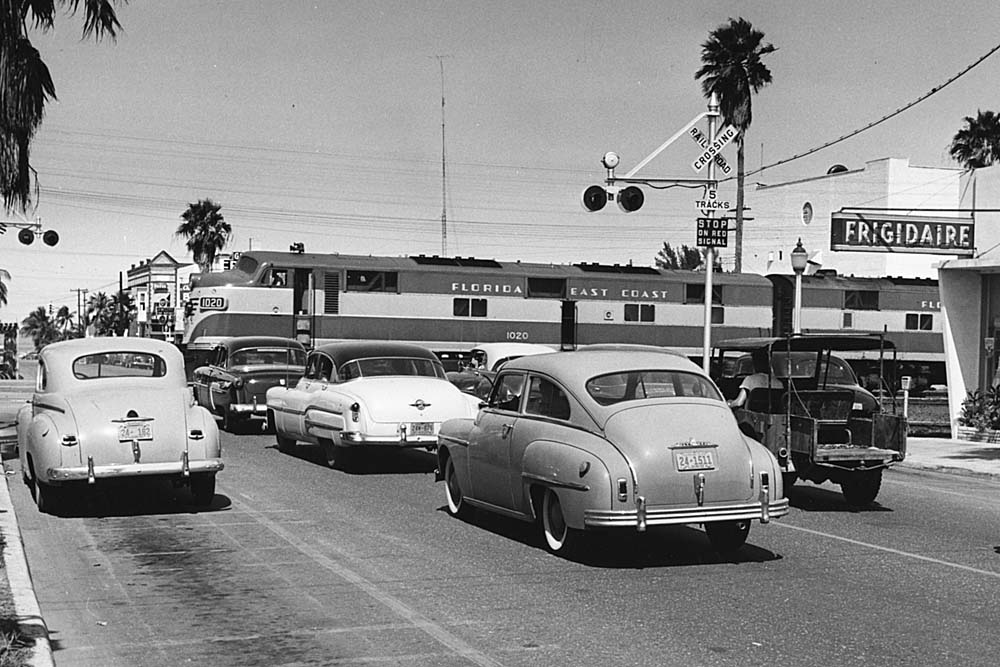
When I fell into the mileage hobby more than 35 years ago, I was late to the game but ambitious to mark up as much of my Rand McNally Handy Railroad Atlas as possible. This was around 1987, when my boss, J. David Ingles, inspired me to keep track of everything I rode, something I […]
Budd RDC model types
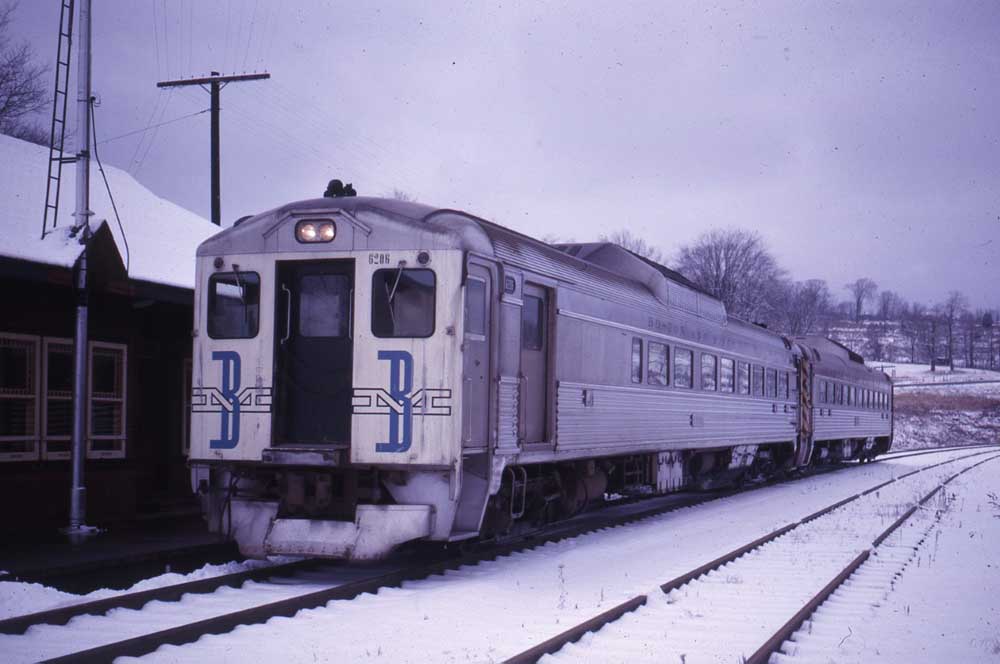
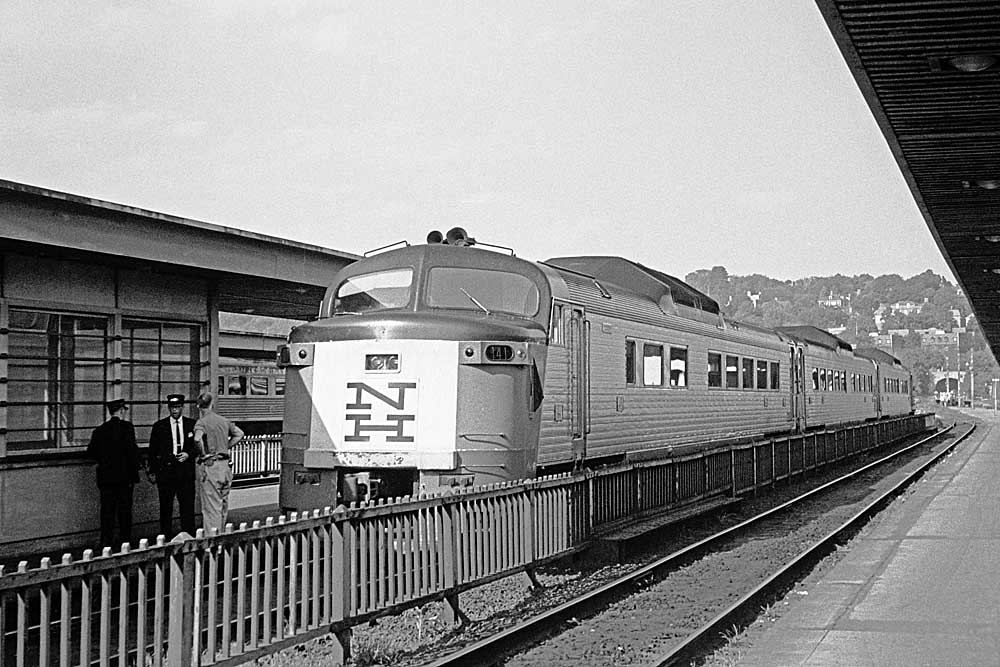
To win over the railroads with its new Rail Diesel Car (RDC), the Budd Co. wasn’t content with a single model type. In a time of declining passenger traffic during the post war years, the car manufacturer banked on multiple to meet the needs of either passenger, baggage-express or mail, as well as for all […]
How do mechanical passenger car washers work?
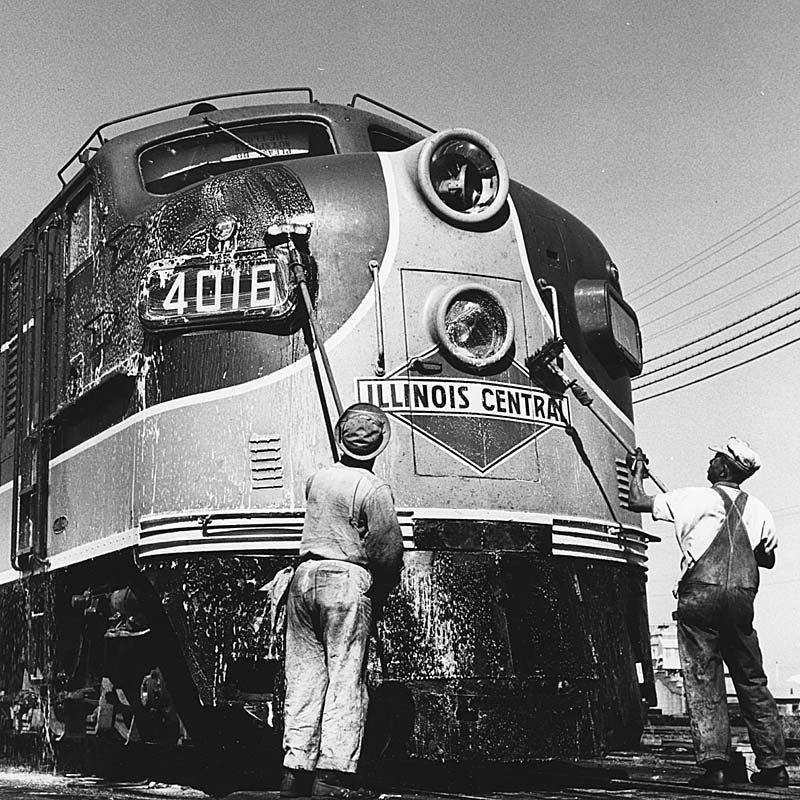
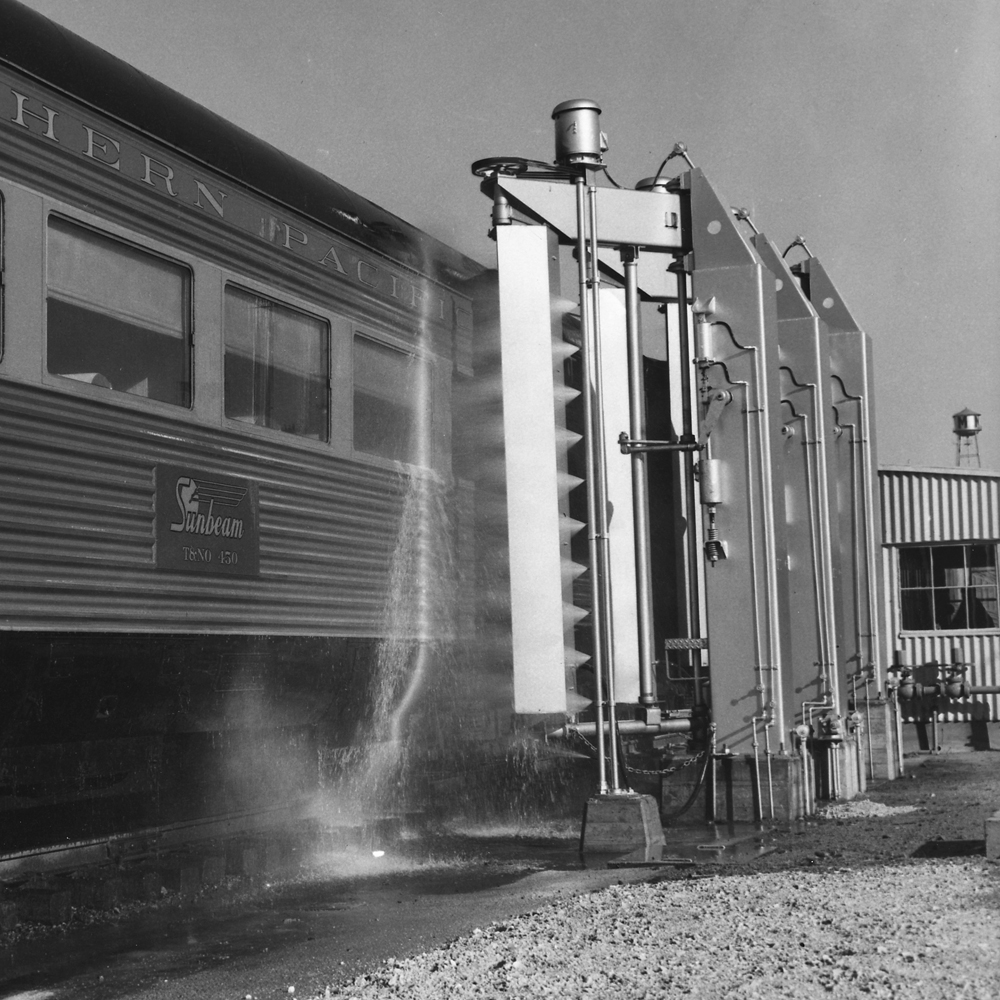
Q: How do mechanical passenger car washers work? — Steve Moore A: Keeping passenger cars clean is a never-ending battle as they’re subjected to the same dirt, dust, and grime as locomotives and freight cars. While spot cleaning, such as windows, is handled en route, extensive cleaning is handled at coach yards and larger terminals. […]
Detroit commuter trains remembered
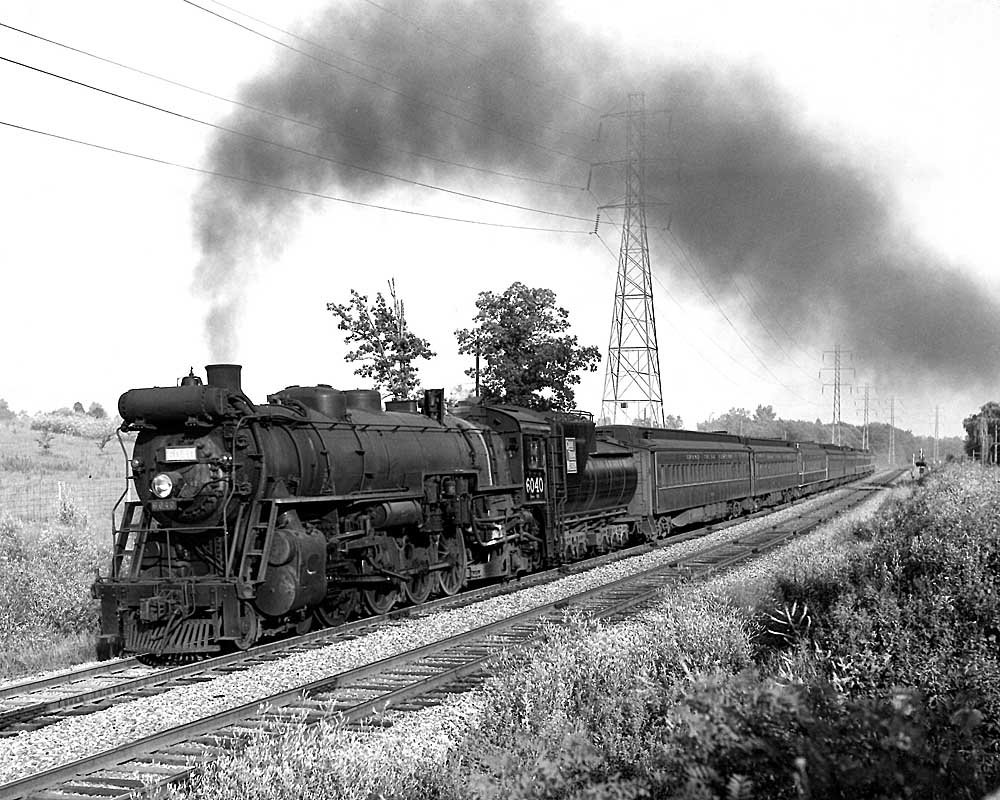
Detroit once had a robust passenger-train network that included two commuter routes that survived into the early 1980s. But when public funding of those trains ended, so did the Detroit commuter trains. Grand Trunk Western began Detroit-Pontiac commuter service on Aug. 1, 1931. Steam locomotives pulled some of the three daily roundtrips until […]
10 recognized passenger trains named for real-life people … and a horse
It’s easy to forget that a plethora of passenger trains over the years carried the names of individuals who helped shape the United States history in various ways. Amtrak has kept the tradition alive with a few names retained from previous incarnations while introducing newcomers such as the Carl Sandburg and Ethan Allen Express. From […]
Roger Williams: These Budds are for you, Providence
By the mid-1950s, the economic “Passenger Problem” was haunting U.S. railroads in a material way. In addition, older equipment continued to wear out and require replacement. Had this been a non-regulated business, that alone probably would have ended much of intercity passenger service, since there was no real prospect of making a return on investment. […]