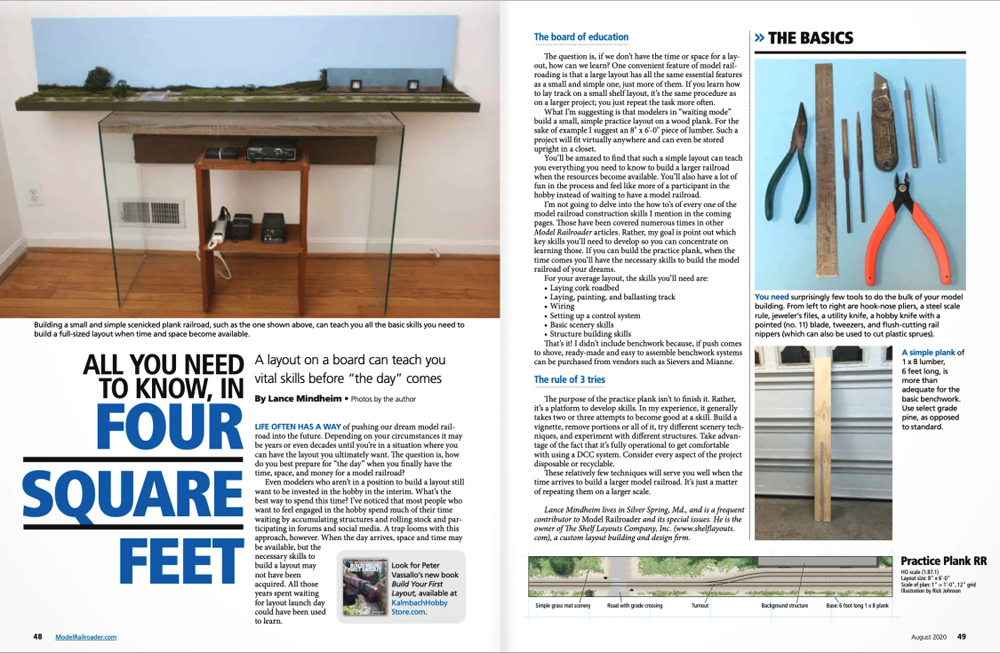

A skill-building layout

Opening spread of magazine article.

Q: I recall an article from a few years back that was about setting up a minimalist layout set on a bookshelf or board. It was intended as a quick and easy way to get started in the hobby, especially for those who don’t have a lot of space. I believe it used an NCE […]

Read More…

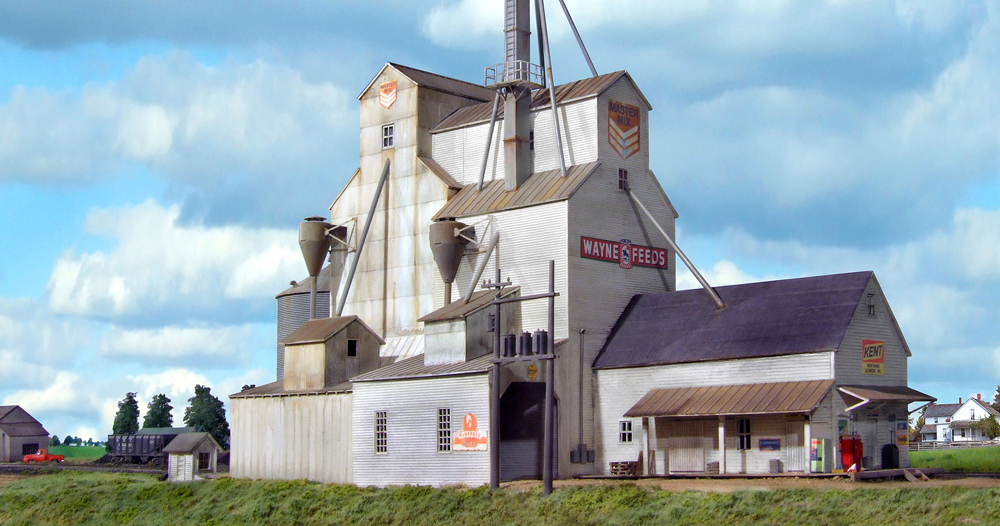
5 tips for great rural scenery

A model grain elevator structure on a model railroad layout

Last month we took a look at modeling urban scenery. This time around, we’ll step back from the big city and focus on rural scenery. I spent my formative years in the Red River Valley of the North, which was dotted with small towns up and down the Minnesota and North Dakota sides of the […]

Read More…

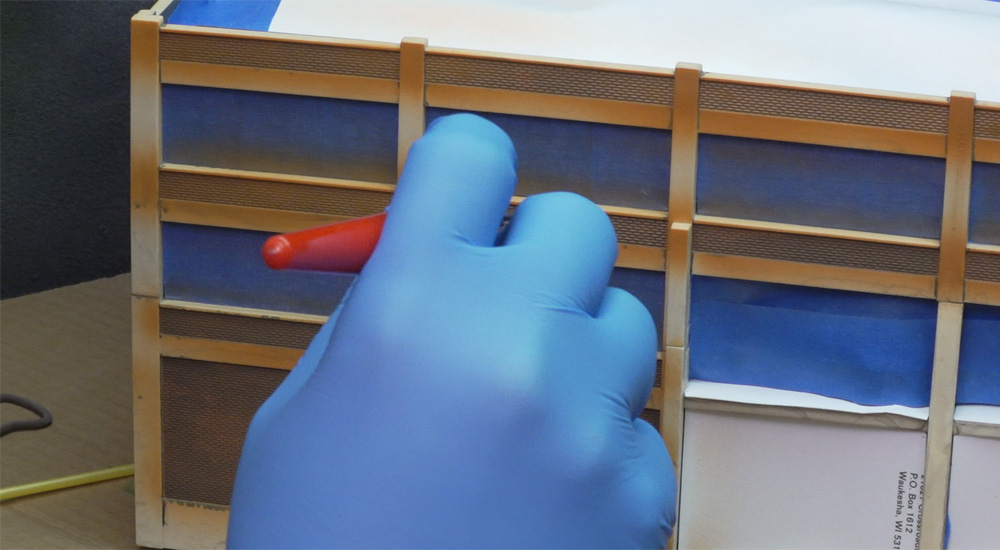
What causes a rough finish on an airbrushed structure?

A blue-gloved hand airbrushes brick red paint on a plastic model of a factory

Q: I wonder if you could offer some ideas as to what might have caused a rough finish on an airbrushed structure. The prototype’s facade has white enameled panels, which I made by scribing lines in white styrene. The rest of the exterior is gray with a concrete block pattern, which I also modeled in […]

Read More…

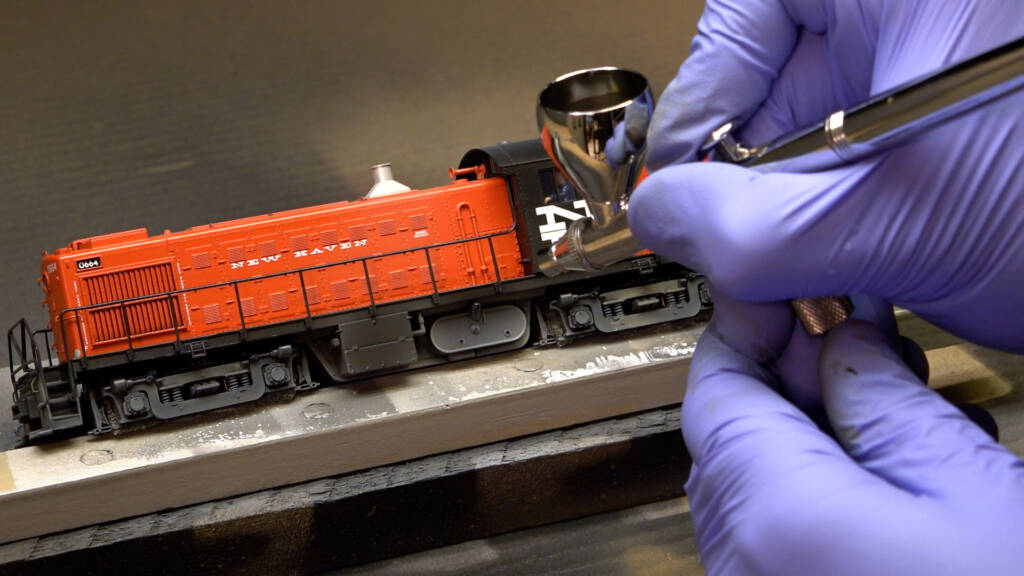
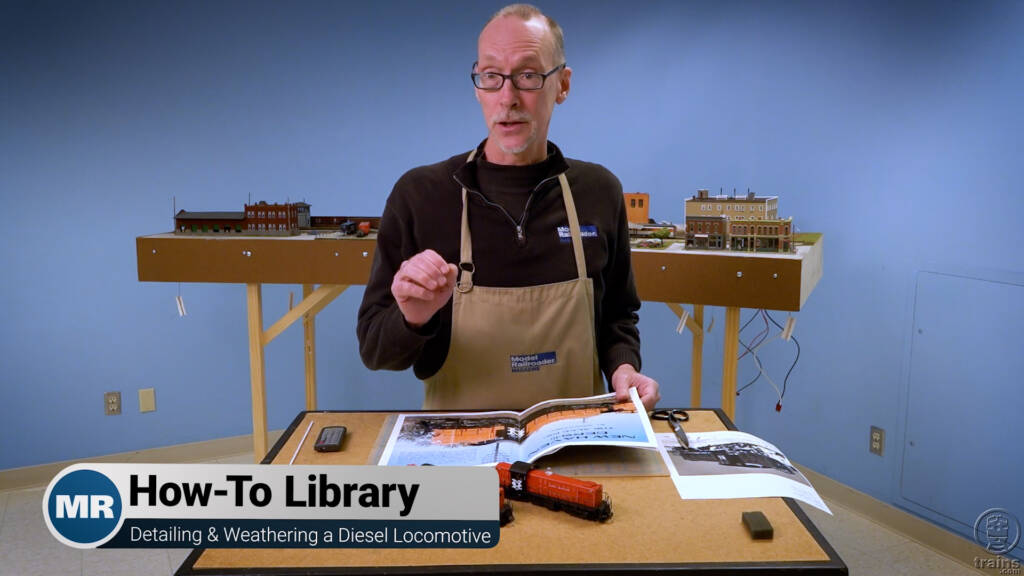
How-to Library | Detailing and weathering a diesel locomotive, Part 1

David recently installed new DCC decoders into his HO scale (1:87.1) Alco RS1 diesel locomotives. Now it’s time make what’s shiny and new appear more weathered, worn, and authentically detailed for the modeled era of operation. Follow along as David gets you started through the steps required to install realistic, fine details, before he begins […]

Read More…

Beginner’s guide to airbrushing

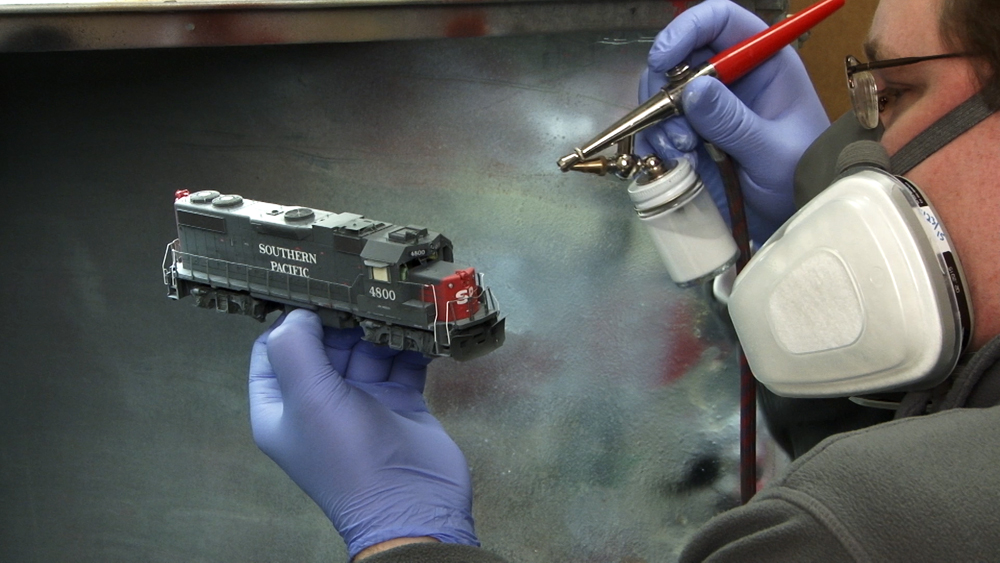
Photo of man painting HO scale diesel locomotive in spray booth.

In my 20-plus years with Model Railroader magazine, I’ve written several how-to articles on airbrushing. Some have focused on using the tool to re-create models you can’t find on the shelf, such as “How to paint multi-color locomotives” in the September 2013 issue. Others, including “How to weather coal hoppers” in December 2012, have demonstrated […]

Read More…

10 household items for model railroading

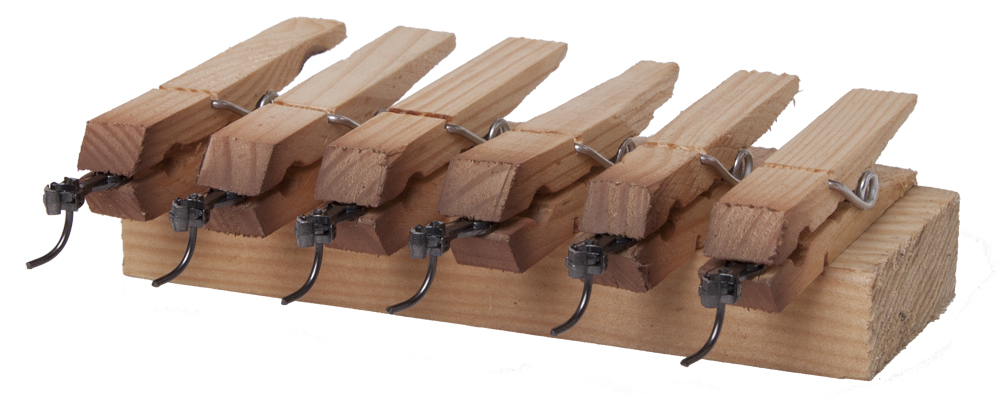
Color photo showing six clothespins with modified tips attached to wood block.

Though the hobby has evolved throughout the decades, one theme has remained constant: Model railroaders are a resourceful bunch. There are many in the hobby community who have a knack for looking items not for what they are, but for what they might become. In this article, we’ll take a look at 10 household items […]

Read More…

5 layout improvement tips

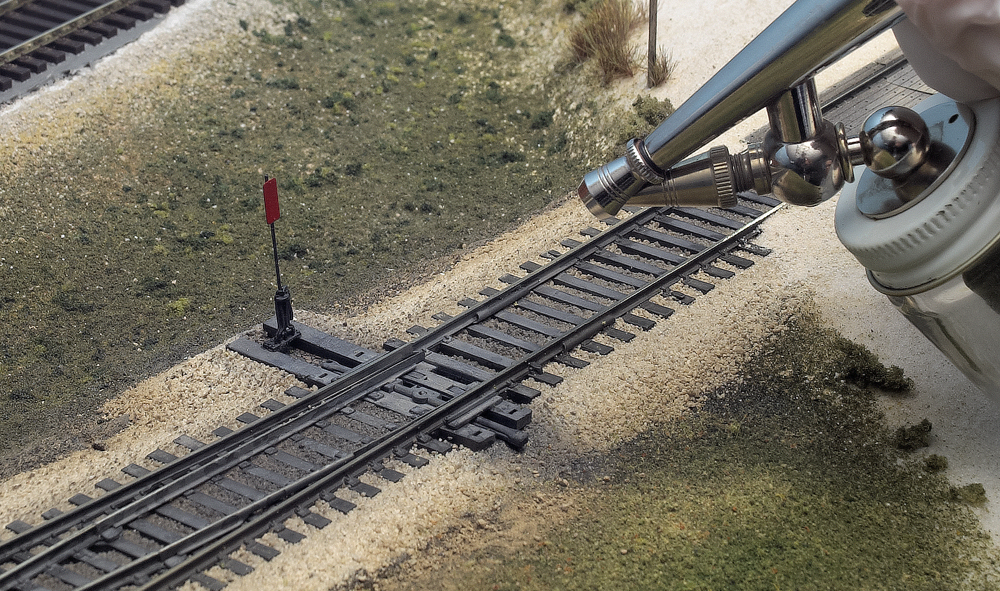
Color photo of airbrush being used to weather HO scale track.

Regardless the size, model railroads require regular maintenance. Cleaning track, dusting scenery and structures, and maintaining equipment are just some of the things that require attention. Not keeping up on these tasks will lead to a layout that runs poorly, looks tired, and potentially cause you (and/or members of your operating crew) to lose interest. […]

Read More…

What are you working on?

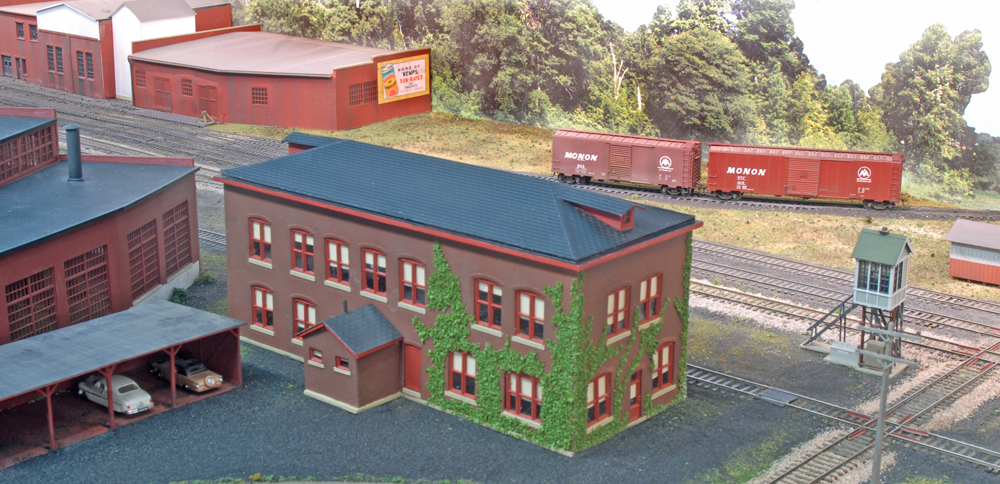
Color photo of two-story brick railroad office on model railroad.

Through our Trains.com website and the pages of Model Railroader magazine, you get a pretty good idea of what some of the hobby’s well-known names are working on. But not everything they do becomes an article for the website or magazine. In “What are you working on?” I surveyed some of our regular contributors to […]

Read More…

Foam-coated freight cars

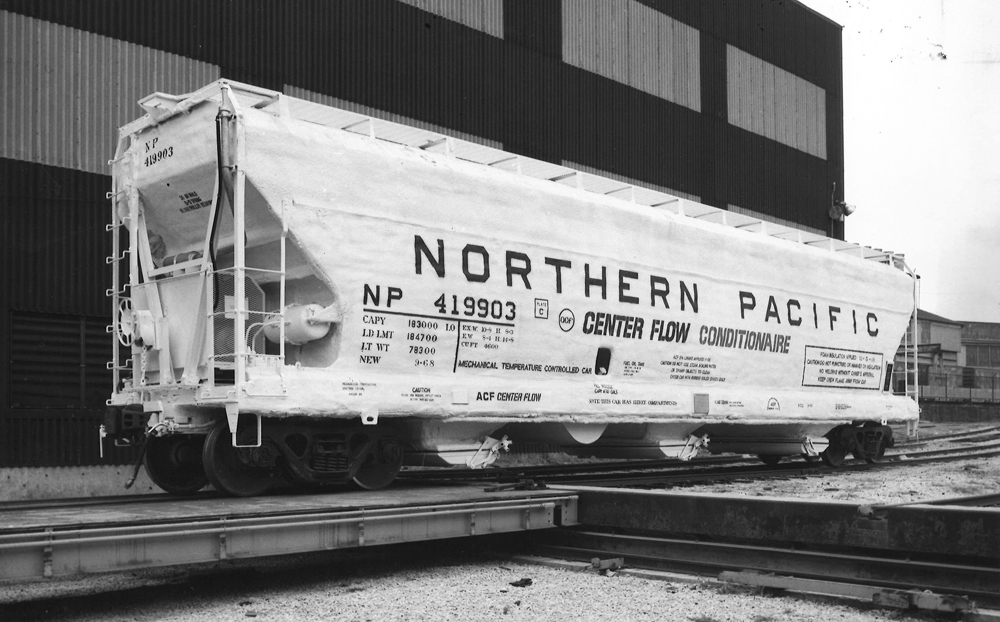
Black-and-white image of three-bay covered hopper.

Today, home insulation is probably the first thing that comes to mind when you hear people talk about spray-on foam. But in the 1960s and ’70s, railroads wanted to see if the material’s insulating properties could be leveraged on rolling stock. Would foam-coated freight cars change the way perishable materials were transported by rail? Might […]

Read More…