
Prototypes and modeling terminology explained
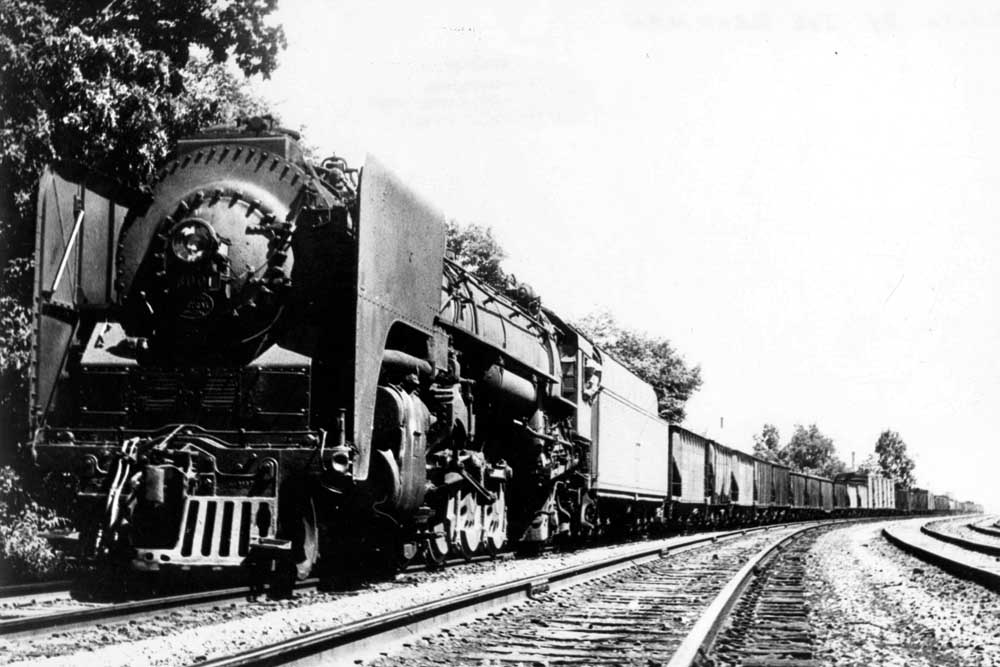
New York Central 3001 steam locomotive with freight train on curve

It can be difficult to get started in the hobby of model railroading. The terminology a beginner needs to learn is daunting for some, particularly for those without experience with or knowledge of prototype railroading. This article explains prototypes and modeling terminology for beginner model railroaders, or those looking to brush up on their model […]

Read More…

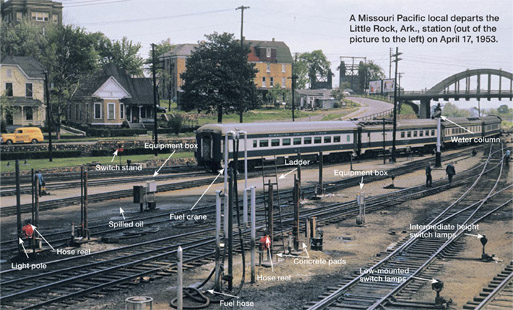
A simple transition-era locomotive terminal

Want to add a basic locomotive servicing area but don’t have room for the turntable, roundhouse, and other shop and warehouse buildings typical of a large facility? As this 1953 photo of a Missouri Pacific RR fueling facility in Little Rock, Ark., shows, a no-frills fueling area can easily be modeled in limited space. At […]

Read More…

Modeling concrete railroad bridges with real cement

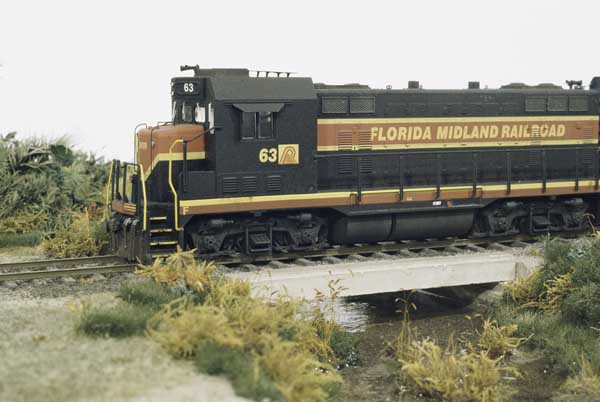
A precast concrete bridge spans a small creek on the Florida Midland RR.

A precast concrete bridge spans a small creek on the Florida Midland RR. Lance Mindheim describes how he modeled this bridge using anchor-bolt cement and styrene sheet molds. Replicating the color striations, texture, chips, and cracks of concrete with paint and styrene is tricky at best. On the flip side, the texture of most concrete […]

Read More…

Good wiring practices

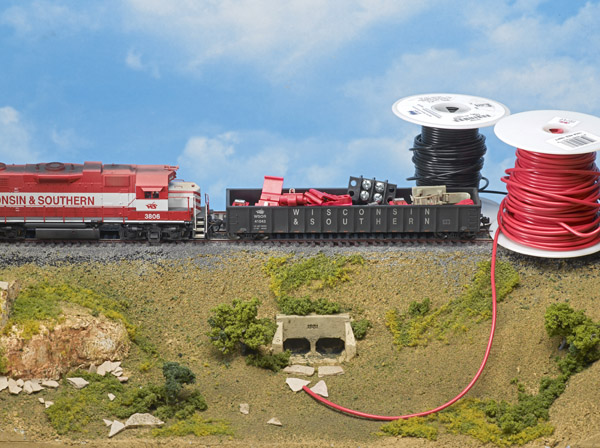
Running trains with Digital Com-mand Control (DCC) is a lot of fun, and it can make operating a model railroad an enjoyable experience. However, all those DCC elec­tronic components and sound decoders don’t mean much if you can’t get a reliable signal to the tracks. When it comes down to it, nickel-silver rail is a […]

Read More…

Development of the railroad tank car

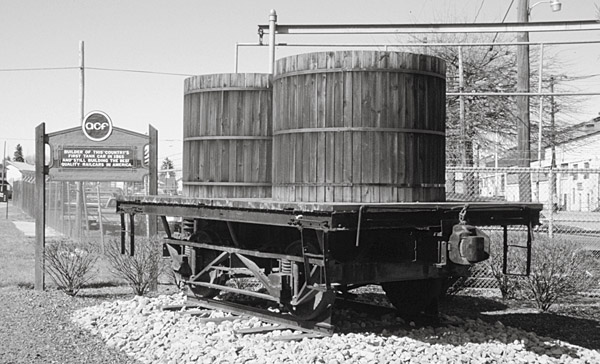
The first tank car. This replica of a Densmore-type tank car is on display at the ACF Industries plant in Milton, Pa.

The invention of the tank car coincided with the discovery of oil in northwestern Pennsylvania in the 1860s. Oilmen quickly discovered that hauling oil to market in horse-drawn wagons or floating barrels down local streams wasn’t going to do the job as oil production ramped up. The oil industry needed to find a way to […]

Read More…

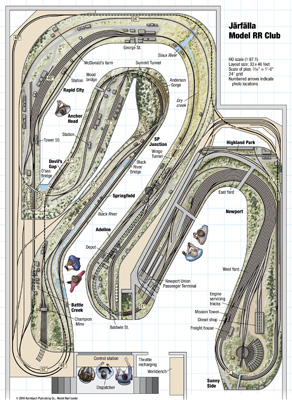
Järfälla Model Railroad Club

Name: Järfälla Model Railroad Club Scale: HO (1:87.1) Size: 33 x 46 feet Theme: generic American Era: variable Style: walkaround Mainline run: 360 feet Minimum radius: 47″ Minimum turnout: no. 6 Maximum grade: 2 percent (main), 3.5 percent (branch line) Originally appeared in the March 2010 issue of Model Railroader. Click on the link to […]

Read More…

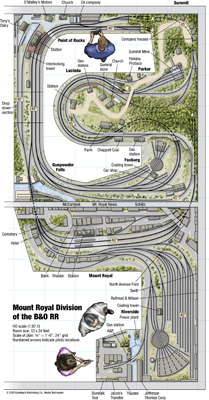
Mount Royal Division of the Baltimore & Ohio RR

Name: Mount Royal Division of the Baltimore & Ohio RR Scale: HO (1:87.1) Size: 12 x 24 feet Prototype: freelanced based on Baltimore & Ohio RR Locale: Maryland and Pennsylvania Era: 1940 to 1948 Style: walk-in with liftout Mainline run: 65 feet Minimum radius: 20″ (34″ on main) Minimum turnout: no. 4 Maximum grade: 3 […]

Read More…