
Planting structures

Learn how to seamlessly integrate model buildings into your train layout. Discover techniques for adding realistic dirt, gravel, and ground cover to establish a firm foundation, free of visible gaps, for nearly any structure. Also be sure to follow the exclusive In The Workshop series for tips, tricks, tools, and clever insights, as demonstrated by various members of Trains.com […]

Read More…

The Hills Line with James McNab | Methods for handlaying track, Episode 16

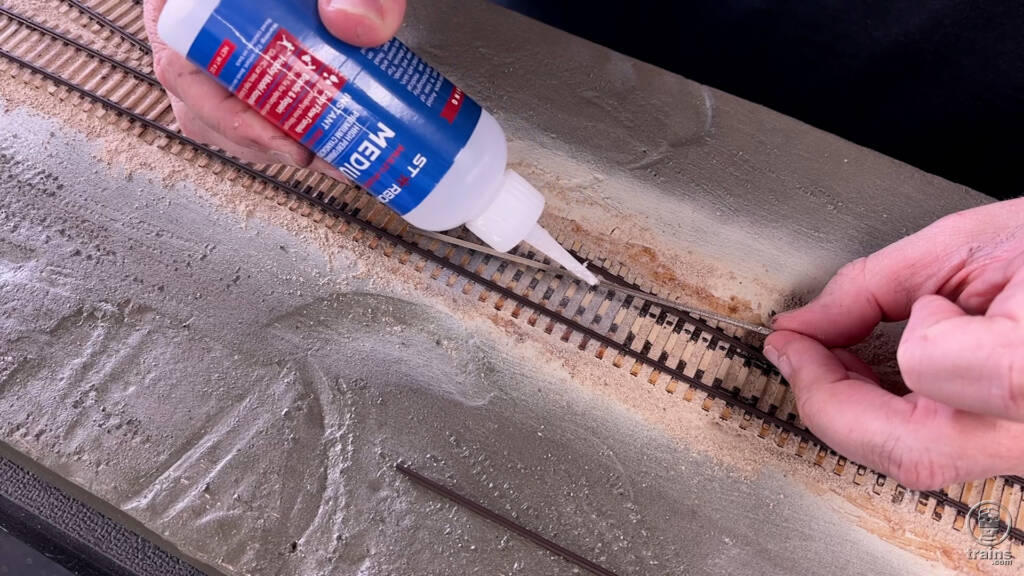
A person is applying glue to pieces of model railroad track

Host James McNab explores methods for handlaying track on his portable HO scale Hills Line module, including spiking, using adhesive and pinning. He shares his experiences and challenges with each method, with the aim of helping viewers find the best approach for their own projects. This episode is a practical guide for model railroaders, offering […]

Read More…

Simplifying body-mounted couplers

MRRNS0720_01

Simplifying body-mounted couplers: Former editor Neil Besougloff used to accuse me of trying to convert all N scale modelers to using body-mounted couplers. He was joking – I think – but I’m not mounting such a campaign. For 90 percent of you, using truck-mounted, body-mounted, or a mix of both would make little difference. Your […]

Read More…

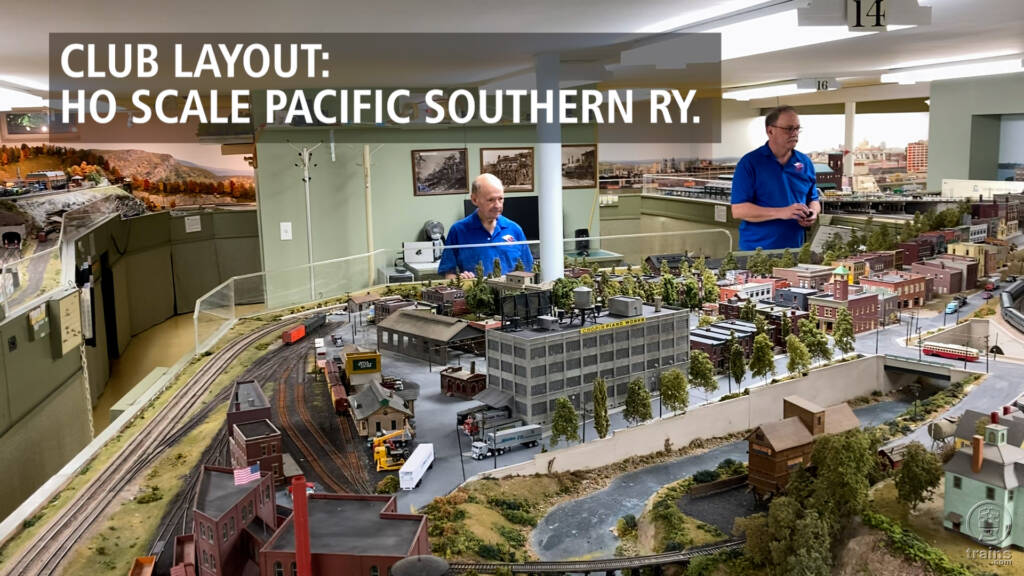
Pacific Southern Railway in HO scale

With a mainline run of more than 1,000 feet, this freelanced HO scale (1:87.1) club layout is quite impressive! But the fact that the established Pacific Southern Railway Club 501(c)(3) nonprofit raises funds for a local emergency services definitely makes this model railroad a stand-out/stand-up amongst some of the finest in the hobby! To learn […]

Read More…

How to make ‘good enough’ better

MRRNS0320_01_edited1

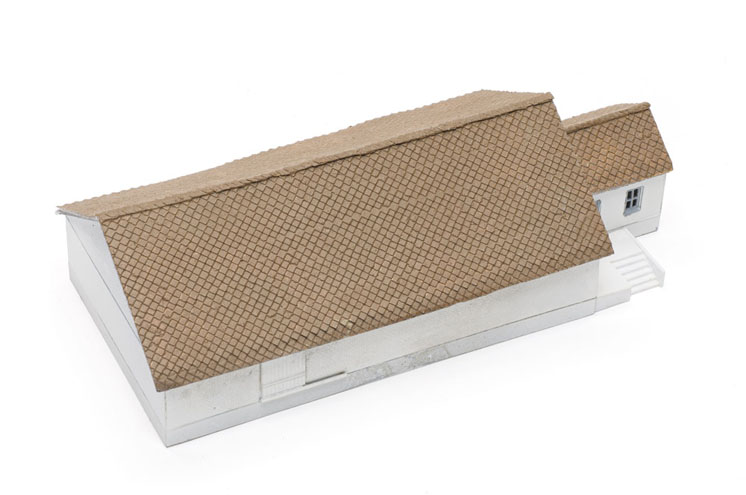
How to make ‘good enough’ better: The N scale shipping house shown here isn’t finished, but I want to make a point about the roof, namely the diamond-pattern shingles. They were made from laser-cut paper by GC Laser and laid one row at a time. That was a modeling decision I ordinarily wouldn’t make because […]

Read More…

Dirt and N scale layouts

MRRNS0719_01

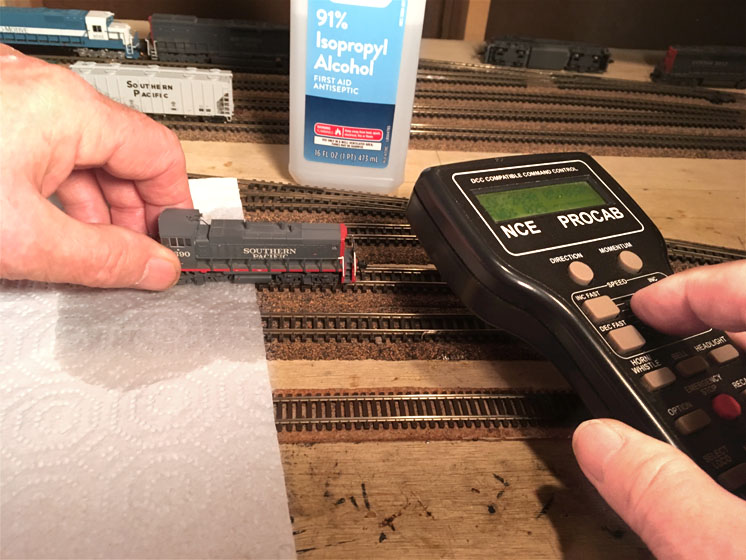
Dirt and N scale layouts: A locomotive model won’t run if current doesn’t pass from the rails to the pickup wheels. “Duh,” you may say, but that fact isn’t necessarily obvious, especially to younger people who haven’t tinkered with mechanical or electrical devices to the extent previous generations did. Filthy track can look clean The […]

Read More…

The Hills Line with James McNab | Adventures in tracklaying, Episode 15

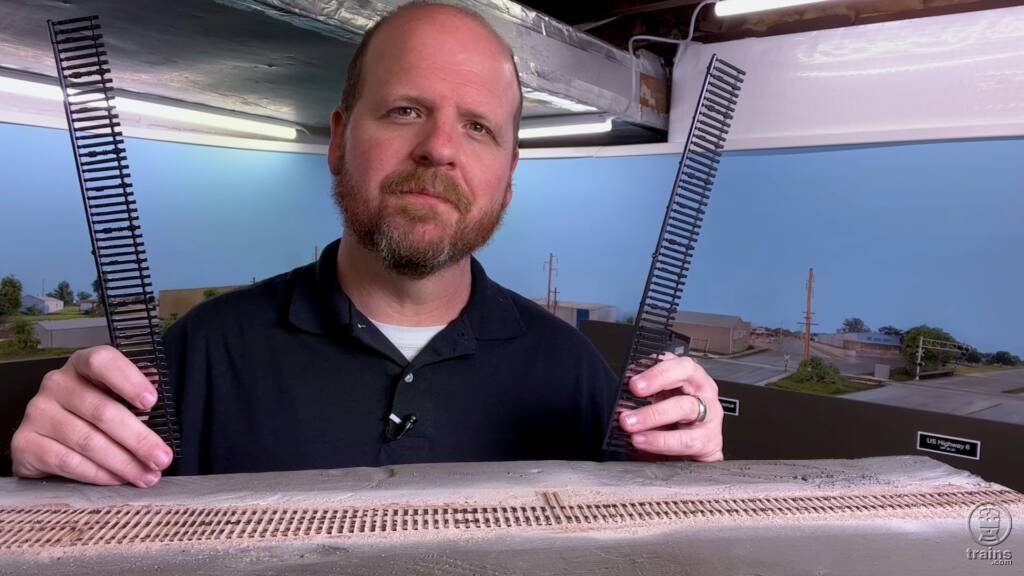
In this episode, Host James McNab embarks on a journey to elevate model railroading skills by exploring cutting-edge methods. Specifically featuring the use of Central Valley tie strips to build hand laid trackwork. With the objective of encouraging modelers to employ fresh techniques, James demonstrates the process on his portable HO scale Hills Line module, […]

Read More…

Disassembling N scale diesel locomotives

MRRNS0919_01

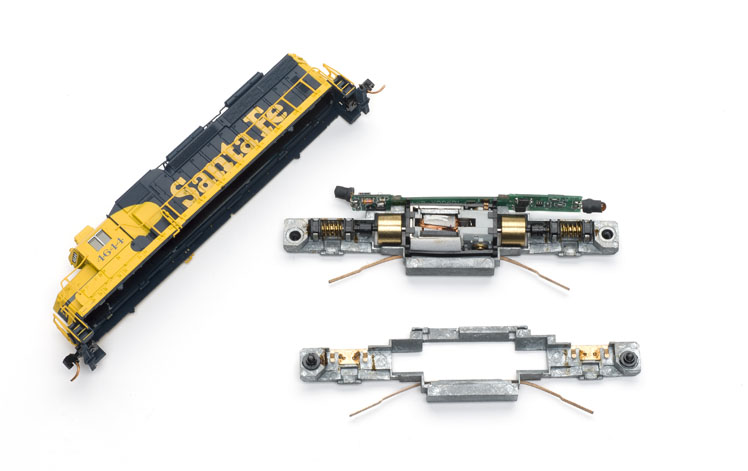
Disassembling N scale diesel locomotives: In the 1990s, Kato pioneered its classic, vertically split-frame design. Since then, probably more than 80% of the N scale locomotives made, regardless of manufacturer, have followed (in fact, downright copied) that approach, meaning that if you’ve learned how to work on one of them, you can work on nearly […]

Read More…