
Why did railroads use train orders?
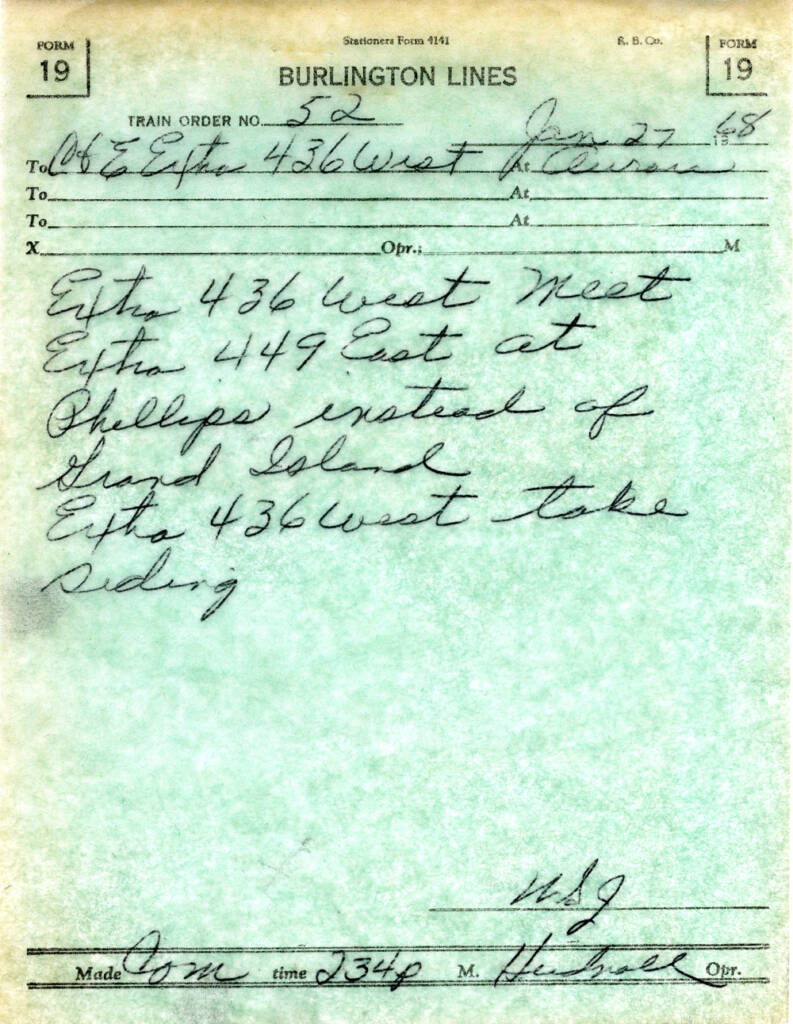
Scan of train order with information written in pen.

If you’ve read Model Railroader or many of our books and special issues, you’ve probably seen references to timetable-and-train-order operation, or TTTO for short. Employee timetables (ETT) that governed TTTO operation listed station names, mileposts, train numbers and classes, departure and arrival times, and operating instructions, among other items, to govern train movements. So why […]

Read More…

Planning a modular show layout with LEGO

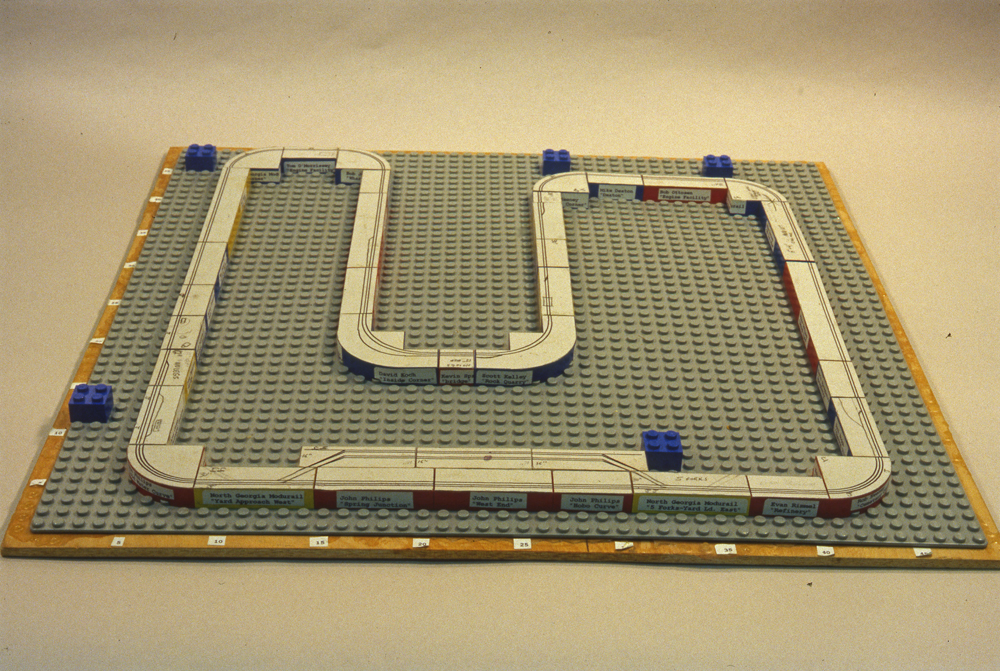
A group of LEGO module bricks in place on the planning board

When I joined North Georgia Modurail, I noticed early on that the club had a hard time planning show layouts. The layout would be planned on paper, but inevitably changes had to be made at the last minute. My inspiration came while watching my 4-year-old son play with his LEGO. The bricks were a small-scale […]

Read More…

Finding inspiration for model railroad layouts on social media

A screenshot of the homepage of

Sometimes, an idea for a layout strikes like a bolt of lightning. You can see everything, from the benchwork to the yard design to the topography. All you have to do is build. Occasions like that, though, are infrequent. More often than not, modelers require inspiration at one point or another in the process of […]

Read More…

10 household items for model railroading

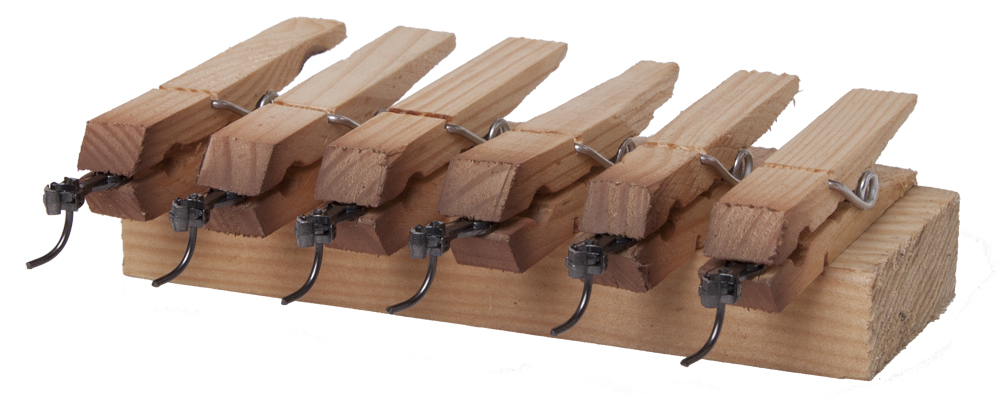
Color photo showing six clothespins with modified tips attached to wood block.

Though the hobby has evolved throughout the decades, one theme has remained constant: Model railroaders are a resourceful bunch. There are many in the hobby community who have a knack for looking items not for what they are, but for what they might become. In this article, we’ll take a look at 10 household items […]

Read More…

How can I use an Arduino on a model railroad?

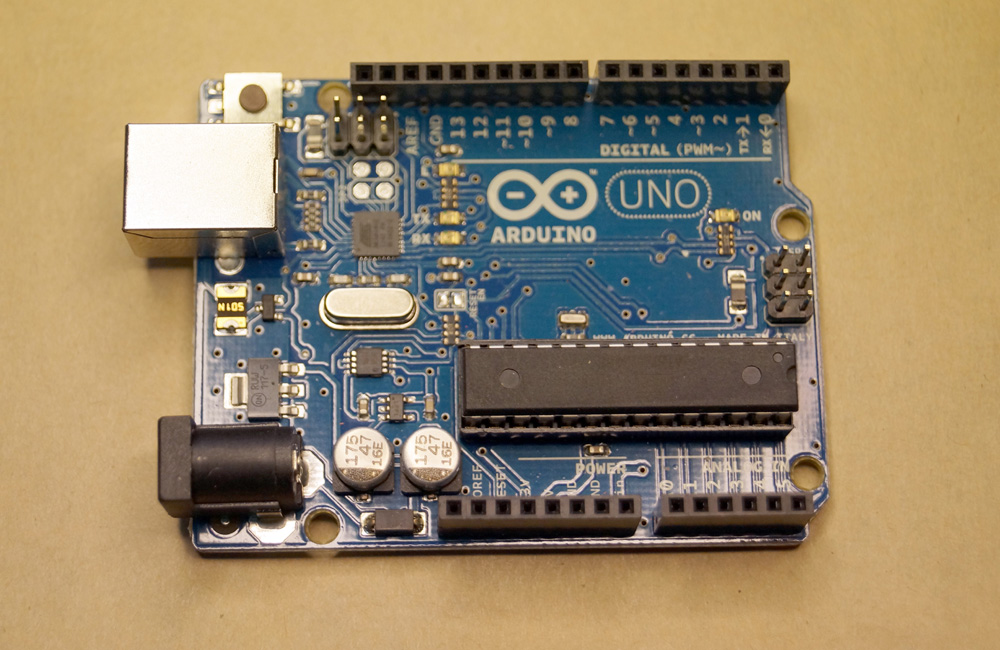
A small, square, blue circuit board labeled “Arduino Uno”

Q: In your Ask MR question “Is there a way to automatically slow DCC locomotives?” you mentioned Arduino, a DCC-connected programmable system. Is that like Java Model Railroad Interface (JMRI) software, and if so, how do the two compare? — Bruce Fogwell A: Hi, Bruce. Arduino isn’t software — it’s hardware. An Arduino is a tiny computer, […]

Read More…

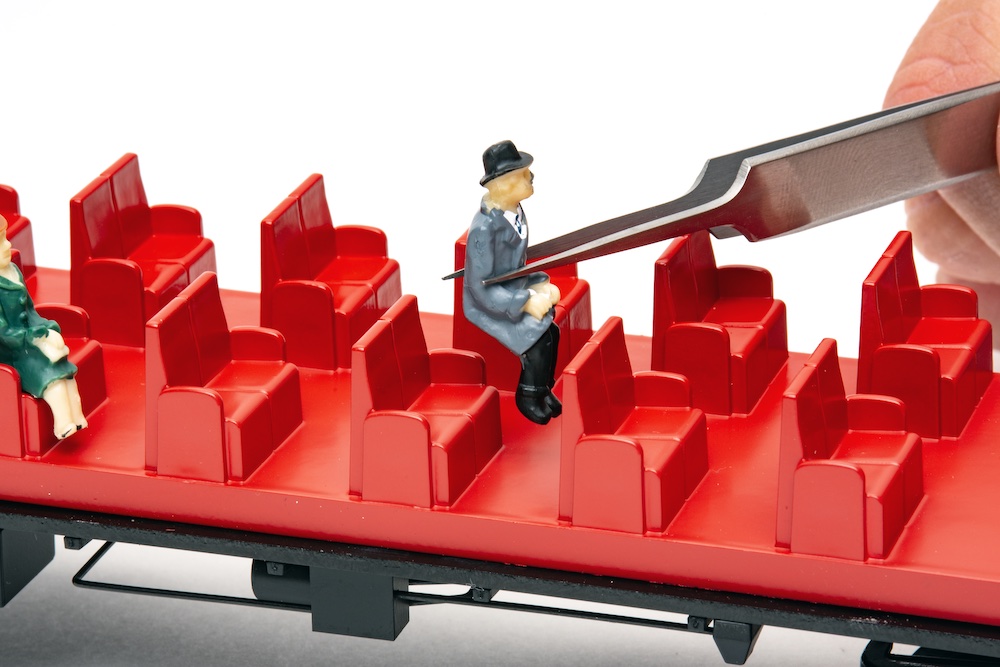
Installing figures in Lionel’s 21″ passenger cars

Scaled figure being placed onto plastic molded seat with tweezers

Lionel Trains’ 21″ passenger cars have been a staple in the manufacturer’s lineup of O-scale, 3-rail products for some time. A common censure though has been the lack of previously installed passengers upon purchase, leaving empty seats that need to be filled. From disassembly to reassembly, this project is easier to accomplish than I initially […]

Read More…

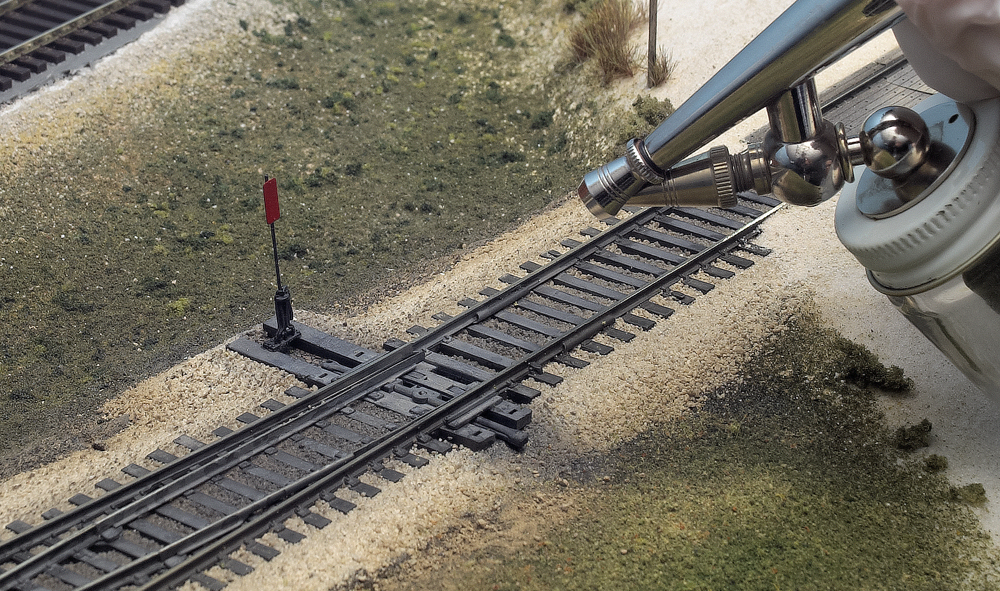
5 layout improvement tips

Color photo of airbrush being used to weather HO scale track.

Regardless the size, model railroads require regular maintenance. Cleaning track, dusting scenery and structures, and maintaining equipment are just some of the things that require attention. Not keeping up on these tasks will lead to a layout that runs poorly, looks tired, and potentially cause you (and/or members of your operating crew) to lose interest. […]

Read More…

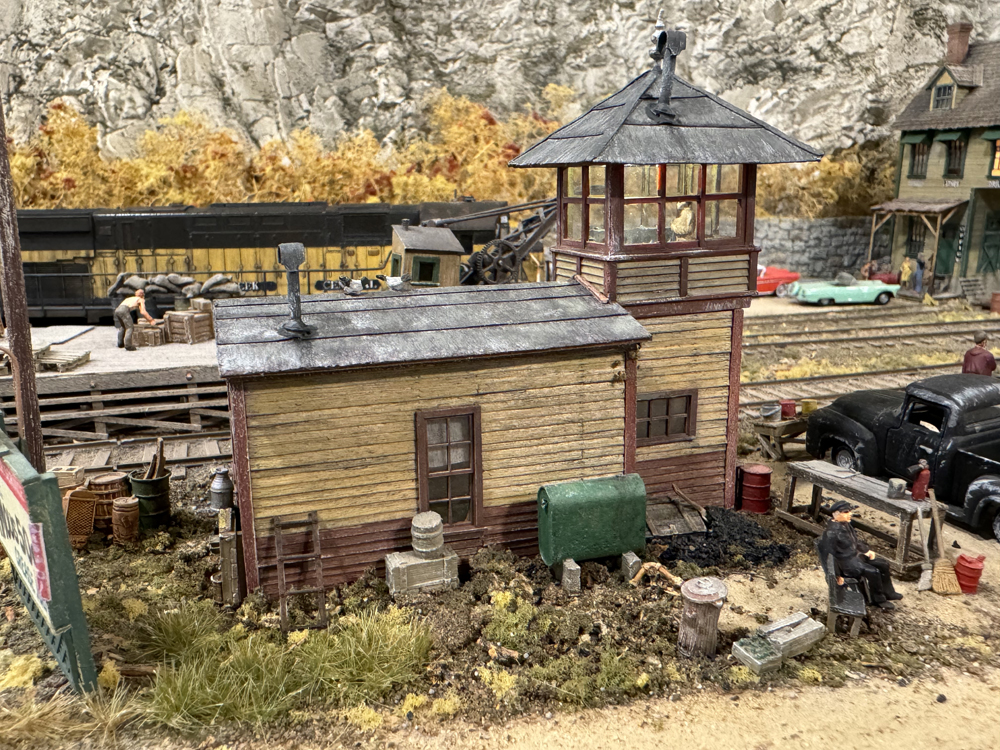
Build a yard office with an HO Atlas elevated gate tower

Model railroad building with yellow and red faded paint, as well as silver tweezer holding small red trim board.

While sifting through my “someday” project box, I found an old Atlas elevated gate tower.  I’ve had this little plastic structure since my earliest days in the hobby, but it’s been a number of years since I’ve used it on a layout. Despite its rough shape, I pulled it out of the box thinking it […]

Read More…

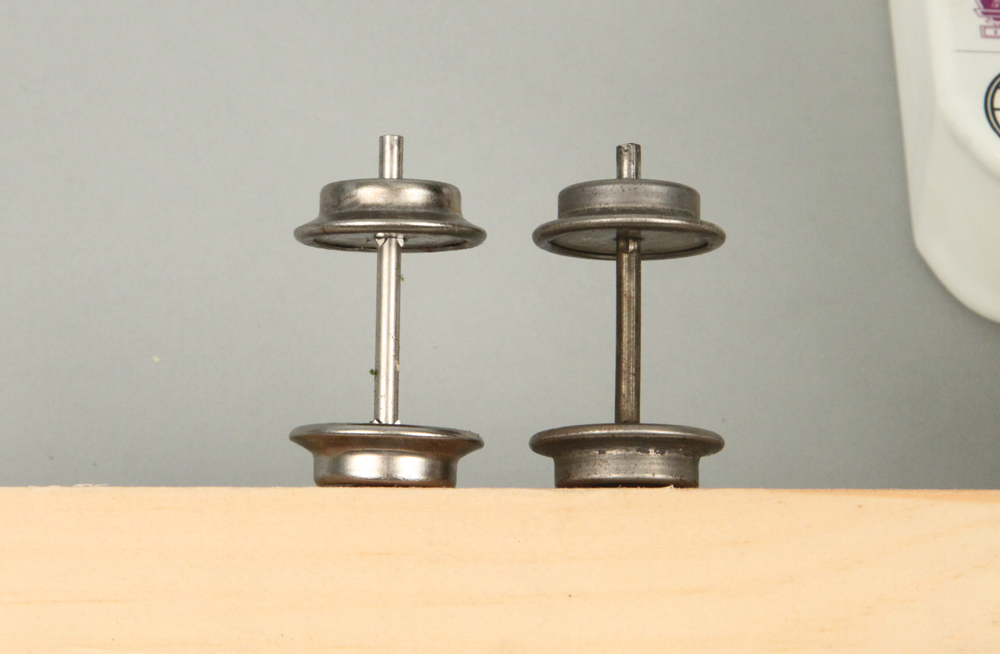
How to pack trains for moving

Color photo of HO scale freight cars.

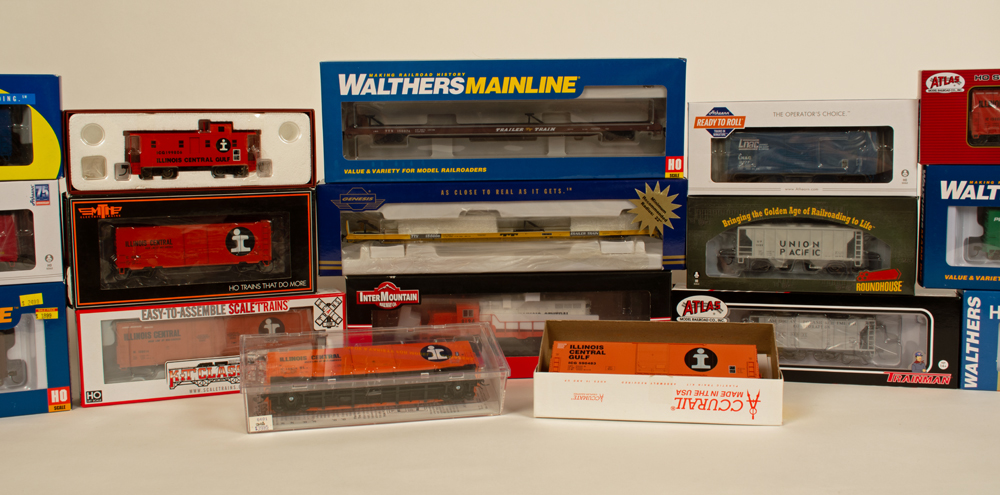
At some point in your life, you will most likely move. For some it may be to a new residence across town. For others it might be several states away, or perhaps another country. In addition to moving furniture, clothes, and other household items, you’ll need to prepare your trains for transport. In this article, […]

Read More…

How to pet-proof a model railroad layout

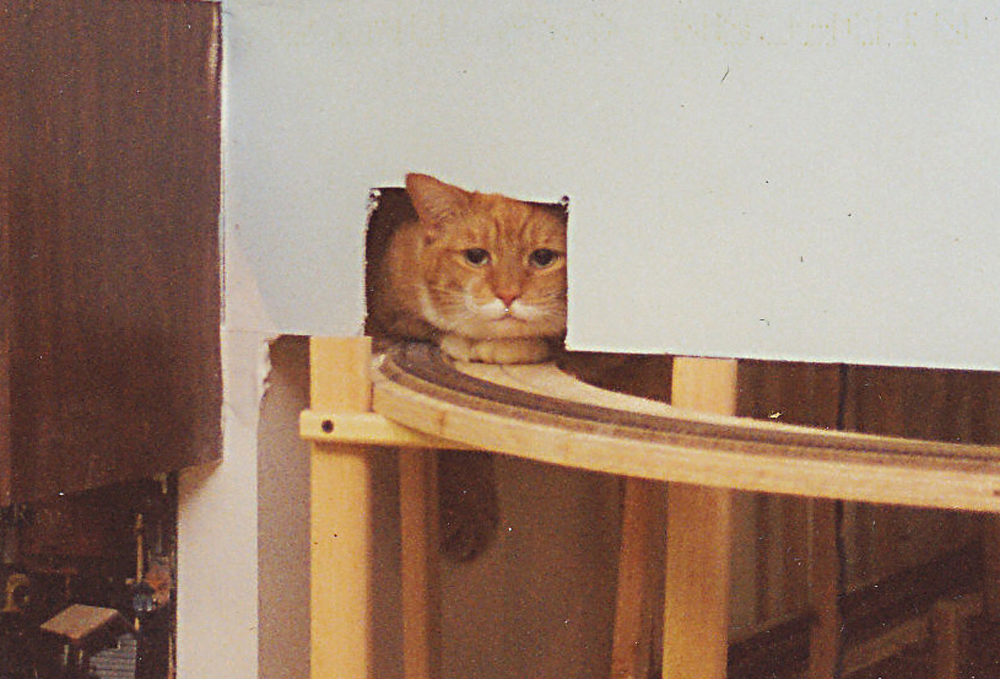
A cat looks through the tunnel on a model railroad layout

Living with a model railroad and a dog or cat isn’t always easy. The animals don’t know the difference between your toys and theirs, and can wreak havoc on scenery, models, or your workbench.  Animals love to chew on natural materials and unfortunately, many scenery products are made of those. But peaceful coexistence is possible […]

Read More…