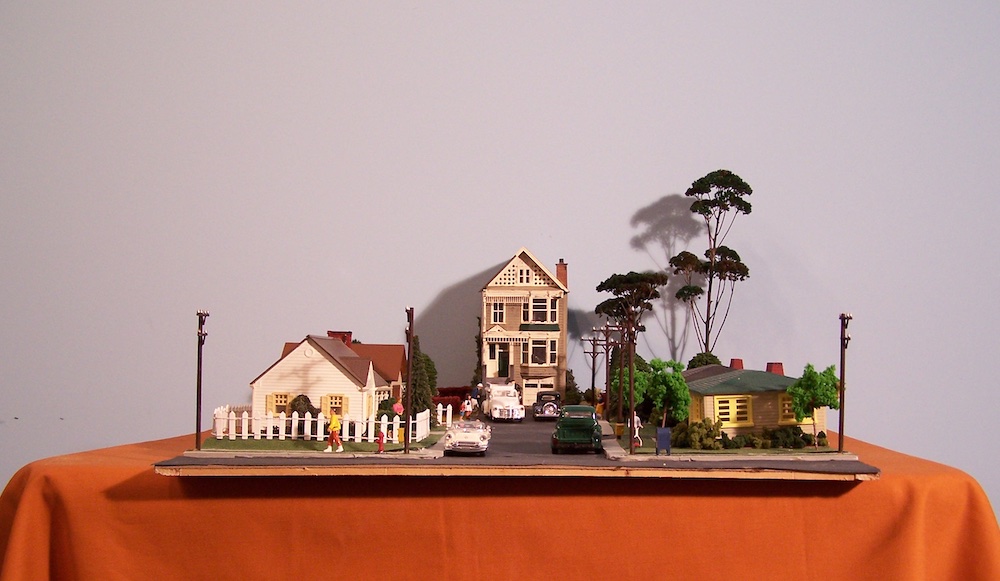

A skill-building layout

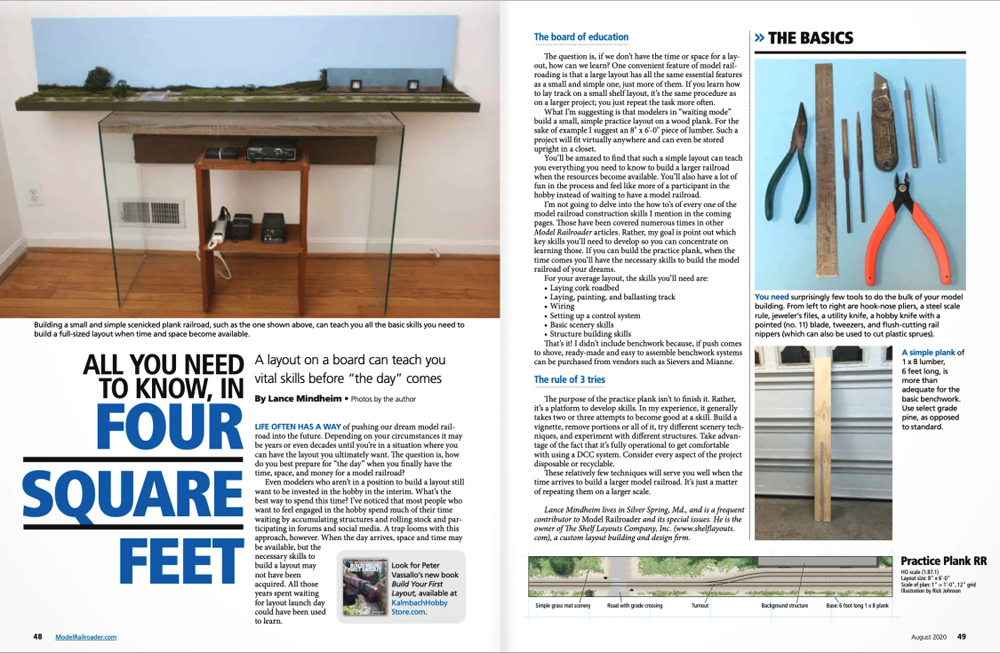
Opening spread of magazine article.

Q: I recall an article from a few years back that was about setting up a minimalist layout set on a bookshelf or board. It was intended as a quick and easy way to get started in the hobby, especially for those who don’t have a lot of space. I believe it used an NCE […]

Read More…

Trains.com Insider Exclusive | Interview with Howard Hitchcock CEO of Lionel

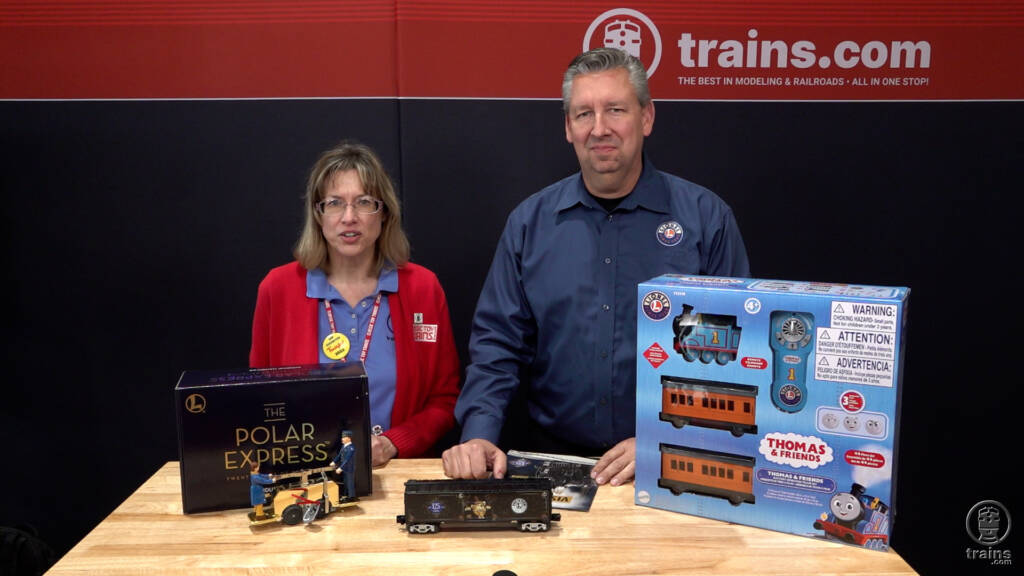
woman and man standing behind table with toy train items on the table

Howard Hitchcock, CEO of Lionel, talks about Lionel’s 125th anniversary, as interviewed by Classic Toy Trains Editor Rene Schweitzer. Howard was kind enough to give us some time to talk about their anniversary, new products, virtual events, and show us some brand-new anniversary items in this video! You don’t want to miss this exclusive video […]

Read More…

Trains.com Insider Exclusive | Interview with Curtis Koch of Broadway Limited Imports

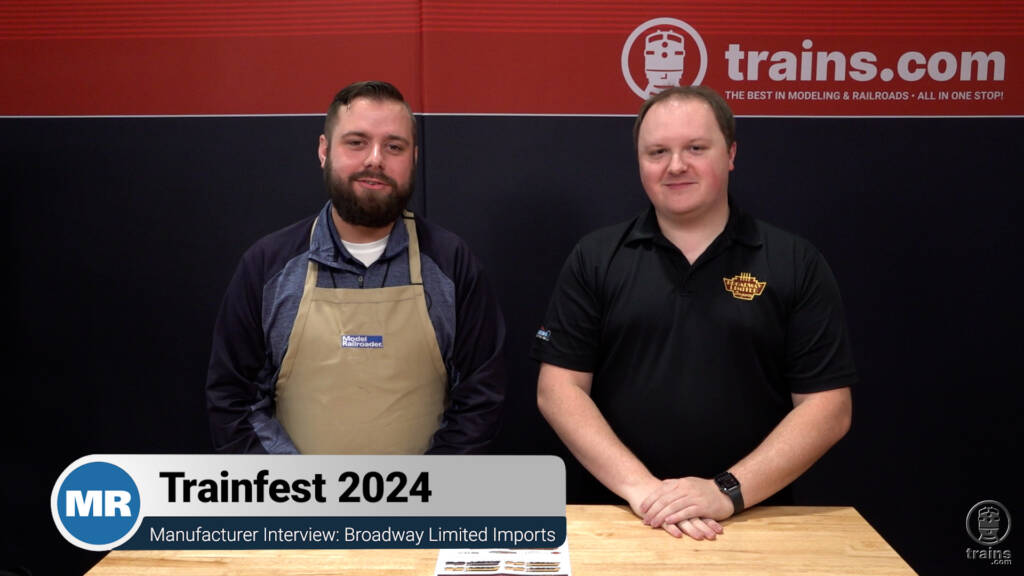
Join Trains.com staffer Bryson Sleppy, as he hosts Curtis Koch of Broadway Limited Imports for an insightful interview at Trainfest 2024 in Milwaukee, Wis. Listen in, as Curtis shares news and specifics regarding new product releases from this notable HO and N scale model railroad manufacturer! Watch additional behind-the-scenes interviews from Trainfest 2024! […]

Read More…

Make building signs from polyester labels

google search results

Make building signs from polyester labels: In our hobby, the little things can make a big difference. When adding buildings to our railroads, it’s details like signs that help us determine if it’s the local drug store or the donut shop. Signs also clue us in to what era the railroad is set in.  I […]

Read More…

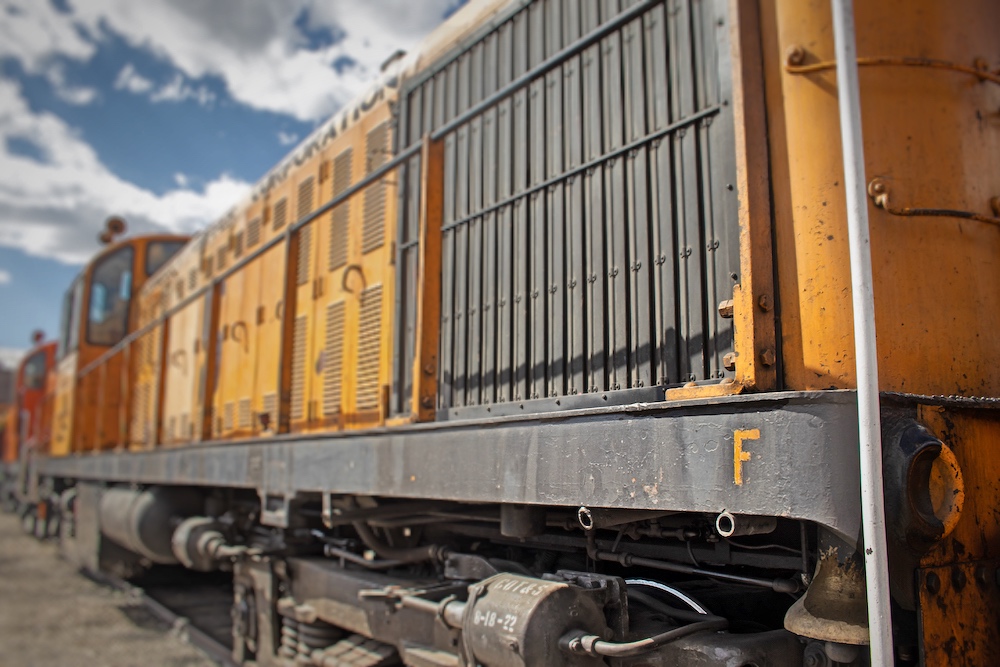
“F” stands for Front

A close-up image of the side of a yellow and black disel switch engine, showing the letter F stenciled on the frame

If you look closely at a diesel locomotive, you’ll see the letter “F” stenciled near the stairs. As obvious as it seems, the “F” stands for Front, and it’s required under the Railroad Locomotive Safety Standards section of the Code of Federal Regulations (CFR). Title 49 CFR Part 229.11 reads, “The letter “F” shall be […]

Read More…

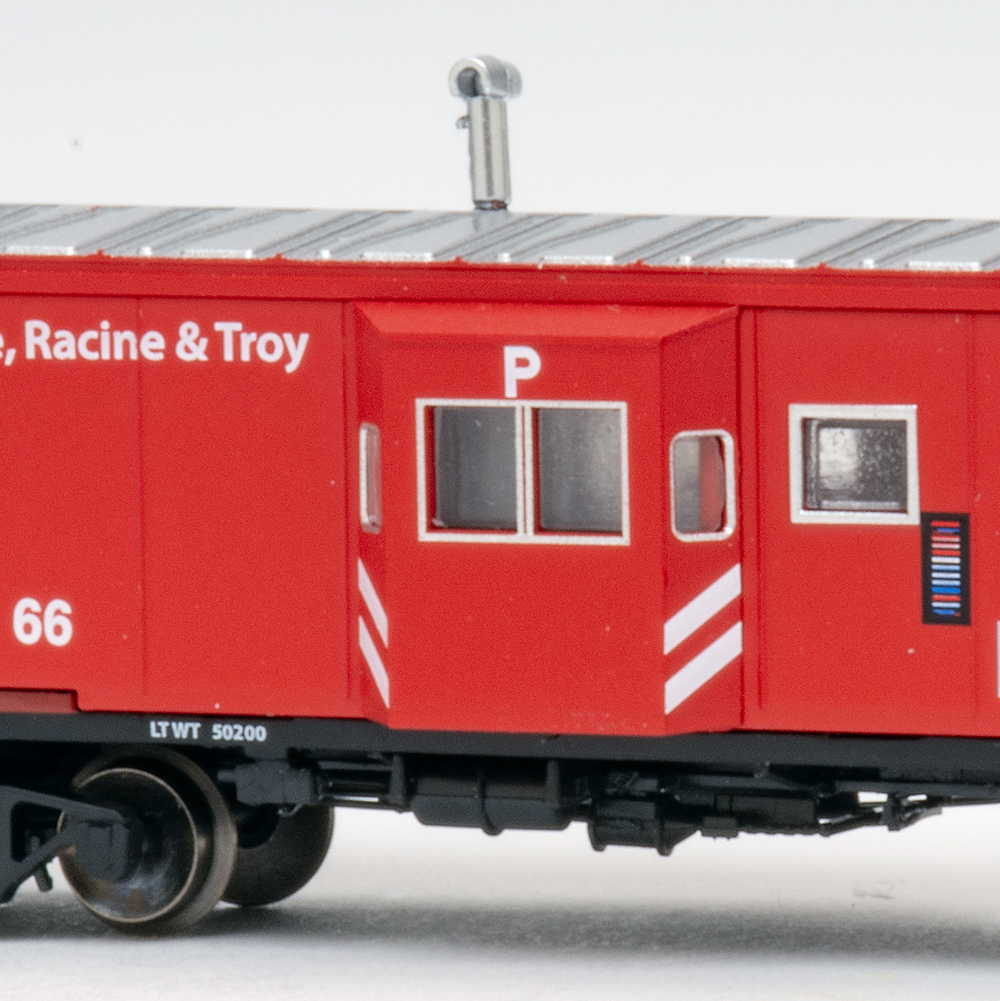
What is a pool caboose?

Color photo of N scale caboose painted red, black, and silver.

Q: I recently ordered one of the Milwaukee, Racine & Troy N scale bay-window cabooses from Shop.Trains.com. What does the “P” on top of the bay window stand for? — R. Anderson A: The “P” indicates it’s a pool caboose, one not assigned to an individual conductor or specific crew. Former Senior Editor Jim Hediger […]

Read More…

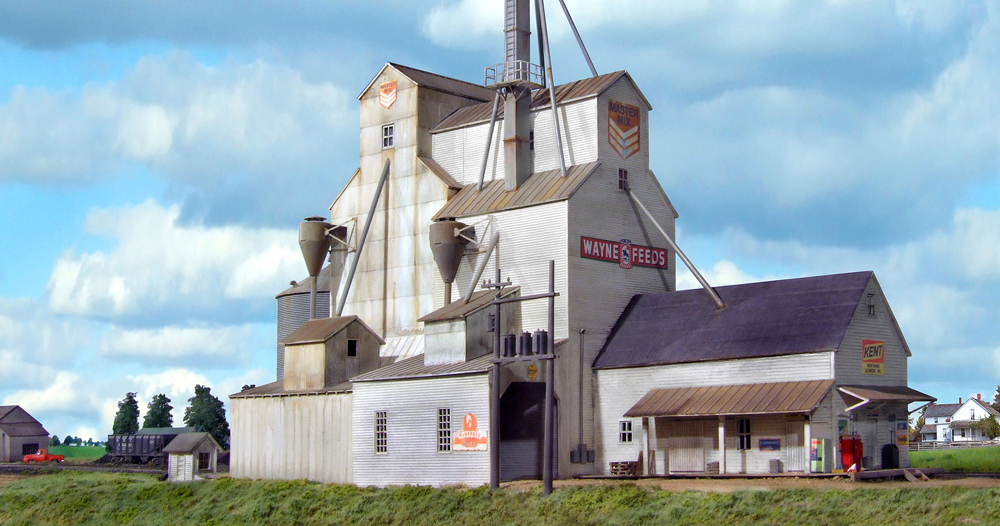
5 tips for great rural scenery

A model grain elevator structure on a model railroad layout

Last month we took a look at modeling urban scenery. This time around, we’ll step back from the big city and focus on rural scenery. I spent my formative years in the Red River Valley of the North, which was dotted with small towns up and down the Minnesota and North Dakota sides of the […]

Read More…

Build a small portable module

small layout module on tabletop

Perhaps you don’t have the space to build a layout but still want to build “something.” Maybe your layout is already built but you’re looking to renovate a scene or section. Or there might be a show coming up and you want to highlight a scene or show off an animated feature. The solution to […]

Read More…

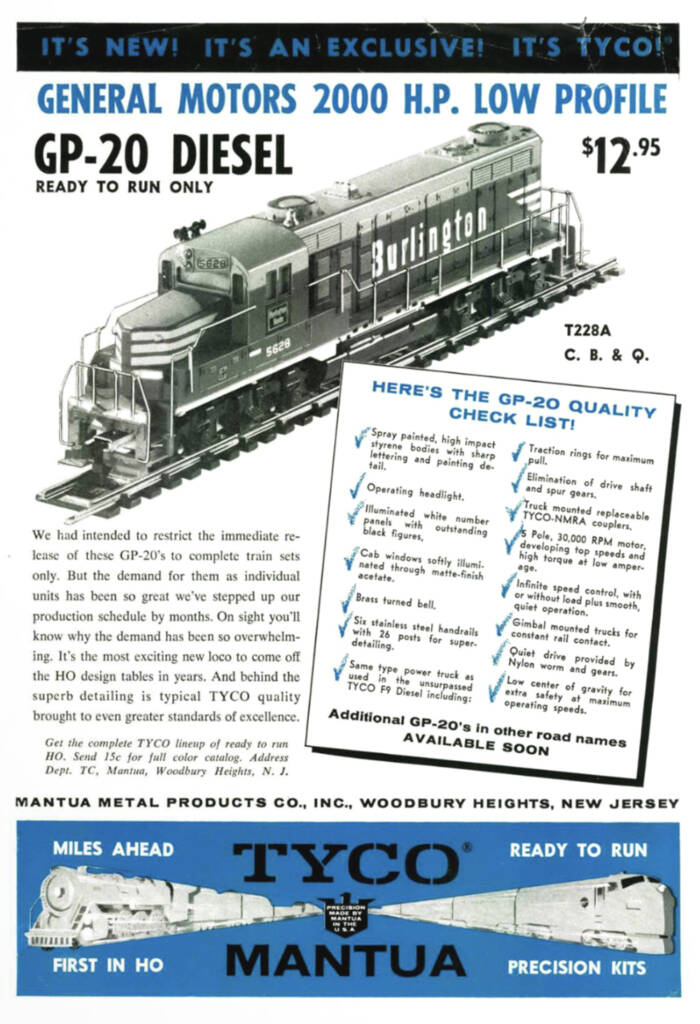
Notable model train products from the early 1960s

Black, white, and blue vintage advertisement page with a large toy train diesel locomotive photo at the top, a white and black box of inset text and sales points, and a blue band at the bottom with black and white text and two gray illustrations of speeding trains heading in opposite directions.

One of my favorite things to do while eating lunch is to pull out an old volume of Model Railroader magazine and page through it. Lately, I’ve been working my way through the decade of the 1960s, often posting things I’ve rediscovered to MR’s Facebook page under the heading of “Lunchtime Reading.” Editor Linn Westcott […]

Read More…

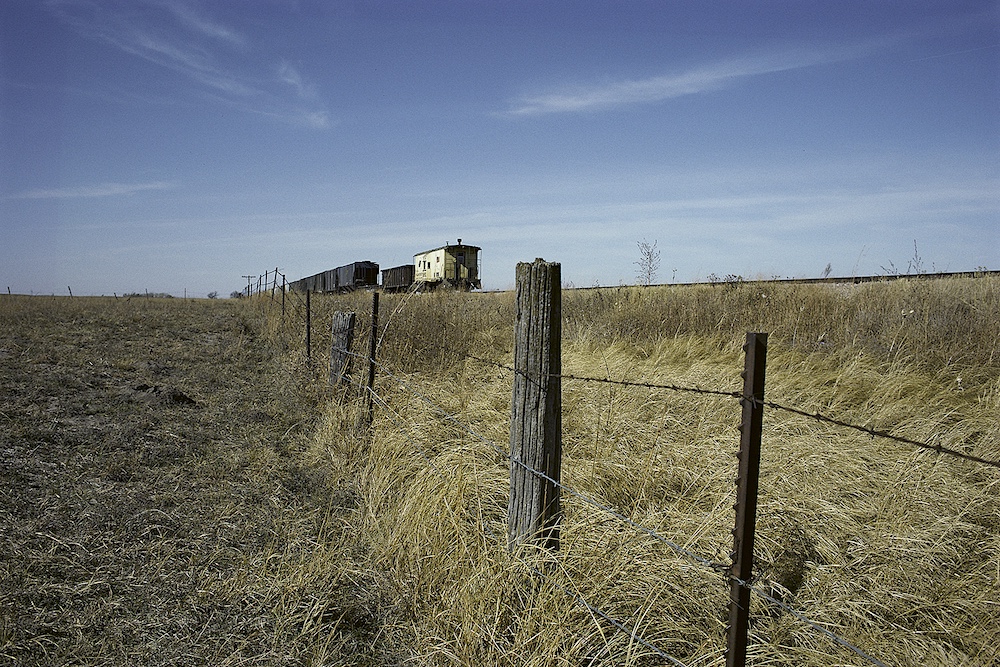
What happened to the caboose?

A wooden fence post and yellow autumn grass with a yellow caboose receding in the distance

What happened to the caboose? Many factors helped seal their fate, and the demise of the caboose has been mourned in many places, including in the pages of Trains, which bid farewell in a special issue in August 1990. But the caboose hasn’t disappeared. Even today, you can find a few cabooses still at work. […]

Read More…