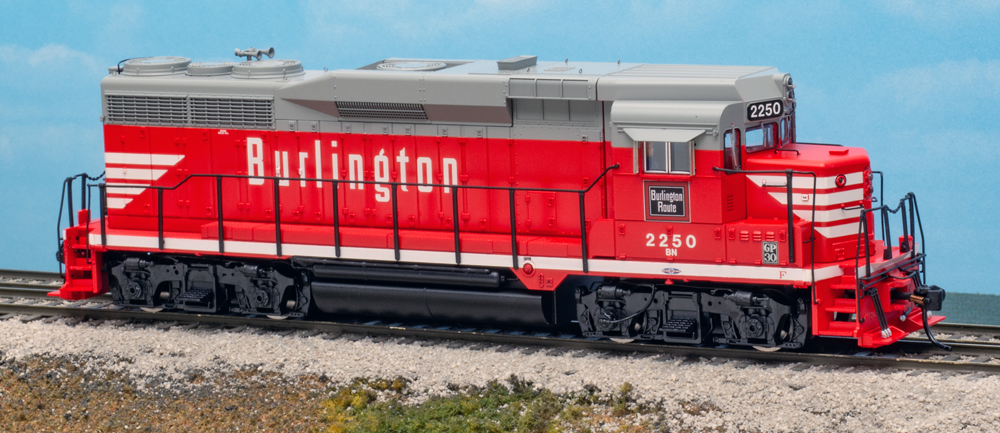
Q: I’m building a layout based on the early Burlington Northern in Idaho. I’ve seen a number of photos of renumbered locomotives and cabooses. Most have white numbers and reporting marks, but I’ve seen a few prototype photos online with the data in black. Did BN have a standard font and size for renumbering equipment, […]
Read More…
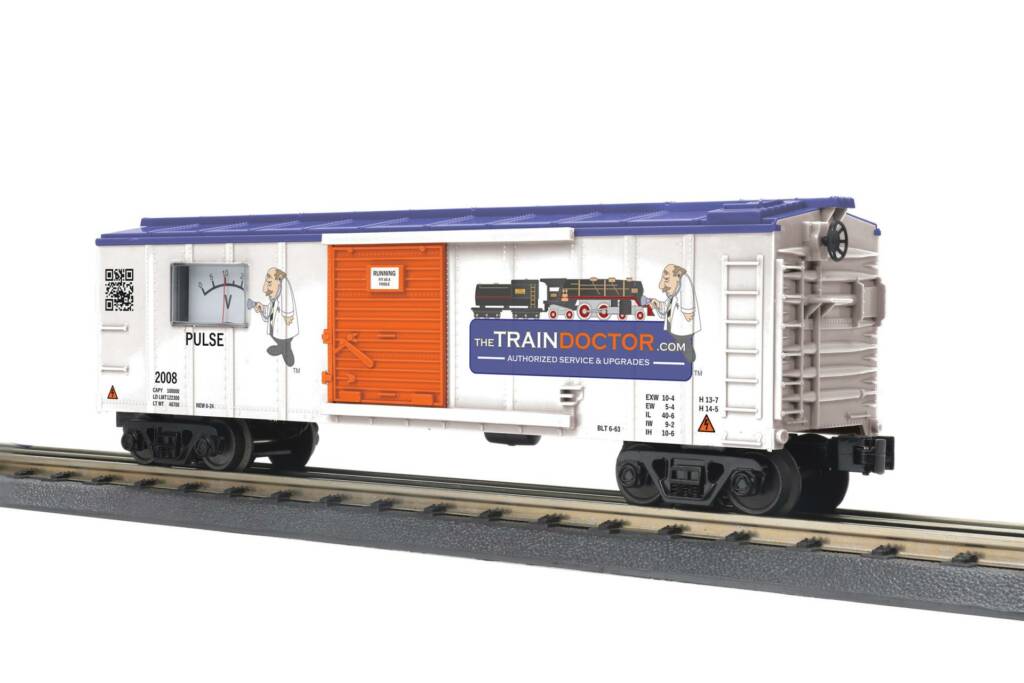
Locomotives & rolling stock Dixie Union Station, 110 W. Main St., Mason, OH 45040, has released a custom-run MTH GP7 as part of the Premier line. The locomotive features Detroit & Toledo Shore Line graphics and requires O-31 curves for operation (20-22009). Expected delivery in September 2025. Price: $599.95. Website: dixieunionstation.com The Train Loft, […]
Read More…
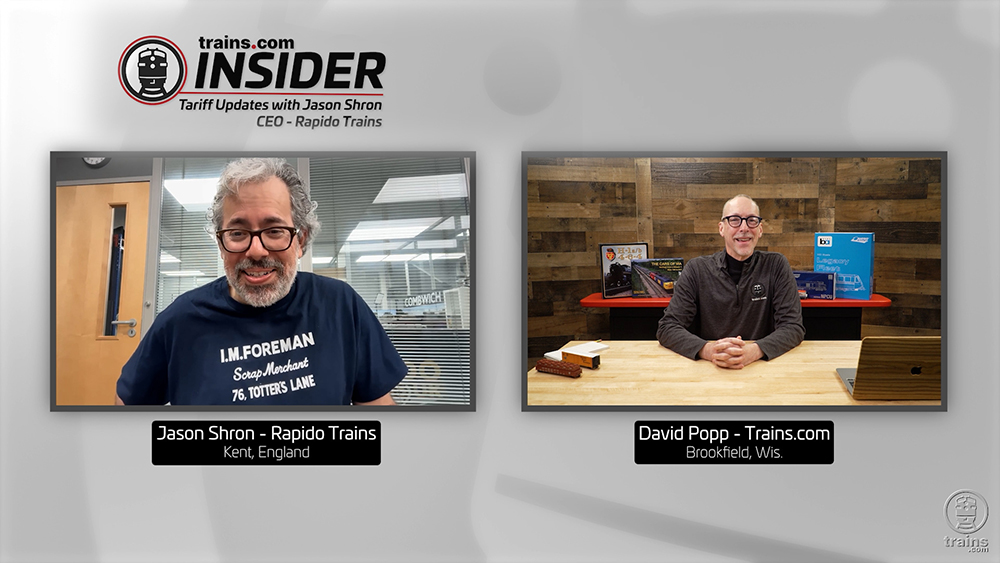
The following is a series of edited excerpts from an interview conducted by David Popp with Jason Shron, owner and CEO of Rapido Trains Inc. on May 20, 2025 on the subject of United States tariffs in relation to the model train industry. You can find the complete interview on Trains.com Video by clicking here. […]
Read More…
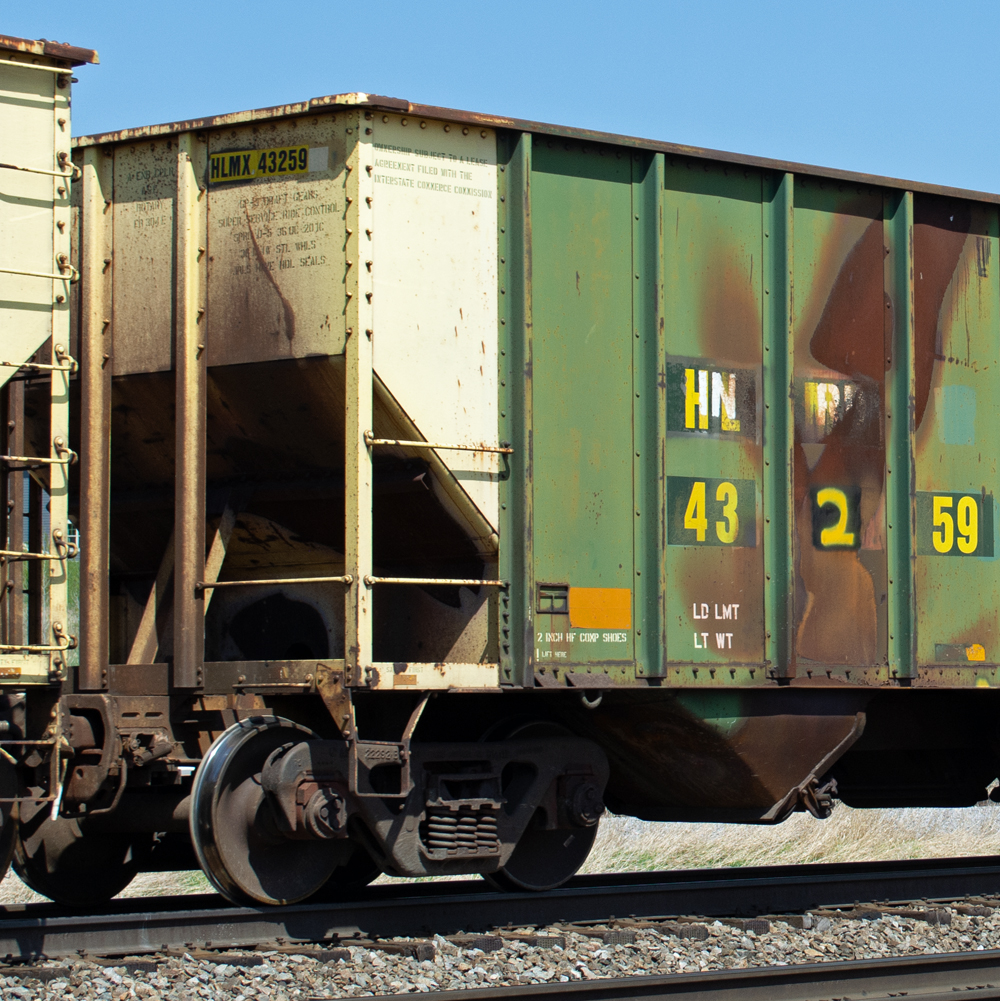
Q: What website is best for finding prototype photos of freight cars to help with realistic weathering? — Jim Veronico A: Though some websites are certainly better than others, I’m reluctant to declare a single website as the “best” for finding prototype freight car photos. Over the years, I’ve found that using multiple sites helps […]
Read More…
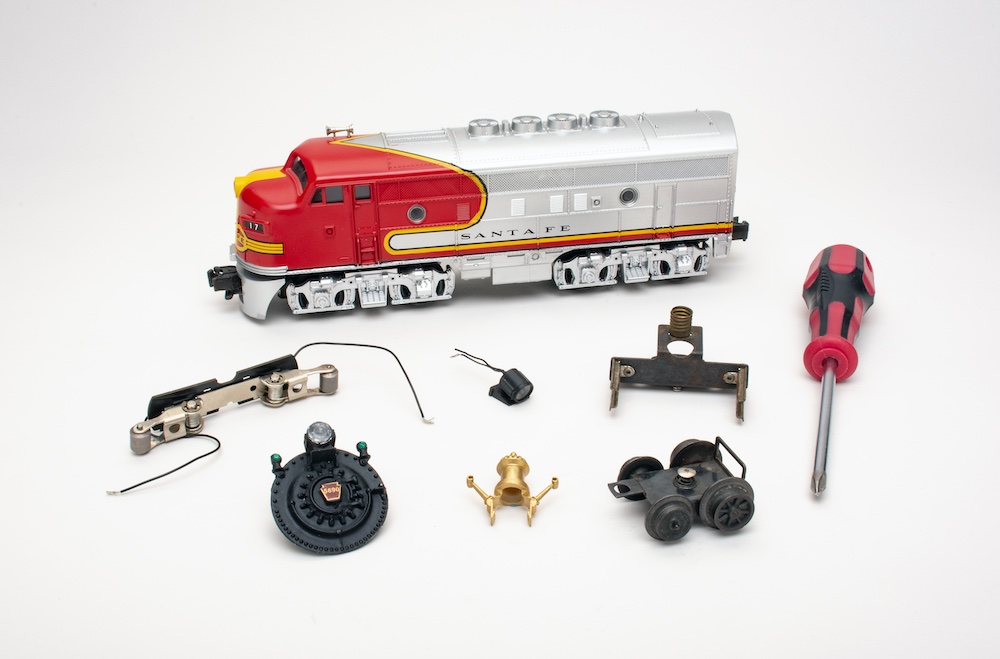
One of the questions we receive quite regularly is where to find parts. Sooner or later, it’s likely you’ll need a part for your locomotive or rolling stock. It could be as simple as replacing traction tires or as complicated as a postwar rehab project. In either case, we’ve got you covered! For each retailer, […]
Read More…
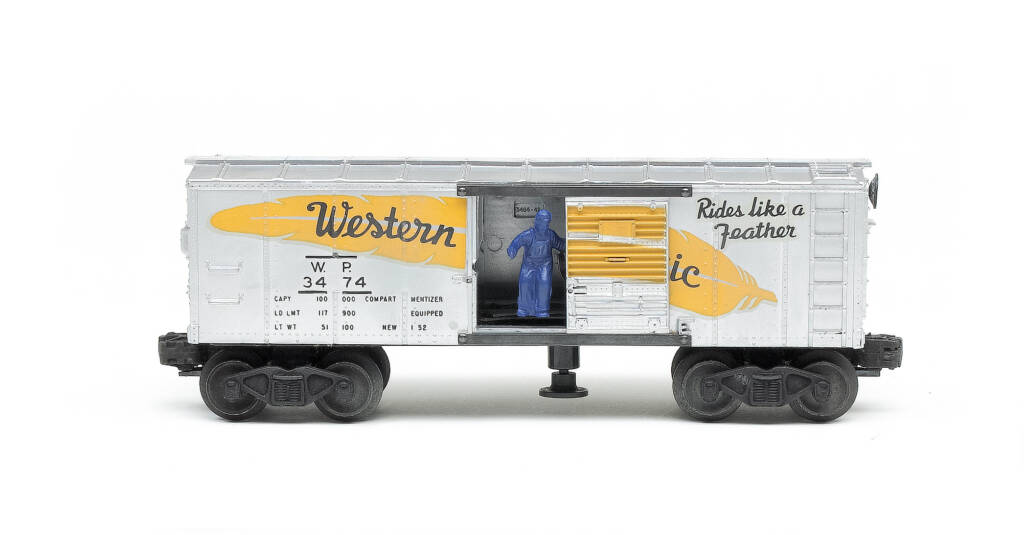
I began collecting O and 027 gauge trains in middle school. Like many toy train enthusiasts, the trains were eventually packed away for various reasons. Years later, I unpacked my Lionel and Marx collection. It had been a long time since I had seen these trains. I unpacked mostly postwar and modern 2-4-2 outline steam […]
Read More…
I recently bought a Lionel No. 2121060 American Flyer Baltimore & Ohio 4-6-2 Pacific locomotive and tender and would like to install Kadee couplers. I see holes on the bottom of the S gauge tender for mounting a scale coupler adapter, but I don’t know which adapter will fit there and how to mount it. […]
Read More…

The Winter 1989 issue featured an 8 page (!) article on prewar American Flyer stations (96, 104, and 237). This comprehensive article included variation charts for each of the versions, photos of the different bases, catalog art, and more. It’s a great reminder that CTT has been the authority for toy train history for more […]
Read More…
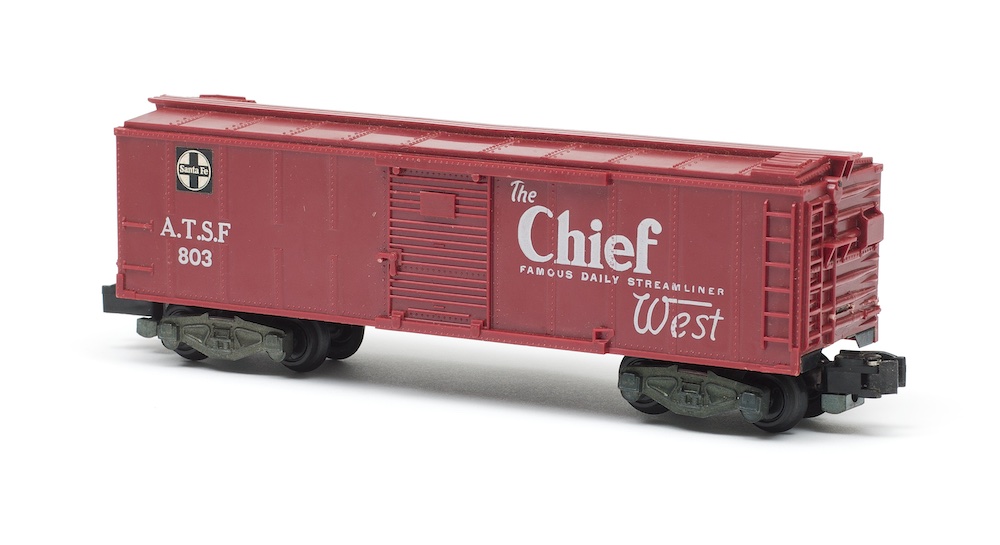
Do you have any suggestions for easily and safely removing the pins that hold the plastic body shell on various American Flyer freight and passenger cars from the postwar era? Using a pair of pliers has not worked. — Robert Lawrence You have to wedge a screwdriver or another tool between the body shell and […]
Read More…
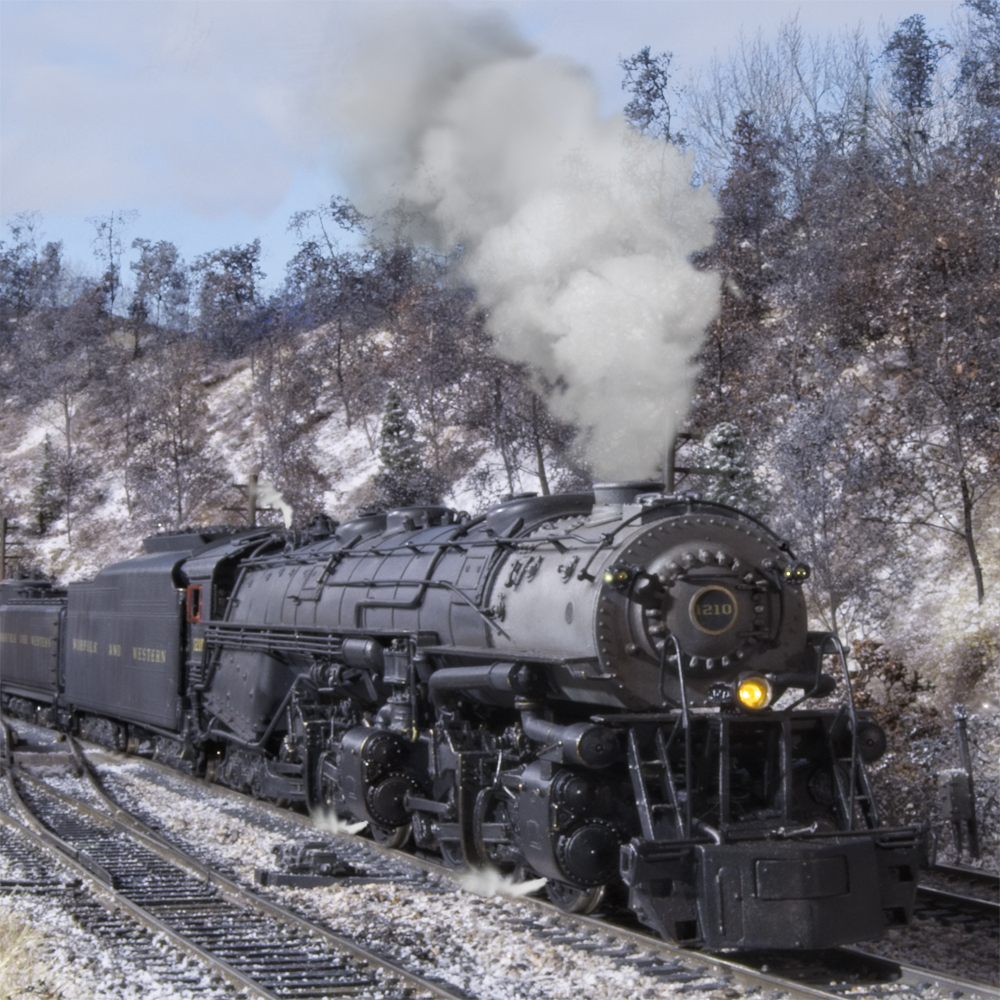
Back in 2010, I was part of a group of contributors to Scenery by the Seasons by Kalmbach Publishing Co. The 98-page book featured stories on modeling seasons on your layout. Among the topics covered were spring backdrops; lily pads, cattails, and pond scum; easy autumn trees; and ice and snow. Though the title is […]
Read More…

The Titletown Train Show will be held May 3-4, 2025. The event will be at the KI Convention Center, 333 Main St., Green Bay, Wis. Show hours are Saturday, 9 a.m. to 5 p.m. and Sunday, 10 a.m. to 4 p.m. The event features 35,000 square feet of operating display layouts, vendors, hourly door prizes, […]
Read More…
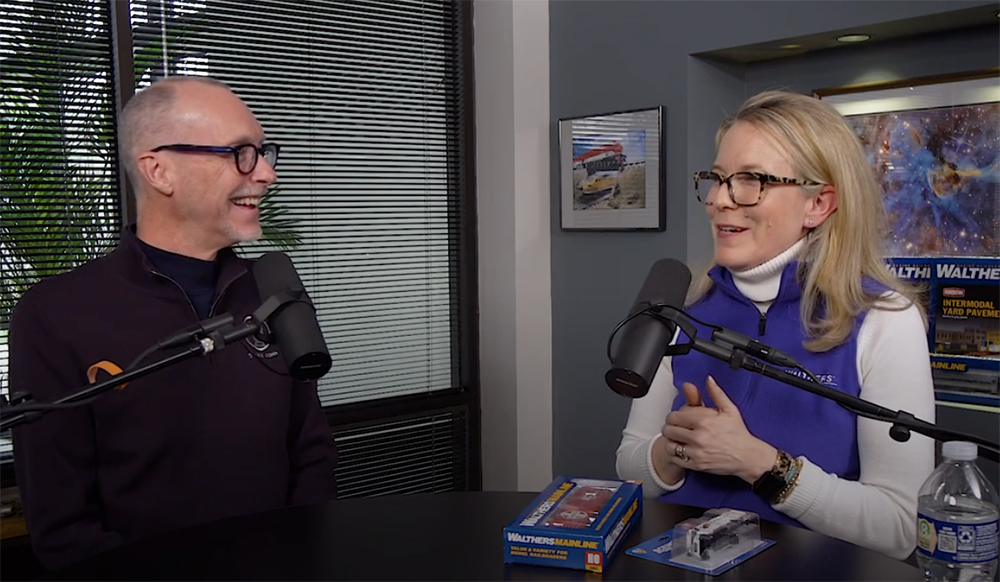
The following is a series of edited excerpts from an interview conducted by David Popp with Stacey Walthers Naffah, president and CEO of Wm. K. Walthers, Inc. on April 21, 2025. It is part of Trains.com and Model Railroader‘s ongoing coverage of U.S. tariffs. Click here to watch the complete video interview on Trains.com Video. […]
Read More…