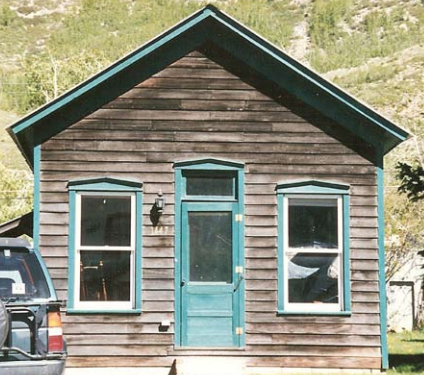
Once you have decided on a building to model, a plan of it on paper will be a great help. If the building you are contemplating is small enough, a full-size drawing is a good idea. This will allow you to see the actual size of the structure in advance. This article will be usedful […]
Read More…
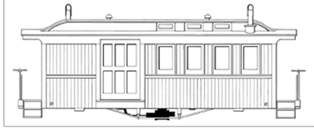
Download the PDF of this project here. This PDF is formatted to print on your home printer. Most pieces are formatted to fit on a 8.5″ x 11″ piece of paper. For larger parts of the plan, you will see “break lines.” Line up the break lines to create the larger piece. Despite our best […]
Read More…
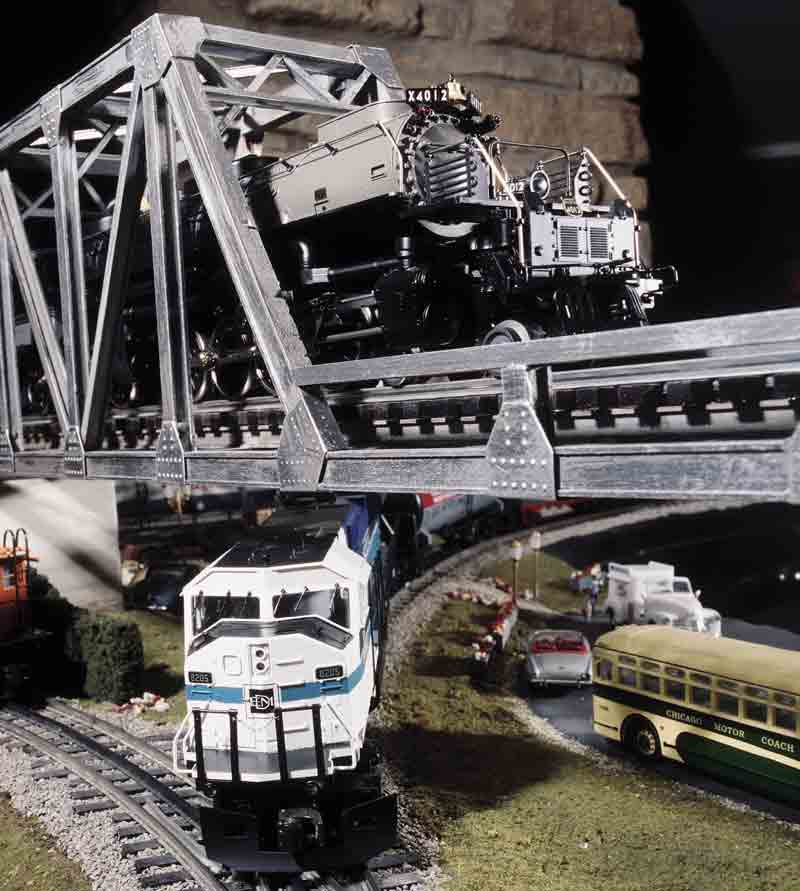
Bob Porges has a rudimentary case of nostalgia backwards. Bob’s layout isn’t a reflection of the toy trains of his childhood – rather, it is a reflection of his life. In virtually every corner of his O gauge layout, you’ll find vignettes of Bob’s childhood, his family, his career, and even his financial portfolio, all […]
Read More…
What’s that? This is the summer when you visit every NASCAR track and Elvis memorial in Dixie? Forget it. Your passports are ready so you can take the kids to Six Flags over Cambodia? Put ’em away. There’s a family reunion in Wisconsin and you promised to bring the cheese curds and bratwurst? Let the […]
Read More…
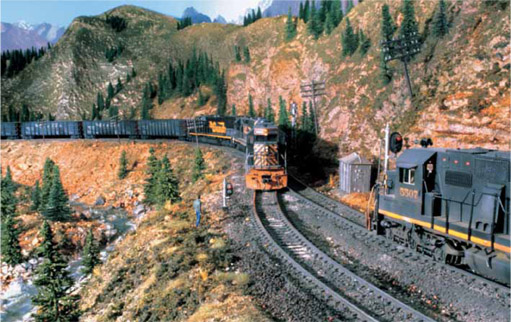
See these two articles on Doug Tagsold’s Denver, Front Range & Western. Doug Tagsold’s Denver, Front Range & Western Railfanning in Colorado […]
Read More…
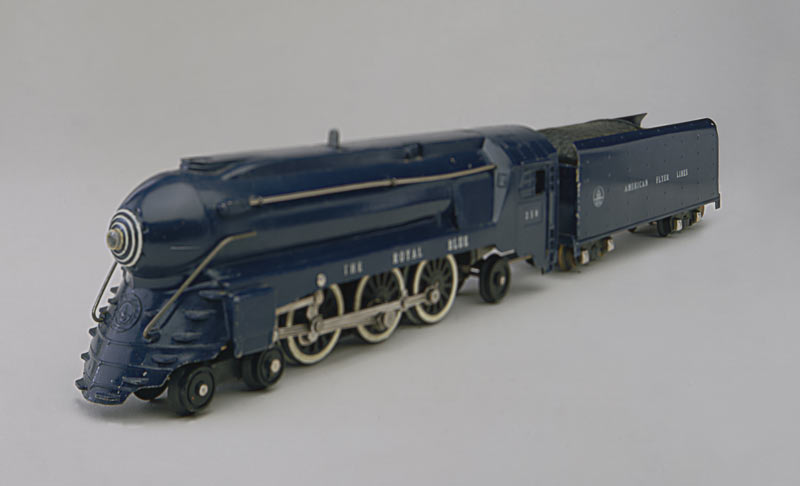
While I have been a part of the toy train hobby, I have attended many train shows and met other train lovers. And I’ve come to realize that there are hundreds of us that don’t know enough about the value and rarity of different O and S gauge trains. We may not even be aware […]
Read More…
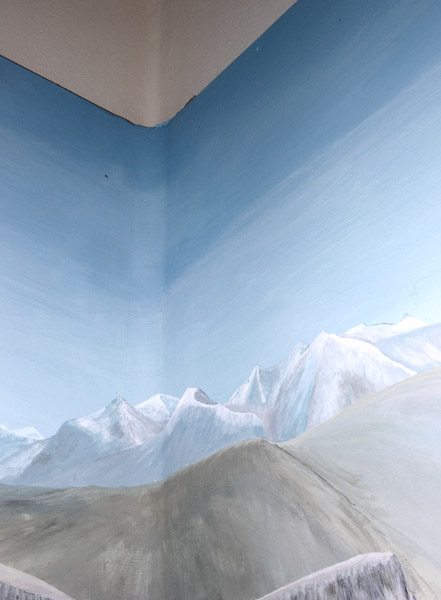
Good lighting helps Flemming Örneholm hide the compact covered corner in his background. Coved corners help to reinforce the feeling of great distance that’s produced by a good backdrop. Large layouts with plenty of real estate often use wide, gently curved panels to make these inside corners disappear. But modelers with small layouts can’t afford […]
Read More…
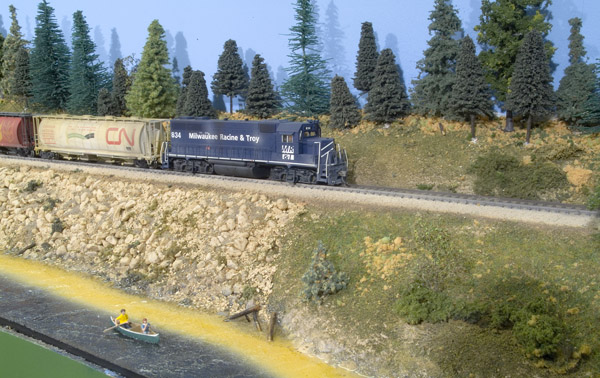
Scenic baseA layout’s scenic base is the foundation for all of its scenery, including roads, grass, trees, and rocks. An inexpensive scenery base can be made using a lightweight support structure, such as cardboard strips glued together, covered with layers of plaster-soaked gauze or paper towels. Another type of base you can use is made […]
Read More…
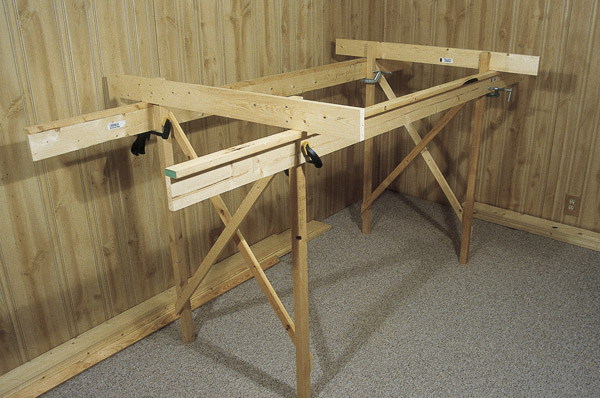
Open-grid benchworkStarter layouts are often flat and built on a 4 x 8 sheet of plywood. However, the majority of layouts have tracks at varying heights separated by grades. The easiest way to add elevation to a layout is to use open-grid benchwork. For this type of construction you place a plywood subroadbed under the […]
Read More…
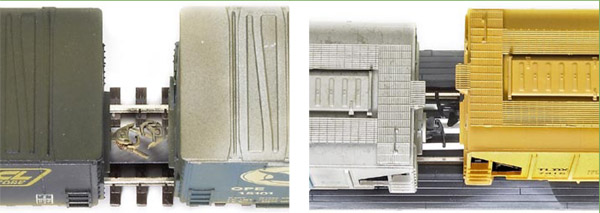
In any hobby, or indeed in any field, there is terminology used as shorthand by those with experience in the hobby or field, to refer to things specific to that hobby. That terminology, though, can be a barrier to entry for the uninitiated. This article is intended to serve as a brief introduction to model […]
Read More…
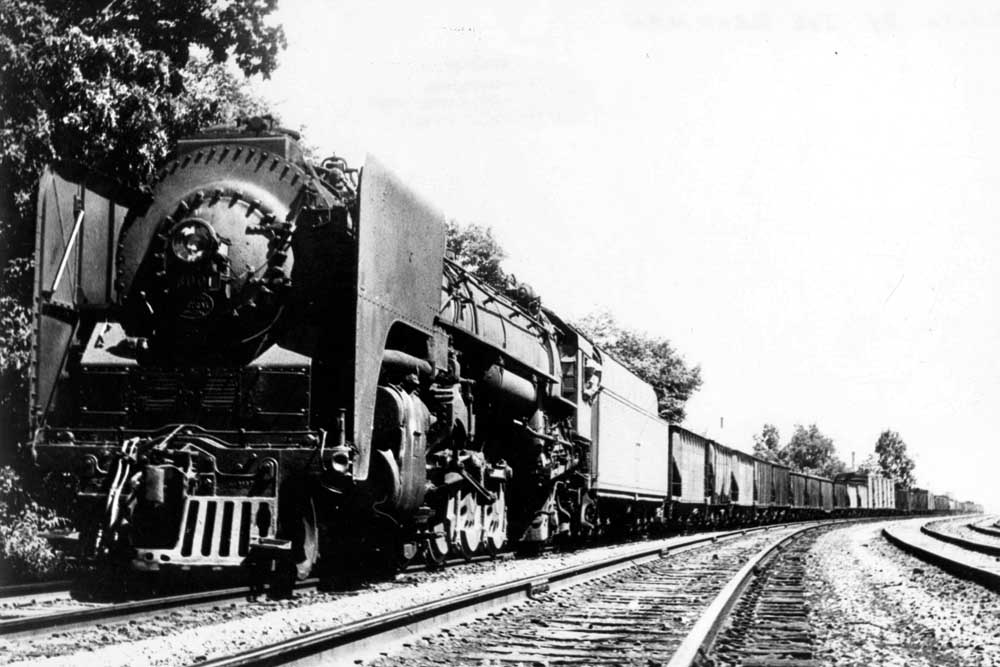
It can be difficult to get started in the hobby of model railroading. The terminology a beginner needs to learn is daunting for some, particularly for those without experience with or knowledge of prototype railroading. This article explains prototypes and modeling terminology for beginner model railroaders, or those looking to brush up on their model […]
Read More…
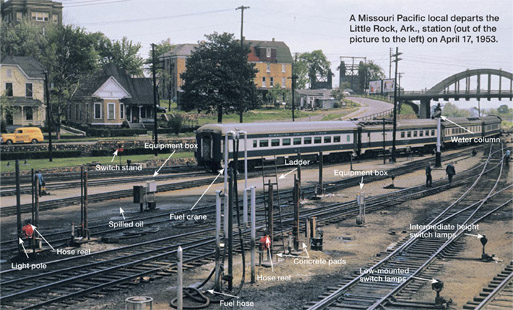
Want to add a basic locomotive servicing area but don’t have room for the turntable, roundhouse, and other shop and warehouse buildings typical of a large facility? As this 1953 photo of a Missouri Pacific RR fueling facility in Little Rock, Ark., shows, a no-frills fueling area can easily be modeled in limited space. At […]
Read More…