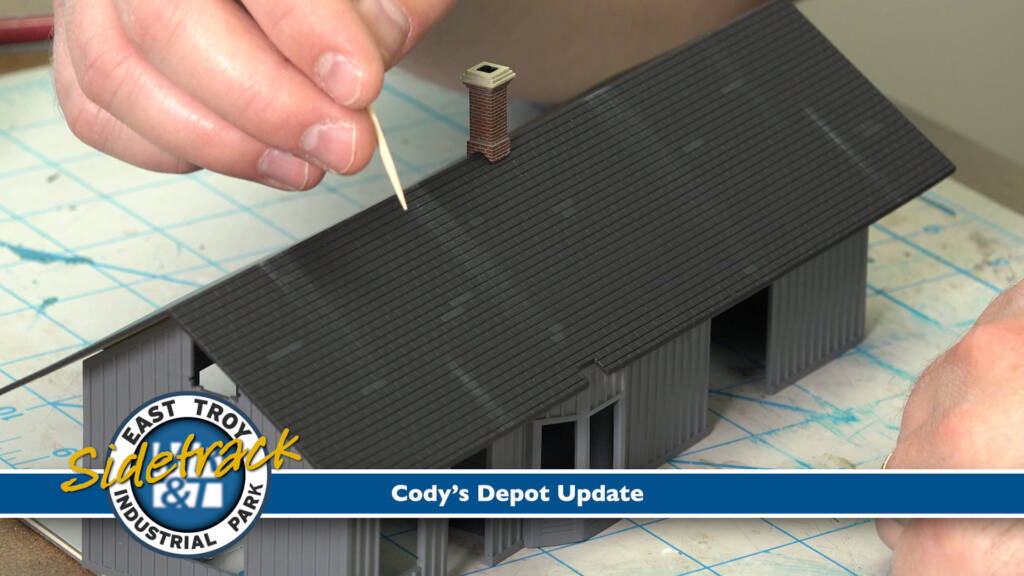
Join Cody Grivno for the latest Sidetrack Series departure, as he dives into the detail work on his HO scale (1:87.1) depot structure roof and chimney! See how he uses paints to create realistic shingle highlights and weathering streaks. Then learn a handy trick for filling the gap between plastic parts. Cody also shares the […]
Read More…
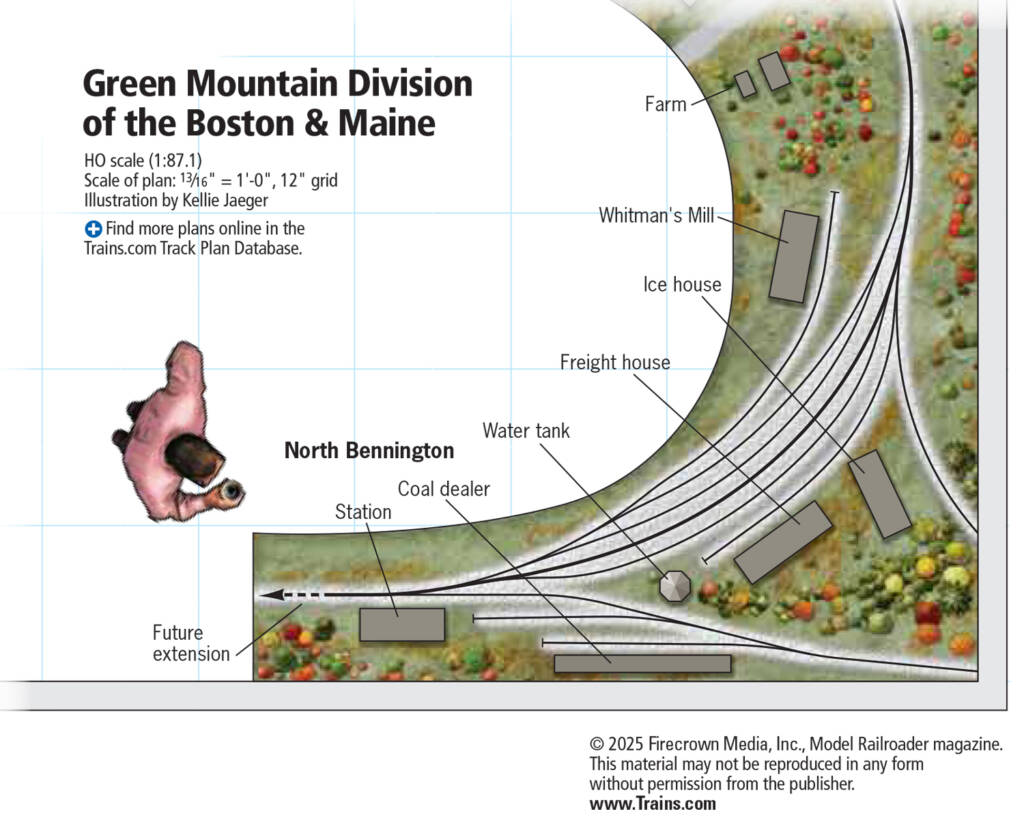
Facts and features Name: Green Mountain Division of the Boston & MaineScale: HO (1:87.1)Size: 12′-8″ x 20′-0″ plus 12′-0″ x 30′-0″ additionPrototype: Boston & Maine, Central Vermont, and RutlandLocale: VermontEra: 1950 to 1958Style: Around the wallsMainline run: 120 feet (original), 70 feet (extension)Minimum radius: 28″Minimum turnout: Hand built to fit, most no. 6 with no.4 […]
Read More…
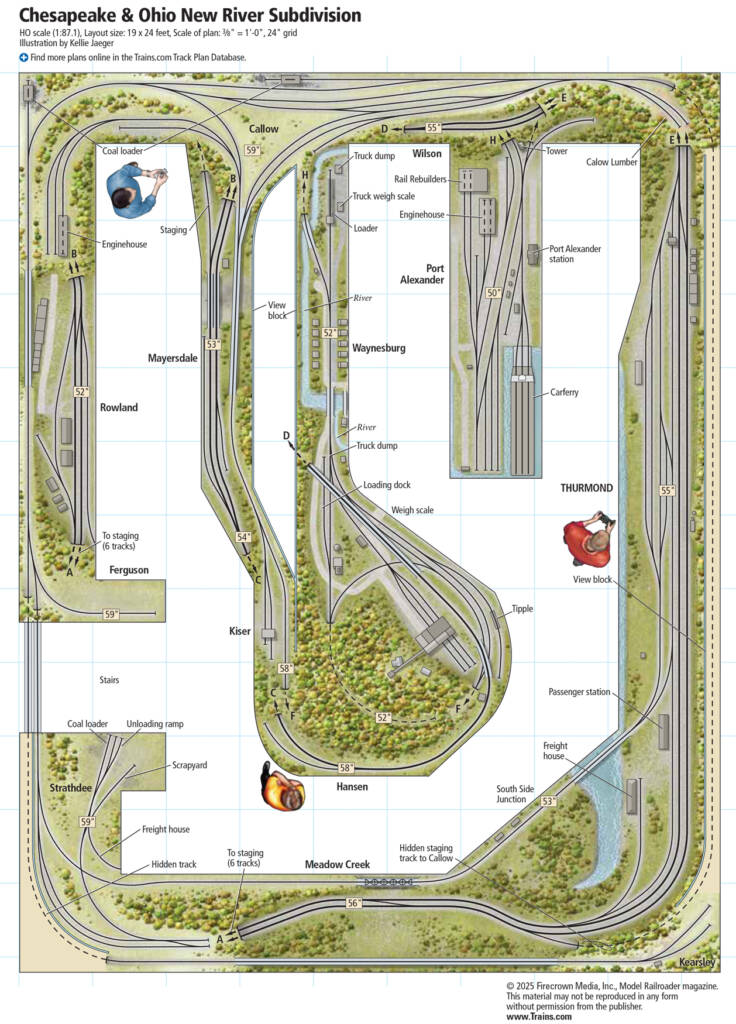
Facts and features Name: Chesapeake & Ohio New River Subdivision Scale: HO (1:87.1) Size: 19 x 24 feet Prototype: C&O New River Gorge and coal mine area Locale: Thurmond, W.Va. Era: 1957 Style: walk-in Mainline run: 102 feet Minimum radius: 30″ (24″ in Waynes-burg Mine wye) Minimum turnout: No. 6 Maximum grade: 1∕8″ per foot […]
Read More…
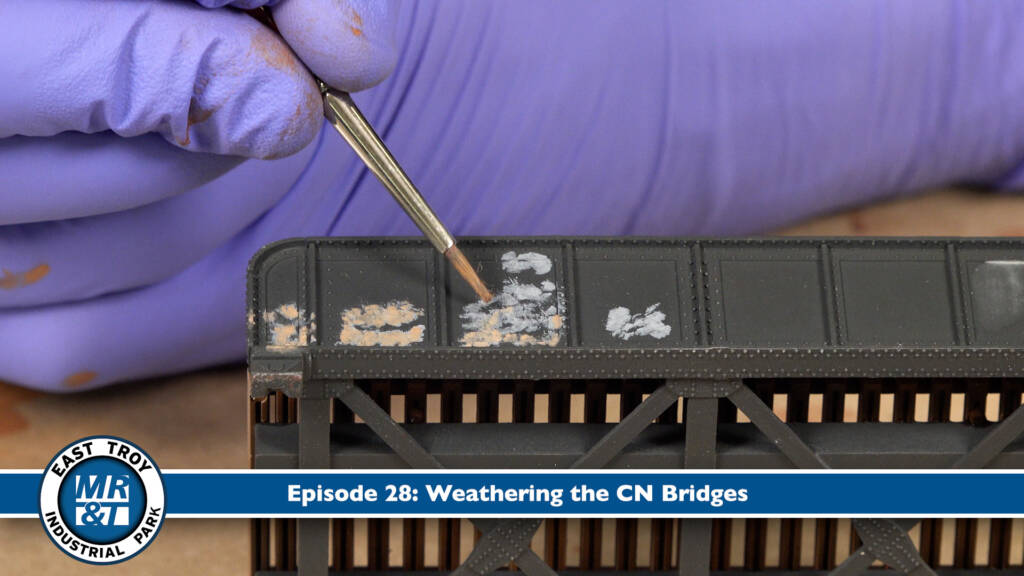
Time to distress some steel! Follow along as David demonstrate two essential bridge weathering techniques on the HO scale (1:87.1) ETIP project layout, from heavy all-over rust using Monroe Models washes to creating the effect of faded, blistered paint with Vallejo Paints. Get the pro tips on permanent installation and finish details along the authentic […]
Read More…

The guys focus on adding the depot platform and a farm field to theHO scale (1:87.1)East Troy Industrial project layout. David selects a diluted gray stain for the depot platform, and then demonstrates how to correct a scenery mistake. Cody works on the hayfield, sharing his intriguing technique for modeling windrows with yarn, and then […]
Read More…
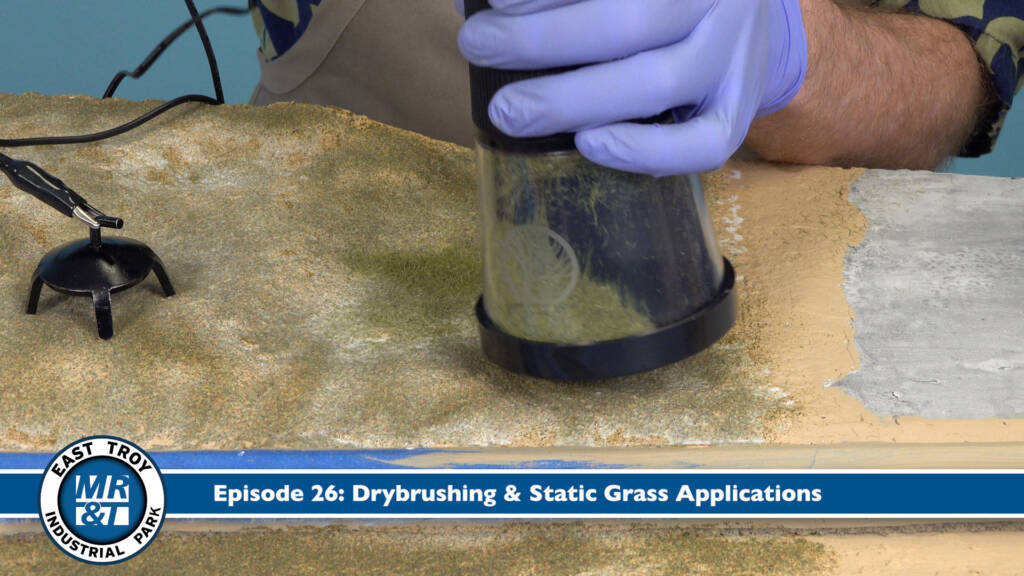
In this episode of the HO scale (1:87.1) East Troy Industrial Park project layout, Cody finishes the foundation retaining wall by adding drybrushed weathering effects. Meanwhile, David shares his techniques for applying tall grass on the embankments, using static grass and coarse turf materials. Be sure to keep up with the construction progress by linking into […]
Read More…
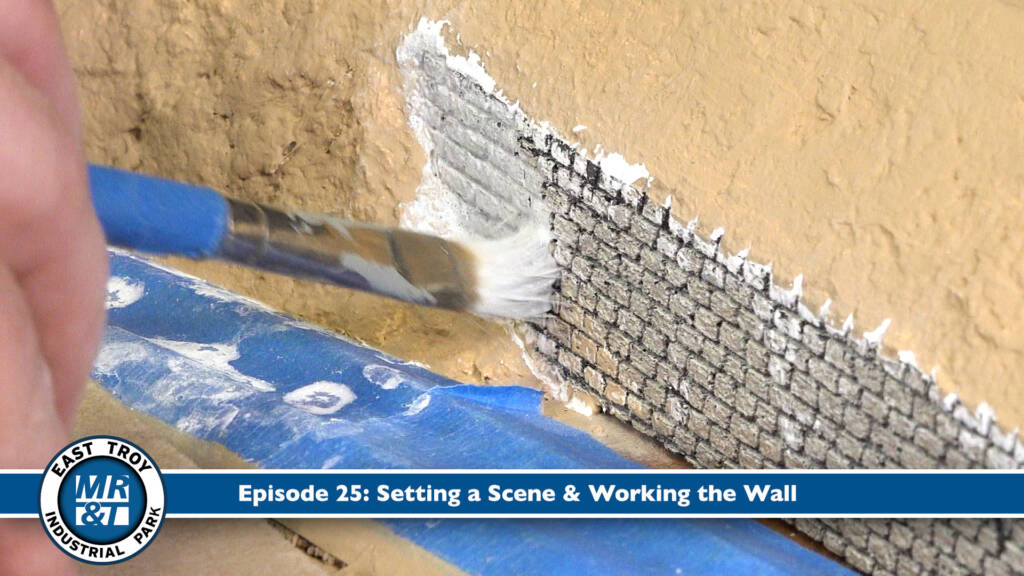
Scenery is in full swing on the HO scale (1:87.1) East Troy Industrial Park project layout! In this episode, both Cody Grivno and David Popp get deep into the effort of framing up the farm scene, developing the depot area, adding weathering effects to bridge abutments, and more! Be sure to keep up with the […]
Read More…
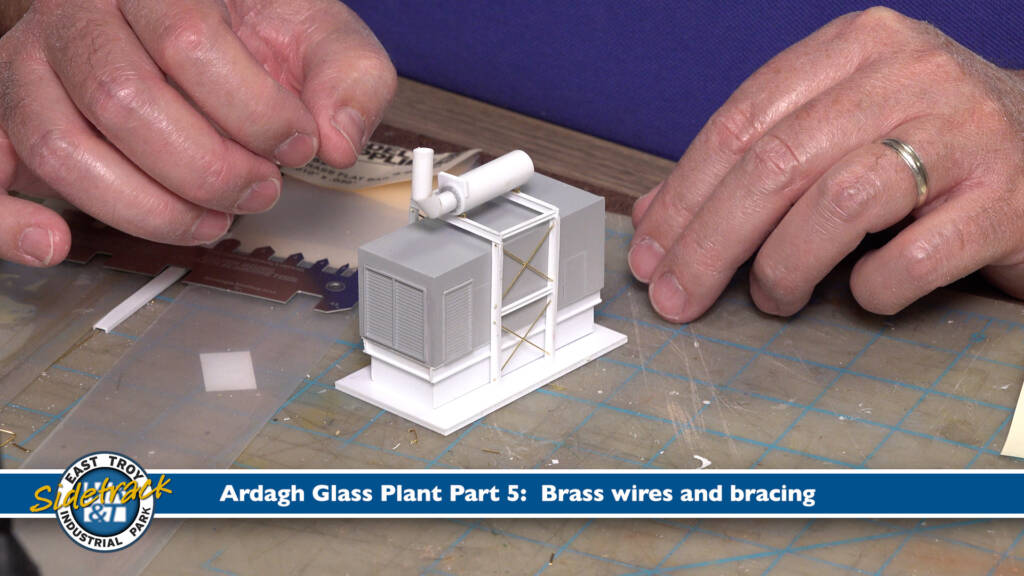
In this Sidetrack Series departure from the HO scale (1:87.1) East Troy Industrial Park Project Railroad, you’ll learn how to use brass wire and flat bar to create durable, small-diameter brackets and tension wires for the scratchbuilt generator structures. Throughout the demo, Eric shows viewers how to use specialized tools, including wire nippers and metal-bending […]
Read More…
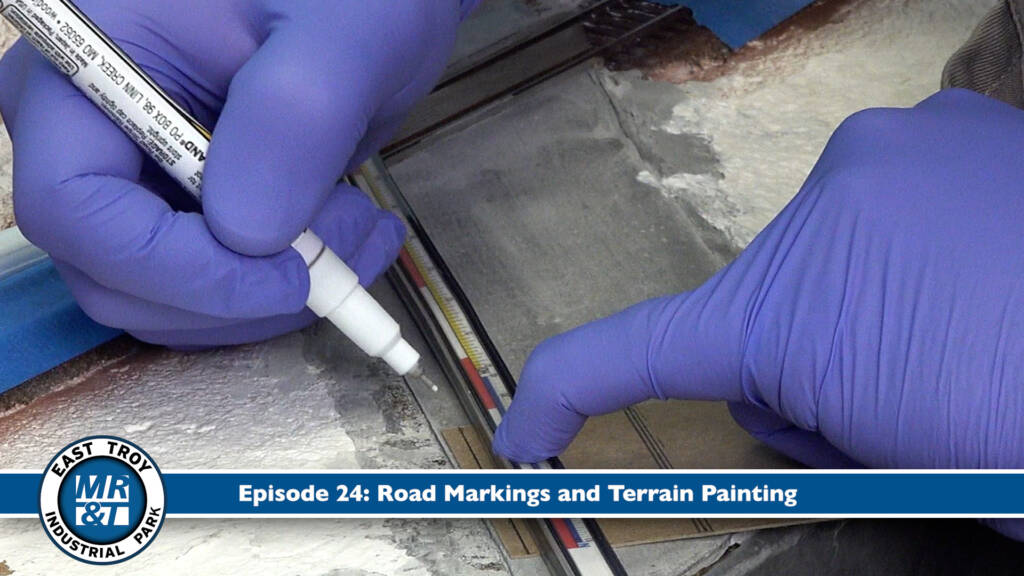
The initial segment of the HO scale (1:87.1) East Troy Industrial Park project layout edges closer to completion! In this episode, you’ll see how Cody Grivno and David Popp refine roadway detail and paint a touch of earth-tone color over the plaster covered terrain. Be sure to keep up with the construction progress by linking […]
Read More…
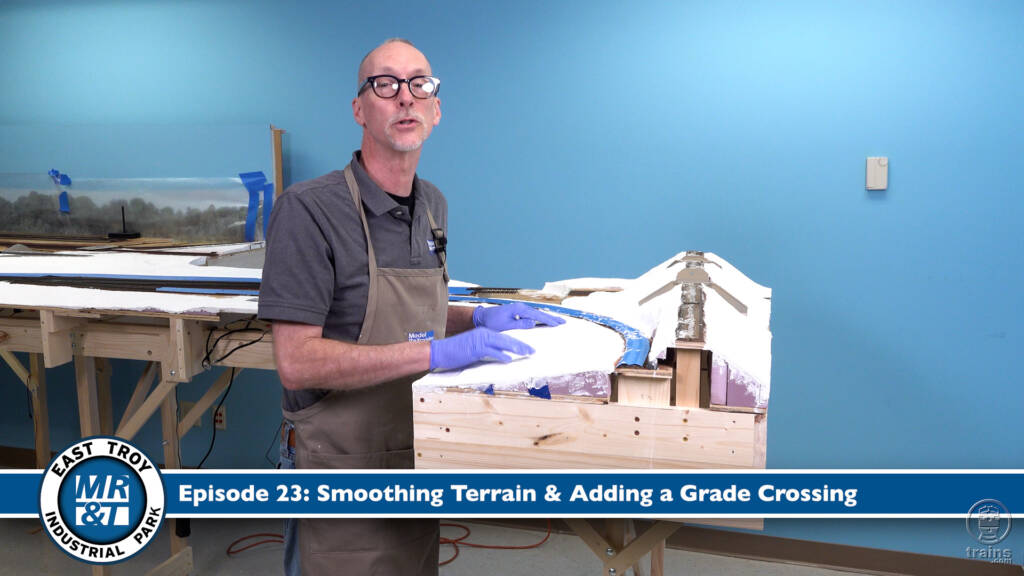
In this episode covering the HO scale (1:87.1) East Troy Industrial Park project layout, the construction crew dives into adding scenery and details. They first demonstrate techniques for shaping and smoothing scenes representative of rolling Wisconsin terrain. And then you’ll see the process for adding a grade crossing where the road meets the rails. Be sure […]
Read More…
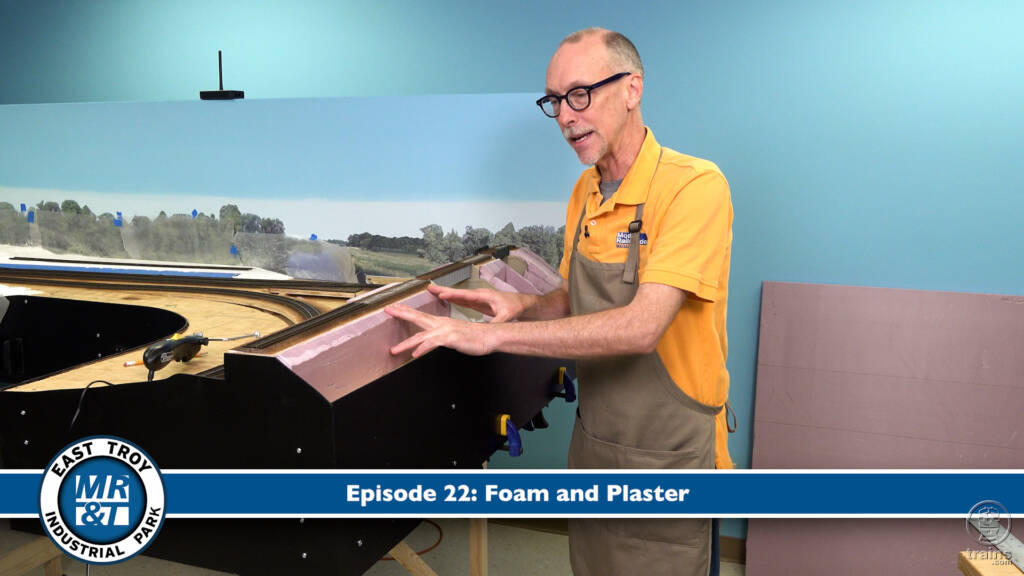
Host David Popp shows viewers how to build realistic scenery around the high embankments of the HO scale (1:87.1) East Troy Industrial Park project layout. In this instructional video, you’ll learn how to use foam board, packing peanuts, and plaster cloth to create a durable base for additional ground cover and fine scenery materials. It […]
Read More…
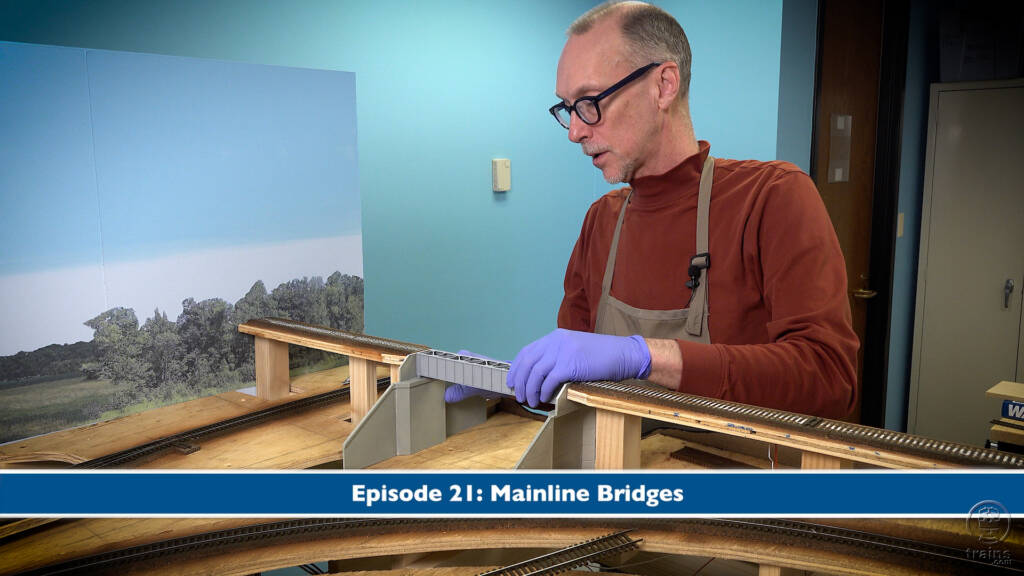
Enthusiasts of railroad engineering will enjoy this helpful, instruction episode, which details how to build and install bridges and abutments on a model train layout. Following the Canadian National prototype, this video focuses on a 70-foot single-track deck girder bridge and a 30-foot single-track through girder bridge. Learn how to properly use a Walthers bridge […]
Read More…