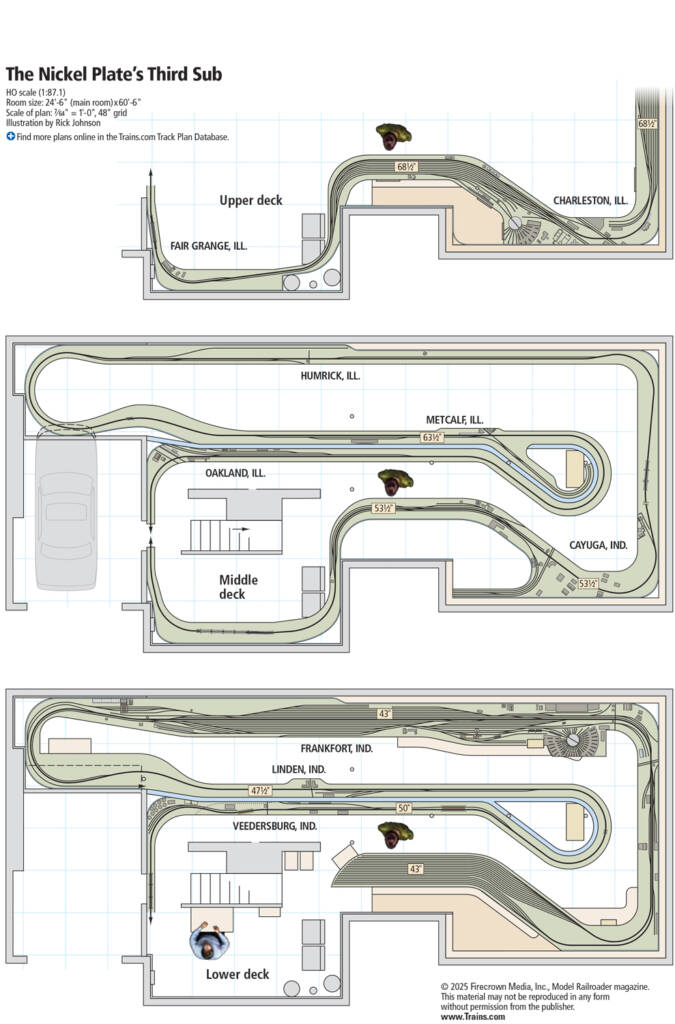
Facts and features Name: Nickel Plate Road, St. Louis Division, Third Sub. Scale: HO (1:87) Size: 24′-6″ x 60′-6″ Prototype: Nickel Plate Road Locale: west-central Indiana, east-central Illinois Era: fall 1954 Style: multi-deck Mainline run: 500 feet Minimum radius: 42″ Minimum turnout: No. 6 (yard), No. 8 (main) Maximum grade: 1.5 percent Benchwork: open grid; […]
Read More…
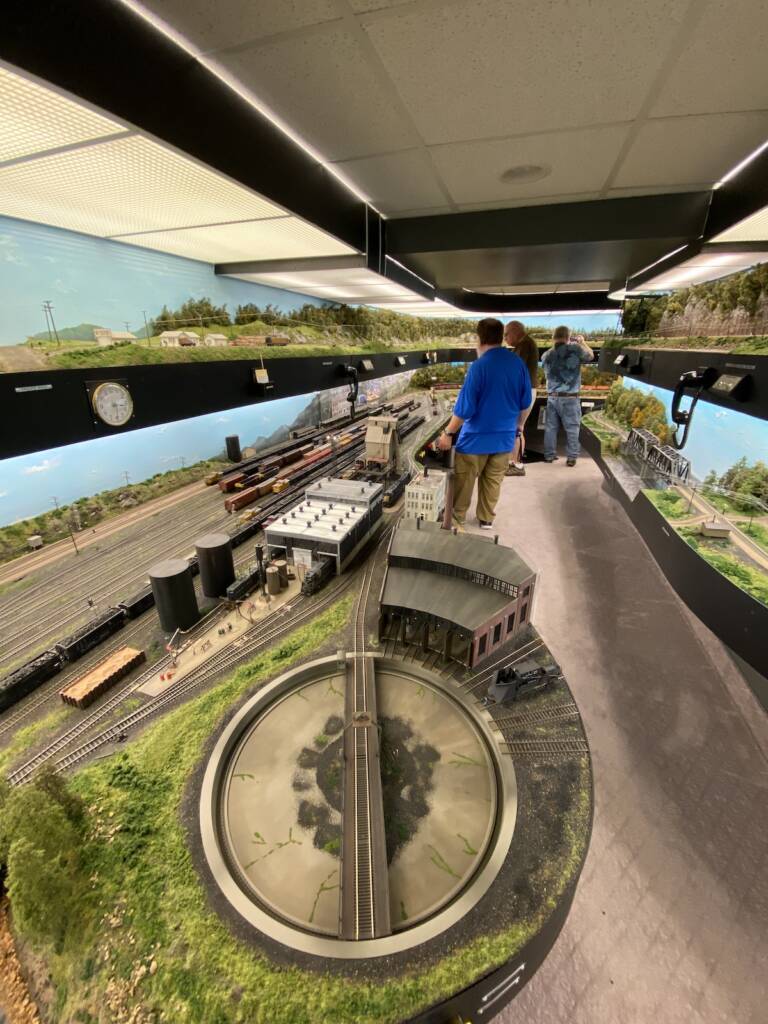
Open houses, whether at model railroad clubs or private home layouts, offer fantastic opportunities to connect with fellow modelers and share the hobby. It’s also a joy to see what makes a layout tick and how one differs from another. While hosting an open house requires careful planning — as Arlan Tietel thoroughly explains in […]
Read More…
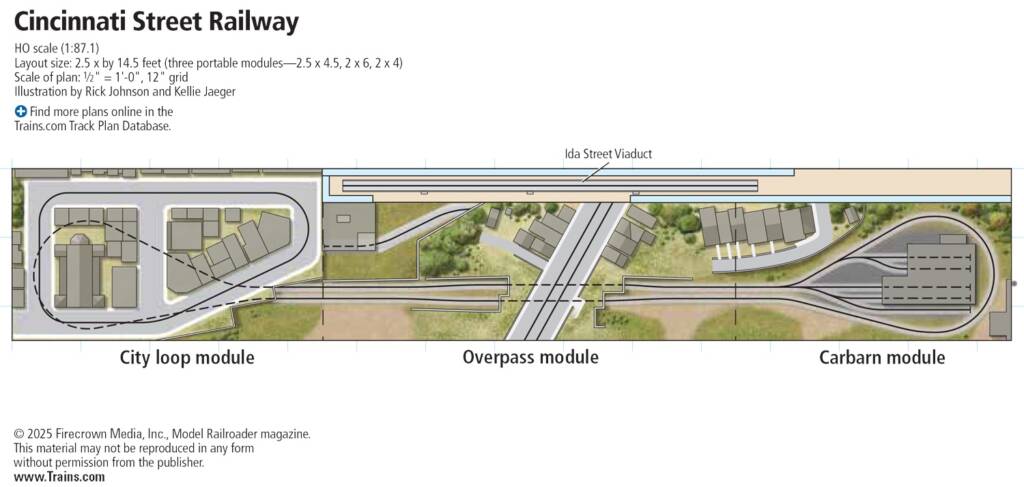
Facts and features Name: Cincinnati Traction Scale: HO (1:87.1) Size: 2′-6″ x 14′-6″ Prototype: Cincinnati Street Ry. (city streetcars) and Cincinnati & Lake Erie (interurban) Locale: Cincinnati, Ohio Era: 1930s and ’40s Style: shelf Mainline run: Approximately 24 feet (dogbone on interurban rapid transit line) Minimum radius: 7″ on streetcar line, 11″ on interurban rapid […]
Read More…
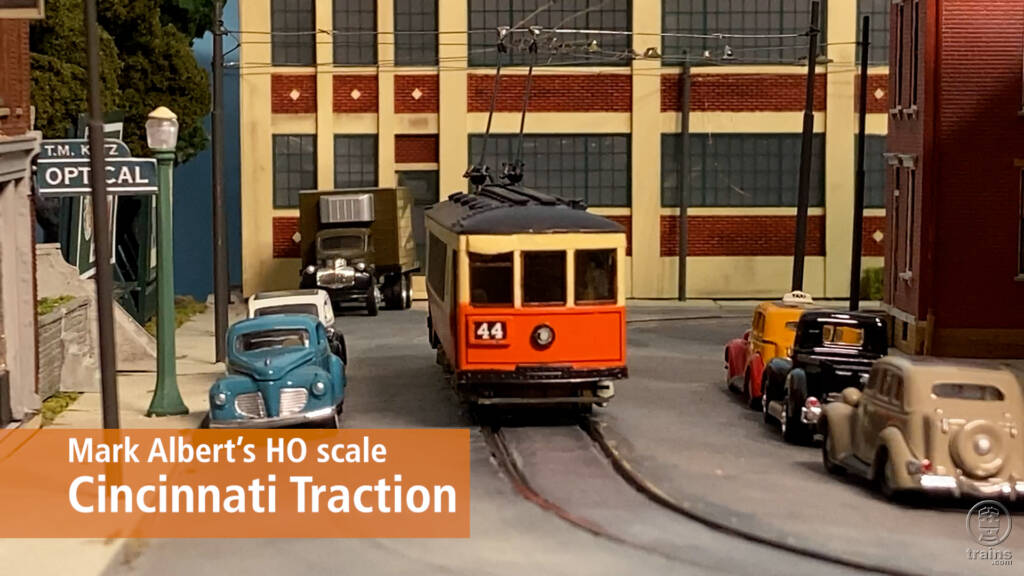
Dive into the captivating world of Cincinnati’s traction history with Mark Albert’s stunning HO scale model railroad! Originally built to travel to train shows, this layout, presented in the October 2025 issue of Model Railroader magazine, has found its permanent home, allowing for incredible new details and enhancements. Explore intricately modeled street scenes complete with […]
Read More…
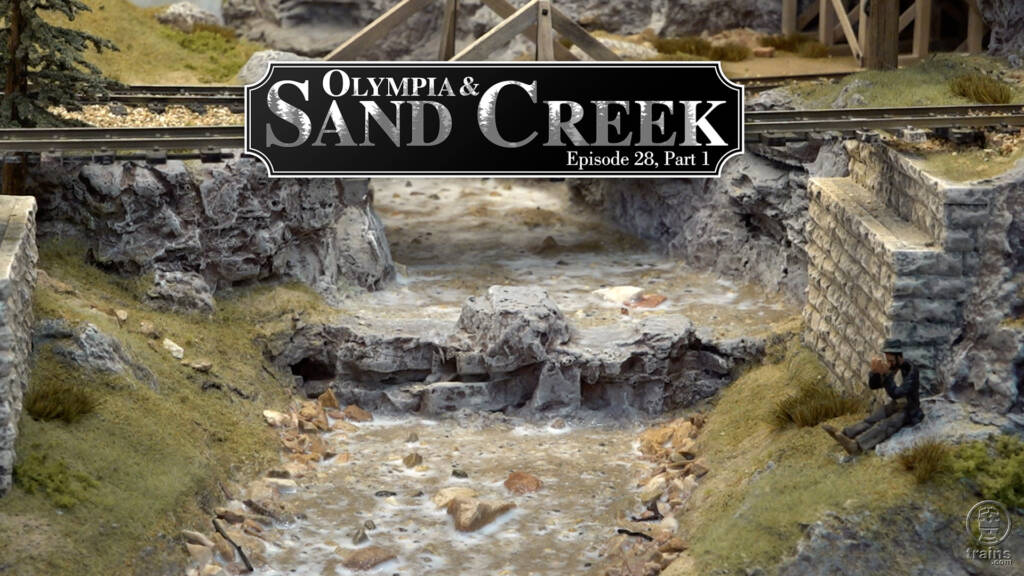
In this episode, David Popp builds out a river with rapids and waterfalls for his Olympia & Sand Creek On30 logging layout. He gets things started by sharing his proven method for installing styrene dams to contain the resin “water” pour. Next, David focuses on creating the riverbed with a mix of sand, rock, and earth. […]
Read More…
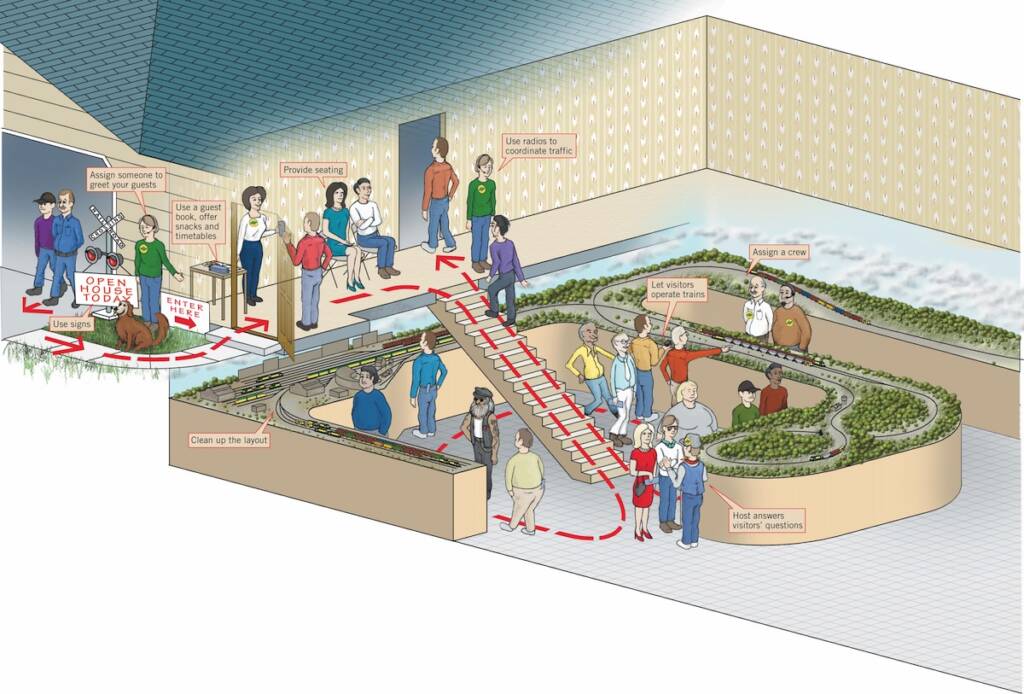
This article was originally published in the November 2002 issue of Model Railroader. Hosting an open house is a great way for model railroaders to share the hobby with others. But coordinating one that people will never forget requires not only good planning, but practice. In the past two decades, I’ve hosted several open houses, […]
Read More…
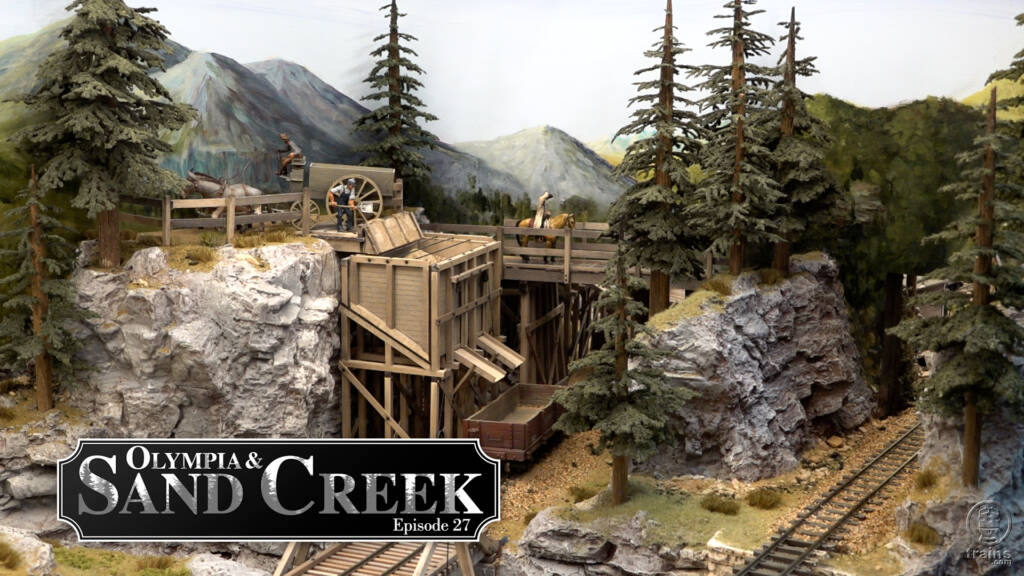
Scenes on David Popp’s Olympia & Sand Creek On30 logging layout are starting look much more rustic…and realistic too! Follow along as David share his techniques for adding trees, detailed ground cover, and even placing a few authentic figures into the scene. View the complete Olympia series exclusively on Trains.com Video! […]
Read More…
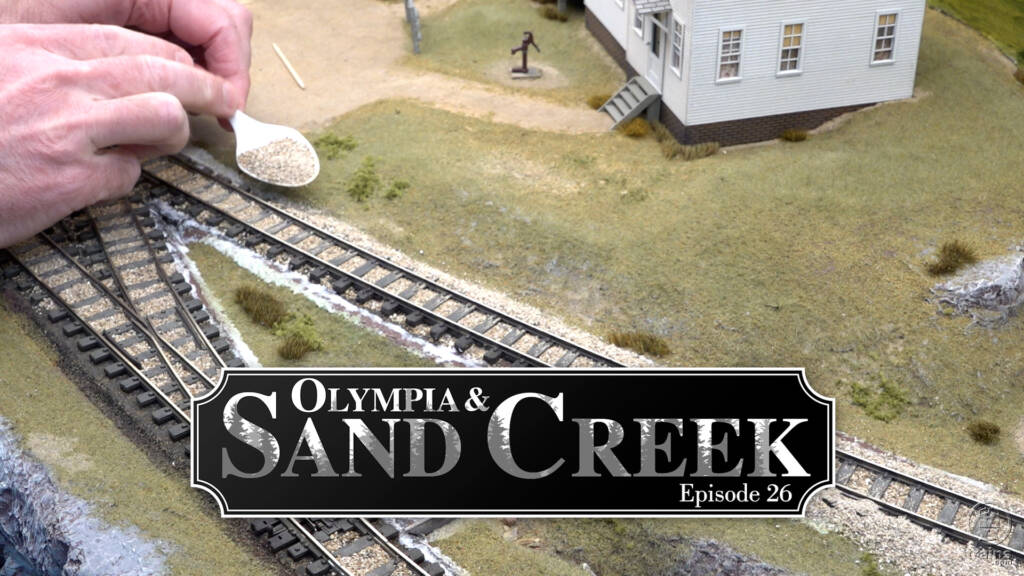
In this episode, David shares a proven technique for adding and shaping a rustic course of ballast along the rails of the Olympia & Sand Creek On30 logging layout. But first he works to complete several scenery details, including realistic fencing, water effects, muddy cow paths, and more along the terrain and trackwork too! View […]
Read More…
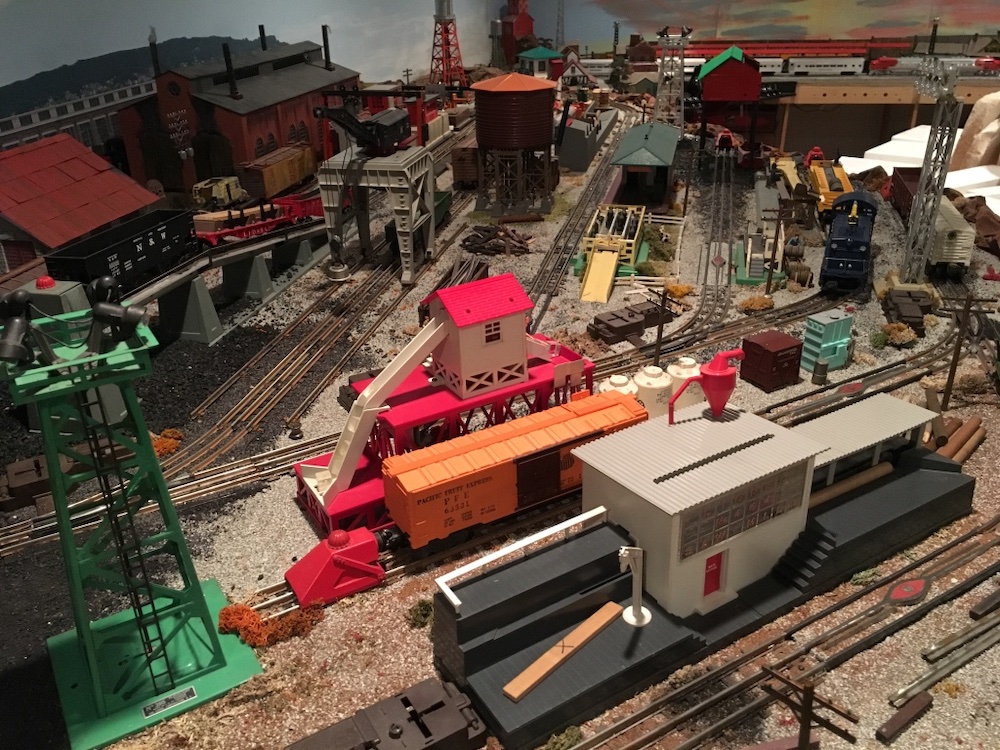
My layout, The “Casey” Line, was published in the September 2021 Classic Toy Trains. My 30-year project was based on reading a boxful of 1950’s Model Railroader magazines and compiling a list of the best features on model railroads from those articles. Fortunately, I was able to include all the scenic features recommended in those […]
Read More…
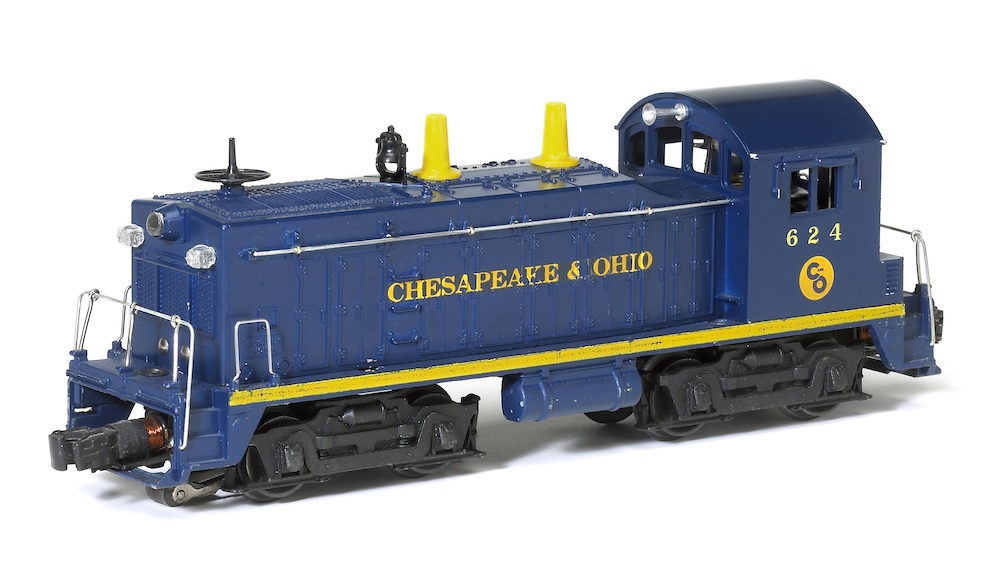
I’m trying to troubleshoot a Lionel No. 624 Chesapeake & Ohio NW2 diesel switcher from the 1950s. The motor seems to short out, even after I spent time cleaning out the dried grease from long ago. All I get now is a grinding noise, and the locomotive barely moves. What do you think is the […]
Read More…
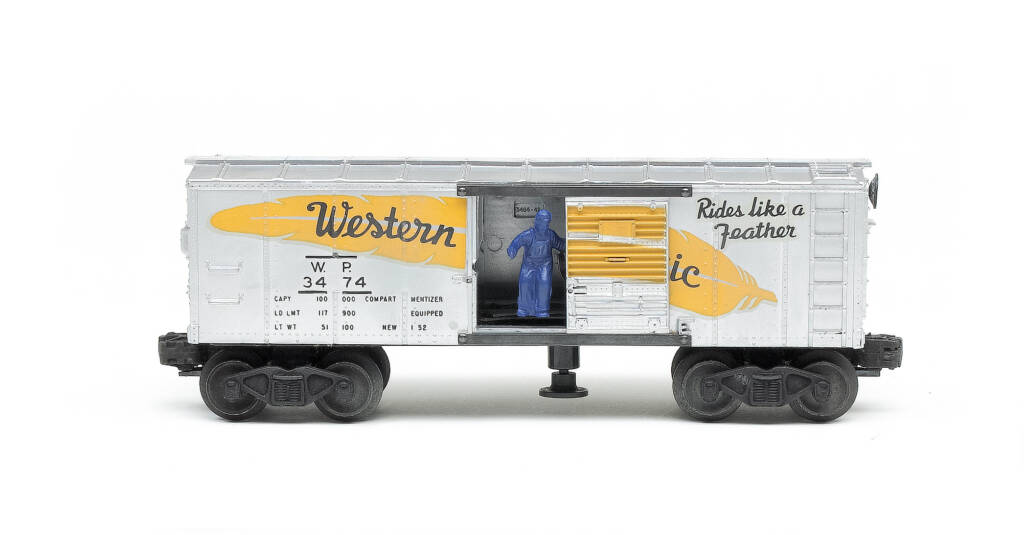
I began collecting O and 027 gauge trains in middle school. Like many toy train enthusiasts, the trains were eventually packed away for various reasons. Years later, I unpacked my Lionel and Marx collection. It had been a long time since I had seen these trains. I unpacked mostly postwar and modern 2-4-2 outline steam […]
Read More…
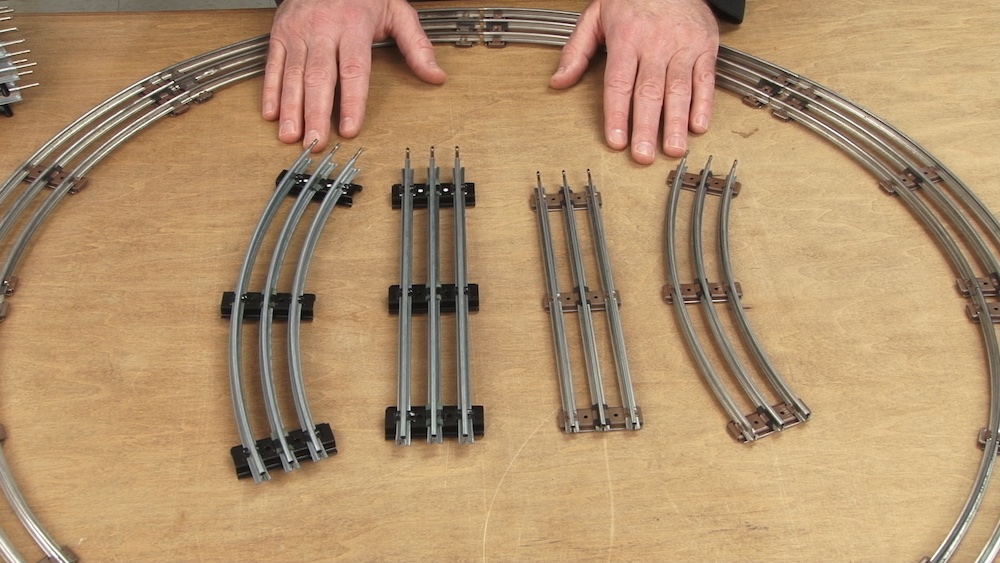
I recently took out my old toy trains that have been packed away for about 25 years. The tubular track sections that were brand new back then now have black marks on them. How do I clean them and get them usable again? — Joe Rampe If it’s just dry corrosion, a Scotch-Brite pad will […]
Read More…