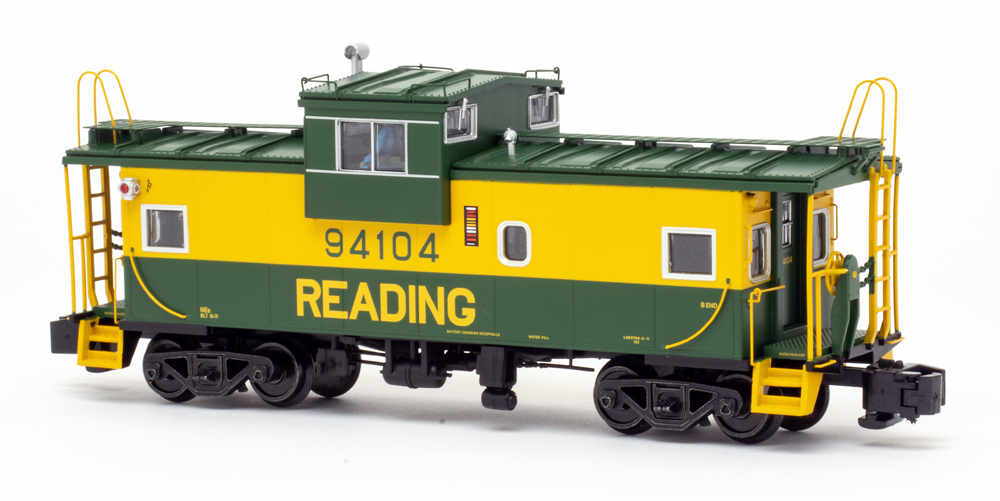
An International Car Co. (ICC) wide-cupola caboose is the latest model to join the ScaleTrains S-Helper Service product range. The S gauge model has an injection-molded plastic body and features wire handrails and grab irons, factory-installed and painted crew figures, and illuminated light-emitting-diode marker lights. Prototype history The sample we received is decorated as Reading […]
Read More…
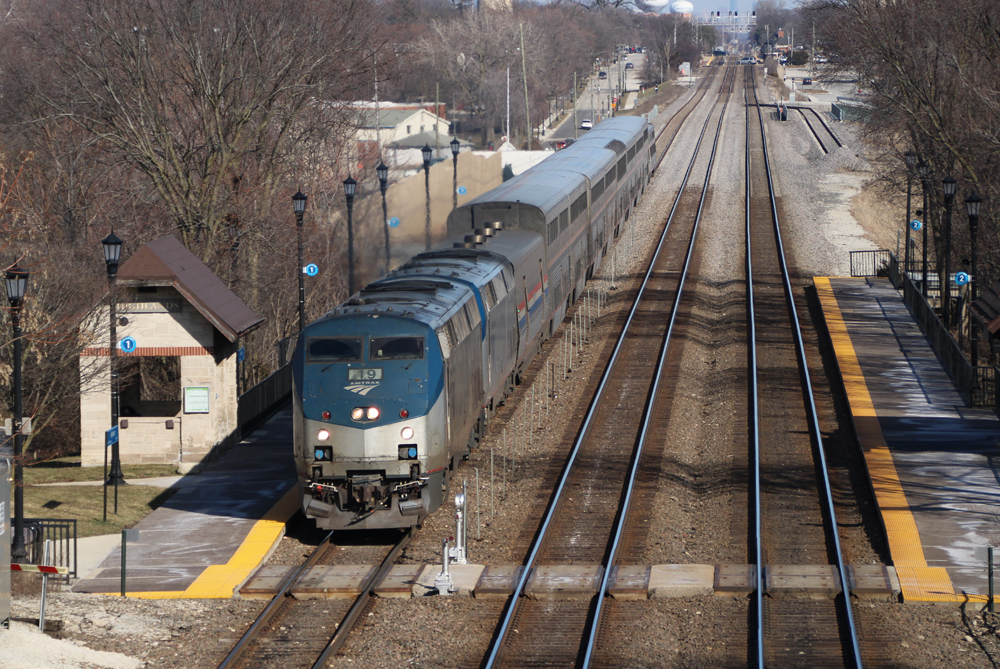
Back for the first time in a while, here’s some weekend recommended reading — rail news and features from various media outlets: — The website Urban Milwaukee reports on an ambitious/unrealistic (take your pick) proposal for a privately developed commuter rail system that would serve 32 stations in a five-county area around Milwaukee, using existing […]
Read More…
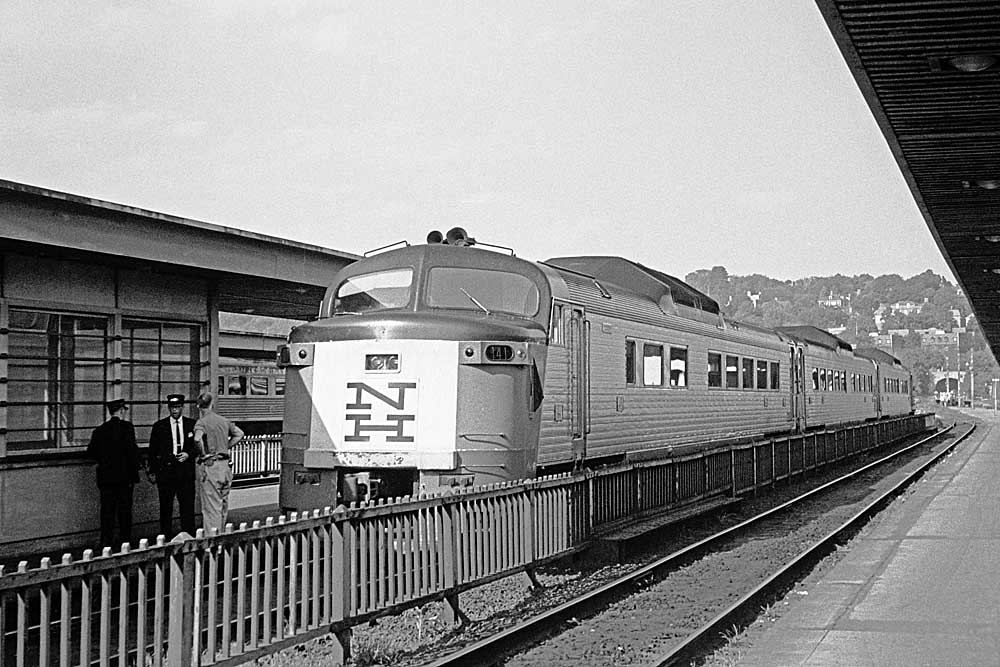
By the mid-1950s, the economic “Passenger Problem” was haunting U.S. railroads in a material way. In addition, older equipment continued to wear out and require replacement. Had this been a non-regulated business, that alone probably would have ended much of intercity passenger service, since there was no real prospect of making a return on investment. […]
Read More…
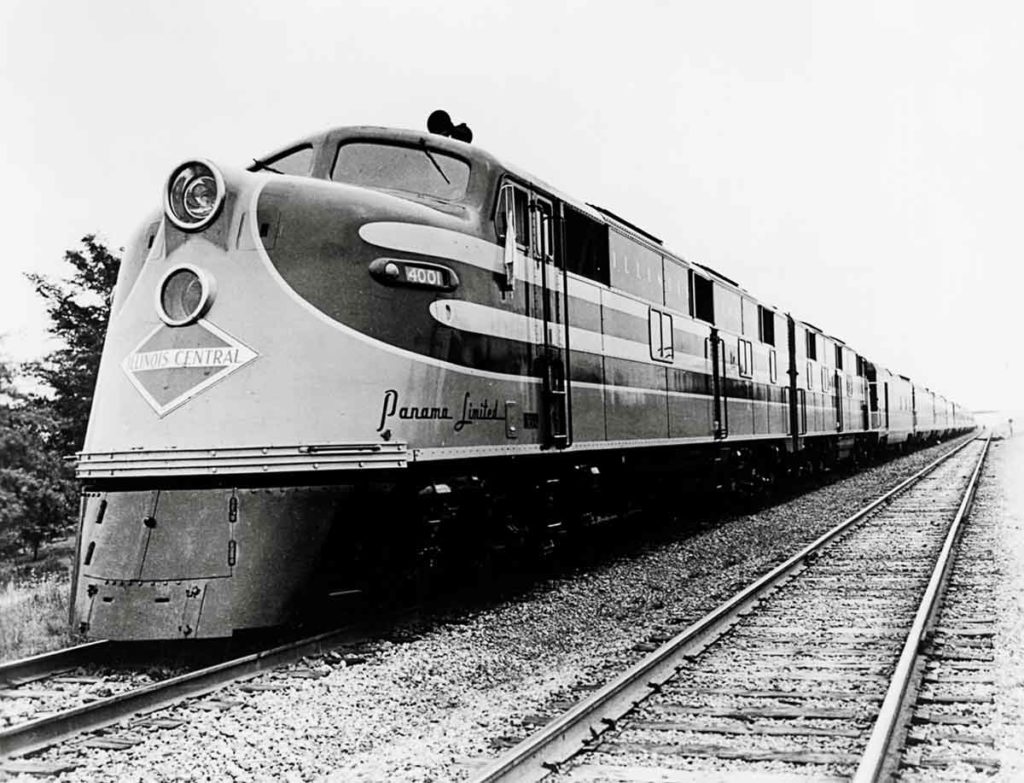
Two E6 diesels pose grandly with Illinois Central’s newly streamlined all-Pullman Panama Limited in an early-1940s publicity photo. Electro-Motive photo […]
Read More…
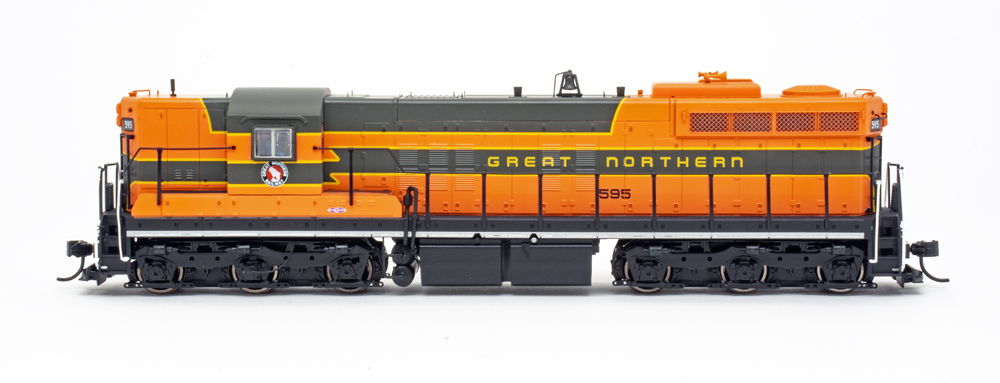
Wm. K. Walthers Inc. has released a new run of its Proto-series Electro-Motive Division (EMD) SD9 road switcher. The HO scale model features an injection-molded plastic body; die-cast metal chassis; and a mix of plastic, etched-metal, formed wire, and cast brass detail parts. Prototype history Electro-Motive Division produced the SD9 from January 1954 to June […]
Read More…
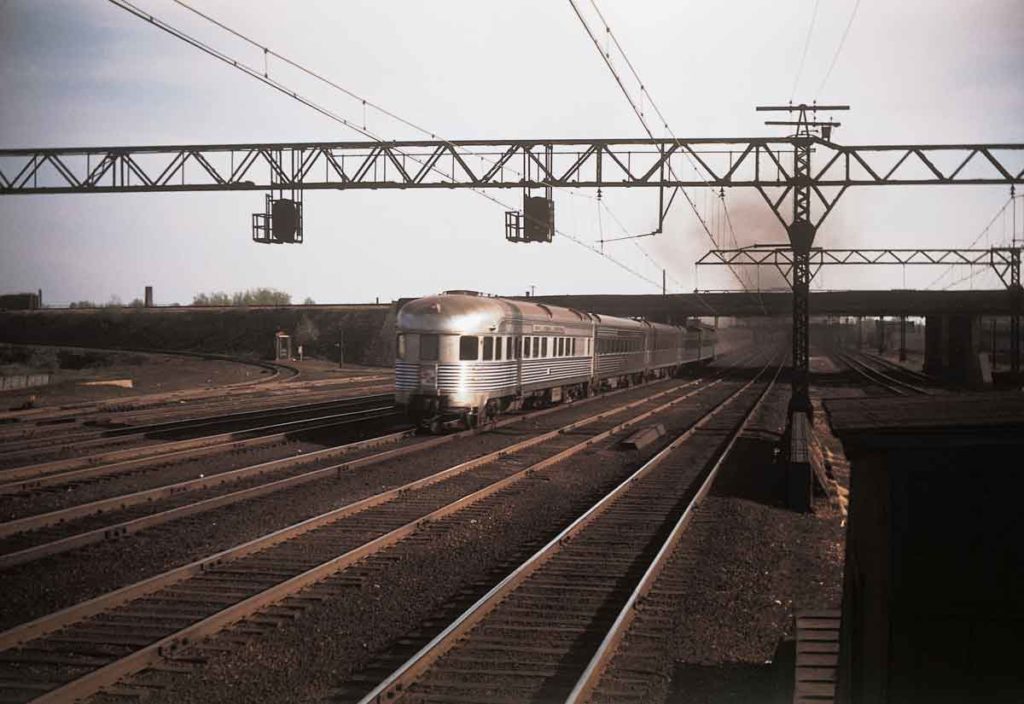
New York Central’s Chicago–Cincinnati streamliner, the James Whitcomb Riley, speeds past Illinois Central’s suburban-train station at 75th Street on the South Side of Chicago in 1947. The Riley left from IC’s Central Station on the lakefront and switched to NYC rails at Kankakee. Willard A. Gardner photo […]
Read More…
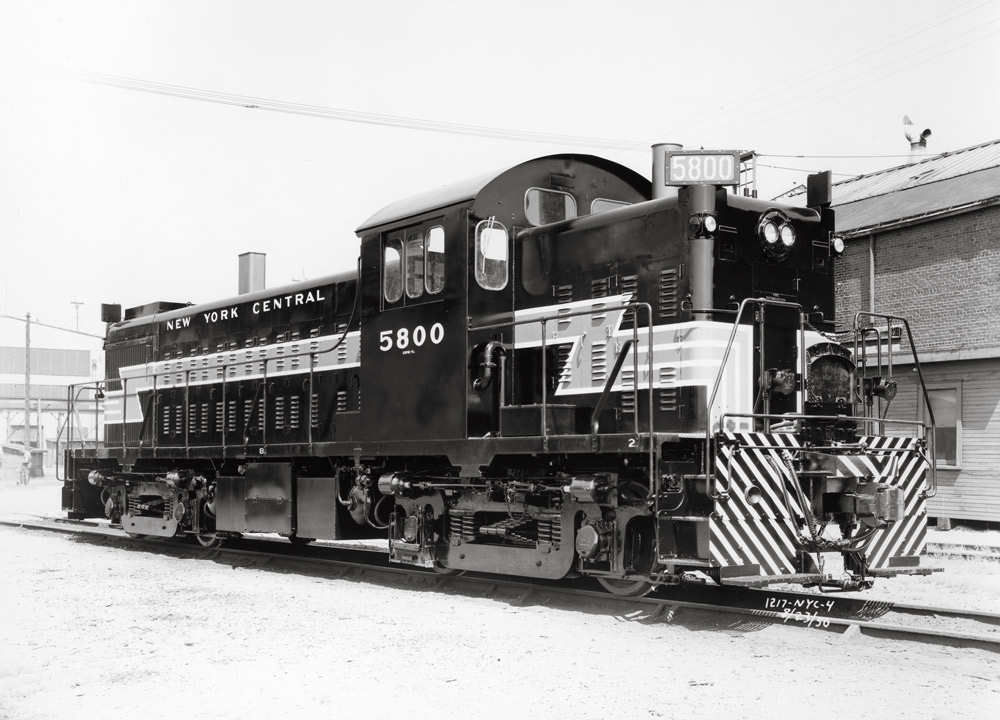
The New York Central diesel roster showed diversity in an era known for experimentation. Major railroads with deep financial pockets have the freedom to spend money for equipment like the proverbial kid in the candy store. Among them, you’d have to include the mighty New York Central. Nicknamed the “The Water Level Route,” […]
Read More…
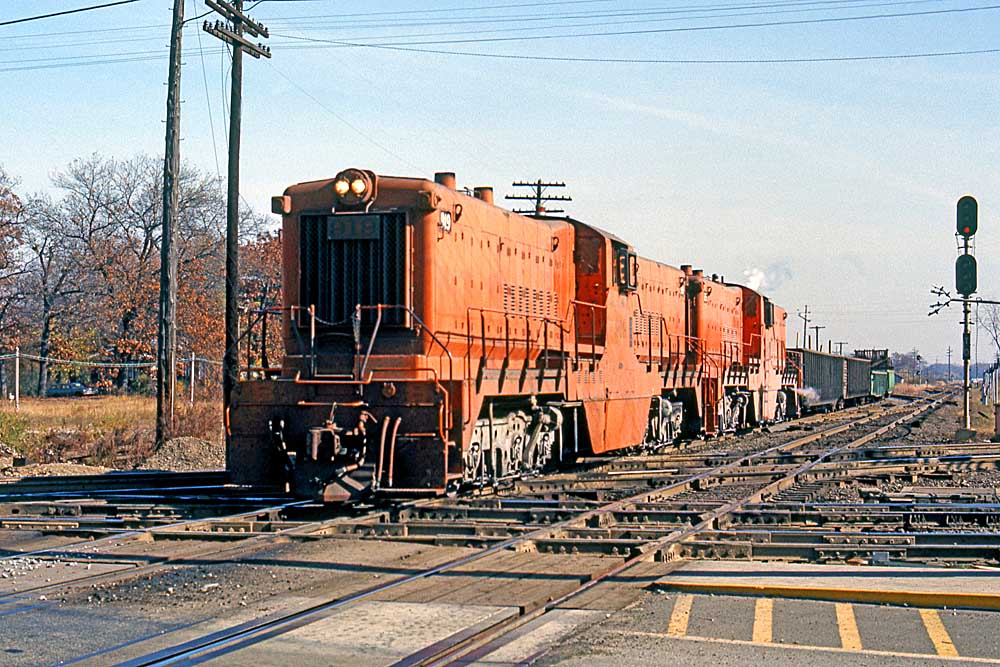
A friend asked me recently what was the first locomotive I clearly remember. The answer might be surprising: it was huge (to a 4-year-old, anyway), it was rare, it was a little scary, and it was orange. And to use the accepted sound nomenclature, it “burbled.” I’m referring, of course, to Elgin, Joliet & Eastern’s […]
Read More…
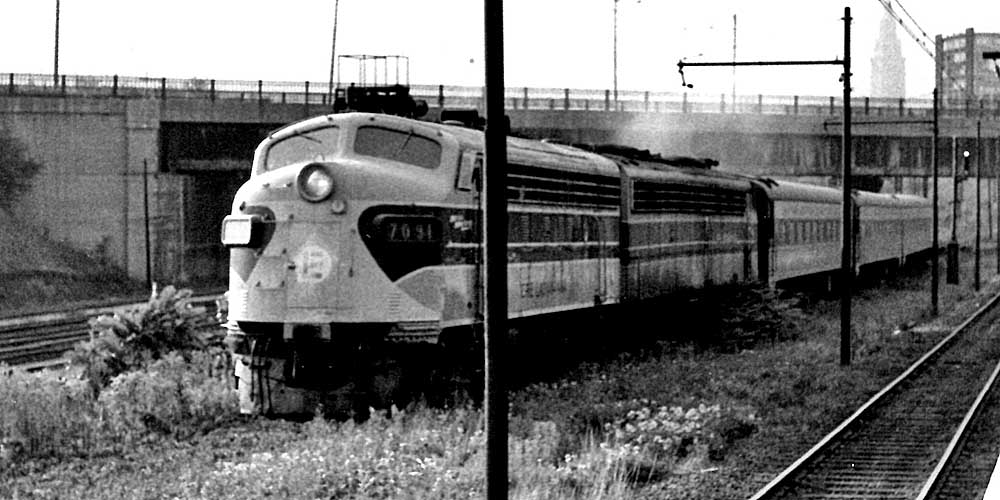
Little known outside the region, two Cleveland commuter trains closed out passenger rail service to the giant Cleveland Union Terminal. Shortly after 5 p.m. on a January day in 1977, passengers descended the only stairwell still open to track level at CUT (see Spring 2005). A single lightbulb revealed peeling paint. Wearing white shirts, navy […]
Read More…
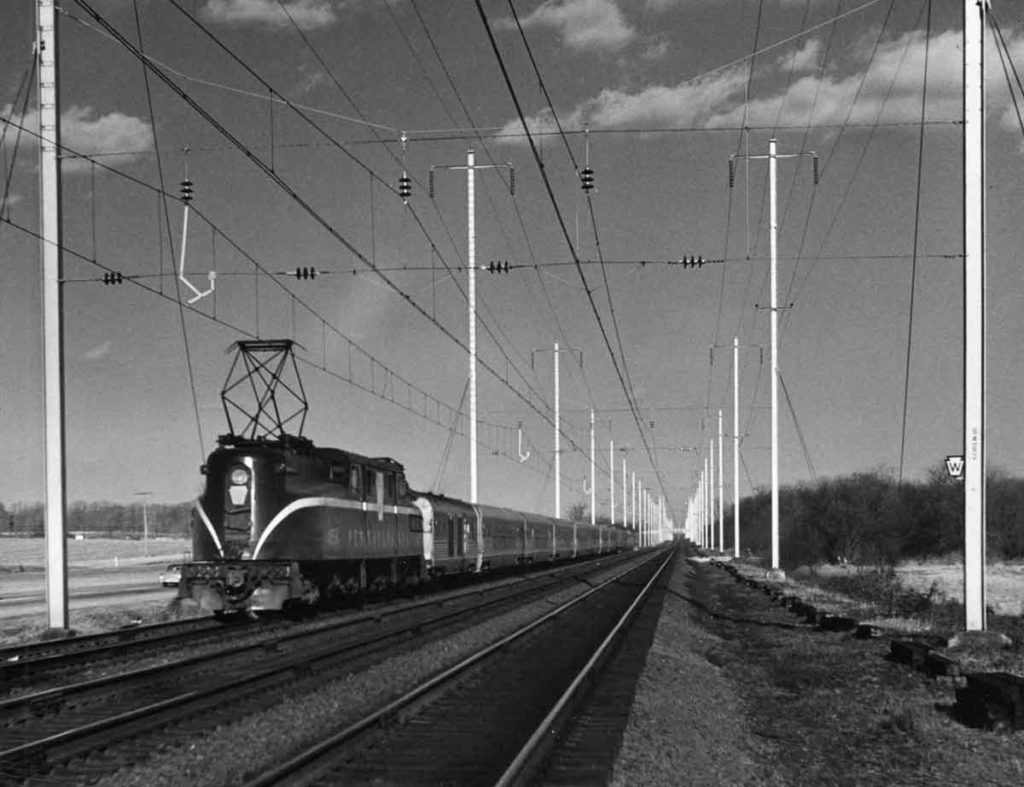
North of Aberdeen, Md., in about 1957, a Pennsylvania Railroad GG1 speeds toward Washington with the new Budd-built Keystone consist. GG1s normally operated with the rear pantograph raised, so this view is rather unusual. James P. Gallagher photo […]
Read More…
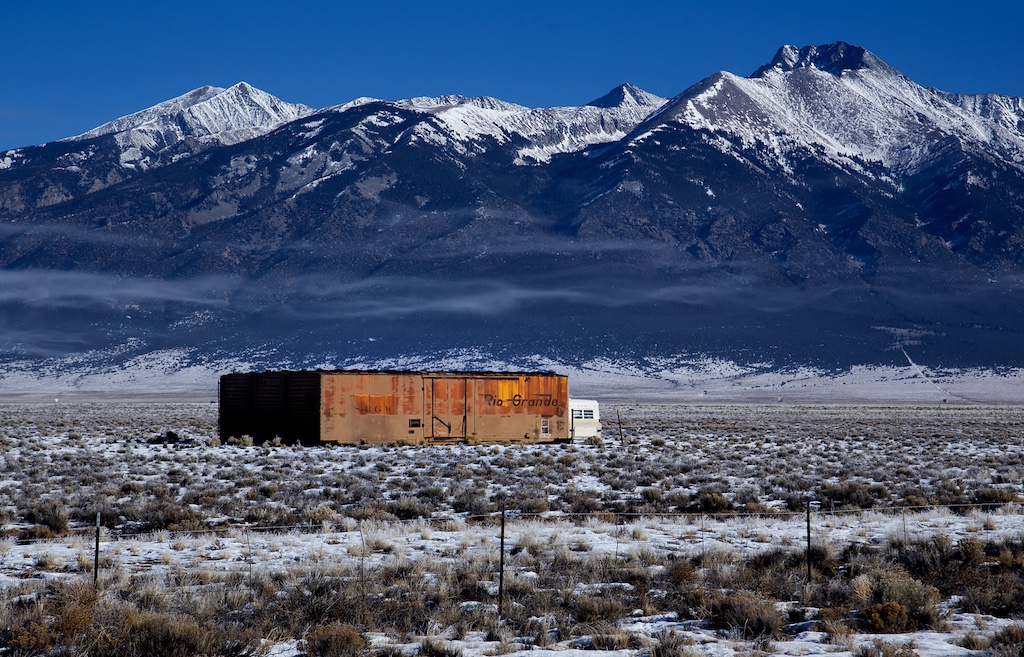
Railroad History Railroading exists everywhere we look, and in our travels we often get a glimpse into railroad history in places we least expect — like the half-dozen U-turns I’ve performed in ranch country where rust boxcars have been repurposed for storage. It’s an encounter with railroad history beyond the right-of-way. Drier climates in the […]
Read More…
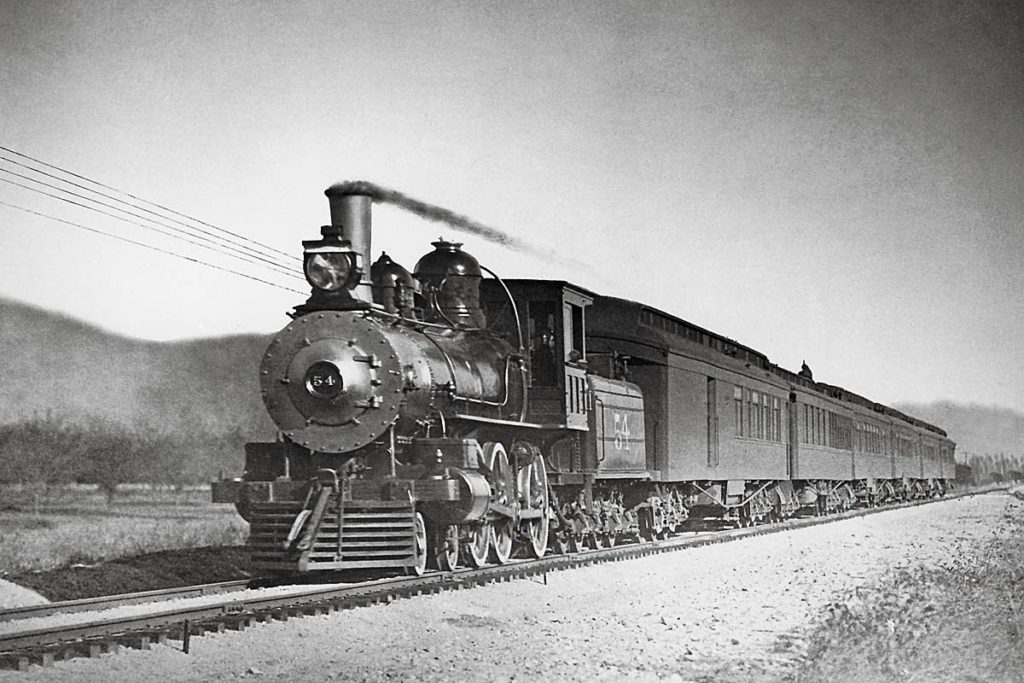
The Santa Fe’s fastest scheduled train in 1905 was the all-Pullman California Limited, with a Los Angeles–Chicago running time of 66 hours. Compact 4-6-0 No. 54 does the honors on this day with six cars in tow. Santa Fe Railway photo […]
Read More…