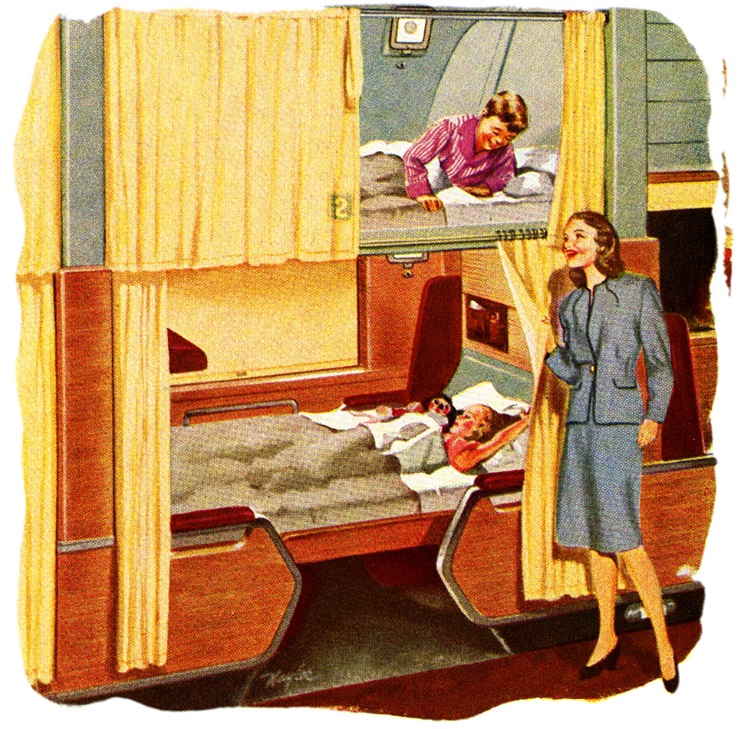
In artwork promoting the Milwaukee Road’s 1947 Olympian Hiawatha, Mom says goodnight to Jimmy and Sally in the upper and lower berths of a section in a new “Touralux” car. Specially built for the Olympian Hi, the Touralux sleepers contained 14 extra-roomy, semi-private sections. Photo by Milwaukee Road […]
Read More…
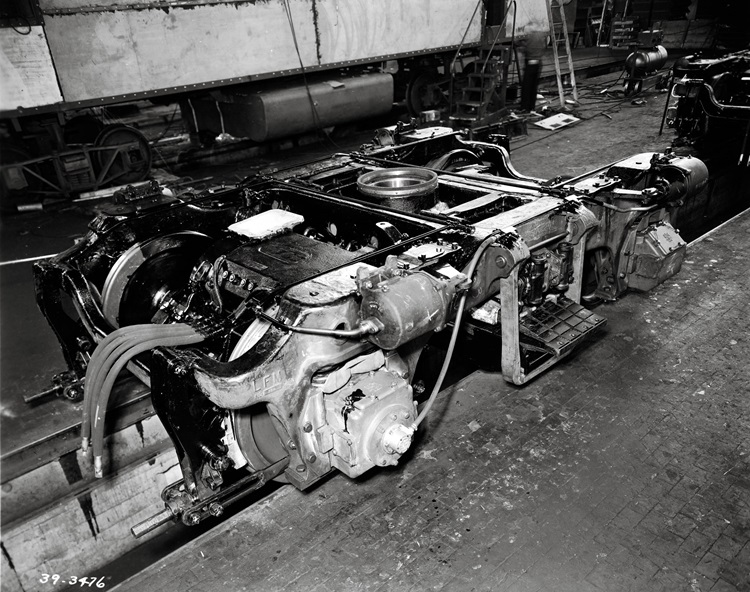
Electro-Motive’s four-wheel road-diesel truck, named for the mechanical engineer who designed it, Martin Blomberg, was introduced on the NW3 and FT models of 1939. Since then the Blomberg truck has been used under tens of thousands of diesels, including new models introduced more than 75 years later. Photo by Classic Trains collection […]
Read More…
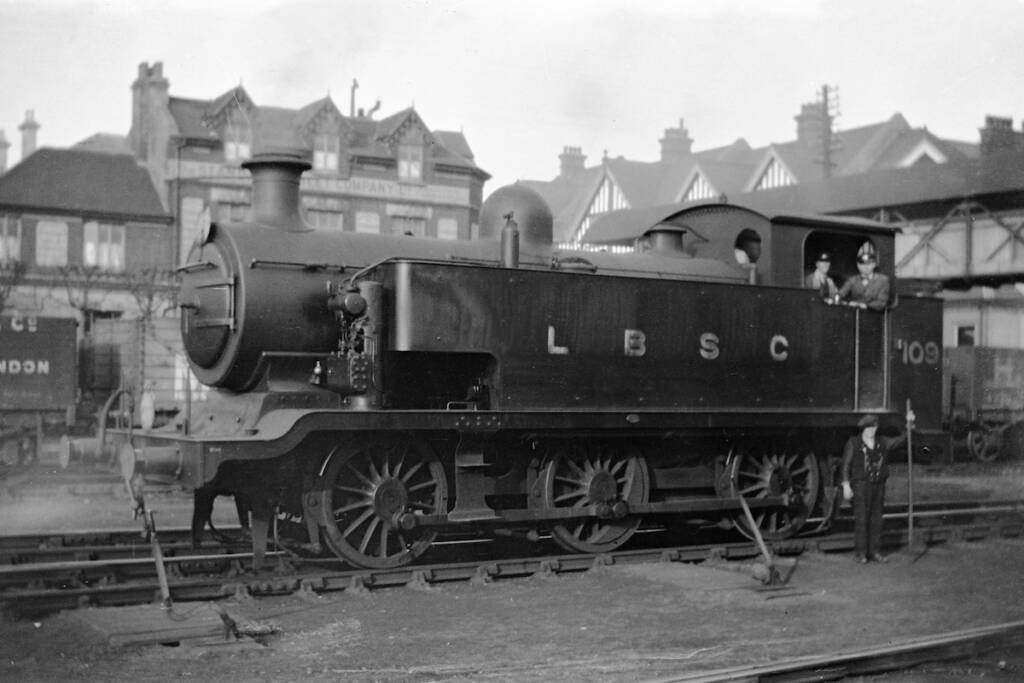
In the 1910s, Lawson Billinton of the London, Brighton & South Coast Railway was tasked with designing a successor to the E1 Class 0-6-0T steam locomotives, designed by William Stroudley in 1874. The “answer” became the E2 Class 0-6-0T that would go on to have a complicated legacy during its flawed career and after its […]
Read More…
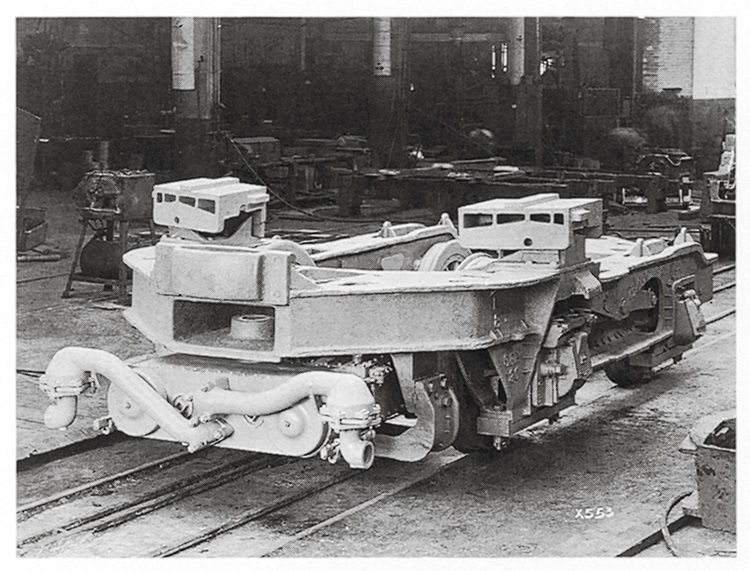
The trailing truck for Lima’s 1925 demonstrator locomotive No. 1, the first 2-8-4 Berkshire type, featured four wheels to support the engine’s large firebox — a major advance in steam design. The piping was for a booster engine which drove the truck’s rear axle. Photo by Lima Locomotive Works […]
Read More…
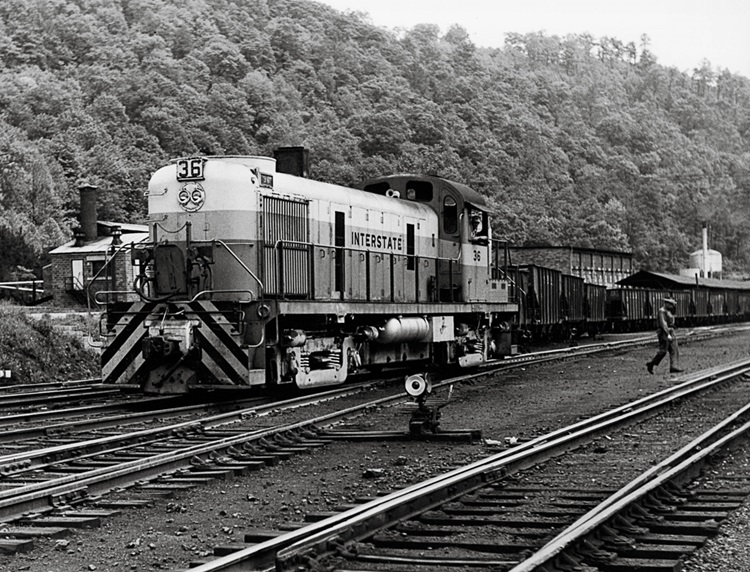
One of the Interstate Railroad’s ten Alco RS3 diesel locomotives switches hopper cars in the road’s yard at Andover, Virginia, in May 1960. The 88-mile coal-hauler’s diesels wore a colorful gray-orange-silver scheme. The Southern Railway bought the Interstate in June 1961. Photo by Steve Patterson […]
Read More…
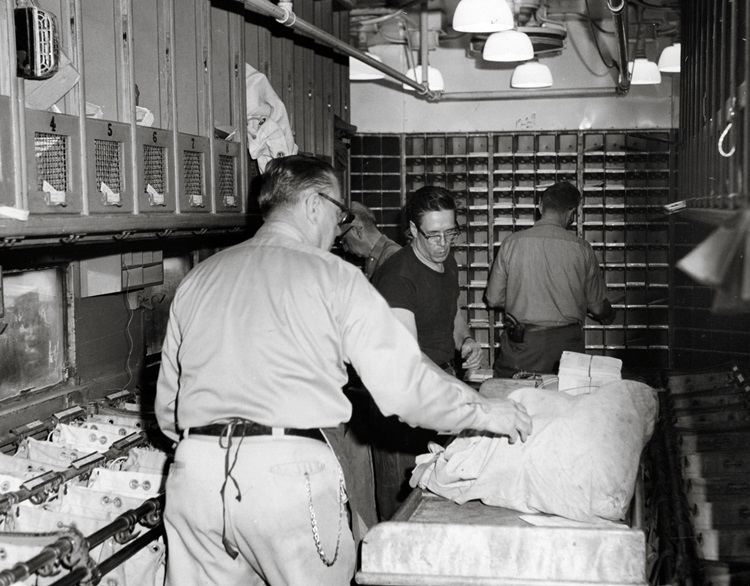
Few Railway Post Office cars survived the big cuts of 1967. Among the handful that remained was the St. Paul & Aberdeen RPO on Milwaukee Road train 15, the truncated remnant of the Olympian Hiawatha, on which clerks are seen at work in the spring of 1968. Photo by Don L. Hofsommer […]
Read More…
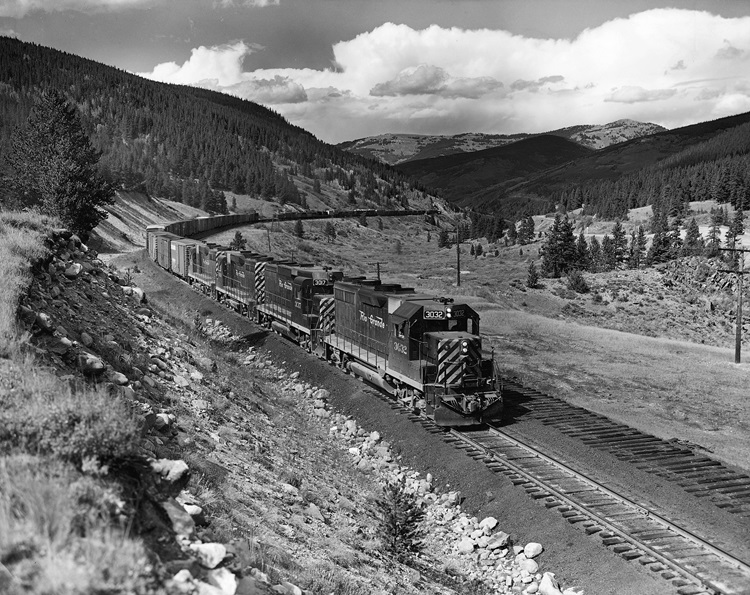
A GP35 and three GP30s lead a 47-car freight up the west side of Denver & Rio Grande Western’s Tennessee Pass at Mitchell, Colorado, in September 1969. Indicative of the severity of the grade, four F units and two older Geeps are cut in as mid-train helpers. […]
Read More…
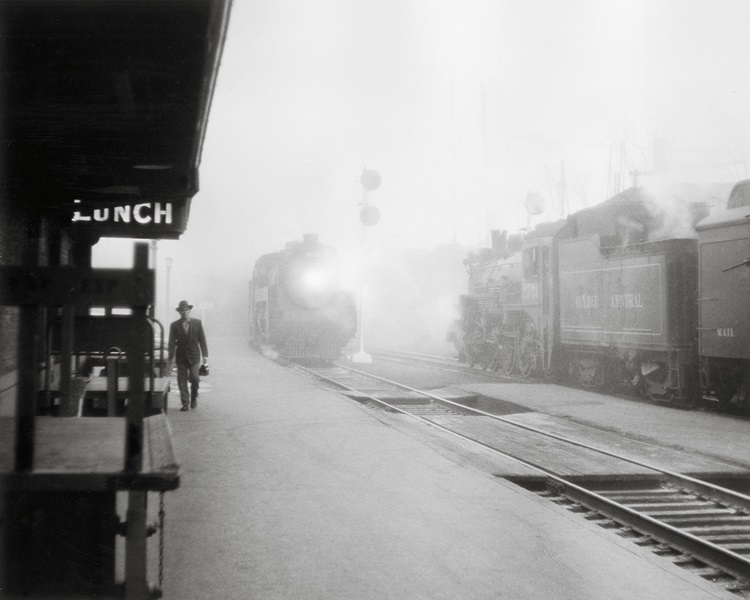
In October 1953, a blanket of fog lies over Sherbrooke, Quebec, as Quebec Central G2 4-6-2 2556 awaits departure time of train 1 for Quebec City as a G3 Pacific brings train 39 into the station. Photo by Philip R. Hastings […]
Read More…
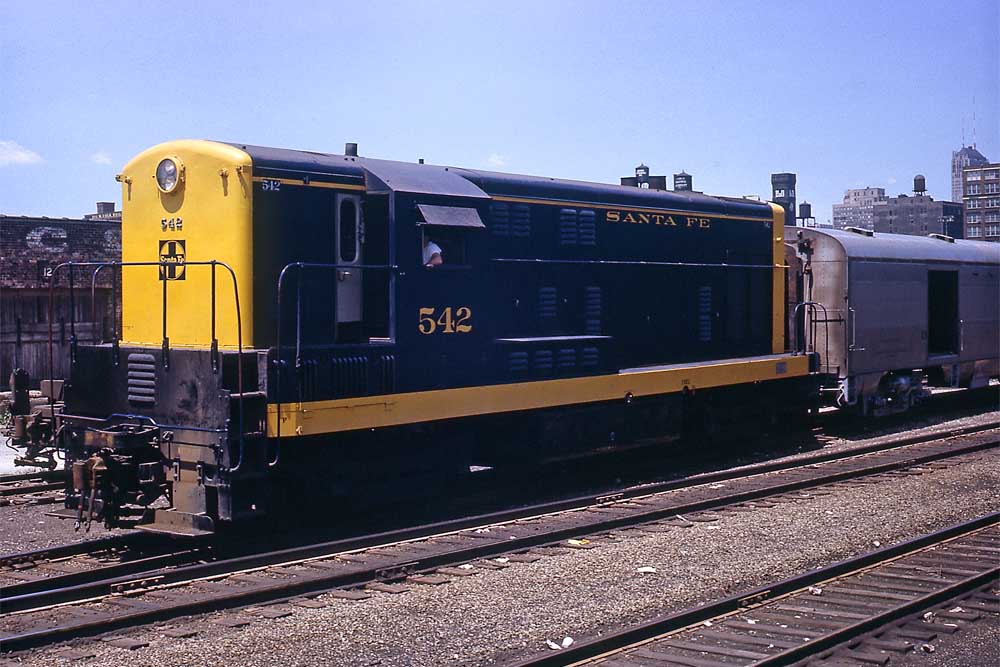
Fairbanks-Morse, the Beloit, Wisconsin-based locomotive manufacturer, was celebrated for its powerful and innovative designs during the transition from steam to diesel. Nevertheless, not all of its creations achieved commercial success. The following examines three Fairbanks-Morse locomotive models that, despite their ambitious engineering, struggled to find a foothold in the market. Fairbanks-Morse H20-44 The H20-44, introduced […]
Read More…
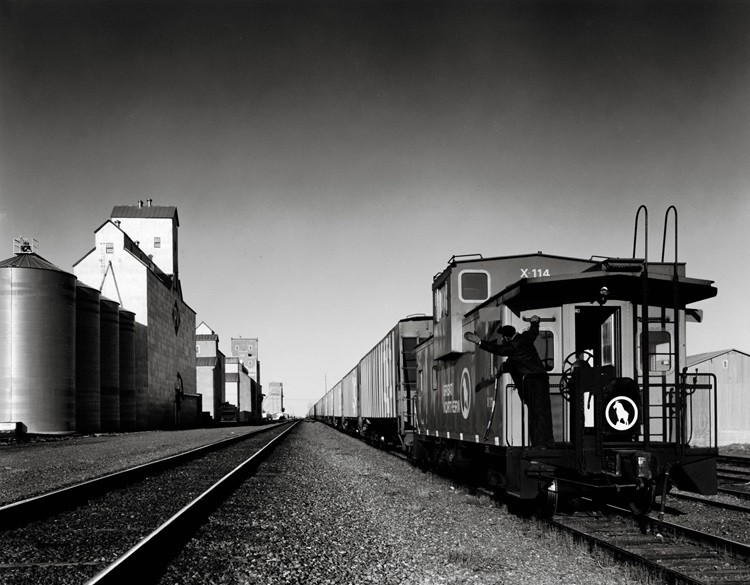
In 1968, the Great Northern loaded 50 of its new Big Sky blue covered hoppers in Wolf Point, Montana, in an experimental unit train move to an export elevator in Portland, Oregon. In this posed photo, a crewman signals from the train’s modern wide-vision caboose. Photo by Great Northern […]
Read More…
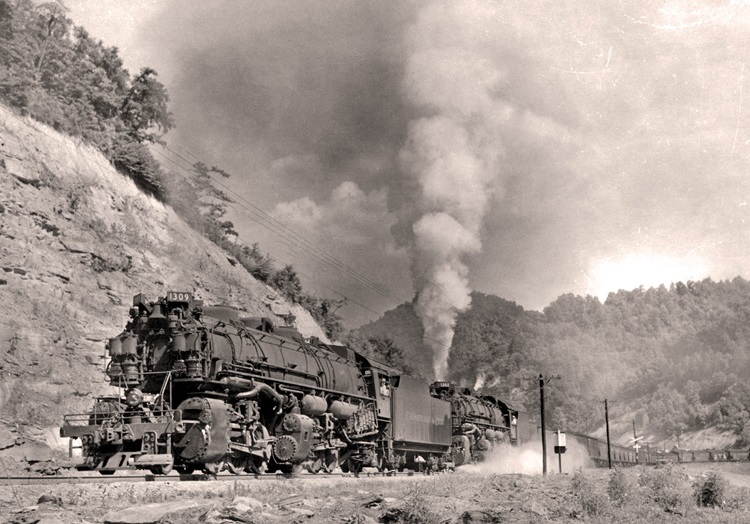
Chesapeake & Ohio 2-6-6-2 Mallets 1309 and 1302 are departing Scarlet, West Virginia, in June 1950 with a loaded coal train. The 10 members of C&O’s H-6 class were the last steam locomotives built for domestic use by Baldwin Locomotive Works (1949). Engine 1309 is being restored for service on the Western Maryland Scenic Railroad […]
Read More…
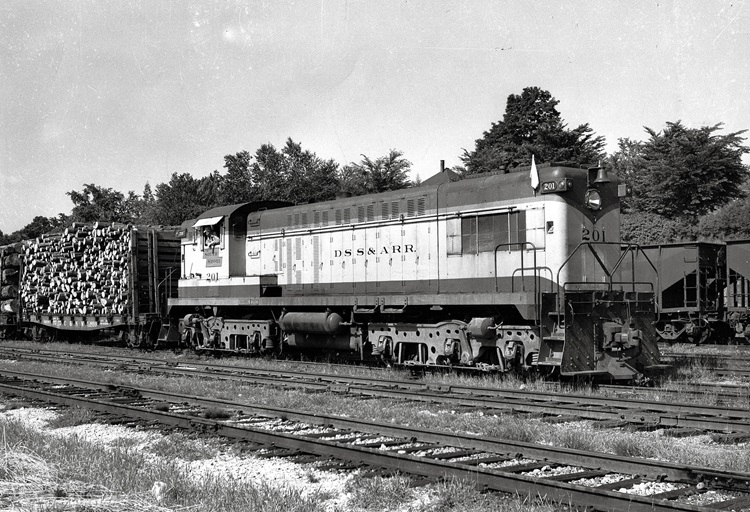
Duluth, South Shore & Atlantic DRS-6-6-15 road-switcher No. 201 stands with a bulkhead flatcar of pulpwood, a major commodity in Michigan’s Upper Peninsula. The South Shore had 4 of the 82 six-motor, 1,500-horsepower units that Baldwin Locomotive Works built between 1948 and 1950. Photo by A. C. Kalmbach […]
Read More…